Understanding Common Indoor Air Pollutants
Indoor air quality can be significantly affected by various pollutants that are often overlooked. Common sources of these pollutants include household cleaners, personal care products, and even building materials. Understanding these contaminants is crucial for homeowners looking to improve their indoor air environment.
For instance, volatile organic compounds (VOCs) are emitted by many household products and can lead to various health issues, from headaches to respiratory problems. Regularly identifying and mitigating these pollutants can enhance overall air quality, making it essential for homeowners to be aware of their sources and effects.
The Role of Ventilation in Air Quality
Proper ventilation is a key component in maintaining good indoor air quality. It helps to reduce the concentration of indoor pollutants by allowing fresh air to circulate while expelling stale air. This exchange is vital for preventing the accumulation of harmful substances in the home.
The EPA emphasizes that adequate ventilation can significantly lower the levels of indoor air contaminants. Homeowners can improve ventilation through simple measures like opening windows, using exhaust fans, or installing air exchange systems, all of which contribute to a healthier indoor environment.
Benefits of Professional Air Quality Testing
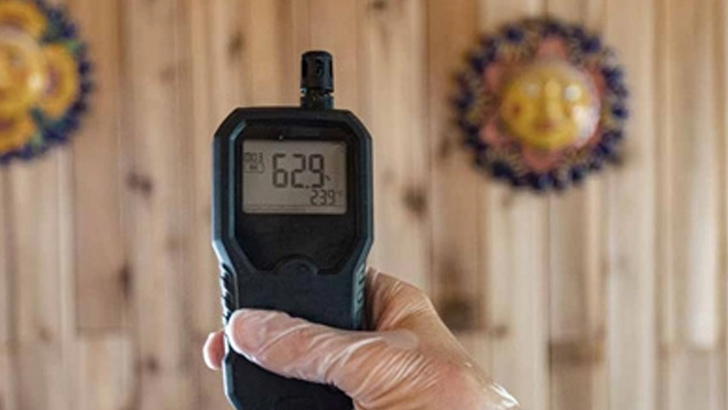
Engaging in professional air quality testing provides homeowners with a comprehensive understanding of their indoor air environment. This service goes beyond simple assessments, using advanced technology to measure various pollutants and conditions that may not be visible to the naked eye.
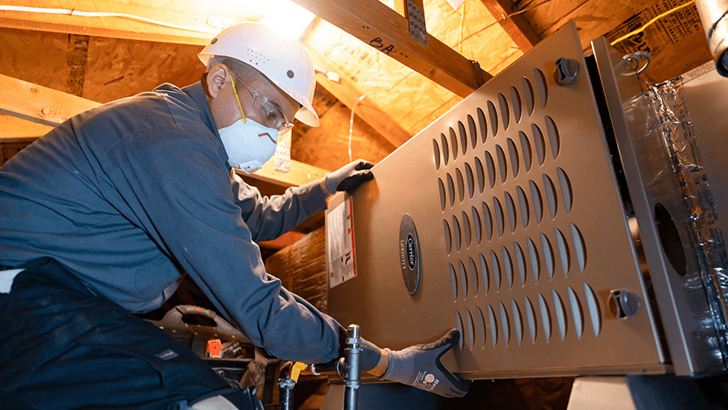
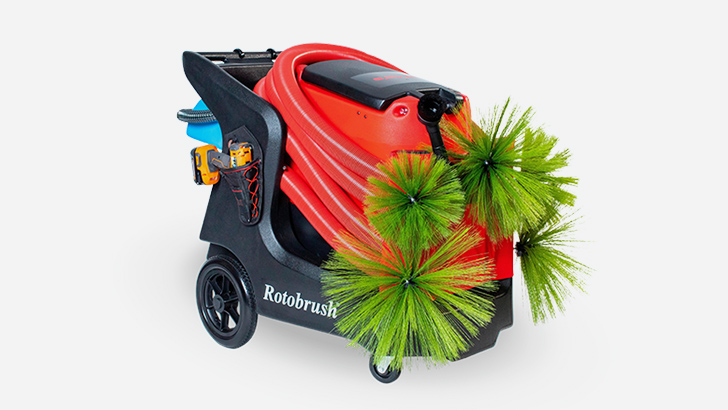
For example, professional testing can reveal elevated levels of carbon dioxide or allergens that might be affecting health. Armed with this data, homeowners can make informed decisions about necessary interventions, such as duct cleaning or air purification solutions, thereby enhancing their living conditions.
Choosing the Right Air Purification System
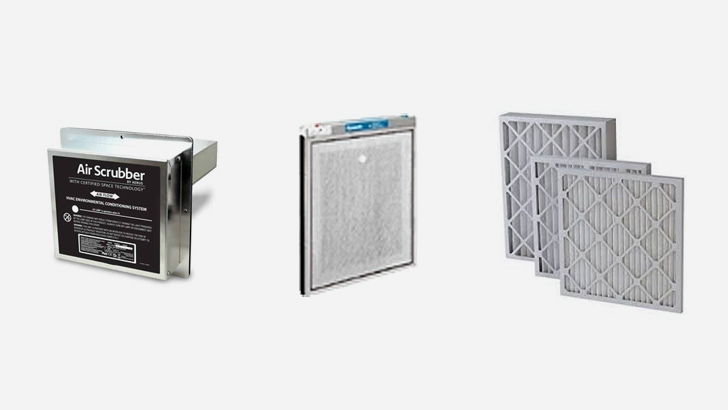
Selecting the appropriate air purification system is essential for effectively managing indoor air quality. Different systems target various types of pollutants, so understanding the specific needs of your home is crucial for making the right choice.
For instance, HEPA filters are highly effective at trapping airborne particles, while activated carbon filters excel at removing odors and gases. Consulting with professionals can help homeowners identify the best solution tailored to their specific air quality challenges, ensuring a healthier living space.