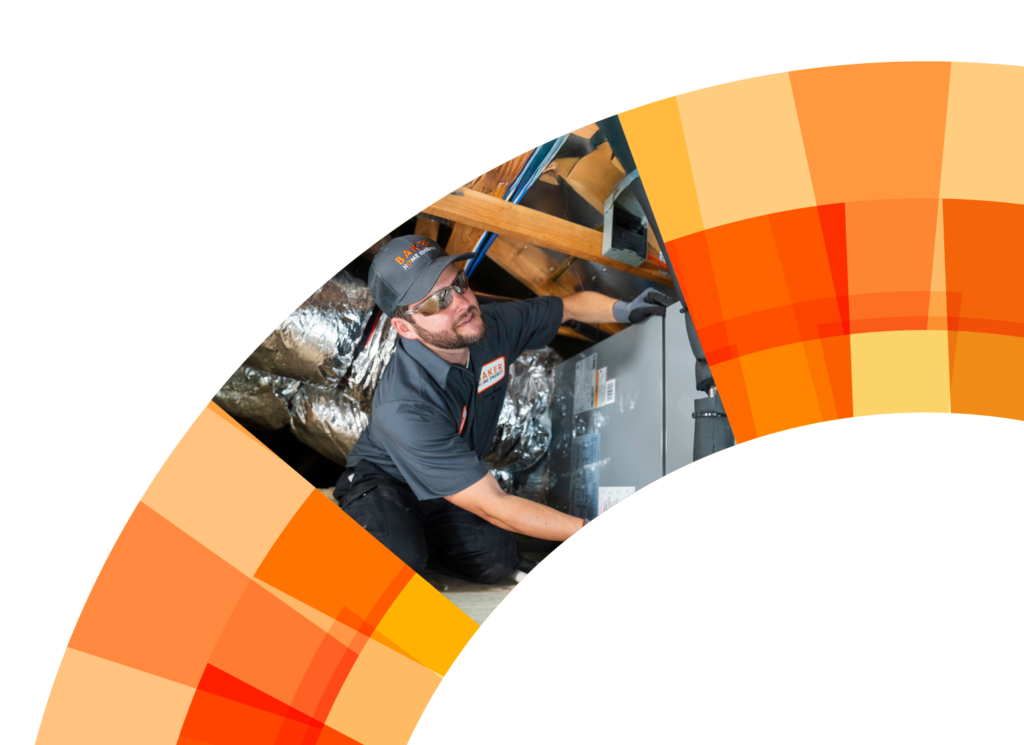
A well-functioning heater is essential for staying comfortable, especially during chilly San Diego nights. However, like any home appliance, heaters can develop issues over time, leading to reduced efficiency, higher energy bills, or even complete system failure. Addressing repairs early can prevent minor problems from turning into costly replacements. Call the experts at Baker Home Energy to keep your heater running at its best.
Essential Heater Repair Insights for San Diego Homeowners
Common heater issues include weak heat output, strange noises, frequent cycling, and rising energy bills.
Ignoring small problems can lead to bigger, more expensive repairs or even system replacement.
DIY troubleshooting can solve minor issues like dirty filters, but major problems require a professional.
Preventative maintenance like regular filter changes and annual inspections can help avoid costly breakdowns.
Heater repair costs vary, but knowing when to repair versus replace can save you money in the long run.
Hiring a licensed HVAC technician ensures safe, efficient, and lasting repairs.
Common Signs Your Heater Needs Repair
Your heater often gives warning signs before breaking down completely. Here are some key indicators that it’s time for a repair:
Unusual Noises (Banging, Whistling, or Grinding)
Banging or booming sounds may indicate a delayed ignition in a gas furnace.
Whistling noises suggest airflow problems, possibly due to clogged filters or leaky ducts.
Grinding or screeching could mean worn-out motor bearings or fan issues.
Weak or No Heat Output
If your heater is blowing cold or lukewarm air, the thermostat, pilot light, or heating element could be malfunctioning.
Low airflow might point to a clogged filter or blower motor problem.
Frequent Cycling On and Off
A heater that turns on and off too frequently may have a faulty thermostat, dirty sensor, or airflow restriction.
This issue can lead to higher energy bills and unnecessary wear on components.
Unexplained Increase in Energy Bills
A sudden spike in your energy bill could indicate that your heater is working harder than necessary due to dirty filters, duct leaks, or failing components.
Strange Odors (Burning or Gas Smell)
A burning smell when turning on the heater for the first time in a season is normal, but persistent odors may indicate electrical problems or overheating.
A gas smell requires immediate attention, as it could signal a gas leak—turn off the system and call a professional immediately.
Thermostat Issues and Inaccurate Temperature Readings
If the thermostat settings don’t match your home’s actual temperature, it could be a wiring issue, low battery, or failing sensor.
A faulty thermostat can cause inefficient heating and increased energy costs.
Common Heater Problems and How to Fix Them
While some heater issues require professional help, others can be resolved with basic troubleshooting.
Dirty or Clogged Air Filters
Problem: Reduced airflow and inefficient heating.
Fix: Replace or clean filters every 1-3 months.
Pilot Light or Ignition Problems
Problem: The heater won’t start or stay on.
Fix: Check if the pilot light is out and relight it if necessary. If the issue persists, it could be a faulty thermocouple or ignition system.
Malfunctioning Thermostat
Problem: Incorrect temperature readings or unresponsive controls.
Fix: Try replacing the thermostat batteries or recalibrating the settings. If that doesn’t work, a professional inspection may be needed.
Blower Motor or Fan Issues
Problem: Weak airflow or loud noises from the heater.
Fix: Ensure there are no obstructions in the blower fan and that it’s properly lubricated.
Clogged or Leaky Ductwork
Problem: Uneven heating and weak airflow.
Fix: Inspect ducts for leaks or blockages, and clean them if needed.
Gas Line or Electrical Connection Problems
Problem: Heater not turning on or unusual smells.
Fix: Turn off the system and call an HVAC technician immediately. Never attempt DIY gas or electrical repairs.
DIY Heater Repairs vs. When to Call a Professional
Simple DIY Fixes Homeowners Can Handle
Replacing dirty air filters.
Checking the thermostat batteries and settings.
Cleaning vents and registers to improve airflow.
Risks of Attempting Complex Repairs Yourself
Gas leaks or carbon monoxide exposure from improper handling.
Electrical hazards if wiring is mishandled.
Voiding your warranty by performing unapproved repairs.
When to Hire an HVAC Technician for Safe Repairs
If you notice strange smells, loud noises, or system failure.
For gas line, ignition, or electrical issues.
When your heater repeatedly needs repairs, indicating a larger issue.
Preventative Maintenance to Avoid Future Heater Repairs
Regular Filter Replacements and Cleaning
Replace filters every 1-3 months to prevent dust buildup.
Annual Inspections and Tune-Ups
A professional HVAC tune-up helps catch issues before they become costly.
Checking Ductwork and Vents for Blockages
Ensure ducts and vents are clear of debris to maintain airflow.
Monitoring Thermostat Functionality
Keep your thermostat settings accurate for efficient heating.
Timely heater repair in San Diego ensures efficient, reliable, and safe home heating. By recognizing early warning signs, performing basic maintenance, and knowing when to call a professional, you can avoid costly repairs and prolong your heater’s lifespan. If you’re experiencing heating issues, don’t wait—schedule an inspection with Baker Home Energy to keep your home warm and comfortable.
Services in San Diego Include
Choosing the right heating system for your home in San Diego depends on factors like energy efficiency, cost, and personal preferences. Here’s a look at the most common options available:
From solar, battery, and EV to cooling and heating, we empower homeowners to generate, store, consume, and intelligently manage their home energy cost-effectively with flexible options, top-tier innovative products and brands, and attractive financing solutions.
Staying Power
As a financially sound business with more than 86 years of experience, we have the staying power and experience to take care of our customers’ total home energy needs today and tomorrow with continuity and enduring quality.
Trusted Guidance
Our energy experts partner with homeowners to identify, implement and service the right solution for their home energy needs –providing clear guidance and helping them make smart choices they can trust.
Comfort Experts
We empower homeowners to live and enjoy their lives at home in comfort and with peace of mind in a world of rising costs and grid instability. We want you to enjoy your power!
Premium Experience
From service calls to installation and ongoing maintenance of home energy systems, we consistently deliver a premium experience to our homeowner customers distinguished by attentive, prompt, informed, and caring service.
Let’s Get Your Request Started
Heating Frequently Asked Questions
It is recommended to have your heating and air conditioning system serviced at least once a year. Regular maintenance helps ensure that your system operates efficiently and can help prevent unexpected breakdowns. For faster service, you can schedule your service with our online booking located
Installing a new heating and air conditioning system can provide several benefits, including improved energy efficiency, lower utility bills, enhanced comfort, and better indoor air quality. Newer systems are designed to be more environmentally friendly and can help reduce your carbon footprint
To improve the energy efficiency of your heating and air conditioning system, you can take several steps such as regularly changing the air filters, sealing any leaks in your ductwork, using a programmable thermostat, and ensuring that your home is properly insulated. Additionally, scheduling regular maintenance can help keep your system running efficiently
heat not working in house, furnace repair san diego, solar companies san diego, heating repair san diego, best solar companies in san diego, heater repair san diego, heating repair san diego ca, heating system repai, repair heating system, gas heater repair, gas heating system repair near me, gas heating repair, natural gas heater repair
Understanding the Importance of Heater Efficiency
Heater efficiency is crucial for maintaining a comfortable home environment while minimizing energy costs. An efficient heater not only provides consistent warmth but also reduces the carbon footprint, contributing to environmental sustainability. Homeowners should prioritize understanding their heater's efficiency rating, which can significantly impact energy consumption.
For instance, heaters with higher Annual Fuel Utilization Efficiency (AFUE) ratings convert more fuel into usable heat, which translates to lower energy bills. Regular maintenance, such as cleaning filters and checking for leaks, can enhance efficiency and prolong the lifespan of the heating system, ensuring optimal performance throughout its usage.
Emergency Heater Repair Services
In situations where heaters fail unexpectedly, emergency repair services become essential. Homeowners may face uncomfortable temperatures, especially during winter months, making prompt service critical. Emergency heater repair services are designed to address urgent issues quickly, ensuring that families can return to a comfortable living environment without prolonged disruptions.
These services typically include 24/7 availability and rapid response times. For example, if a heater stops working in the middle of a cold night, homeowners can rely on emergency technicians to diagnose and fix the problem quickly, restoring heat and comfort to their homes as soon as possible.
Choosing the Right Heating System for Your Home
Selecting the appropriate heating system is vital for achieving optimal comfort and energy efficiency in your home. Factors such as the size of your home, local climate, and energy sources available should guide your decision. Different heating systems, including furnaces, heat pumps, and electric heaters, each have unique benefits and drawbacks.
For example, while gas furnaces are often more cost-effective for larger homes, heat pumps can provide both heating and cooling solutions, making them versatile options for temperate climates. Consulting with a heating expert can help homeowners make informed choices that align with their specific needs and budget, ensuring long-term satisfaction with their heating solution.
Common Heater Maintenance Mistakes to Avoid
Proper maintenance is essential for the longevity and efficiency of your heating system, yet many homeowners make common mistakes that can lead to costly repairs. One prevalent mistake is neglecting regular filter changes, which can restrict airflow and cause the system to work harder than necessary. This not only increases energy costs but can also lead to premature system failure.
Another mistake is overlooking the importance of professional inspections. While DIY maintenance is beneficial, certain tasks, such as checking electrical connections or assessing ductwork integrity, require expert knowledge. By avoiding these common pitfalls, homeowners can ensure their heating systems operate efficiently and reliably throughout the heating season.