Estimated Read Time: 4 Minutes
You cannot see, smell, or taste PFAS in a glass of water. That is what makes these so-called “forever chemicals” unsettling: they can be present without changing the way your water looks or tastes.
California is expanding PFAS monitoring and has updated health-based notification and response levels for several compounds. For San Diego homeowners, the practical questions are simple: Is my water system testing for PFAS, and what can I do at home if I want another layer of protection?
Key Takeaways
- PFAS are a large family of manufactured chemicals used in products designed to resist heat, water, oil, or stains.
- Because they break down very slowly, PFAS can persist in water and the environment for years.
- California’s Division of Drinking Water updated notification and response levels in October 2025 and now requires broader initial monitoring by public water systems.
- Not every home filter reduces PFAS. Homeowners should look for independent certification for the specific PFAS reduction claim.
- Baker Home Energy can help San Diego homeowners compare whole-home and under-sink water solutions based on what is actually in their water.
What Is PFAS Contamination In California Water?
PFAS, short for per- and polyfluoroalkyl substances, are a family of more than 14,000 manufactured chemicals. They have been used in products such as nonstick cookware, food packaging, stain-resistant fabrics, and firefighting foam because they resist heat, water, and oil.
Why Do PFAS Stay In California’s Water Supply So Long?
The same durability that made PFAS useful also makes them difficult to remove from the environment. They do not break down easily, which is why they are called “forever chemicals.” PFAS can enter water through industrial discharges, consumer products, and certain firefighting activities, then remain in groundwater or drinking-water sources over time.
What Should San Diego Homeowners Do First?
Start with information, not fear. Check your water provider’s annual Consumer Confidence Report or contact the utility to ask whether PFAS has been detected and which compounds were tested. Home filtration can add another layer of control, but the right system depends on the water-quality issue you are trying to address.
How Is California Regulating PFAS Levels?
California’s Division of Drinking Water uses notification levels as health-based advisories and response levels as thresholds at which the state recommends that a water source be removed from service. In October 2025, the state issued new or revised levels for PFOA, PFOS, PFHxS, and PFHxA.
Those acronyms are less important to most homeowners than the larger point: regulators are testing for specific compounds at extremely low concentrations and tightening the triggers for notification and response.
Is more oversight coming?
Yes. In December 2025, California issued an order requiring community and nontransient public water systems to conduct initial PFAS monitoring. Homeowners can follow updates and testing information through the State Water Resources Control Board. Federal PFAS requirements are also evolving, so current utility and agency information matters more than old headlines.
Monitoring tells you what may be present in the public water supply. A home treatment system gives you control at the point where water enters the house or at the kitchen tap, but only if the system is designed and certified for the contaminant you want to reduce.
Can a Home Water Filter Reduce PFAS?
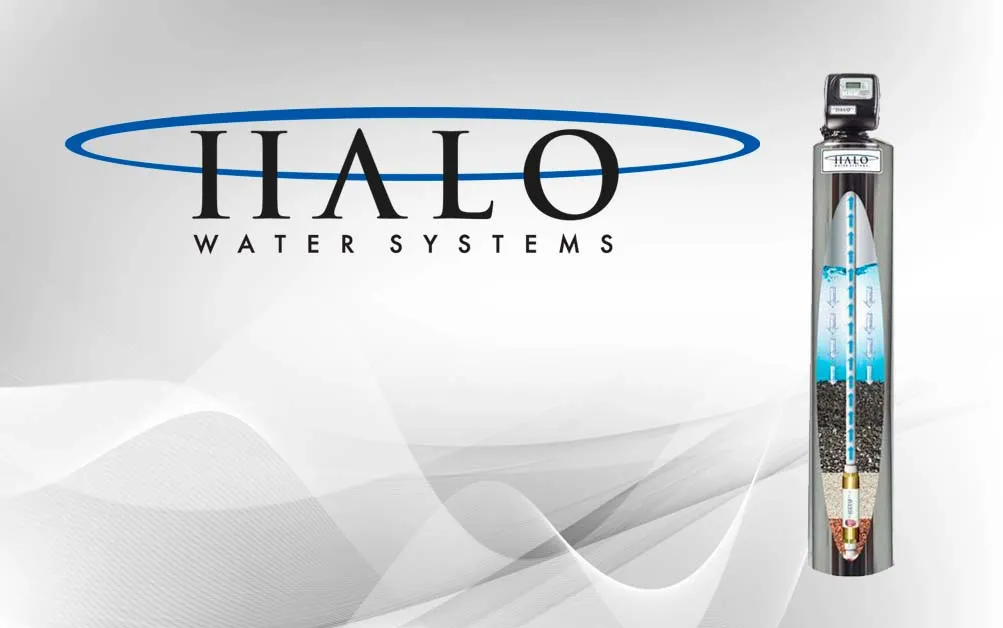
Some can. Baker installs HALO water filtration systems, but PFAS capability depends on the specific model. The HALO RO5 under-sink reverse-osmosis system is tested and certified to NSF/ANSI 58 for PFAS and PFOS reduction. HALO also offers the Defender, a whole-home point-of-entry system certified to NSF/ANSI standards for reducing PFAS, lead, cysts, and chlorine taste and odor.
That certification does not automatically apply to every HALO product Baker installs. For example, the standard HALO 5 is designed for broad whole-home filtration and conditioning, but its current manufacturer specification says it is not tested or certified for contaminant reduction. Homeowners concerned specifically about PFAS should ask Baker to confirm the exact model, certification, flow rate, capacity, and maintenance requirements before installation.
What makes a filtration system trustworthy for a California home?
Look for independent certification that names the contaminant-reduction claim, not simply a general NSF reference. For PFAS, that may include a qualifying NSF/ANSI 53 or NSF/ANSI 58 certification with the specific PFOA/PFOS reduction claim. Certifications apply to the listed model and operating conditions, so filter replacement and other maintenance still matter.
Whole-Home or Under-Sink: Which Approach Makes Sense?
The answer depends on the problem you want to solve:
- Under-sink filtration treats drinking and cooking water at one faucet and may include carbon or reverse osmosis designed for specific contaminant-reduction claims.
- Whole-home filtration treats water as it enters the house and can improve broader concerns such as chlorine taste and odor, sediment, and water quality throughout the home.
- A layered approach can combine whole-home treatment for everyday water quality with a certified point-of-use system for drinking and cooking water.
Baker explains the difference in its guide to whole-home and under-sink filtration. The goal is not to sell every homeowner the same equipment; it is to match the treatment approach to the home’s water and the homeowner’s priorities.
How Baker Can Help
IPFAS headlines can make water quality feel overwhelming, but the next step does not have to be. Baker Home Energy can review your household’s water concerns, explain the difference between whole-home and under-sink treatment, and recommend a professionally installed solution based on the results you want, not a one-size-fits-all sales pitch.
Explore Baker’s water-quality solutions or schedule a consultation to find the right filtration approach for your San Diego home.
FAQ
PFAS are manufactured chemicals used in products that resist heat, water, oil, and stains. Because they break down very slowly, they can persist in water and the environment for long periods.
PFAS have been detected in drinking-water sources across California, but results vary by water system and compound. Check your water provider’s current testing results rather than assuming every San Diego household has the same exposure.
Baker Home Energy, based in Escondido, serves San Diego County communities navigating regional water concerns. Reliable water filtration systems offer a practical path toward reducing household exposure alongside ongoing regional monitoring efforts.
Review your water provider’s report, identify which contaminants you want to reduce, and choose a treatment system with third-party certification for those claims. Baker Home Energy can help compare whole-home and point-of-use options for your home.