Award-Winning Local Service
Baker has earned recognition from local publications, industry organizations, and the San Diego homeowners we serve. That recognition reflects how we work: careful planning, clear communication, and long-term support after the job is done.





What Is a Solar Removal and Reinstall?
A solar removal and reinstall, sometimes called a solar detach and reset, is the process of disconnecting your solar panels, taking them off the roof, and reinstalling them once roofing work is complete. Most homeowners need one during a full replacement of their roof. It can also come up during a major roof repair, including repairs after storm damage. Because your solar array is attached to the roof and wired into your home’s electrical system, the work calls for solar professionals who understand both.
Why Professional Solar Panel Removal Matters
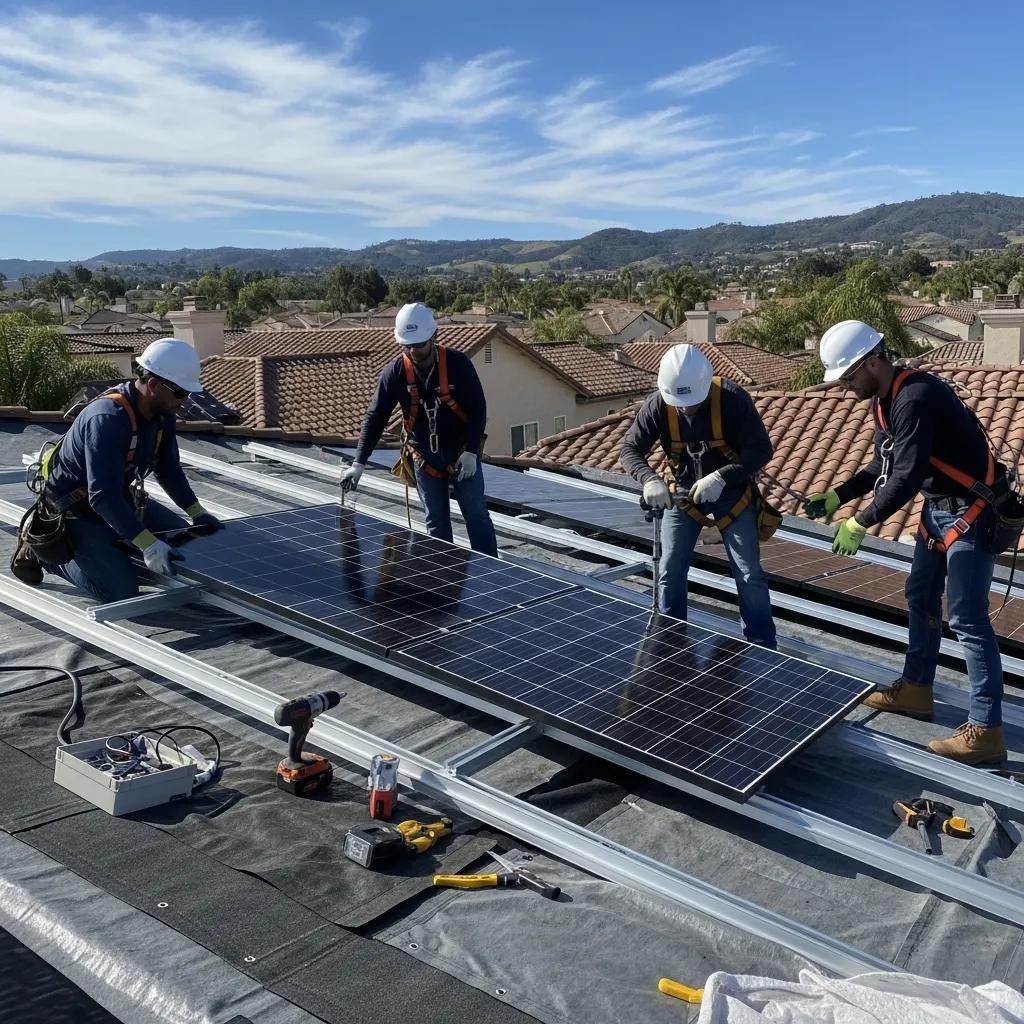
Your solar panels are a long-term solar investment, and the way they come off the roof affects how well that investment holds up. Many manufacturer warranties require professional handling, and improper removal can void solar equipment warranties. Solar work also involves live electrical connections that need to be shut down, documented, and reconnected to current electrical codes. That’s why it’s worth hiring a licensed installer or experienced solar contractor rather than asking a general roofing crew or a handy family member to pull panels on their own.
Professional solar panel removal typically includes:
- Shutting the system down safely before any panels are touched
- Documenting wiring layouts so every connection is reinstalled properly
- Labeling panels and storing them securely during roofing work
- Replacing old flashing and roof penetrations instead of reusing them
Each of these steps helps keep your system safe and ready to return to the roof in good condition.
One Team for Your Roof and Your Solar
Many roofing projects on solar homes involve two companies: a roofing contractor for the roof and a solar company for the panels. General contractors often coordinate both, which adds another layer of scheduling and cost. If a leak or system issue shows up later, the homeowner can get caught in finger pointing over which company is responsible.
Why Solar Experience Matters on a Roofing Job
A roofing company without solar experience may know shingles and underlayment well, but a solar remove-and-reinstall is electrical work as much as roofing work. The system has to be safely shut down, disconnected, labeled, and stored while the roof is replaced. Every mounting point that goes back into the new roof has to be properly sealed and flashed, since each one is a potential path for water. Then the wiring has to be reconnected and tested before the system goes back into service. When a crew unfamiliar with solar handles these steps, a brand-new roof can end up with the same leaks or system problems it was meant to solve.
Baker is a GAF Master Elite Roofing Contractor with electrical contractor roots and over 30,000 solar systems installed. Since 1938, Baker has served Southern California as part of the Baker Electric family. Our roofing and solar crews work from the same plan, which helps minimize downtime between removal, roofing, and reinstallation. Baker does not subcontract installations, so one accountable team handles your project from the first system assessment to the final inspection.
What’s Included in a Baker Solar Panel Removal and Reinstall
Baker’s reinstall services are built around protecting your roof, your equipment, and your warranty coverage.
New Flashing and Mounting Hardware
Clamps, standoffs, flashings, and racking spend years exposed to sun, salt air, and seasonal rain. During every reinstall, Baker removes and discards the old mounting hardware and replaces it with new components. Your panels then go back onto a fresh, properly sealed racking system built for your new roof. New hardware includes:
- Clamps
- Standoffs
- New flashing
- Racking
A New Roof From a GAF Master Elite Roofing Contractor
Baker is a GAF Master Elite Roofing Contractor, a designation that gives homeowners access to extended roofing warranty options when applicable. Our roofing crews prepare the roof with solar in mind, so attachment points are planned before the panels return. You can also ask about energy-efficient asphalt shingle options that help reflect sunlight and reduce heat buildup in the attic. A roof planned alongside your solar system means one less upgrade to manage later.
Workmanship and Warranty Protection
Baker’s solar technicians follow manufacturer protocols during removal and reinstallation, which helps keep your manufacturer warranties valid. Your reinstall is also backed by Baker’s workmanship warranty. Clear documentation of the work gives you a record to reference if a warranty question ever comes up.
Permitting and Inspection Handled In-House
Removing and reinstalling a solar system typically involves permits and inspections. Baker handles that paperwork in-house, so you can skip the trip to the permit office. Our team coordinates each step so the work is documented properly and your system is ready to reconnect once the project is complete.
How the Solar Removal and Reinstall Process Works
Before we remove solar panels from any San Diego home, we plan the full project so roofing and solar work stay in sync.
- System assessment: We review your roof, solar equipment, and electrical connections, then prepare a detailed estimate.
- Documentation and shutdown: The system is shut down safely, and wiring layouts are documented before removal.
- Panel removal and storage: Panels are safely removed, labeled, and stored securely while roofing work is underway.
- Roof replacement: Our roofing crews install your new roof with solar attachment points planned in advance.
- Reinstallation with new hardware: Your panels go back up on new flashing, standoffs, clamps, and racking.
- Reconnection and performance verification: The system is inspected, reconnected, and checked to confirm it’s producing power again.
Factors That Affect Solar Removal and Reinstall Costs
Several factors shape the cost of a solar removal and reinstall. Every home and system is different, which is why Baker starts with an assessment instead of a flat price.
- Panel count and system size: Larger solar arrays take more time to remove and reinstall, which affects labor costs.
- Roof type: Asphalt shingles, tile, and other roofing materials each call for different attachment methods.
- Racking system: Some racking systems are more involved to remove and reinstall than others.
- Equipment condition: Aging inverters or worn components may need repair or replacement before reinstallation.
- Upgrades: Adding panels, new inverters, or battery storage expands the project while helping you avoid reinstallation costs later.
- Scope of roofing work: A full replacement and a smaller roof repair involve different levels of coordination.
Your Baker reinstall estimate outlines each of these factors clearly, so you can plan your roofing project with confidence.

Upgrade Your Solar System While the Panels Are Down
A damaged roof means your solar panels have to be removed before the new roof goes on. Since the system is already coming down, it’s a practical time to take a fresh look at how your home uses energy. Labor and permitting are already part of the project, so planning upgrades now can help you avoid a second removal and reinstallation later.
Add More Solar Panels
Many households use more power today than when their solar was first installed. An EV charger, a home addition, or a pool can all raise your power bill over time. Adding panels during your reinstall expands your existing system without starting over with a new system. It can also help you use more of the power your home produces instead of buying it from the utility.
Upgrade Aging Inverters
Your inverter converts the power your panels produce into electricity your home can use. If your system relies on an older string inverter, upgrading to a newer model or switching to microinverters may help your system make better use of the sunshine, especially on roofs with partial shade or panels facing different directions. Microinverters also allow panel-level monitoring, so you can see how each panel is performing. That visibility can make future service simpler and more targeted.
Add Battery Storage
A home battery stores extra solar power so you can use it in the evening or during peak rate hours. If you’re on a time-of-use rate plan, where electricity costs more at certain times of day, stored solar can help lower long-term costs. A battery can also reduce your reliance on the electric grid and offer peace of mind during outages. Pairing solar with battery storage is one of the most effective ways to manage your home’s power more intelligently.
Why San Diego Homeowners Choose Baker
- Serving Southern California since 1938
- Part of the Baker Electric family, with electrical contractor roots
- Over 30,000 solar systems installed
- GAF Master Elite Roofing Contractor
- One team for roofing, solar, and electrical work
- In-house expertise with no subcontracting for installations
- Locally owned and operated, with long-term support after the job
Planning a new roof with solar already in place? Talk with a trusted local team that handles both.
Request an EstimateSolar Removal and Reinstall Frequently Asked Questions
Manufacturer warranties generally stay valid when removal is handled professionally. Improper handling during removal, including DIY work, can void your solar warranty coverage. Baker’s solar technicians follow manufacturer protocols at every step to help maintain your warranty protection. We also recommend reviewing your warranty documents so our team can account for any specific requirements before work begins.
Not always. Your original installer may offer workmanship coverage that could be affected when another company works on the system, so it’s worth checking your agreement first. Manufacturer warranties typically depend on the work being done properly by qualified solar installers. Our team can review your paperwork and explain your options during your assessment.
Yes, and it’s often a smart time to do it. Because the panels are already off the roof, adding panels, upgrading inverters, or installing a home battery can fit into the same project. Planning upgrades now can help you avoid paying for another removal and reinstall in the future. Our team will review your energy use and recommend options that fit your home and goals.
Timing depends on several factors, including system size, panel count, roof type, and the scope of roofing work. Removal happens before roofing begins, and reinstallation follows once the new roof is complete. Because Baker handles both the roofing and the solar work, scheduling stays coordinated to help minimize downtime for your system.
Your home typically stays connected to the electric grid throughout the project, so you can keep using utility power. Your solar system won’t produce power while the panels are removed, and there may be brief interruptions during shutdown and reconnection. If you have battery storage, our team will explain how the project affects it before work begins.
It depends on your policy and the cause of the roof damage. If your roof replacement or roof repair follows storm damage, your insurance company may cover some or all of your solar removal and reinstall costs. Insurance coverage varies widely, so review your policy or contact your provider before the project starts. A detailed estimate with proper documentation can be helpful when you file a claim.
Having your panels removed is a good opportunity to check them for dirt buildup, damage, or wear. Clean panels can make better use of the sunshine reaching your roof, especially after a dry San Diego summer. Ask our team about cleaning when you request your estimate.
Baker’s electrical contractor roots make this part of the process straightforward. During removal, our team looks for damaged wiring, worn connectors, and equipment nearing the end of its useful life. If we find an issue, we’ll explain what we found and recommend options before your system goes back up. Addressing these items during a reinstall can support long-term system performance and help prevent disconnected repairs later.
Net metering is the arrangement that gives you credit for extra solar power your system sends to the electric grid. In many cases, reinstalling the same system without changes does not affect that agreement. Adding panels or making significant equipment changes may require a new interconnection application with your utility, which can affect your rate plan. We’ll review your current setup and explain how any upgrades could affect your status before you decide.
Plan Your Roof and Solar Project With One Local Team
A new roof and a properly reinstalled solar system should work together for years. Baker brings roofing, solar, and electrical expertise to one coordinated project, with in-house crews and long-term support after installation. Start with a clear plan for your San Diego home.
Request an Estimate