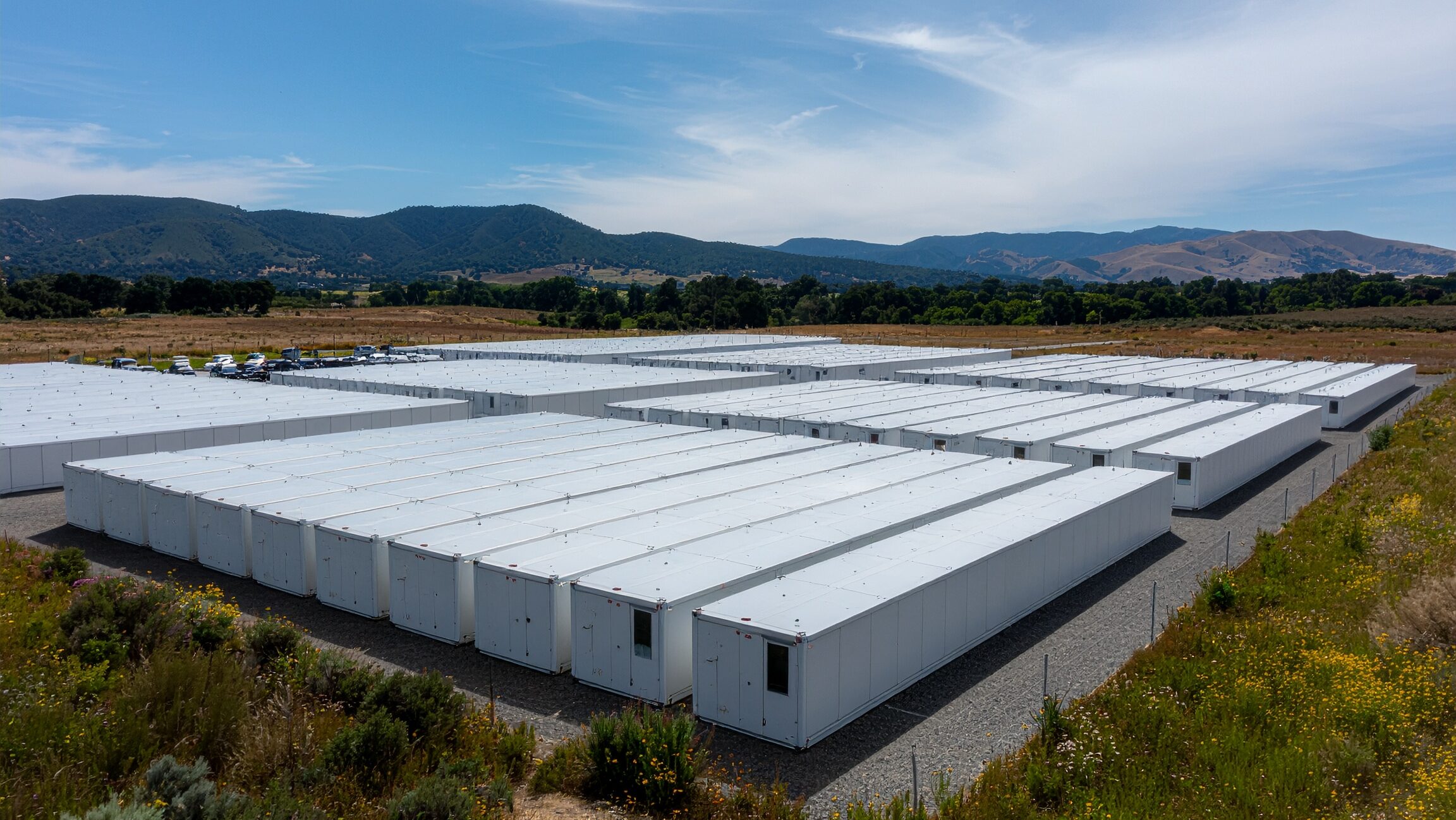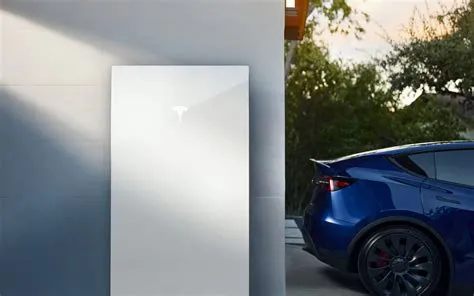
Electric vehicles have traditionally had a one-way relationship with the home: electricity flows from your house into your vehicle.
Tesla Powershare changes that.
Powershare enables compatible Tesla vehicles to send stored battery energy back out of the vehicle. That energy can be used for a variety of purposes, including helping power your home during a utility outage, according to Tesla and its Powershare installation manual.
For homeowners with solar and battery storage, the opportunity becomes even more interesting. Powershare can bring your Tesla vehicle, Powerwall 3, home charging and solar system together as a connected home energy system.
Here’s what Baker Home Energy wants Southern California homeowners to know about Tesla Powershare, including which vehicles are compatible, what equipment is required and how solar can potentially extend backup even further.
What Tesla Powershare Means for Homeowners
Powershare is Tesla’s bidirectional power technology.
Normally, electricity flows into your vehicle to charge its battery. Powershare allows a compatible Tesla to supply it’s electricity to your home and possibly beyond. According to Tesla, it can be used to power a home, appliances and tools, or even another electric vehicle and possibly the grid depending on the configuration and timeline.
For homeowners, one of the most compelling applications is Powershare Home Backup.
During a utility outage, a properly configured Powershare system can use energy stored in a compatible Tesla vehicle to help provide electricity to the home. Tesla’s Powershare Home Backup system detects an outage and can begin providing backup when the compatible vehicle is plugged into the appropriate Wall Connector.
That effectively turns the large battery already sitting in the driveway into another potential home energy resource.
Tesla Powershare Expands Beyond Cybertruck
Powershare originally debuted with Cybertruck. Tesla has now expanded Powershare capability to Model 3 and Model Y.
According to Tesla, Powershare is currently available for:
- All Cybertruck vehicles
- New Model 3 vehicles ordered October 1, 2026 or later
- New Model Y vehicles ordered October 1, 2026 or later
Tesla’s technical documentation specifies that all Model 3 and Model Y vehicles ordered in the U.S. and Puerto Rico after October 1, 2026 are Powershare capable when paired with a Powerwall system. Some earlier Model 3 and Model Y vehicles may also support Powershare.
If you own an earlier vehicle, Tesla recommends checking compatibility directly from the touchscreen:
Software → Additional Vehicle Info → Powershare Support
If the vehicle displays “Powershare Support: Enabled,” the vehicle supports Powershare, according to Tesla.
What You Need for Powershare Home Backup
The equipment required depends on the Tesla you drive and the home energy system installed at your property.
Model 3 and Model Y
For Powershare Home Backup available today, Tesla’s current technical documentation identifies the configuration as:
Powershare-compatible Model 3 or Model Y + Powerwall 3 + Universal Wall Connector or Gen 3 Wall Connector
Tesla’s technical documentation lists this Powerwall 3 configuration as available now.
The Powerwall and Wall Connector must also be connected to the same Wi-Fi network, registered to the same Tesla site and paired together, according to Tesla’s Powershare support page.
What About Powerwall 2 or Powerwall+?
Tesla’s current technical documentation lists Powershare functionality for Powerwall 2 and Powerwall+ as coming soon, rather than currently available.
That’s an important distinction for homeowners with an existing Tesla battery system. Having a Powerwall does not automatically mean an existing system is Powershare-ready today.
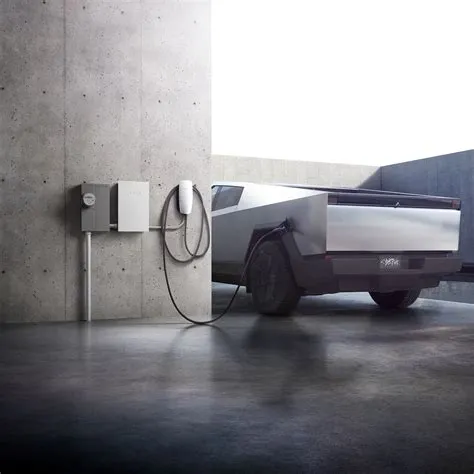
Cybertruck
Cybertruck has another option.
Tesla supports a standalone home-backup configuration using:
Cybertruck + Powershare + Universal Wall Connector
That allows Cybertruck owners to use Powershare Home Backup without Powerwall. Tesla’s standalone Powershare Home Backup Bundle is currently designed specifically for Cybertruck, according to its technical documentation.
How Powershare Works With Powerwall 3
The easiest way to understand Powershare and Powerwall 3 is to look at the job each battery performs.
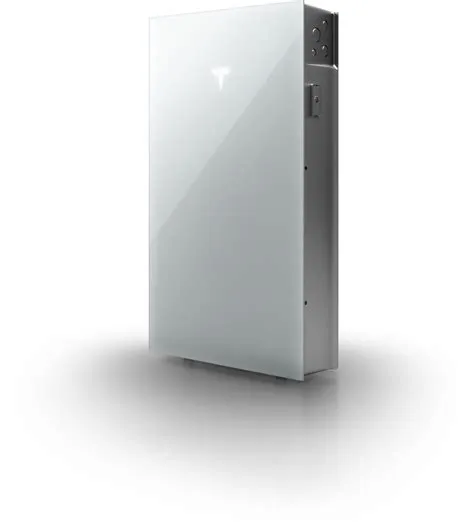
Powerwall 3 is dedicated home energy storage.
It can store energy from solar or the grid and use that energy for functions including solar self-consumption, load shifting and backup operation. A properly configured Powerwall 3 system can provide whole-home or partial-home backup during a grid outage, according to the Powerwall 3 owner’s manual.
Your Tesla vehicle primarily stores energy for transportation.
Powershare allows a compatible vehicle to make some of that stored energy available to the home as well, according to Tesla’s Powershare installation manual.
Instead of viewing Powerwall and your Tesla as unrelated batteries, Powershare allows them to become parts of the same home backup strategy.
How Much Additional Backup Can Your Tesla Provide?
This is where an important distinction needs to be made.
According to Tesla, with Powerwall:
Model 3 and Model Y can extend home backup by more than two days.
Cybertruck can extend home backup by more than three days.
Those figures are additional backup provided by the vehicle, not Tesla’s estimate of the total amount of time that Powerwall plus the vehicle will operate.
Tesla also states that its estimate assumes:
- 30 kWh of home energy consumption per day
- A fully charged vehicle
Actual results vary based on household energy consumption and available vehicle energy.
In other words:
+2 days doesn’t mean your entire Powerwall + Model Y system lasts only two days.
It means Tesla estimates that the fully charged vehicle can add more than two days of backup under its stated energy-use assumptions.
Solar Can Extend Home Backup Even Further
This is where Powershare becomes particularly relevant for solar homeowners.
A battery stores a finite amount of electricity. Solar panels can produce new energy while the grid is unavailable.
According to Tesla, Solar Panels or Solar Roof can support a Powershare system during an outage by providing electricity to power the home, charge Powerwall or charge the Tesla vehicle.
That means solar changes the backup equation.
Rather than relying solely on the energy that was stored in Powerwall and your vehicle at the moment an outage began, available solar production can contribute energy to the home’s system.
A simplified way to think about it is:
Solar produces energy → the home consumes energy → Powerwall and the vehicle provide stored energy when solar isn’t sufficient
Consequently, there isn’t one universal answer to:
“How long will my house stay powered?”
Actual backup duration depends on factors including:
- Household electricity consumption
- Available vehicle battery charge
- Powerwall state of charge
- Solar production
- Weather and sunlight conditions
- Which household loads are backed up
- How much vehicle energy the homeowner elects to make available
Tesla specifically notes that home energy needs determine what and how much can be backed up.
For a solar homeowner, that can make system design just as important as battery capacity.
Managing Vehicle Range During an Outage
There is another key difference between energy stored in Powerwall and energy stored in your car.
Your Tesla still needs to be available for transportation.
Using Powershare transfers energy from the vehicle battery to the home. Homeowners therefore need to balance two priorities:
How much energy should be available to the house?
and
How much battery should remain available for driving?
Tesla provides controls that allow Powershare users to manage vehicle discharge rather than treating the entire EV battery as home storage.
This becomes especially relevant during an extended outage when both home energy and transportation could be important.
How Solar, Powerwall 3 and Powershare Work Together
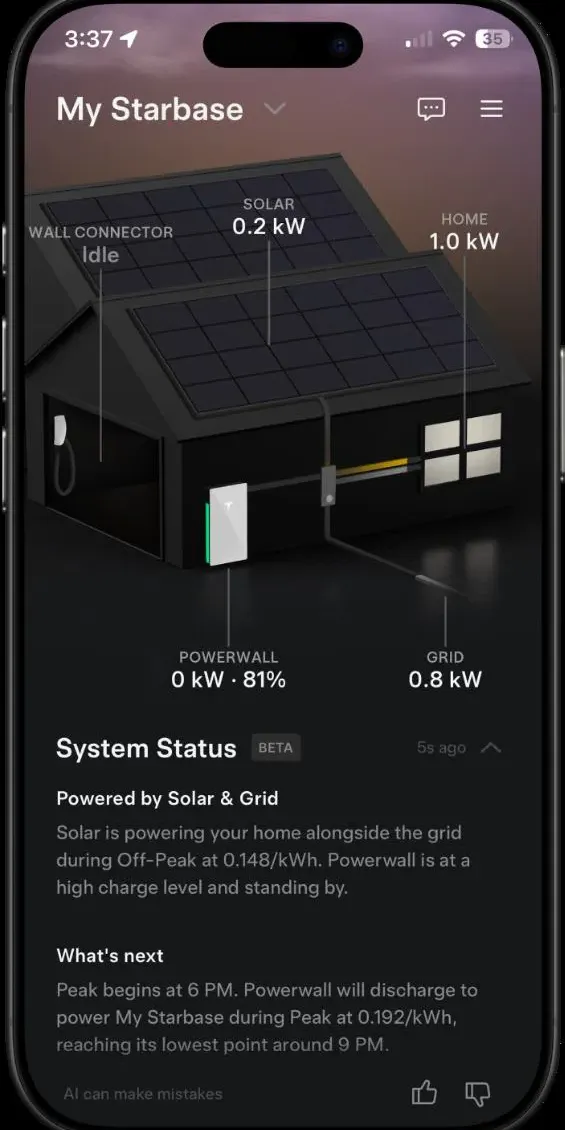
For homeowners considering a complete energy system, it helps to think about each component as performing a specific job.
Solar
Produces energy
Solar panels generate electricity that can be used by the home and Tesla energy system.
Powerwall 3
Stores energy for the home
Powerwall 3 stores electricity from solar or the grid and can provide energy when solar production is insufficient or when utility power is unavailable, according to the Powerwall 3 owner’s manual.
Wall Connector
Connects the vehicle
A compatible Tesla Wall Connector provides the connection required for Powershare Home Backup with Powerwall, per Tesla’s technical documentation.
Tesla + Powershare
Adds another source of stored energy
A Powershare-compatible Tesla can contribute energy stored in the vehicle battery to extend home backup.
Put together:
Solar → Home + Powerwall 3 → Wall Connector → Tesla + Powershare
Rather than treating solar, home battery storage and EV charging as three unrelated purchases, homeowners can increasingly consider how the entire energy system should work together.
Planning a Powershare System Around Your Home
Powershare isn’t just a question of whether your Tesla has the feature.
The home needs the right equipment and system design.
Before making a recommendation, several things should be evaluated:
- Which Tesla you own
- Whether the vehicle supports Powershare
- Whether you already have solar
- Your existing Powerwall generation
- Your current Tesla Wall Connector
- Household electricity consumption
- Which loads you want backed up
- Available electrical infrastructure
- How much vehicle range you want to preserve during an outage
Tesla notes that whole-home and partial-home backup configurations differ based on the home’s existing energy system and the loads the homeowner wants to support.
The goal shouldn’t be to install the largest amount of battery storage possible.
It should be to design a system around how your household actually uses energy and what you want to happen when the grid goes down.
Why Powershare Changes the Home Energy Conversation
For years, the vehicle sitting in your driveway represented another electrical load your home needed to supply.
Powershare begins changing that relationship.
A compatible Tesla can now become another potential source of stored energy for your home.
And for solar homeowners, that energy doesn’t necessarily operate in isolation. During an outage, solar can contribute available energy to the Tesla energy system, while Powerwall provides dedicated home storage and the vehicle adds another reservoir of stored energy, according to Tesla.
That’s a much bigger story than using your car as a battery.
It’s about designing solar generation, battery storage, EV charging and backup power as one connected home energy system.
Tesla Powershare Frequently Asked Questions
What is Tesla Powershare?
Tesla Powershare is bidirectional power technology that allows compatible Tesla vehicles to provide stored battery energy for uses outside the vehicle, including home backup with compatible equipment, according to Tesla and its Powershare installation manual.
Which Tesla vehicles support Powershare?
Tesla currently says Powershare is available to all Cybertruck vehicles and new Model 3 and Model Y vehicles ordered October 1, 2026 or later, according to its Powershare page and technical documentation. Some earlier Model 3 and Model Y vehicles may also be compatible.
Can a Tesla Model Y power a house?
A Powershare-compatible Model Y can provide stored vehicle energy to a compatible Powerwall home-backup system. Tesla says a fully charged compatible Model Y can extend Powerwall backup by more than two days based on 30 kWh of daily household consumption. Actual results vary, according to Tesla.
Can a Tesla Model 3 power a house?
A Powershare-compatible Model 3 can provide stored energy to a compatible Powerwall home-backup system. Tesla estimates more than two additional days of backup from a fully charged compatible vehicle based on its stated 30 kWh-per-day assumption, according to Tesla.
Is Powerwall 3 required for Powershare?
For currently available Model 3 and Model Y Powershare Home Backup configurations, Tesla’s technical documentation specifies Powerwall 3 with a Universal or Gen 3 Wall Connector. Tesla lists Powerwall 2 and Powerwall+ Powershare functionality as coming soon.
Cybertruck also supports a configuration without Powerwall using a Powershare Home Backup Bundle and Universal Wall Connector.
Do I need a Tesla Wall Connector for Powershare Home Backup?
Yes. Tesla’s currently documented Powerwall configuration specifies either a Universal Wall Connector or Gen 3 Wall Connector. Tesla’s standalone Cybertruck configuration uses a Universal Wall Connector with Powershare.
Does solar extend Powershare backup?
Solar can contribute energy during an outage. According to Tesla, Solar Panels or Solar Roof can provide power to the home, charge Powerwall or charge the Tesla vehicle during an outage, which can support the overall backup system. Actual backup duration depends on solar production and household energy consumption, among other factors.
Does Powershare replace Powerwall?
They serve different purposes. Powerwall provides dedicated stationary home energy storage, while Powershare enables a compatible Tesla vehicle to provide stored energy outside the vehicle. Tesla specifically describes compatible vehicles as extending Powerwall backup duration, per the Powerwall 3 owner’s manual.
Build a Home Energy System Around Your Needs
Powershare gives Southern California homeowners another reason to think about solar, battery storage and EV charging together.
A properly designed system can bring together:
Solar generation. Powerwall 3 storage. Tesla home charging. Powershare vehicle backup.
Exactly what that system should look like depends on your home, electricity consumption, existing equipment and backup goals.
Baker Home Energy can evaluate your existing solar, electrical, Powerwall and EV-charging equipment and, drawing on its in-house expertise, help determine the right home energy configuration built to serve your home for the long haul.
Power. Comfort. Better Living.