(4 Minute Read)
SDG&E’s New Daytime “Super Off‑Peak” Hours: What It Means for Your Energy Bill.
San Diego Gas & Electric (SDG&E) just announced a significant change to its time‑of‑use rates — and for many homeowners, it creates new, practical ways to lower monthly energy bills.
Starting April 1, SDG&E expanded its lowest‑priced electricity period, called “super off‑peak,” to include weekday daytime hours from 10:00 a.m. to 2:00 p.m., year‑round. Until now, those cheaper rates only applied in the spring.
So what does this change mean for your home, and how can you make it work for you? Let’s break it down — especially why installing a home battery is becoming more and more important with these changes.
What Are Super Off‑Peak Hours?
If you’re on an SDG&E time‑of‑use plan, the amount you pay for electricity depends on the time of day.
- Peak hours (typically 4–9 p.m.) are the most expensive
- Off‑peak hours are moderately priced
- Super off‑peak hours are the cheapest electricity of the day
With SDG&E’s update, super off‑peak hours now include:
- Weekdays: 10 a.m. – 2 p.m. (new, year‑round)
- Weekdays overnight: 12 a.m. – 6 a.m.
- Weekends and holidays: 12 a.m. – 2 p.m.
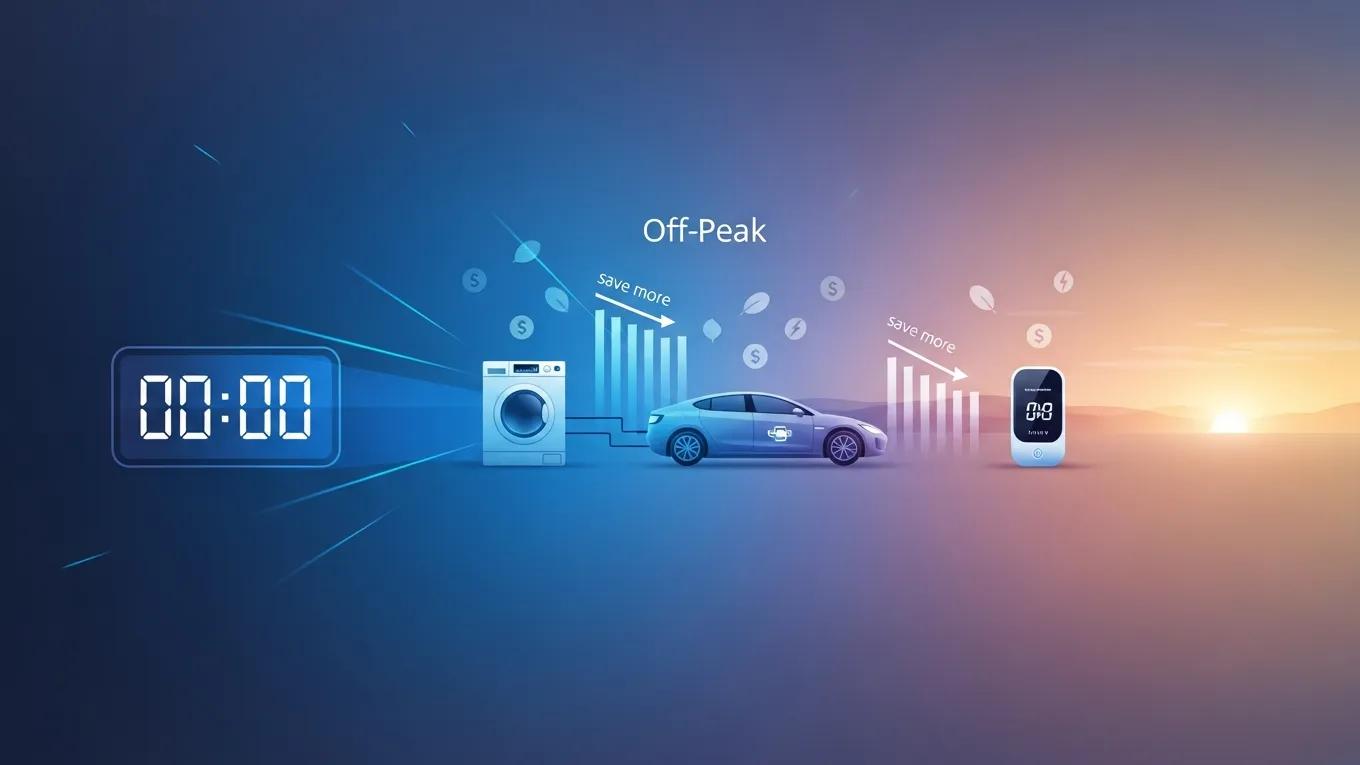
The goal is simple: encourage electricity use when clean, solar‑generated power is abundant — midday — which helps the grid and can lower costs. This shift also highlights the growing importance of home battery storage, which allows you to store energy during these super off-peak hours and use it during more expensive times.
Why SDG&E Is Making This Change
California produces a lot of solar energy during daylight hours, while demand still spikes in the evening when people come home and run appliances, heating, and cooling.
By lowering daytime rates, SDG&E is signaling that using electricity earlier in the day reduces grid strain and can cost less. For homeowners, that creates clear opportunities to shift usage and save. Installing a home battery becomes increasingly valuable because it lets you capture and store this cheaper daytime energy for use during costly peak hours.
How This Impacts Baker Home Energy Customers
Solar Customers
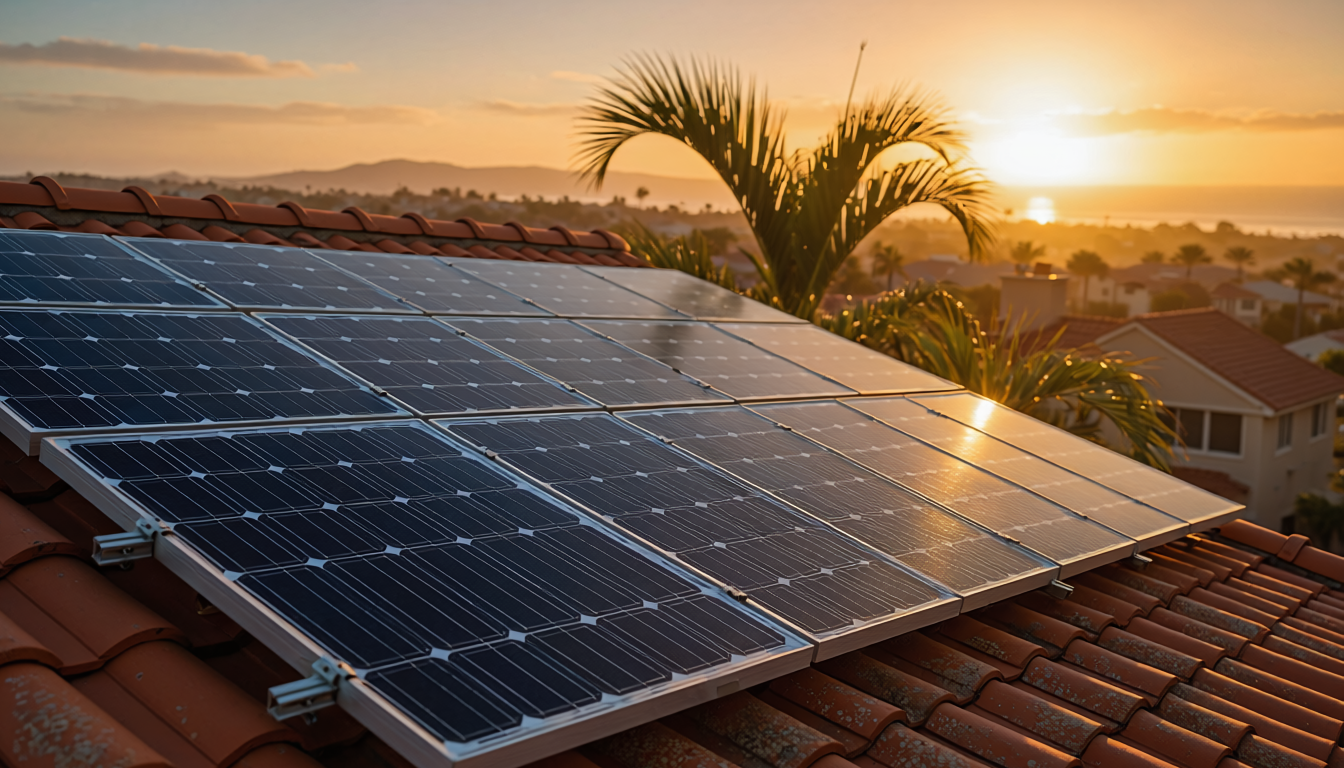
If you have solar panels, this change lines up with when your system makes the most energy.
- Midday electricity is now cheaper to draw from the grid if you need it
- Running appliances during the day helps you capture more of your solar production
- The value of using your own energy instead of exporting it is stronger than ever
- Adding a home battery enhances your ability to store excess solar energy during super off-peak hours and use it later, maximizing savings and energy independence
For customers on newer solar billing plans, smart energy management and battery storage become even more important.
Battery Storage Customers
This is a major win.
With a battery, you can:
- Charge during low‑cost daytime hours
- Run your home from stored energy during costly evening peaks
- Rely less on high‑priced grid power
- Increase your control over energy use and maximize savings as super off-peak hours expand
If you already have solar, adding or upgrading a battery gives you more control and bigger savings potential, making it an essential part of adapting to these new rate structures.
EV and Electrified Homeowners
If you own an electric vehicle or use electric appliances, daytime super off‑peak hours add valuable flexibility.
Running energy‑intensive equipment like:
- EV chargers
- Heat pump water heaters
- Pool pumps
- Laundry and dishwashers
during the middle of the day can cut your costs compared with evening use. Pairing these with a home battery allows you to store energy during super off-peak hours and use it to charge or run appliances even when the sun isn’t shining, further increasing savings and convenience.
Heating and Air Conditioning
Pre‑cooling or pre‑heating your home earlier in the day — especially with a smart thermostat — can reduce how much energy you need during expensive peak hours. A home battery can store energy during super off-peak times to power heating and cooling systems later, reducing reliance on costly grid power.
What This Change Does Not Do
It’s important to set expectations:
- Evening peak rates (4–9 p.m.) remain the highest
- Savings depend on your specific rate plan and your ability to shift usage
- Not every SDG&E plan includes super off‑peak pricing
- Without a home battery, it can be harder to fully capitalize on these new super off-peak hours, especially during evening peaks
That’s why personalized guidance and considering a home battery installation matter more than ever.
How Baker Home Energy Can Help
This SDG&E update reinforces what we help homeowners do every day: use energy smarter, not harder.
Our team can help you:
- Understand your current rate plan
- Optimize solar production and usage
- Add or upgrade battery storage to maximize benefits from super off-peak hours
- Install EV chargers, heat pumps, or smart controls
- Reduce exposure to rising utility rates
Home Battery Backup for NEM 2 Customers Without a Battery
For customers on SDG&E’s NEM 2 solar billing plan who do not yet have a home battery, Baker Home Energy offers tailored battery backup solutions designed to enhance your energy independence and savings.
Our home battery backup systems allow you to store excess solar energy generated during the expanded super off-peak hours (10 a.m. to 2 p.m.) and use it during peak evening hours when electricity rates are highest. This capability is especially valuable for NEM 2 customers, as it helps reduce reliance on grid power during costly times and maximizes the value of your solar investment.
With Baker’s battery backup, you gain:
- Energy resilience: Keep your home powered during outages with stored energy
- Cost savings: Shift your energy use to avoid high peak rates by using stored solar energy
- Increased self-consumption: Use more of the solar energy you produce instead of exporting it at lower rates
- Seamless integration: Our systems work smoothly with your existing solar setup and SDG&E’s time-of-use rates
Our experts will assess your home’s energy needs and design a battery backup system that fits your lifestyle and maximizes your savings under the new super off-peak hours. This upgrade is a smart step for NEM 2 customers looking to fully leverage SDG&E’s rate changes and gain greater control over their energy costs.
Bottom line: Adding a home battery backup from Baker Home Energy is a strategic move for NEM 2 customers without batteries, unlocking new savings and energy security in today’s evolving energy landscape.
Frequently Asked Questions
1. How can I determine if I am on a time-of-use plan with SDG&E?
Log into your SDG&E online account or check your latest bill — your rate plan will be listed there. You can also call SDG&E customer service; they can confirm your plan and explain the peak, off‑peak, and super off‑peak tiers.
2. What strategies can I use to maximize savings during super off-peak hours?
Schedule energy‑heavy tasks like laundry, dishwashing, and EV charging during 10 a.m. to 2 p.m. If you have solar, run appliances when your system is producing. Smart home tech — programmable thermostats and timers — can automate these shifts for consistent savings. Installing a home battery allows you to store energy during these hours and use it during expensive peak times, further increasing savings.
3. Are there any specific appliances that should be used during super off-peak hours?
Yes. Energy‑intensive devices like EV chargers, heat pump water heaters, pool pumps, and large appliances such as washing machines and dishwashers are great candidates for midday operation. That lowers your bill and helps balance grid demand. Using a home battery can extend these benefits by storing energy for use outside super off-peak hours.
4. What should I do if my current plan does not include super off-peak pricing?
If your plan doesn’t include super off‑peak pricing, consider reviewing SDG&E’s time‑of‑use options. Contact SDG&E or use their online tools to compare plans and find one that fits your usage patterns and savings goals. Also, explore adding a home battery to maximize flexibility and savings regardless of your plan.
5. How does battery storage enhance the benefits of super off-peak hours?
Battery storage lets you charge during low‑cost daytime hours and use that energy during high‑cost evening peaks. That reduces reliance on expensive grid power, captures more solar value, and improves overall savings and resilience. With the expansion of super off-peak hours, batteries become even more critical for optimizing energy use and cost savings.
6. Can I still save money if I don’t have solar panels or battery storage?
Yes. You can save by shifting usage to super off‑peak hours — running appliances and charging devices midday — and by adopting energy‑efficient habits and devices to lower overall consumption. However, installing a home battery can significantly increase your ability to save by storing cheaper energy for use during peak times.
7. What are the potential drawbacks of the new super off-peak hours?
There are a few limits: evening peak rates are still the highest, so if you can’t shift usage your savings may be limited. Also, not every plan includes super off‑peak pricing, so review your plan to understand how the change affects you. Without a home battery, it can be challenging to fully leverage these new hours, making battery installation an increasingly important consideration.
Additional Resources
U.S. Department of Energy: Electric Vehicles – Information on EV charging and energy management.fits.
California Public Utilities Commission (CPUC) – Regulates utilities including SDG&E and provides information on rate plans and energy policies.
California Energy Commission – Offers resources on energy efficiency, renewable energy, and battery storage technologies.
U.S. Department of Energy: Homeowner’s Guide to Solar Energy – Comprehensive information on solar power and battery storage benefits.