In San Diego, the first heavy rain after months of dry weather has a way of finding every weak point at once: a clogged gutter, a worn roof seal, water pooling near outdoor equipment, or a power outage just as the family settles in for the night.
That is why knowing how to prepare for El Niño matters before the first storm arrives. NOAA says a strong El Niño is likely through fall and winter 2026 to 2027, although no climate pattern guarantees exactly how much rain San Diego will receive or when El Niño will hit San Diego this season. The smart move is to prepare the home for heavy rain, drainage problems, outages, and added strain on roofing and electrical systems, while also understanding what the City of San Diego and local public safety agencies recommend for the community as a whole.
Key Takeaways
- NOAA expects a strong El Niño through fall and winter 2026 to 2027, but local rainfall totals, timing, and individual storms remain uncertain.
- El Niño events typically last around 9 to 12 months and tend to happen every 2 to 7 years, though the pattern is irregular.
- An estimated 15,000 acres within the City of San Diego sit in FEMA-designated flood-hazard areas, and flooding can still occur outside those zones.
- Standard homeowners insurance rarely covers flood damage, and flood insurance typically carries a 30-day waiting period before it takes effect.
- Before the rainy season, inspect the roof, clear gutters and storm drains, and correct places where water can collect near the home.
- Prepare an emergency kit and know local evacuation routes, since preparedness is widely described as everyone’s responsibility rather than something only city departments handle.
- A properly designed solar and battery system can support selected essential circuits during an outage.
- Baker Home Energy can coordinate roofing, battery, electrical, and heating and air needs as one whole-home storm-readiness plan.
What Is El Niño and Why Does It Form in the Pacific Ocean?
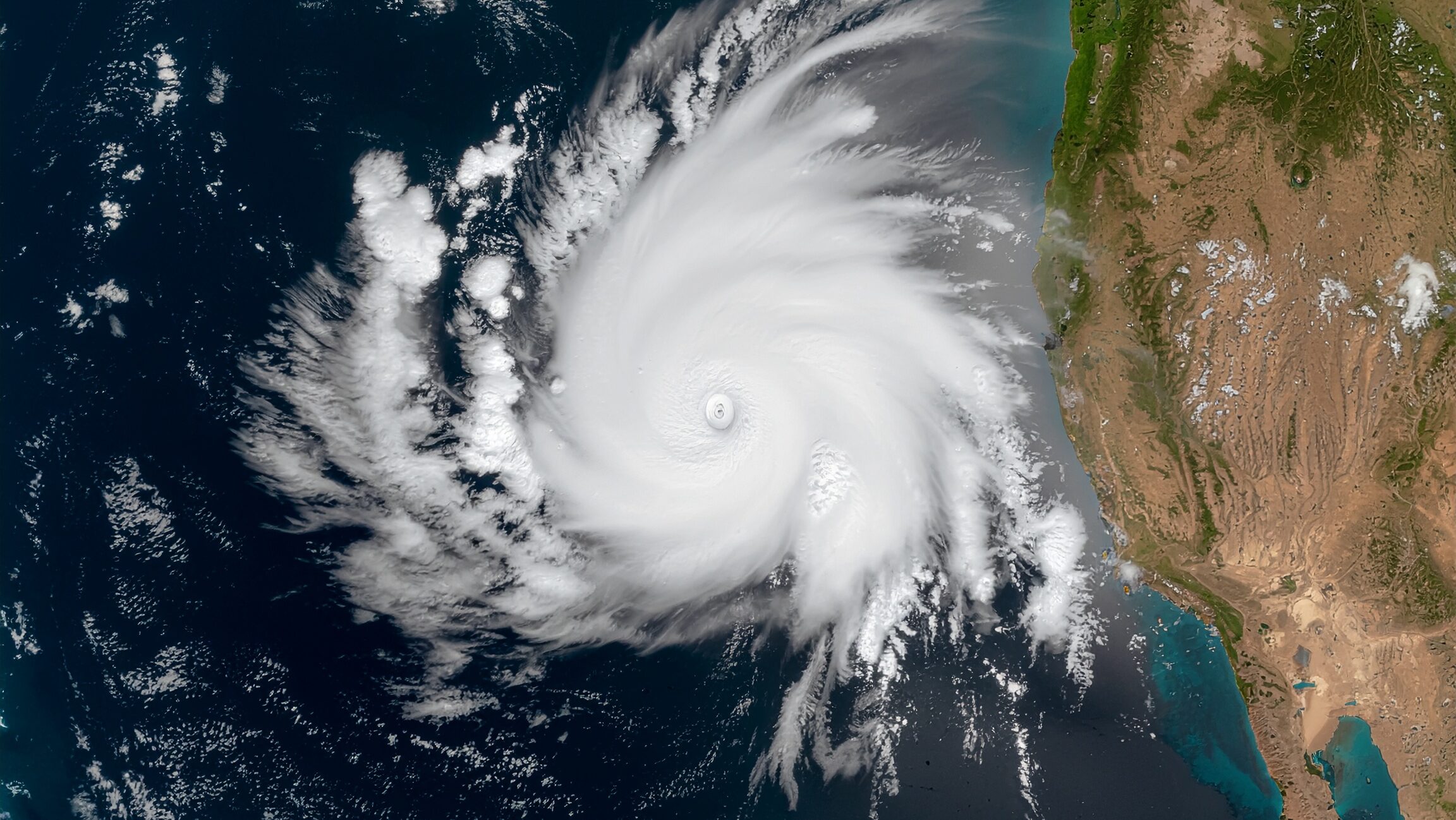
El Niño is part of a larger climate pattern called the El Niño Southern Oscillation, or ENSO, which describes how ocean temperatures and winds shift back and forth across the tropical Pacific Ocean. During El Niño, sea surface temperatures in the central and eastern tropical Pacific warm above average, low level surface winds weaken, and the usual easterly winds along the equator ease or briefly reverse toward the west. That warm water and shifting wind pattern changes weather far beyond the ocean itself, including storm tracks that affect Southern California.
La Niña is the opposite phase, marked by cooler than average ocean temperatures in the same region and typically drier conditions for San Diego. El Niño and La Niña do not follow a fixed schedule. A strong El Niño can be followed by La Niña, by weaker El Niño conditions, or by neither, and the shift between them can happen over a fairly short period.
Agencies including the National Weather Service and the National Oceanic and Atmospheric Administration track these ocean and atmospheric changes and issue the seasonal outlooks that San Diego County residents rely on for planning.
What Makes a Super El Niño?
Not every El Niño reaches the same intensity. When ocean surface temperatures in the central and eastern tropical Pacific climb far enough above average, and the normal easterly winds along the equator weaken enough that westerly winds start blowing in their place, forecasters may classify the event as a super El Niño. A super El Niño occurs less often than a typical El Niño and tends to bring more extreme weather and more significant impacts to the West Coast, including San Diego.
NOAA’s current outlook has not confirmed this event will reach super El Niño strength, but the strong classification already points to more warm water sitting in the tropical Pacific than an average El Niño year. That is one reason forecasters, and homeowners, are watching conditions closely heading into fall.
How Reliable Is the NOAA El Niño Forecast for This Winter?
The NOAA Climate Prediction Center is the best source for the current outlook. Its August 2026 update says El Niño conditions are strengthening, with a high likelihood of a strong event during fall and winter 2026 to 2027. NOAA also cautions that even a strong El Niño does not guarantee specific local impacts, so homeowners should follow seasonal and short-range forecasts as winter approaches rather than relying on a single seasonal headline.
When Will El Niño Hit San Diego in 2026?
For El Niño San Diego 2026, the strongest effects are expected to build through the fall and carry into winter, with NOAA’s outlook pointing to fall and winter 2026 to 2027 as the peak window. Exact storm timing is harder to pin down than the season itself, which is why homeowners asking when El Niño is coming to San Diego should treat the whole fall and winter stretch as the preparation window rather than waiting on a single forecasted date.
What Should San Diego County Homeowners Expect from El Niño 2026?
San Diego homeowners should be ready for periods of heavy rain, atmospheric rivers, localized flooding, downed trees, roof leaks, and power interruptions. El Niño winters have historically brought stronger winter storms to San Diego County, though the severity and timing of any single storm season still vary. The most useful preparation is not trying to predict one dramatic storm; it is correcting known weak points before several wet systems arrive close together.
Baker Home Energy takes a whole-home approach to storm readiness. Roofing, solar and battery storage, electrical systems, and heating and air conditioning all interact, so inspecting them together can reveal problems that a single-service visit may miss.
Consider these storm-season priorities before the rain arrives:
- Confirm backup power readiness for extended outages
- Inspect drainage and roofing systems for vulnerabilities
- Schedule electrical evaluations ahead of peak storm months
Where Is San Diego Most at Risk During El Niño?
El Niño does not affect every San Diego neighborhood the same way. Some areas face a higher risk of flooding because of their location near creeks, canyons, or the coast, while others deal more with drainage and runoff during heavy rains.
Low-lying and canyon-adjacent areas such as Sorrento Valley and neighborhoods near Chollas Creek have a history of localized flooding during heavy rain events, and city officials have pointed to an estimated 15,000 acres within San Diego that fall inside FEMA-designated flood-hazard areas. Flooding is not limited to those mapped zones, though. Heavy rainfall and clogged storm drains can cause water to back up in unexpected places, which is part of why the city’s stormwater department encourages residents to help keep storm drains near their property clear of leaves and debris.
Along the coast, larger waves and heavy rainfall associated with El Niño can accelerate beach erosion, with communities like Del Mar and Encinitas particularly exposed to coastal flooding and bluff erosion during active storm seasons.
Practical steps for flood-prone and coastal properties include:
- Locating the nearest storm drains and keeping the area around them clear
- Checking whether your property falls within a FEMA flood-hazard area
- Watching for standing water or drainage issues after normal rainfall, not just during major storms
Is Your Roof Ready for the First Heavy Rain?
San Diego’s long dry season can conceal small roof problems until sustained rain arrives. Cracked sealant, damaged flashing, worn underlayment, clogged gutters, and poorly draining low-slope areas can turn into leaks once water has time to collect.
A roof inspection should focus on the places water is most likely to enter or pool: penetrations, vents, chimneys, skylights, flashing, gutters, downspouts, and transitions between roof surfaces. If the home has solar, the inspection should also account for panel attachments and wiring.
Schedule the inspection while the weather is still dry. Once storms begin, contractor calendars fill quickly and a planned repair can become an emergency leak call.
Who Handles Storm-Readiness Roof Checks Across California?
Baker provides roof inspections, repairs, and reroofing and understands how roofing work must coordinate with an existing or planned solar system. That makes it easier to address the roof and energy system as one project instead of handing the home between unrelated contractors.
A thorough pre-storm check typically covers:
- Flashing and seal integrity around chimneys, vents, and skylights
- Underlayment condition after extended dry-season exposure
- Gutter clearance and drainage flow
- Low-slope areas prone to pooling
Can Solar and Battery Backup Keep Power On?
A properly configured solar and battery system can keep selected essential circuits powered when the grid goes down. Depending on the system design and available stored energy, that may include refrigeration, lighting, internet equipment, outlets, or certain medical devices. Runtime depends on battery capacity, solar production, and how much electricity the household uses.
Eligible San Diego Community Power customers may qualify for upfront rebates and performance incentives through the Solar Battery Savings program. Program funding, eligibility, equipment requirements, and incentive amounts can change, so homeowners should review current terms before purchasing a system.
Baker uses trained in-house installation teams and manages system design, permitting, installation, testing, and homeowner education. That gives homeowners one accountable local partner from the first energy assessment through activation.
Is Tesla Powerwall a Reliable Option for California Homes?
Tesla Powerwall can be a strong option for many homes, but product choice should follow the home’s energy use, backup priorities, electrical system, existing solar, and available installation space. Baker evaluates those factors before recommending Powerwall or another battery platform.
Storm prep for California roofs and power systems typically includes:
- Inspection of roof leaks, flashing, and underlayment
- Gutter clearing and drainage checks
- Evaluation of solar-ready roofing options
- Powerwall battery planning before rainfall causes damage
Will Your Heating and Air System Be Ready for Wet Weather?
Rain itself does not automatically damage a heating and air conditioning system, but standing water, clogged drainage, debris around an outdoor unit, electrical problems, and power interruptions can create trouble. Before storm season, verify that the equipment has clear drainage, the outdoor unit sits above areas that collect water, and any known electrical or maintenance issues are addressed.
Baker installs, maintains, and repairs heating and air conditioning systems across San Diego County. A pre-season check can identify worn components, drainage concerns, airflow problems, or electrical issues before the system is needed during a cold, wet stretch.
How Should Homeowners Prep Heating and Air Before a Storm Hits?
A few practical steps reduce the odds of a mid-storm breakdown:
- Schedule an inspection of heating and cooling systems ahead of the rainy season.
- Clear debris from outdoor units before storms arrive.
- Confirm devices and phones stay charged, since periods of possible outages are common during active storm seasons.
- Keep contact information for a repair provider on hand, rather than searching during an emergency.
Wet weather can expose existing problems, but El Niño does not automatically mean every system will fail. The goal of maintenance is to address small issues while conditions are dry and service appointments are easier to schedule.
How Do You Build a Storm Prep Plan?
A useful storm plan covers people first, then the property. City officials and local public safety agencies frequently describe storm readiness as everyone’s responsibility, not just something handled by city departments or emergency services alone. Signing up for local emergency alerts, knowing evacuation routes, and preparing an emergency kit are steps every household can take regardless of whether their property sits in a mapped flood zone.
San Diegans can find additional resources through the city’s Office of Emergency Services and the National Weather Service as storm season approaches, including current flood-prone area maps and evacuation route information.
Is Tesla Powerwall a reliable option for California homes?
Tesla Powerwall can be a strong option for many homes, but product choice should follow the home’s energy use, backup priorities, electrical system, existing solar, and available installation space. Baker evaluates those factors before recommending Powerwall or another battery platform.
Storm prep for California roofs and power systems typically includes:
- Inspection of roof leaks, flashing, and underlayment
- Gutter clearing and drainage checks
- Evaluation of solar-ready roofing options
- Powerwall battery planning before rainfall causes damage
What Should Go in an Emergency Kit?
Keep at least three days’ worth of water, nonperishable food, medications, first-aid supplies, flashlights, batteries, a phone-charging method, cash, and copies of important documents in a waterproof container. Never walk or drive through floodwater; six inches of moving water can knock a person down and one foot can sweep a vehicle away.
Does Storm Risk Only Affect Homes Farther North or Near the Coast?
No. Heavy rain can overwhelm storm drains, expose roof leaks, and interrupt power in coastal, inland, hillside, and low-lying neighborhoods across San Diego County. Risk varies by property, so check local flood-prone area maps, observe how water drains around the home, and prepare for the weak points specific to your site rather than assuming risk only runs in one direction along the coast or inland.
Programs like the city’s Stay Ready San Diego initiative and the region’s El Niño Working Group exist to help coordinate this kind of preparation across communities, and homeowners can use those resources alongside their own property-specific plan.
A complete plan pairs emergency supplies with a whole-home readiness check:
- Confirm flashlights, batteries, cash, and first aid supplies are stocked and accessible.
- Know your evacuation routes and sign up for local emergency alerts.
- Inspect roofing, gutters, and storm drains before the rainy season begins.
- Plan for backup power to keep essentials running through an outage.
How Baker Can Help
Storm readiness is easier when the roof, drainage, electrical system, heating and air equipment, solar, and battery backup are evaluated together. Baker Home Energy can identify the home’s biggest vulnerabilities, prioritize the work, and coordinate professional solutions before the first major storm arrives.
Schedule a whole-home storm-readiness assessment to review roofing, backup power, electrical needs, and heating and air conditioning before winter weather puts them to the test.
FAQs
Most El Niño events last around 9 to 12 months, though some run longer depending on ocean and atmospheric conditions. That means the effects San Diego homeowners plan for typically span an entire fall and winter season rather than a single storm event, which is part of why early preparation matters more than reacting to one forecast.
El Niño tends to occur every 2 to 7 years, though the pattern is irregular and strength varies from one event to the next. Because timing between events is unpredictable, homeowners are better served by keeping roofing, drainage, and backup power in good shape year over year rather than waiting for the next official forecast.
El Niño increases the likelihood of heavier rain, atmospheric rivers, and stronger storm systems across Southern California, though local impacts still vary by neighborhood and individual storm. For San Diego homes specifically, that typically translates into more strain on roofing, gutters, storm drains, and electrical systems that have had months of dry weather with little demand placed on them.
El Niño involves warmer than average sea surface temperatures in the central and eastern tropical Pacific, which tends to bring wetter winters to Southern California. La Niña is the reverse pattern, with cooler ocean temperatures that typically lead to drier conditions in the region. Both patterns can shift from one to the other over time, so homeowners should expect San Diego’s weather outlook to change from year to year rather than staying fixed.
Flood insurance is not automatically included in most homeowners policies, and flooding can occur even outside FEMA-designated flood-hazard areas during a strong El Niño season. Because flood policies commonly carry a 30-day waiting period, reviewing coverage early in the season gives homeowners more protection than waiting until a storm is already forecasted.
Savings depend on the home’s energy use, system size, roof and electrical setup, and available incentives, so Baker does not quote a number without a home assessment first. A Baker energy consultation looks at actual usage and goals so any savings estimate reflects the specific home rather than a generic average.
Yes. Baker installs, maintains, and repairs heating and air conditioning systems alongside roofing, solar, battery storage, and electrical work. That means storm readiness across every major home system can be coordinated through one local team instead of several separate contractors.
Baker uses trained in-house teams for installation rather than subcontractors. That keeps quality consistent and gives homeowners one accountable point of contact from the initial design through final activation.