Estimated Read Time: 5 Minutes
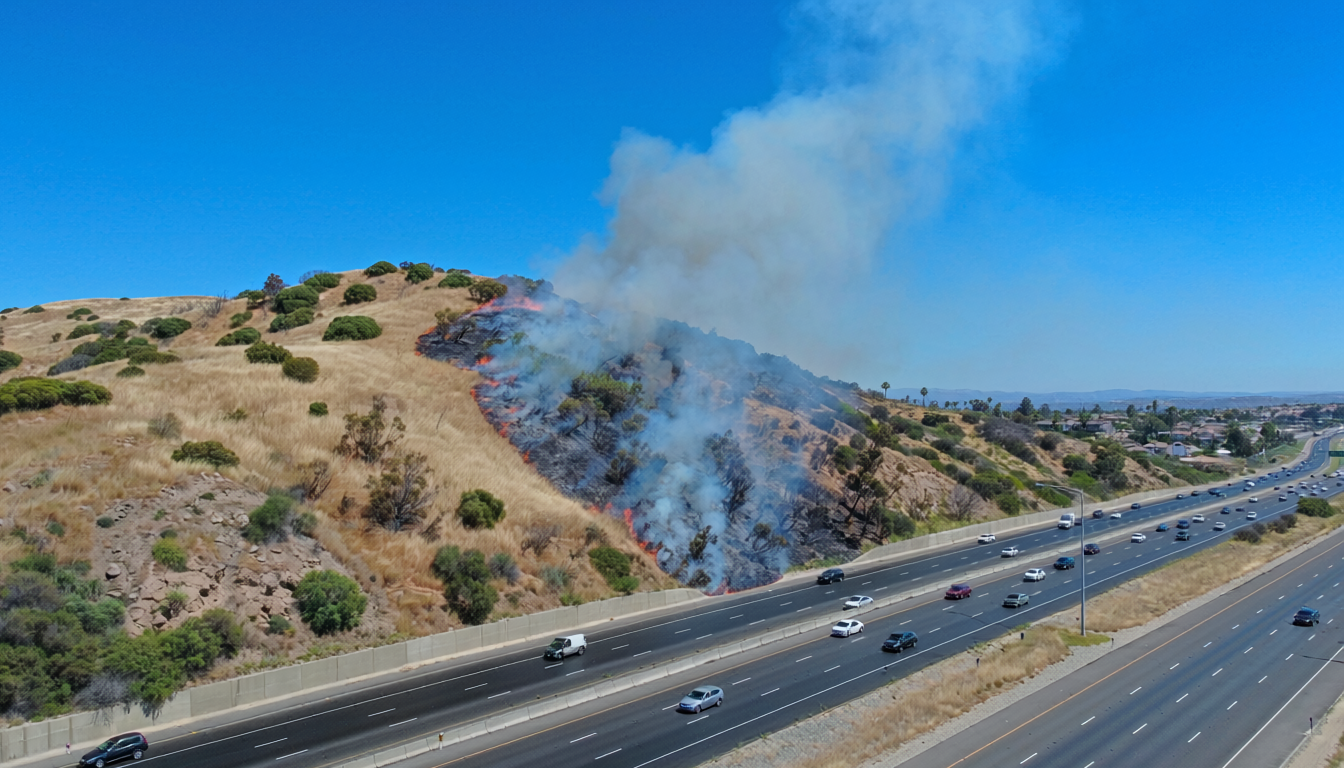
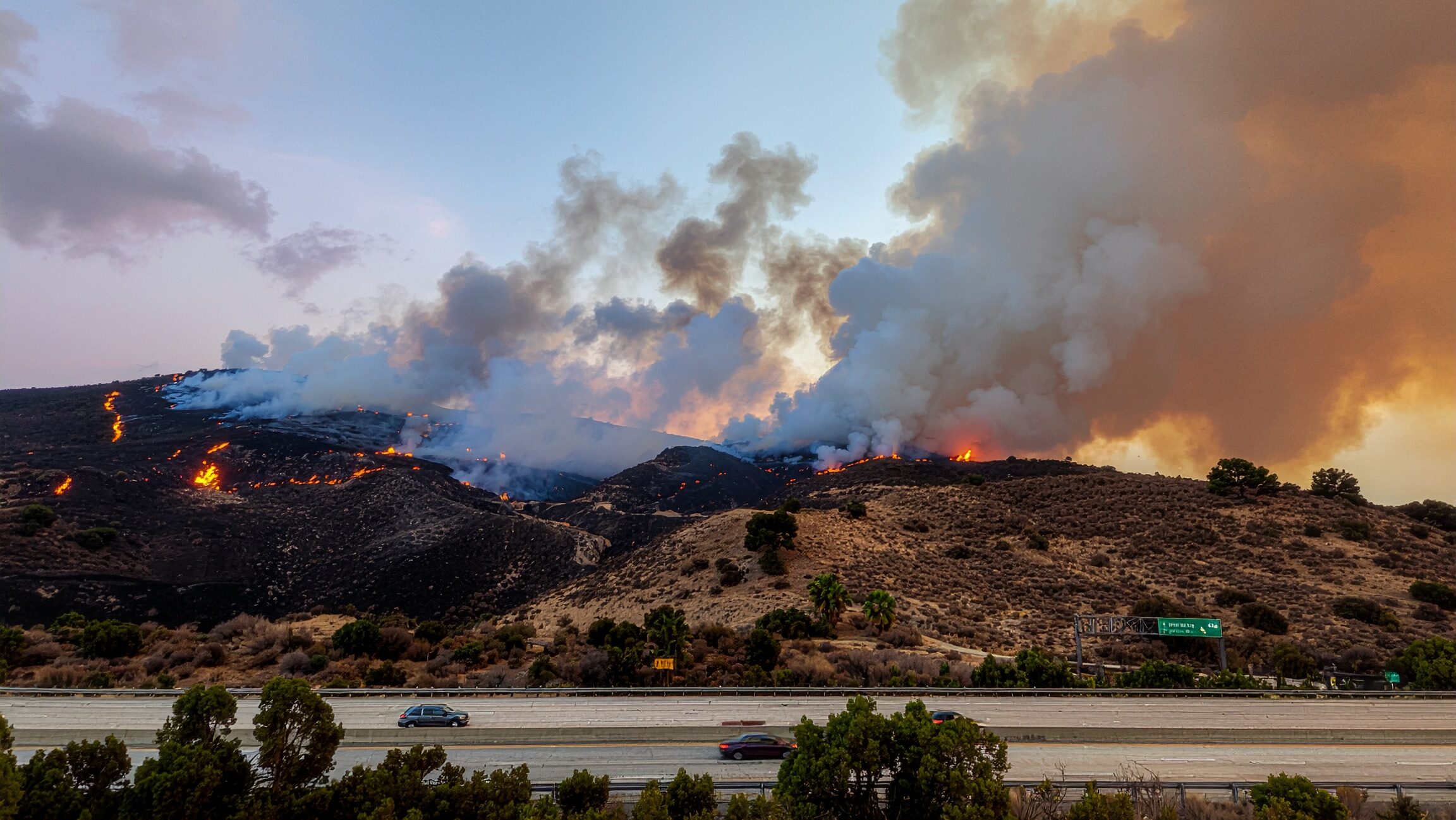
In San Diego, wildfire season does not always announce itself with smoke on the horizon. Sometimes the first warning is a Red Flag alert, hot dry wind rattling the trees, or a notice that power may be shut off for safety. September is when those risks begin to overlap.
By late summer, vegetation is dry, heat has lingered for months, and Santa Ana winds can begin. For homeowners, preparation means more than clearing brush: it also means knowing how the household will stay informed, preserve food and medicine, and keep essential devices powered if the grid goes down.
Key Takeaways
- September marks the beginning of the Santa Ana wind season, when very dry offshore winds can rapidly spread fire.
- Wildfire risk is not limited to one month, but late-summer dryness and early fall winds make September an important time to prepare.
- Public Safety Power Shutoffs may be used during dangerous weather to reduce the chance of electrical equipment starting a fire.
- Defensible space, emergency alerts, and an evacuation plan come first; a properly designed home battery can support selected essentials during an outage.
- Baker Home Energy can help homeowners evaluate solar and battery backup based on their energy use and outage priorities.
Why Does Fire Danger Peak in September in San Diego?
September is a transition month. After months of heat and little rain, grasses and brush are dry. At the same time, Santa Ana winds can begin; the National Weather Service says these winds are most common from September through May and can spread flames quickly because they are both strong and dry.
That does not mean every September day is dangerous or that wildfire risk ends when the month does. It means September is the right time to shift from “we should prepare” to “we are prepared”, before a wind event, evacuation warning, or outage interrupts normal life.
Is Wildfire Risk Really Unavoidable in California?
Wildfire risk cannot be eliminated, but homeowners can reduce exposure and improve readiness. Sign up for AlertSanDiego, create an evacuation plan, prepare a go bag, and follow current guidance from CAL FIRE’s Ready for Wildfire.
What Does September Fire Risk Mean for Home Energy?
During dangerous fire weather, SDG&E may turn off power to selected circuits as a last-resort safety measure. These Public Safety Power Shutoffs are intended to reduce ignition risk from power lines, but they can leave homes without refrigeration, internet, lighting, and powered medical equipment until conditions are safe and lines are inspected.
How Do Santa Ana Winds Drive Fire Risk?
Santa Ana winds form when dry inland air flows west through Southern California’s mountain passes. As that air descends, it warms, dries further, and can accelerate. The result is a wind that can push embers well ahead of a fire and turn a small ignition into a fast-moving emergency.
Because Santa Ana winds can begin in September, homeowners should not wait for the traditional October and November fire headlines. Check trees and loose outdoor items, review evacuation routes, update emergency contacts, and make an outage plan before the first strong wind event.
What Do Power Outages Look Like in California?
Not every outage is caused by a nearby fire. SDG&E may shut off power when forecasts show dangerous wind and fire conditions around electrical equipment. Restoration can take time because crews must wait for safer weather and inspect lines before reenergizing them.
Why do outages happen even without a nearby fire?
A PSPS is a preventive action, not proof that a wildfire is already burning nearby. That distinction matters: a home can lose power on a clear day simply because wind, dry vegetation, and local grid conditions create an unacceptable ignition risk.
- Update contact information and sign up for SDG&E outage notifications.
- Keep phones, portable batteries, flashlights, and emergency radios charged.
- Plan for refrigeration, medications, internet access, and any electrically powered medical equipment.
- Know which circuits matter most if you are considering backup power.
How Does Battery Backup Keep San Diego Homes Powered?
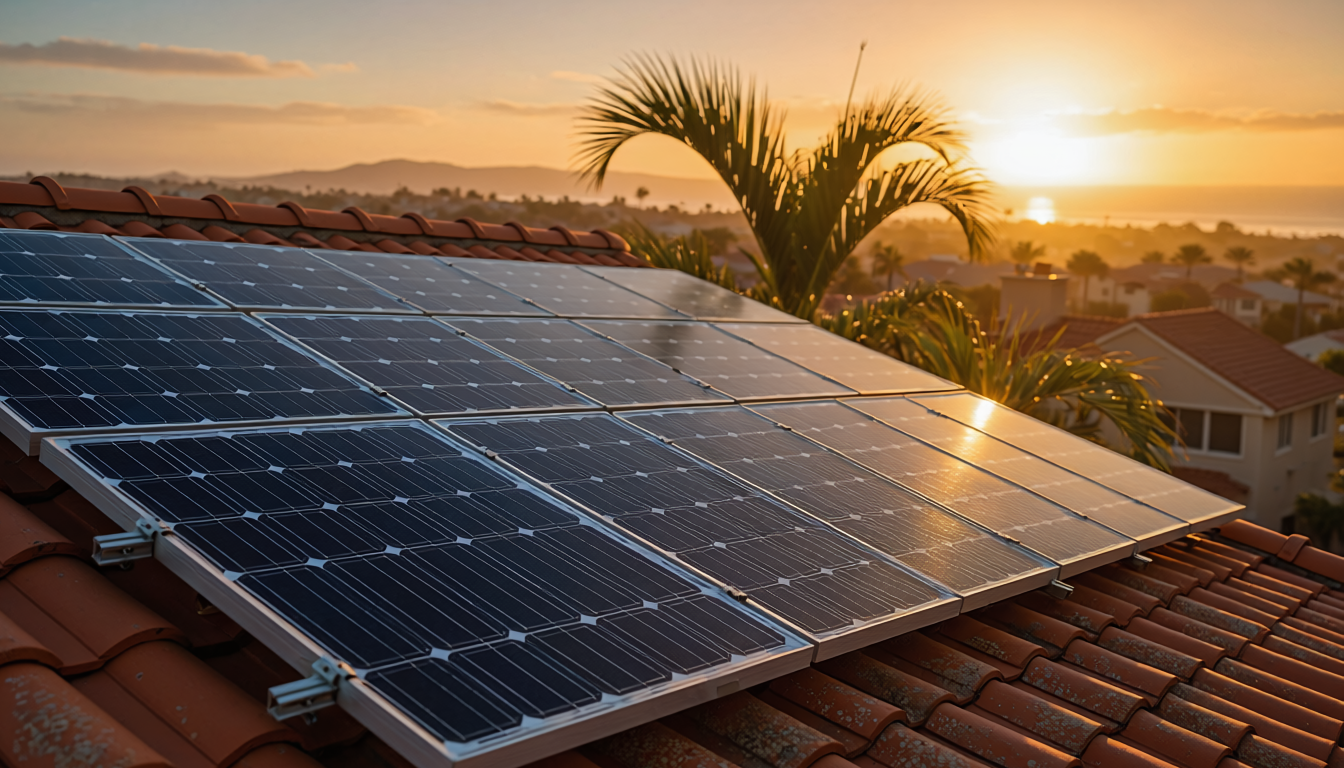
A home battery stores electricity, often excess daytime solar energy, for use later. During an outage, a properly configured system can power selected essentials such as the refrigerator, lights, internet equipment, outlets, or certain medical devices. Runtime depends on battery capacity, available solar production, and which loads are used; one battery does not automatically power an entire home indefinitely.
Eligible San Diego Community Power customers may also qualify for upfront rebates and performance incentives through the Solar Battery Savings program. Program rules, funding, equipment eligibility, and rebate amounts can change, so homeowners should review current terms before purchasing a system.
Why Do San Diego Homes Lose Power So Often?
Public Safety Power Shutoffs are most likely in high fire-risk areas when winds and dry conditions threaten overhead electrical equipment. SDG&E typically refines forecasts and notifies potentially affected customers before a shutoff, then inspects the system before restoring power.
Battery performance starts with good design. Baker evaluates the home’s energy use, available solar production, electrical panel, outage priorities, and desired backup loads before recommending a system. That planning determines whether the system is sized for a refrigerator and communications, a broader group of essentials, or a larger whole-home strategy.
Baker uses trained in-house installation teams and manages system design, permitting, installation, testing, and homeowner education. For San Diego homeowners, that means one local partner is accountable for turning an outage plan into a working backup-power system.
How Should You Prepare Before Fire Season Peaks?
Wildfire readiness starts with life safety. Create an evacuation plan, assemble a go bag, sign up for alerts, and maintain defensible space. Then make a separate plan for how the household will function if electricity is unavailable for hours or longer.
What Is Defensible Space, and Why Does It Matter?
Defensible space is the maintained buffer between a structure and surrounding vegetation. CAL FIRE recommends working outward from the home, with the most intensive fuel reduction closest to buildings and continued vegetation management up to 100 feet or the property line. This can slow fire spread, reduce ember exposure, and give firefighters a safer place to work.
Does Landscaping Choice Actually Affect Fire Risk?
Yes, but plant choice is only part of the strategy. Spacing, pruning, removal of dead material, clean roofs and gutters, and noncombustible materials immediately around the home can be just as important. Follow CAL FIRE’s zone-by-zone guidance and local fire requirements for your property.
How Baker Can Help
Wildfire preparation begins with alerts, evacuation planning, defensible space, and home hardening. Baker can help with the energy-resilience piece by designing a home battery system around the appliances and devices your household wants available during an outage.
Do not wait for a shutoff notice to decide what matters most. Explore Baker’s home battery guidance or request a personalized backup-power assessment for your San Diego home.
FAQ
Fewer fires ignite in September. The ones that do break out prove far more destructive and consume significantly more acreage. Hot, dry conditions combined with strong offshore winds turn small ignitions into fast-moving, hard-to-contain events.
Santa Ana winds blow from inland deserts toward the coast, fanning flames into terrain packed with homes and dry vegetation. These events typically arrive in October and November. Wind patterns have shown up as early as September in recent years.
Sign up for emergency and utility alerts, prepare supplies, know how you will protect food and medications, and identify the circuits you would want to keep running. A properly designed home battery can support selected loads during an outage, and eligible customers may qualify for current San Diego Community Power incentives.