You’ve heard the dirty rumor that indoor air quality can be up to five times worse than outdoor air. Yikes! We’re not here to gossip, but we can confirm it’s true and offer some ways to improve your home’s air.
What is good indoor air quality?
In short, the EPA measures air quality in three main parts:
1. Control of airborne pollutants
These are carbon dioxide, smoke, dust, and gases from household cleaners, air fresheners, pesticides and more. Biological contaminants like mold, bacteria and pollen are included too. Even your furry little friend’s pet dander makes the list!
2. Introduction and distribution of adequate outdoor air
This means you have enough fresh outside air mixing with your indoor air, and enough indoor air moving outside. HVAC systems and natural ventilation make this happen.
3. Maintenance of acceptable temperature and relative humidity
Not just relative to comfort, these two elements affect air quality too. When they get too high, it’s becomes much easier for mold to grow and for chemicals or gases to release at a faster rate.
Why does indoor air quality matter?
You spend a lot of time in your home. That means you breathe plenty of the air your home is circulating, and it may affect your health for better or worse.
Symptoms like allergies, headaches, and asthma triggers are noticeable. But the EPA reports some health effects, like respiratory diseases or cancer, may not show until you’ve suffered years of exposure. Air quality is so important the government sets standards and regulations that public places must follow. Your home air is just as important!
Do you live in a modern home? Chances are it was designed to conserve energy by sealing in air and reducing leaks. Unfortunately, this often comes are the expense of ventilation, which is vital for letting contaminants circulate outside of your home.
How can you improve indoor air quality?
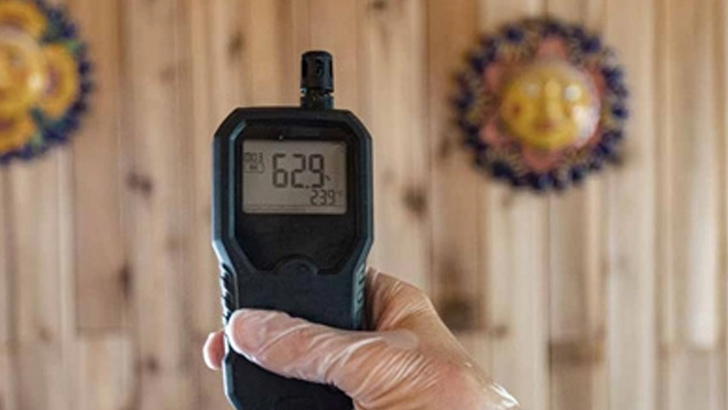
An indoor air quality monitor can be helpful, but only in detecting issues. It won’t give you the expert advice you need to improve your air. That’s why we recommend having your air quality tested and treated by professionals.
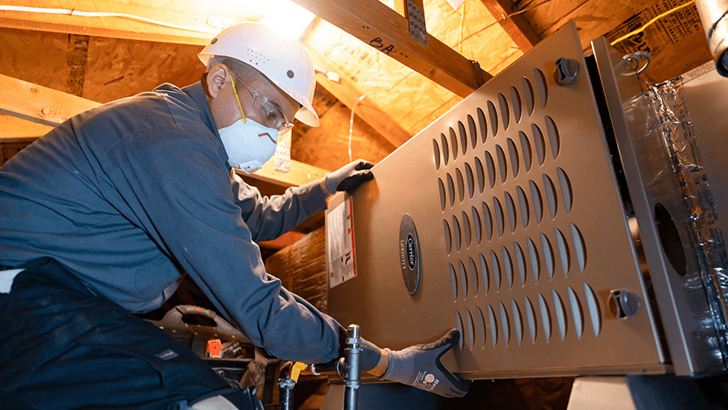
Our experts have the right tools and knowledge to measure, report and provide solutions.
1. Air Quality Test
Using AirAdvice™ technology, we can test and report levels of particles, chemicals, carbon dioxide, temperature and relative humidity in your home. All in just 30 minutes!
We won’t just leave you with a report, though. Our technicians will analyze your results, show you what we find, and offer real solutions to improve your air.
3. Clear the Air
You may need a good cleaning, or you may need to update your equipment.
Below are some solutions our technicians could recommend.
Professional Air Duct Cleaning for Healthier Indoor Air
Why clean my air ducts?
Know what’s behind your vents? Get rid of dust and debris buildup for better, cleaner air. Clean air ducts help your heating and cooling system run more efficiently too.
Air ducts can’t help but collect contaminants from all the things that flow in and out of our homes, like pet dander, dust and debris, residue from cooking, smoke from fireplaces, chemicals and other particles. Over time, this build-up can affect your indoor air quality, creating discomfort for allergy sufferers, impacting airflow, and causing odors.
While changing your air filters regularly is a great way to support clean air ducts, sometimes only a professional can tackle what’s behind those vents. Technicians have specials tools for AC duct cleaning that can clear those pathways for fresh flowing air again.
When to schedule duct cleaning?
The Environmental Protection Agency (EPA) recommends cleaning as needed, which is every 3-5 years for most homes. If you own a fireplace, furnace or stove, more frequent cleanings can help prevent carbon monoxide poisoning. It’s also a good idea to consider a duct cleaning if:
If you notice mold or mildew growth in your home.
You’re home seems dusty no matter how often your clean, or you’re experiencing stronger allergies than usual.
Your home was just built or has undergone a major renovation.
You’ve noticed your heating or cooling costs climbing.
Call the experts
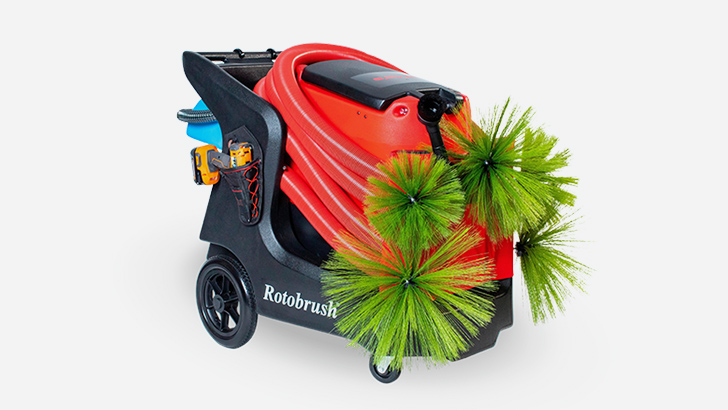
We tackle the toughest of jobs with Rotobrush aiR+®, a machine that combines powerful brush and vacuum technologies to loosen and remove every last bit of debris. All Baker Home Energy Technicians follow NADCA standards, including proper time and safety precautions to thoroughly clean your home’s ducts. Ready to clear the air? Let’s do it.
Air Cleaners, Purifiers, and Filters
Our technicians are knowledgeable about important considerations like ozone generation, which solutions are best for the type of contaminants you need to control, and MERV (Minimum Efficiency Reporting Value) ratings. Leave your indoor air problems to us and we’ll show you how clean air supports a better life.
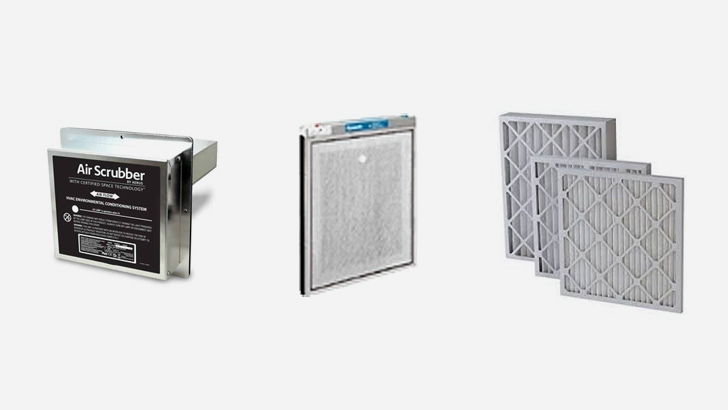
The Air Scrubber by Aerus
ActivePure®, a NASA certified space technology fight off dust, germs, odors, pet dander, viruses and more.
The Dynamic® Air Electronic Air Cleaner
A high-efficiency whole-house cleaner that uses electronic polarized-media technology to provide maximum ozone-free air cleaning.
Air Filters
Upgrading the filter in your HVAC system may be just what you need to protect your family from dust and allergy triggers.
Understanding Common Indoor Air Pollutants
Indoor air quality can be significantly affected by various pollutants that are often overlooked. Common sources of these pollutants include household cleaners, personal care products, and even building materials. Understanding these contaminants is crucial for homeowners looking to improve their indoor air environment.
For instance, volatile organic compounds (VOCs) are emitted by many household products and can lead to various health issues, from headaches to respiratory problems. Regularly identifying and mitigating these pollutants can enhance overall air quality, making it essential for homeowners to be aware of their sources and effects.
The Role of Ventilation in Air Quality
Proper ventilation is a key component in maintaining good indoor air quality. It helps to reduce the concentration of indoor pollutants by allowing fresh air to circulate while expelling stale air. This exchange is vital for preventing the accumulation of harmful substances in the home.
The EPA emphasizes that adequate ventilation can significantly lower the levels of indoor air contaminants. Homeowners can improve ventilation through simple measures like opening windows, using exhaust fans, or installing air exchange systems, all of which contribute to a healthier indoor environment.
Benefits of Professional Air Quality Testing
Engaging in professional air quality testing provides homeowners with a comprehensive understanding of their indoor air environment. This service goes beyond simple assessments, using advanced technology to measure various pollutants and conditions that may not be visible to the naked eye.
For example, professional testing can reveal elevated levels of carbon dioxide or allergens that might be affecting health. Armed with this data, homeowners can make informed decisions about necessary interventions, such as duct cleaning or air purification solutions, thereby enhancing their living conditions.
Choosing the Right Air Purification System
Selecting the appropriate air purification system is essential for effectively managing indoor air quality. Different systems target various types of pollutants, so understanding the specific needs of your home is crucial for making the right choice.
For instance, HEPA filters are highly effective at trapping airborne particles, while activated carbon filters excel at removing odors and gases. Consulting with professionals can help homeowners identify the best solution tailored to their specific air quality challenges, ensuring a healthier living space.
Understanding Common Indoor Air Pollutants
Indoor air quality can be significantly affected by various pollutants that are often overlooked. Common sources of these pollutants include household cleaners, personal care products, and even building materials. Understanding these contaminants is crucial for homeowners looking to improve their indoor air environment.
For instance, volatile organic compounds (VOCs) are emitted by many household products and can lead to various health issues, from headaches to respiratory problems. Regularly identifying and mitigating these pollutants can enhance overall air quality, making it essential for homeowners to be aware of their sources and effects.
The Role of Ventilation in Air Quality
Proper ventilation is a key component in maintaining good indoor air quality. It helps to reduce the concentration of indoor pollutants by allowing fresh air to circulate while expelling stale air. This exchange is vital for preventing the accumulation of harmful substances in the home.
The EPA emphasizes that adequate ventilation can significantly lower the levels of indoor air contaminants. Homeowners can improve ventilation through simple measures like opening windows, using exhaust fans, or installing air exchange systems, all of which contribute to a healthier indoor environment.
Benefits of Professional Air Quality Testing
Engaging in professional air quality testing provides homeowners with a comprehensive understanding of their indoor air environment. This service goes beyond simple assessments, using advanced technology to measure various pollutants and conditions that may not be visible to the naked eye.
For example, professional testing can reveal elevated levels of carbon dioxide or allergens that might be affecting health. Armed with this data, homeowners can make informed decisions about necessary interventions, such as duct cleaning or air purification solutions, thereby enhancing their living conditions.
Choosing the Right Air Purification System
Selecting the appropriate air purification system is essential for effectively managing indoor air quality. Different systems target various types of pollutants, so understanding the specific needs of your home is crucial for making the right choice.
For instance, HEPA filters are highly effective at trapping airborne particles, while activated carbon filters excel at removing odors and gases. Consulting with professionals can help homeowners identify the best solution tailored to their specific air quality challenges, ensuring a healthier living space.