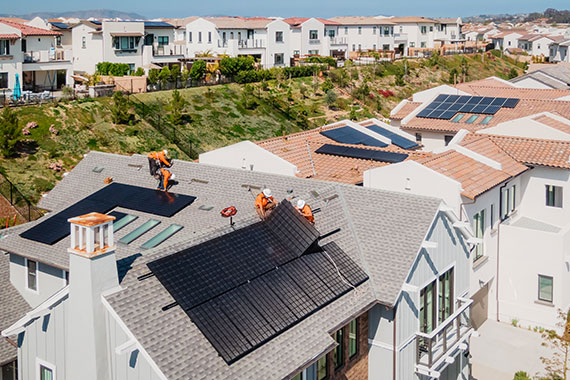
You know the heat of a SoCal Summer. You’ve felt the anxiety of another power outage. And you’ve suffered rising utility rates each year. You are ready to stop “buying” your power and start owning it.
To do that, you need a system that fits your home, your energy needs and your budget – not a one-size-fits-all package. Baker will help you define your goals and factor in the right details for a precisely designed system.
Your current energy needs
Understanding your current energy needs is the first step in sizing your solar system. Your last year of utility bills will give us a snapshot of your usage. We’ll also learn about your lifestyle and home preferences and use cutting-edge software to model your consumption profile.
Your future energy needs
Your solar system will support you for many years to come so future plans are important too. Expecting to add a hot tub or pool? Thinking about an electric vehicle? Planning to finally go all out and win the neighborhood holiday light contest? Even if you simply want to run your air conditioner more, let us know and we’ll design a system that can tackle it all.
Your home
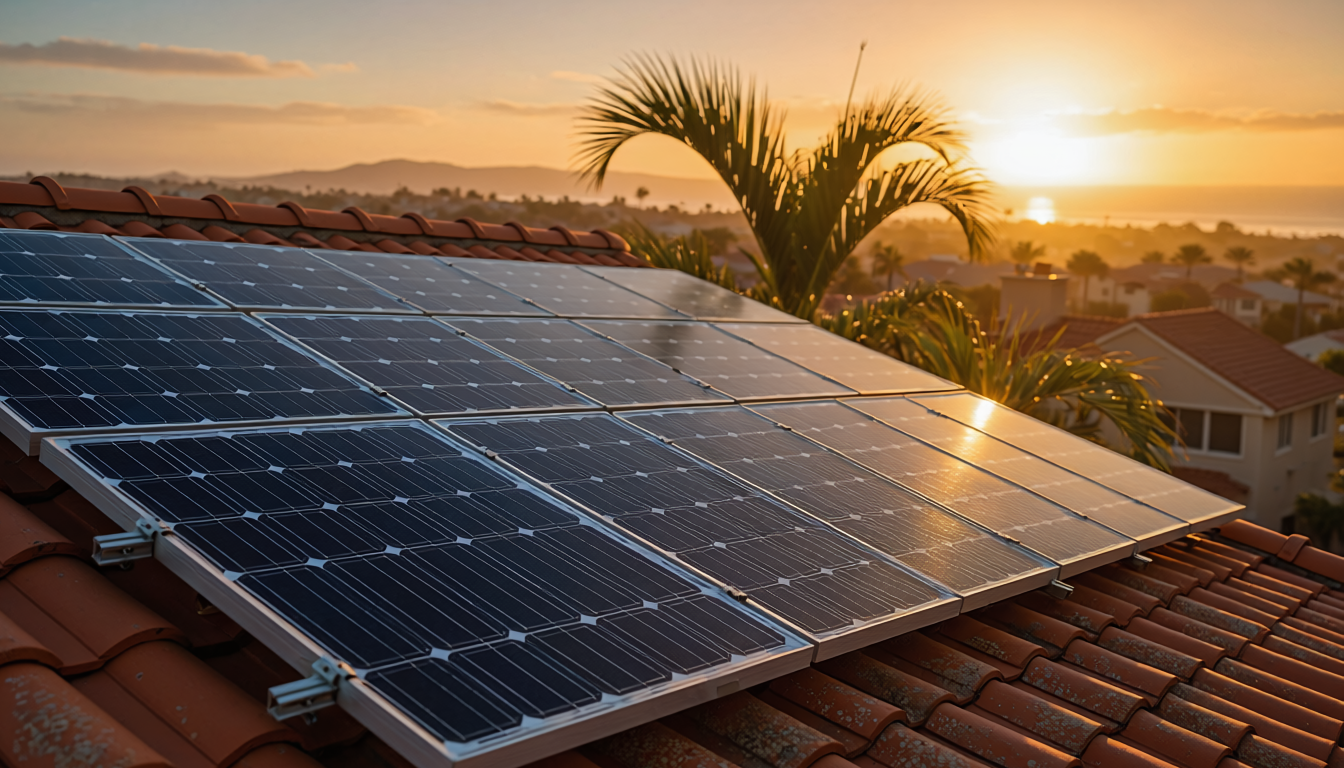
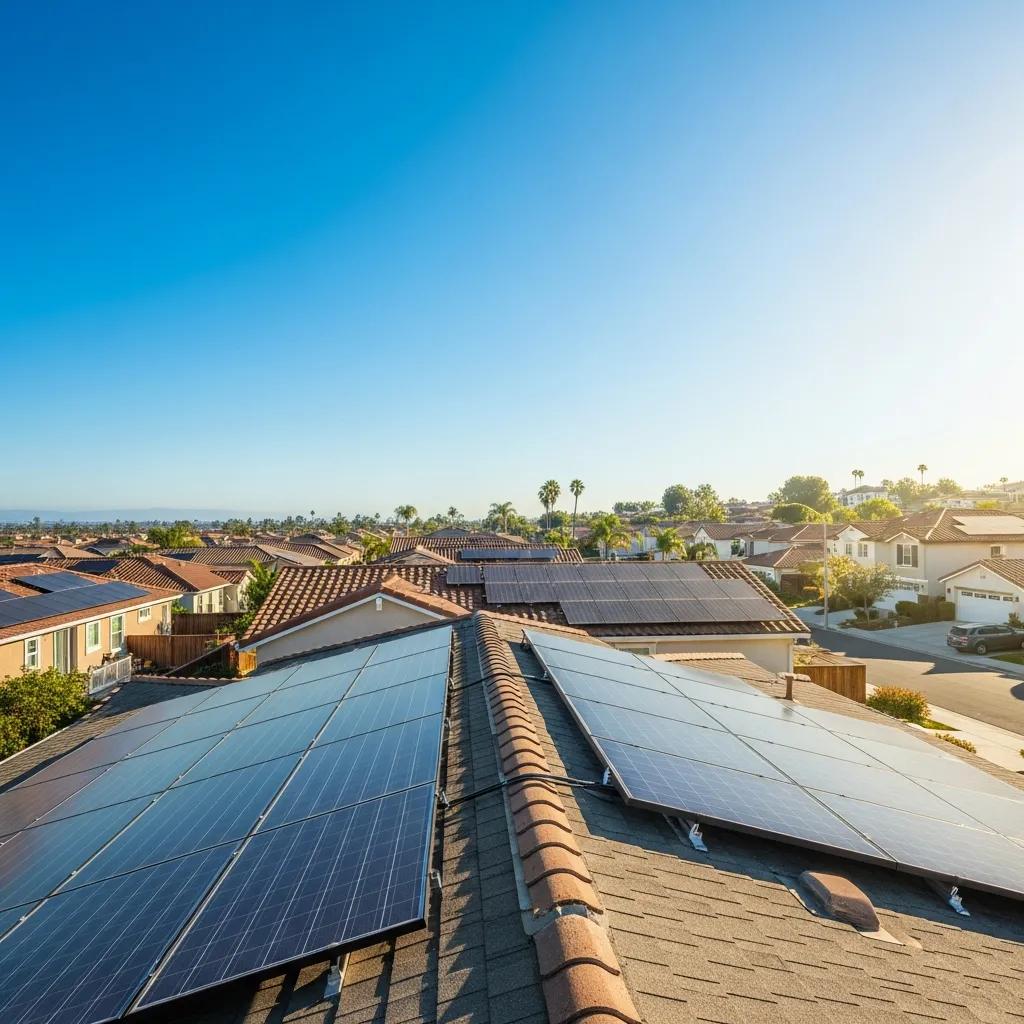
Whether you go with a ground-mounted solar system or roof-mounted solar system, it’s essential to understand the space you have for installation. We’ll also factor in the right components like panels, inverters, or a backup battery to meet your goals.
Your budget and savings goals
Balancing your budget with your savings goals will influence your system size too. We’ll look for the best ways to maximize system output and slash electric bills while staying within your budget. We offer financing options as well.

We make the transition to solar easy. Learn about the process of installing solar panels and converting your home to run on solar energy.
Understanding Solar Panel Types
Choosing the right type of solar panel is crucial for optimizing energy production and efficiency. There are primarily three types of solar panels: monocrystalline, polycrystalline, and thin-film. Each type has its advantages and disadvantages, depending on factors like space availability, budget, and energy needs.
For instance, monocrystalline panels are known for their high efficiency and longevity, making them ideal for homeowners with limited roof space. On the other hand, polycrystalline panels are generally more affordable but occupy more space for the same energy output. Thin-film panels, while less efficient, can be a good option for larger installations where space is not a constraint.
Evaluating Your Home's Solar Potential
Before installing a solar system, it's essential to evaluate your home's solar potential. This involves assessing factors such as roof orientation, shading from trees or buildings, and the overall climate of your area. A thorough evaluation can help determine the most effective solar solution for your specific situation.
For example, homes with south-facing roofs generally receive the most sunlight throughout the day, making them ideal candidates for solar installations. Additionally, conducting a shading analysis can reveal how trees or nearby structures might impact solar energy production, allowing homeowners to make informed decisions about system placement and design.
Incentives and Financing Options for Solar Systems
Understanding the financial incentives and financing options available for solar systems can significantly impact your investment decision. Various federal, state, and local programs offer tax credits, rebates, and low-interest loans to encourage solar adoption, making it more affordable for homeowners.
For instance, the Federal Investment Tax Credit (ITC) allows homeowners to deduct a significant percentage of the cost of their solar system from their federal taxes. Additionally, many states offer their own incentives, which can further reduce the overall cost. It's important to research these options thoroughly to maximize savings and ensure a smooth financial transition to solar energy.
Maintenance and Longevity of Solar Systems
Regular maintenance is key to ensuring the longevity and efficiency of your solar system. While solar panels require minimal upkeep, periodic cleaning and inspection can prevent issues that might reduce energy production over time. Homeowners should be aware of the signs that indicate when maintenance is needed.
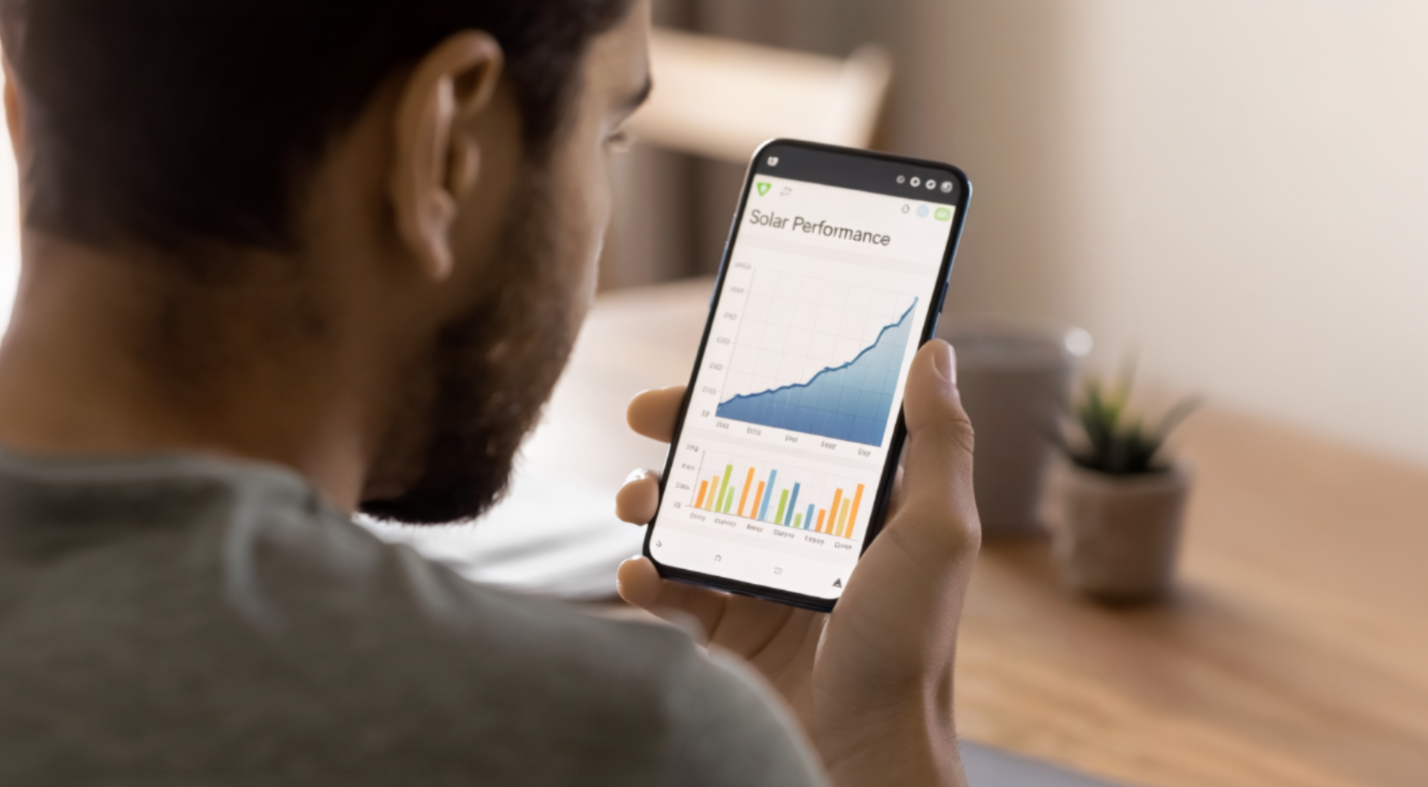
For example, dirt, debris, or snow accumulation can block sunlight and hinder energy generation. Additionally, monitoring the system's performance through an app or monitoring device can alert homeowners to any potential problems, allowing for timely repairs and ensuring optimal performance throughout the lifespan of the solar system.
Understanding Solar Panel Types
Choosing the right type of solar panel is crucial for optimizing energy production and efficiency. There are primarily three types of solar panels: monocrystalline, polycrystalline, and thin-film. Each type has its advantages and disadvantages, depending on factors like space availability, budget, and energy needs.
For instance, monocrystalline panels are known for their high efficiency and longevity, making them ideal for homeowners with limited roof space. On the other hand, polycrystalline panels are generally more affordable but occupy more space for the same energy output. Thin-film panels, while less efficient, can be a good option for larger installations where space is not a constraint.
Evaluating Your Home's Solar Potential
Before installing a solar system, it's essential to evaluate your home's solar potential. This involves assessing factors such as roof orientation, shading from trees or buildings, and the overall climate of your area. A thorough evaluation can help determine the most effective solar solution for your specific situation.
For example, homes with south-facing roofs generally receive the most sunlight throughout the day, making them ideal candidates for solar installations. Additionally, conducting a shading analysis can reveal how trees or nearby structures might impact solar energy production, allowing homeowners to make informed decisions about system placement and design.
Incentives and Financing Options for Solar Systems
Understanding the financial incentives and financing options available for solar systems can significantly impact your investment decision. Various federal, state, and local programs offer tax credits, rebates, and low-interest loans to encourage solar adoption, making it more affordable for homeowners.
For instance, the Federal Investment Tax Credit (ITC) allows homeowners to deduct a significant percentage of the cost of their solar system from their federal taxes. Additionally, many states offer their own incentives, which can further reduce the overall cost. It's important to research these options thoroughly to maximize savings and ensure a smooth financial transition to solar energy.
Maintenance and Longevity of Solar Systems
Regular maintenance is key to ensuring the longevity and efficiency of your solar system. While solar panels require minimal upkeep, periodic cleaning and inspection can prevent issues that might reduce energy production over time. Homeowners should be aware of the signs that indicate when maintenance is needed.
For example, dirt, debris, or snow accumulation can block sunlight and hinder energy generation. Additionally, monitoring the system's performance through an app or monitoring device can alert homeowners to any potential problems, allowing for timely repairs and ensuring optimal performance throughout the lifespan of the solar system.