Estimated Read Time: 5 Minutes
Summer is the most productive time of year for many solar homeowners. Longer days, stronger sunlight, and increased daylight hours create ideal conditions for solar energy production, helping systems generate more electricity than they do during much of the year. According to the U.S. Energy Information Administration (EIA), solar generation reaches some of its highest levels during the late spring and summer months as sunlight availability increases. [eia.gov]
But while the sun may be working harder, your solar panels may not be.
Dust, pollen, bird droppings, and everyday environmental buildup can gradually reduce performance over time, often without homeowners noticing.
Why Summer Is Prime Solar Season
As daylight hours increase, solar panels have more time each day to generate electricity.
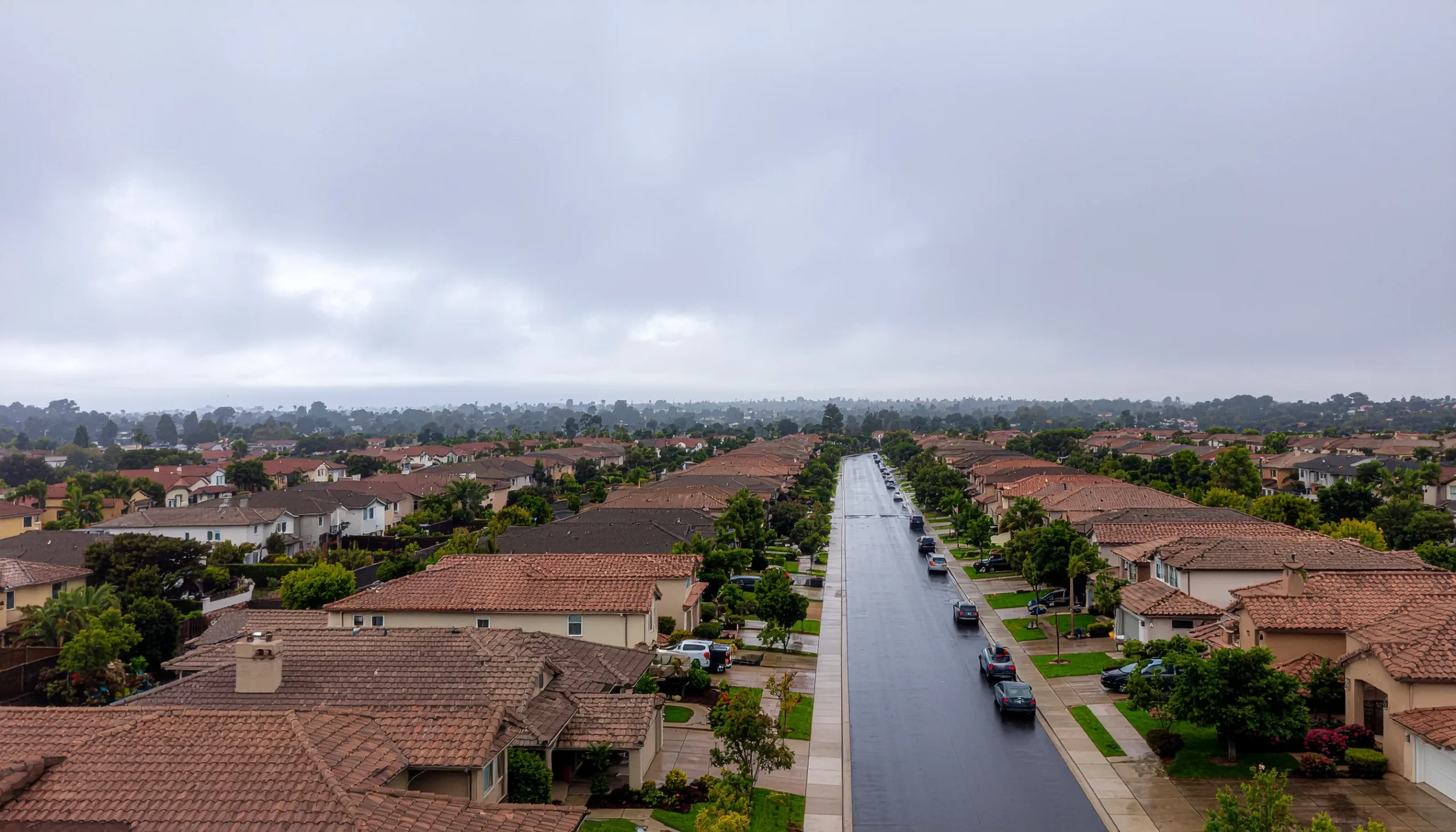
Combined with higher sun angles and consistent sunshine, summer creates some of the most favorable conditions for solar production. In fact, solar energy has become such a significant part of California’s energy mix that midday solar production regularly supplies a substantial portion of the state’s electricity demand. The EIA notes that solar production is especially abundant during daylight hours when sunshine is strongest. [eia.gov]
For homeowners, that means summer presents one of the best opportunities to maximize the value of their solar investment.
The Hidden Problem: Dirty Panels
Many homeowners assume that rain naturally keeps solar panels clean.
Unfortunately, that’s not always the case.
Over time, solar panels can accumulate:
- Dust and dirt
- Pollen from seasonal blooms
- Bird droppings
- Coastal salt residue
- Tree sap and organic debris
Even a thin layer of buildup can reduce the amount of sunlight reaching the solar cells beneath the glass.
Because these changes occur gradually, homeowners often don’t realize performance has declined until months later when production data is reviewed.
Not All Solar Cleaning Is Created Equal
Solar panels may appear durable, but they’re also precision energy equipment.
Modern solar systems contain specialized glass, anti-reflective coatings, electrical components, seals, and mounting hardware that require proper care. Using the wrong tools, harsh chemicals, pressure washers, or abrasive cleaning techniques can potentially damage system components or reduce performance over time.
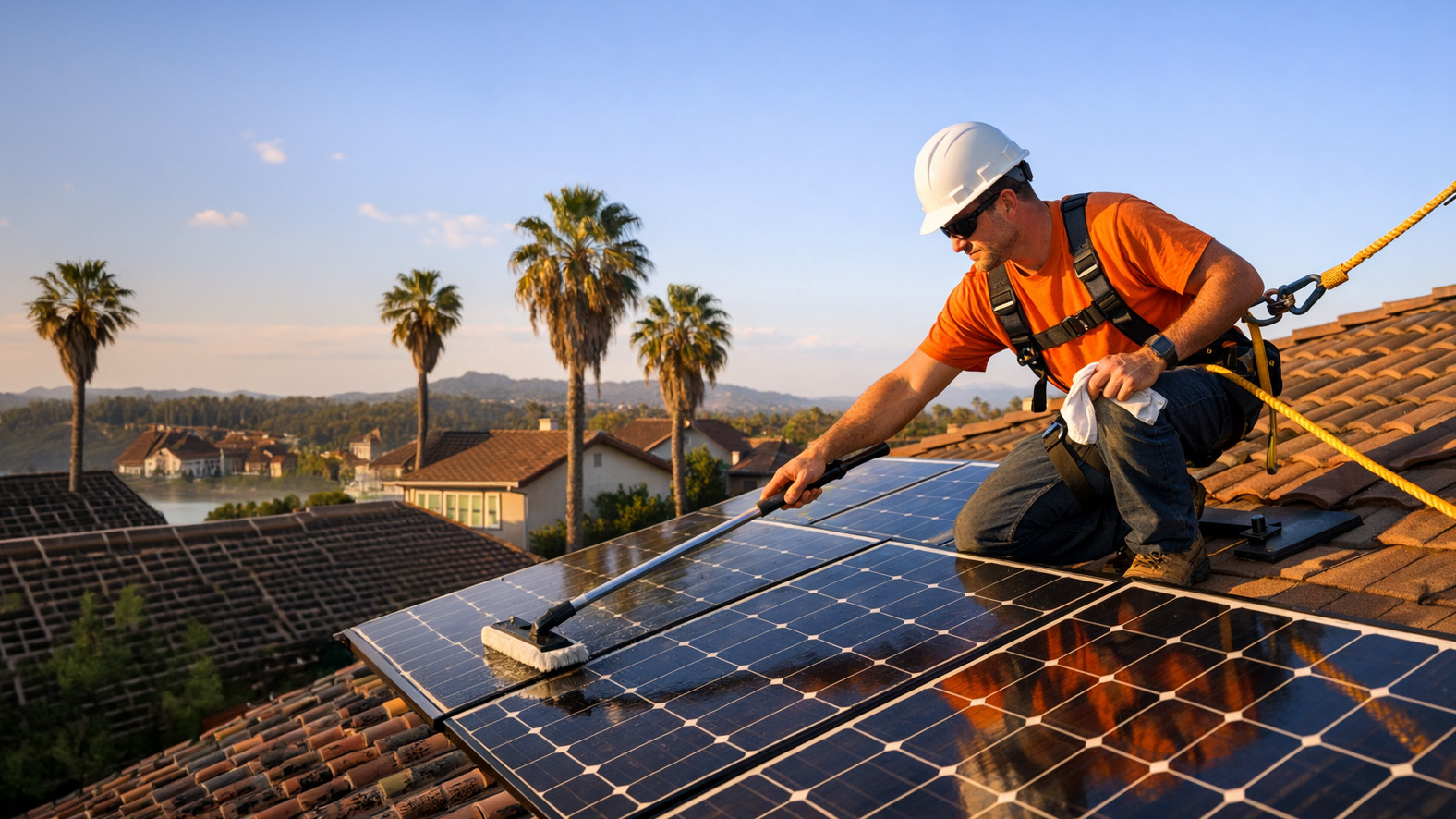
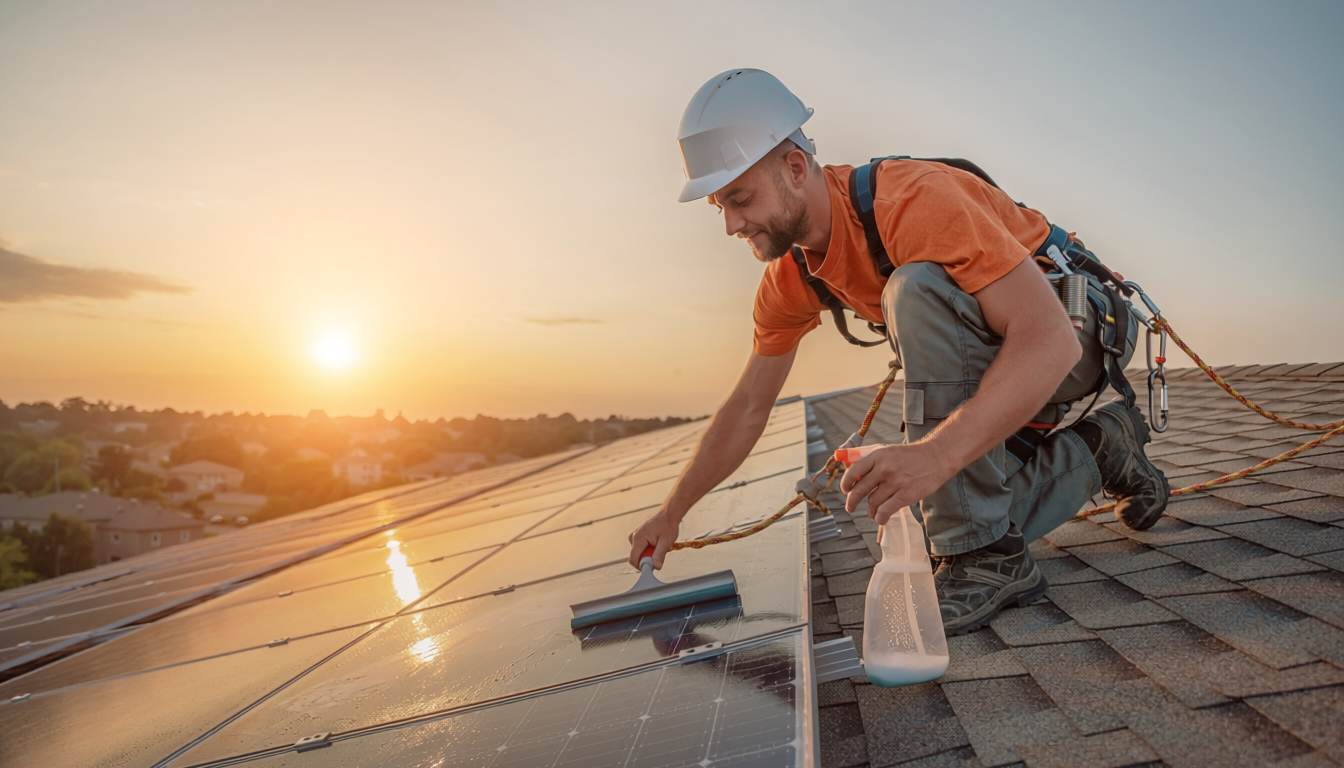
That’s why professional solar maintenance is often the safest approach.
Experienced solar professionals understand:
- Proper cleaning techniques
- Recommended equipment and materials
- Manufacturer guidelines
- Roof and safety requirements
- How to inspect systems while cleaning
A professional visit can also identify issues that might otherwise go unnoticed, including damaged wiring, nesting activity, loose components, or unexpected production concerns.
Summer Is the Best Time to Check System Performance
Performance issues are often easier to spot during peak production months.
If your system isn’t generating expected levels of electricity during the longest and sunniest days of the year, it may indicate that cleaning, maintenance, or service is needed.
Taking a proactive approach now can help ensure your system is ready to perform throughout the remainder of summer when air conditioners, appliances, and household energy use are at their highest.
Protect Your Solar Investment
Solar panels are designed to provide decades of clean energy, but like any home system, they perform best when properly maintained.
With longer days and stronger sunlight creating ideal conditions for solar production, summer is the perfect time to ensure your system is operating at its full potential. A clean, well-maintained system can help maximize energy production, improve efficiency, and protect your investment for years to come.
Get More From Your Solar This Summer
Peak solar season only comes once a year. Make sure your panels are clean, inspected, and ready to capture every available ray of sunshine.