Comprehensive Guide to Solar Energy Solutions
Solar energy is becoming increasingly popular as a sustainable and cost-effective power source for homeowners. This guide aims to provide a thorough understanding of solar energy solutions, including installation processes, system components, and potential savings on energy bills.
By exploring various solar technologies, such as photovoltaic panels and solar batteries, homeowners can make informed decisions about transitioning to solar energy. Additionally, understanding the financial incentives available, such as tax credits and financing options, can make solar power more accessible and appealing.
Understanding Solar System Components
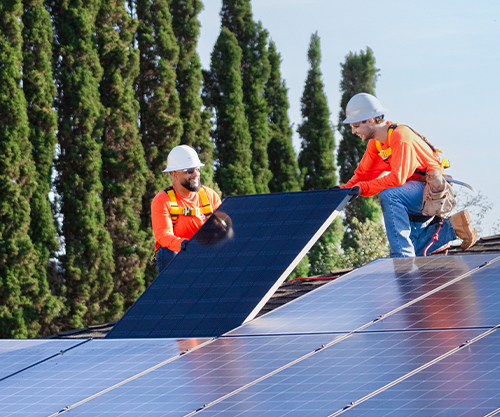
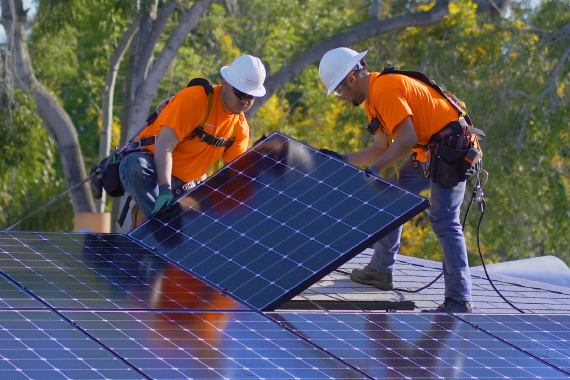
A solar energy system consists of several key components that work together to harness sunlight and convert it into usable electricity. These components include solar panels, inverters, batteries, and mounting systems, each playing a crucial role in the efficiency and effectiveness of the system.
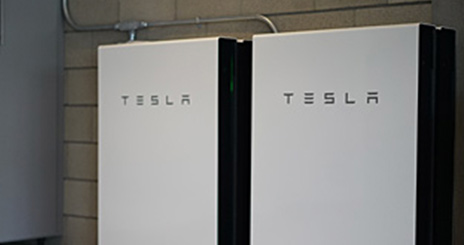
For instance, solar panels capture sunlight and convert it into direct current (DC) electricity, which is then transformed into alternating current (AC) electricity by inverters for use in homes. Batteries can store excess energy for later use, making solar systems versatile and reliable, especially during power outages or at night.
Benefits of Switching to Solar Energy
Switching to solar energy offers numerous benefits for homeowners, including reduced energy bills, increased property value, and a reduced carbon footprint. By generating their own electricity, homeowners can save significantly on monthly utility costs and protect themselves from rising energy prices.
Moreover, solar energy contributes to environmental sustainability by reducing reliance on fossil fuels. Homeowners can take pride in their decision to adopt renewable energy, knowing they are playing a part in combating climate change and promoting a healthier planet for future generations.
Financing Options for Solar Installations
Investing in solar energy can seem daunting due to the initial costs, but various financing options are available to make it more manageable. Homeowners can choose from solar loans, leases, or power purchase agreements (PPAs), each offering unique benefits and payment structures.
For example, solar loans allow homeowners to own their solar systems outright, leading to immediate savings on energy bills. Alternatively, leases and PPAs enable homeowners to access solar energy without upfront costs, paying only for the electricity generated. Understanding these options can help homeowners find the best fit for their financial situation.