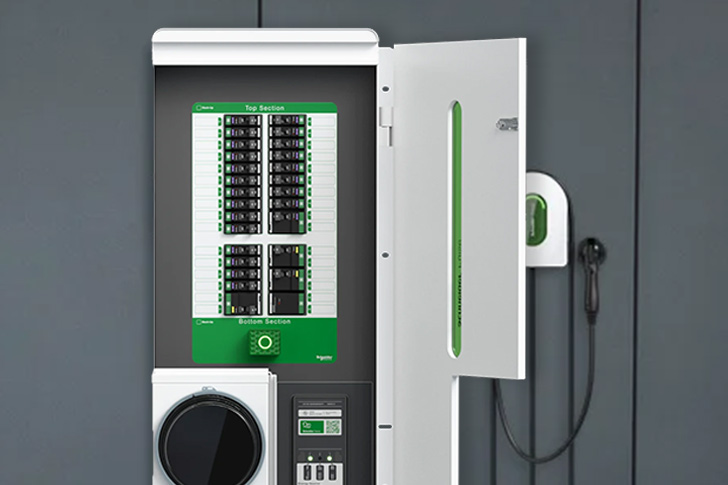
Smart panels replace the traditional main panel at the home. They allow you to monitor use of electricity via real-time usage data giving homeowners a better understanding of where their energy is used most, helping them identify areas they can reduce consumption to lower their bills. Smart panels may be connected with automated systems, like lighting and climate control, allowing users to adjust settings without ever having to leave the couch.
Other Smart Panel Benefits
Detect problems with wiring or appliances before they lead to costly repairs, saving time and money on maintenance.
Reduced battery installation costs
Improved system reliability via monitoring and backup of certain circuits, protecting them from surges or power outages.
Overall, smart panels are an excellent choice for tech savvy homeowners who want to better understand their home energy systems and are looking to save money on energy bills.
With a Baker installed Smart Panel, users can maximize energy efficiency while reducing the cost of battery installation.
Our air conditioning and heating Service Plans keep you and your family comfortable at less cost
Save now
Benefits of Smart Panels
Smart panels offer various advantages that enhance energy management in homes. They provide real-time monitoring of energy usage, allowing homeowners to identify consumption patterns and make informed decisions about their energy habits.
In addition to monitoring, smart panels can integrate seamlessly with home automation systems, enabling users to control their energy use from their smartphones or tablets. This integration can lead to significant cost savings by optimizing energy consumption and reducing waste.
How Smart Panels Work
Smart panels function by utilizing advanced technology to track and manage energy distribution throughout a home. They connect to the internet, allowing users to access their energy data and control settings remotely.
These panels often come equipped with features like automated alerts for unusual energy spikes and the ability to schedule energy usage during off-peak hours, further enhancing energy efficiency and savings for homeowners.
Installation Process for Smart Panels
The installation of smart panels typically involves a professional assessment of the home's electrical system to ensure compatibility and safety. This process includes evaluating the current main service panel and determining the best placement for the smart panel.
Once installed, homeowners are guided through the setup process, which includes connecting the panel to their Wi-Fi network and downloading any necessary applications for monitoring and control. Professional installation ensures that the system operates effectively and complies with local regulations.
Common Questions About Smart Panels
Homeowners often have several questions regarding smart panels, particularly about their functionality and benefits. Common inquiries include concerns about the cost of installation, the potential for energy savings, and how they compare to traditional panels.
Additionally, many users want to know about the long-term maintenance of smart panels and whether they require special care. Addressing these questions can help demystify the technology and encourage more homeowners to consider upgrading to smart panel solutions.
Benefits of Smart Panels
Smart panels offer various advantages that enhance energy management in homes. They provide real-time monitoring of energy usage, allowing homeowners to identify consumption patterns and make informed decisions about their energy habits.
In addition to monitoring, smart panels can integrate seamlessly with home automation systems, enabling users to control their energy use from their smartphones or tablets. This integration can lead to significant cost savings by optimizing energy consumption and reducing waste.
How Smart Panels Work
Smart panels function by utilizing advanced technology to track and manage energy distribution throughout a home. They connect to the internet, allowing users to access their energy data and control settings remotely.
These panels often come equipped with features like automated alerts for unusual energy spikes and the ability to schedule energy usage during off-peak hours, further enhancing energy efficiency and savings for homeowners.
Installation Process for Smart Panels
The installation of smart panels typically involves a professional assessment of the home's electrical system to ensure compatibility and safety. This process includes evaluating the current main service panel and determining the best placement for the smart panel.
Once installed, homeowners are guided through the setup process, which includes connecting the panel to their Wi-Fi network and downloading any necessary applications for monitoring and control. Professional installation ensures that the system operates effectively and complies with local regulations.
Common Questions About Smart Panels
Homeowners often have several questions regarding smart panels, particularly about their functionality and benefits. Common inquiries include concerns about the cost of installation, the potential for energy savings, and how they compare to traditional panels.
Additionally, many users want to know about the long-term maintenance of smart panels and whether they require special care. Addressing these questions can help demystify the technology and encourage more homeowners to consider upgrading to smart panel solutions.