A heating and cooling system is the heart of your home
And like a real heart, it requires love and care. Without that care, your air conditioner (AC) and heating systems will be less effective at keeping your family comfortable as it ages. Poor operation can also wear out your system faster, increasing your energy costs and decrease indoor air quality.
Does your AC or Heating unit need a service or repair?
Some signs your system needs some TLC may include:
Increased electricity bills
Loud or unusual noises
Irregular starting and stopping
Reduced airflow, hot or cold spots in your home
Unusual odors or a burning odor
High humidity
No need to wait for these to become an emergency. In fact, we recommend you don’t! Let our expert technicians fix any underlying issues before they become your next expensive headache.
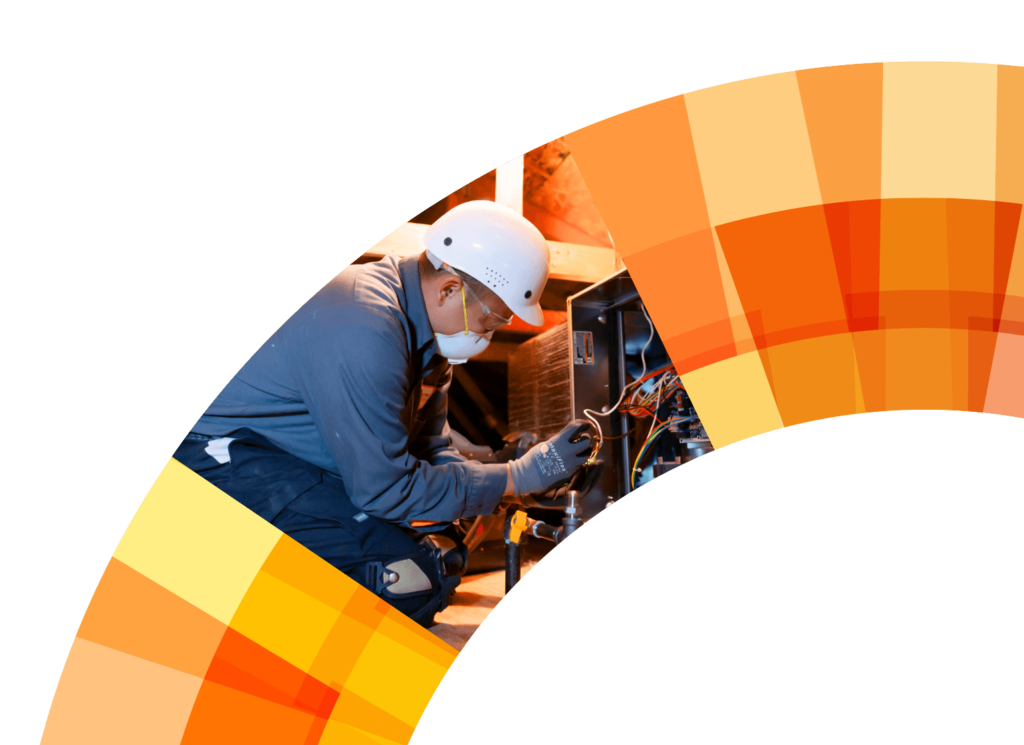
Our professionals are trained on all brands and models, so we can confidently handle any heating and air conditioning repair, whether we installed your system or not. Each technician is also HIS Licensed, EPA Certified and well-versed in safety measures.
Maintenance, Service or Replace?
Routine maintenance is the best way to prepare your AC or Heating system for changing seasons, prolong the life of your equipment, and prevent expensive repairs. A system that isn’t maintained will waste energy (hello, expensive energy bills!) and have a much shorter life (and that’s not cool).
50% of the energy use in your home is dedicated to cooling and heating. Your whole family depends on these functions and the air from your system impacts their health and productivity. For that reason alone, it’s worth keeping an efficient and clean system.
We recommend a routine AC service appointment once a year during late winter or early spring months. We also recommend a routine Heating service appointment once a year during late summer or early fall.
Our 30-point inspection and tune-up services help you stay on top of insulation, air sealing and thermostat settings to maintain efficiency. Not only is this good for your equipment, but it could help you save up to 30% on your energy bill too! Learn about our home service plans below.
A well-maintained air conditioner will typically last about 12 years. If yours is older or requires frequent repairs, a new one will likely cost you less and serve you better. Our experts can help you decide if a tune-up is all you need or walk you through replacement options that fit your budget and needs.

Heating and air conditioning service plans
Regular service from the team you trust keeps things running efficiently, so your system efficiently does its job.
Air Conditioning and Heating Revitalization
Air Conditioning or Furnace Tune-Up inspections ($129 each without HSP membership) help keep you comfortable. Setting an appointment for your cooling system every spring and having your furnace inspected and cleaned every fall will maximize the investment you’ve made in your home comfort system.
AC and Furnace service plan
Routine service is an often overlooked but crucial part of maintaining your heating and cooling system. A Baker Home Energy Service Plan covers all you need for both your air conditioner and furnace.
When you sign up for a Heating and Air Conditioning Service Plan, you’re guaranteed two visits per year from a Baker Home Energy licensed and qualified technician. During these visits, we’ll check your entire system and perform routine maintenance to ensure maximum efficiency and good operating conditions for the upcoming season.
Benefits of a Baker Home Energy Service Plan
Savings
Regular maintenance can decrease the risk of breakdowns by as much as 95%, reduce energy bills by up to 60%, and extend the life of your system.
Cleaner air
The EPA reports that indoor levels of airborne pollutants are often 2-5 times higher than outdoor levels (up to 100 times higher in some cases). Preventative maintenance helps to ensure your vents are clean and air well-filtered for your family.
Maximum comfort
Regular maintenance helps your system distribute warm or cool air evenly and steadily, so you don’t end up a with a perpetually hot or frigid zone in the house, weird smells, or random inefficiencies.
Safety
Seasonal service prepares your system for upcoming cold snaps and helps prevent the costly impacts of a heater that stops working when you need it most. It also includes a carbon monoxide check for potential hazards from a cracked or failed heat exchanger, and we’ll tell you about the benefits of a carbon monoxide detector in your home.
Less environmental impact
A well-maintained system consumes considerably less fuel — and that’s good for the planet. We can help you further reduce impact with a smart thermostat and solar energy — just ask!
Peace of mind
Your heating and cooling system is a large investment and long-term care should be part of your plan. It provides the ultimate comfort that when you need help, you’ve got the right team to make things as easy as possible.
Essential HVAC Service & Repair Articles for Homeowners
Recognizing the signs that your HVAC system requires immediate attention is crucial for maintaining home comfort and safety. Common indicators include unusual noises, strange odors, and inconsistent temperatures throughout your home. If you notice any of these symptoms, it may be time to call a professional to diagnose the issue before it escalates into a more significant problem.
In addition to the aforementioned signs, increased energy bills can signal that your system is working harder than it should. Ignoring these warning signs can lead to costly repairs and reduced efficiency. Regular inspections and timely repairs can prevent these issues, ensuring your HVAC system operates smoothly and effectively.
Understanding HVAC Energy Efficiency Ratings
Energy efficiency ratings are essential for evaluating the performance of your HVAC system. These ratings, such as SEER (Seasonal Energy Efficiency Ratio) for air conditioners and AFUE (Annual Fuel Utilization Efficiency) for furnaces, provide insight into how effectively your system converts energy into heating or cooling. Higher ratings indicate better efficiency, which can lead to significant savings on energy bills.
Choosing an HVAC system with a high energy efficiency rating not only reduces your monthly costs but also contributes to a more sustainable environment. When considering a new installation or replacement, it's beneficial to compare these ratings to ensure you're making an informed decision that balances performance with cost-effectiveness.
Common HVAC Myths Debunked
There are many misconceptions surrounding HVAC systems that can lead to poor maintenance choices and unnecessary expenses. For instance, one common myth is that closing vents in unused rooms saves energy. In reality, this can disrupt airflow and place additional strain on your system, leading to higher energy costs and potential damage.
Another prevalent myth is that a larger HVAC system is always better. However, an oversized system can lead to short cycling, which reduces efficiency and increases wear and tear. Understanding these myths can help homeowners make better decisions regarding their HVAC systems, ultimately leading to improved comfort and efficiency.
Preparing Your HVAC System for Seasonal Changes
Preparing your HVAC system for seasonal changes is essential to ensure optimal performance and efficiency. As seasons transition, it’s important to schedule routine maintenance checks that include cleaning filters, checking refrigerant levels, and inspecting the overall system. This proactive approach helps prevent breakdowns and ensures that your heating or cooling system operates effectively when needed.
Additionally, homeowners should consider making adjustments to their thermostat settings and sealing any drafts to improve energy efficiency. By taking these steps, you can enhance your indoor comfort while reducing energy consumption, ultimately leading to lower utility bills and a more sustainable home environment.
Signs Your HVAC System Needs Immediate Attention
Recognizing the signs that your HVAC system requires immediate attention is crucial for maintaining home comfort and safety. Common indicators include unusual noises, strange odors, and inconsistent temperatures throughout your home. If you notice any of these symptoms, it may be time to call a professional to diagnose the issue before it escalates into a more significant problem.
In addition to the aforementioned signs, increased energy bills can signal that your system is working harder than it should. Ignoring these warning signs can lead to costly repairs and reduced efficiency. Regular inspections and timely repairs can prevent these issues, ensuring your HVAC system operates smoothly and effectively.
Understanding HVAC Energy Efficiency Ratings
Energy efficiency ratings are essential for evaluating the performance of your HVAC system. These ratings, such as SEER (Seasonal Energy Efficiency Ratio) for air conditioners and AFUE (Annual Fuel Utilization Efficiency) for furnaces, provide insight into how effectively your system converts energy into heating or cooling. Higher ratings indicate better efficiency, which can lead to significant savings on energy bills.
Choosing an HVAC system with a high energy efficiency rating not only reduces your monthly costs but also contributes to a more sustainable environment. When considering a new installation or replacement, it's beneficial to compare these ratings to ensure you're making an informed decision that balances performance with cost-effectiveness.
Common HVAC Myths Debunked
There are many misconceptions surrounding HVAC systems that can lead to poor maintenance choices and unnecessary expenses. For instance, one common myth is that closing vents in unused rooms saves energy. In reality, this can disrupt airflow and place additional strain on your system, leading to higher energy costs and potential damage.
Another prevalent myth is that a larger HVAC system is always better. However, an oversized system can lead to short cycling, which reduces efficiency and increases wear and tear. Understanding these myths can help homeowners make better decisions regarding their HVAC systems, ultimately leading to improved comfort and efficiency.
Preparing Your HVAC System for Seasonal Changes
Preparing your HVAC system for seasonal changes is essential to ensure optimal performance and efficiency. As seasons transition, it’s important to schedule routine maintenance checks that include cleaning filters, checking refrigerant levels, and inspecting the overall system. This proactive approach helps prevent breakdowns and ensures that your heating or cooling system operates effectively when needed.
Additionally, homeowners should consider making adjustments to their thermostat settings and sealing any drafts to improve energy efficiency. By taking these steps, you can enhance your indoor comfort while reducing energy consumption, ultimately leading to lower utility bills and a more sustainable home environment.