PFAS—short for per‑ and polyfluoroalkyl, trying saying that ten times fast, substances—are showing up in the headlines because federal and state agencies are tightening guidance on long‑term exposure and drinking‑water standards. In plain English, yeah we’ll stick to PFAS thank you, regulators are clarifying how utilities monitor and report PFAS, and what levels call for action. [epa.gov]
Let’s explore what that means for your home and how point‑of‑entry (whole‑home) and point‑of‑use (under‑sink) filtration can complement your local water provider’s efforts—so your family gets cleaner, better‑tasting water right at the tap. See our Water Quality solutions for more info.
What are PFAS, and what do “standards/limits” really mean?
PFAS are a large family of man‑made chemicals used in products like non‑stick cookware, stain‑resistant fabrics, and certain industrial processes. Some members of this family are very persistent in the environment, so EPA has prioritized monitoring, reporting, and rulemaking to reduce long‑term exposure in drinking water. “Limits” (or proposed limits) are health‑based guidelines designed around lifetime consumption, not short spikes. Utilities test, report, and—when needed—plan treatment in accordance with these rules. [epa.gov]
How home filtration fits alongside utility treatment
Municipal water agencies treat to regulatory standards; home filtration adds a personal layer of protection and taste improvement. In practical terms, homeowners typically pair two approaches:
1) Whole‑home (point‑of‑entry) filtration
- This improves water quality for every fixture (showers, laundry, dishwashers) and reduces chlorine/chloramine taste and odor, sediment, and supports better skin/hair feel. Many appreciate that it helps protect plumbing and water‑using appliances from premature wear.
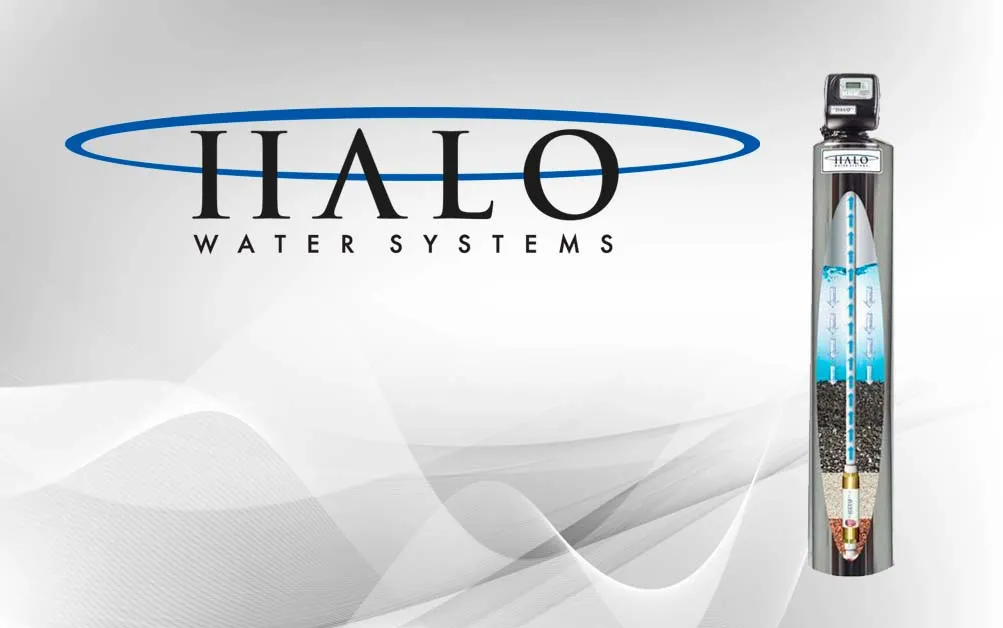
- See Baker’s Water Quality overview (HALO systems, carbon media, and conditioning options).
Why it matters for PFAS headlines: while utility treatment addresses system‑wide compliance, whole‑home filtration enhances everyday water experience throughout your house—taste, smell, and basic particulate reduction—before water ever reaches your fixtures.
2) Under‑sink (point‑of‑use) filtration
- Targets drinking and cooking water at one faucet (often with dedicated spout). Options include advanced carbon blocks and reverse osmosis (RO) stages designed to reduce a wide range of dissolved contaminants at the tap. This complements whole‑home systems by providing extra polishing where you ingest water most.
Together, whole‑home + under‑sink deliver a “whole house better / at‑the‑tap best” strategy many Baker customers prefer.
A simple homeowner plan (no fear, just steps)
- Check credible sources a few times per year:
- 1. EPA PFAS hub for national context, FAQs, and rule updates. [epa.gov]
- 2. Your local water agency’s Consumer Confidence Report (CCR) for current sampling data.
- Decide your goal:
- “Better water everywhere” → Whole‑home filtration/conditioning
- OR
- “Premium drinking water at the tap” → Under‑sink filtration/RO
- Many homes choose both!
- Have a professional size the solution to your home.
- Household size, plumbing layout, and water‑use habits guide system selection (media capacity, flow rates, cartridge life).
- Keep it maintained
- Follow filter‑change intervals and annual checks so performance stays consistent.
How Baker aligns solutions to common concerns
Baker Home Energy makes it easy to get better water throughout your home. Whole‑home carbon systems reduce chlorine taste and odor at every tap, while filtration with salt‑free conditioning helps relieve dry skin, dull hair, and hard‑water scale. For the cleanest drinking water, under‑sink filtration and reverse osmosis systems deliver great taste right at the kitchen sink. All systems are designed for low‑maintenance, “set‑and‑forget” performance with scheduled service reminders. Explore Baker Water Quality solutions and what’s included with installation and maintenance at https://bakerhomeenergy.com/water-solutions/water-quality/.
FAQ
Do I need to take emergency action because of PFAS headlines?
No. PFAS standards evolve methodically. Agencies test and report on defined cycles; utilities plan treatment as rules finalize. Home filtration is a proactive comfort/quality choice, not an emergency response. [epa.gov]
Will whole‑home filtration make my water “bottled‑water good”?
Whole‑home systems dramatically improve everyday water feel and smell across the house. For drinking and cooking, many homeowners add an under‑sink filter or RO to elevate taste and targeted reduction right at the tap.
What about maintenance?
Whole‑home media and under‑sink cartridges have scheduled lifecycles. Baker can set a service cadence so filters are replaced on time—simple and predictable.
The bottom line
- Regulators are clarifying PFAS standards; utilities monitor and treat; homeowners can add a layer of assurance and better taste/feel with in‑home filtration. [epa.gov]
- Baker’s whole‑home + under‑sink approach delivers the practical, low‑maintenance path many San Diego families want—better water throughout the home and outstanding water at the tap: