(5 Minute Read)
For decades, Americans have enjoyed one of the most reliable electricity systems in the world. Flip a switch, and the lights come on. Plug something in, and it works. Electricity has been so dependable that most of us rarely think about it, until something goes wrong.
But beneath that reliability, the U.S. power grid is entering one of the most stressful periods in its history. Rising demand, aging infrastructure, extreme weather, and higher energy costs are all converging at once, and homeowners are beginning to feel the effects.
Electricity Demand Is Growing Again and Fast
For much of the last 15 years, electricity use in the U.S. barely grew. Advances like LED lighting, energy‑efficient appliances, and better building standards helped offset population and economic growth. In many regions, electricity demand actually flattened.
That period is now over.
Electricity demand is rising again, driven by:
- More electric vehicles on the road
- Electrification of homes (heat pumps, electric water heaters, induction cooking)
- Expansion of data centers and cloud computing
- Population growth in many regions
Some regional power markets are already projecting record‑breaking electricity demand, with national usage expected to reach all‑time highs.
An Aging Grid Meets Modern Stress
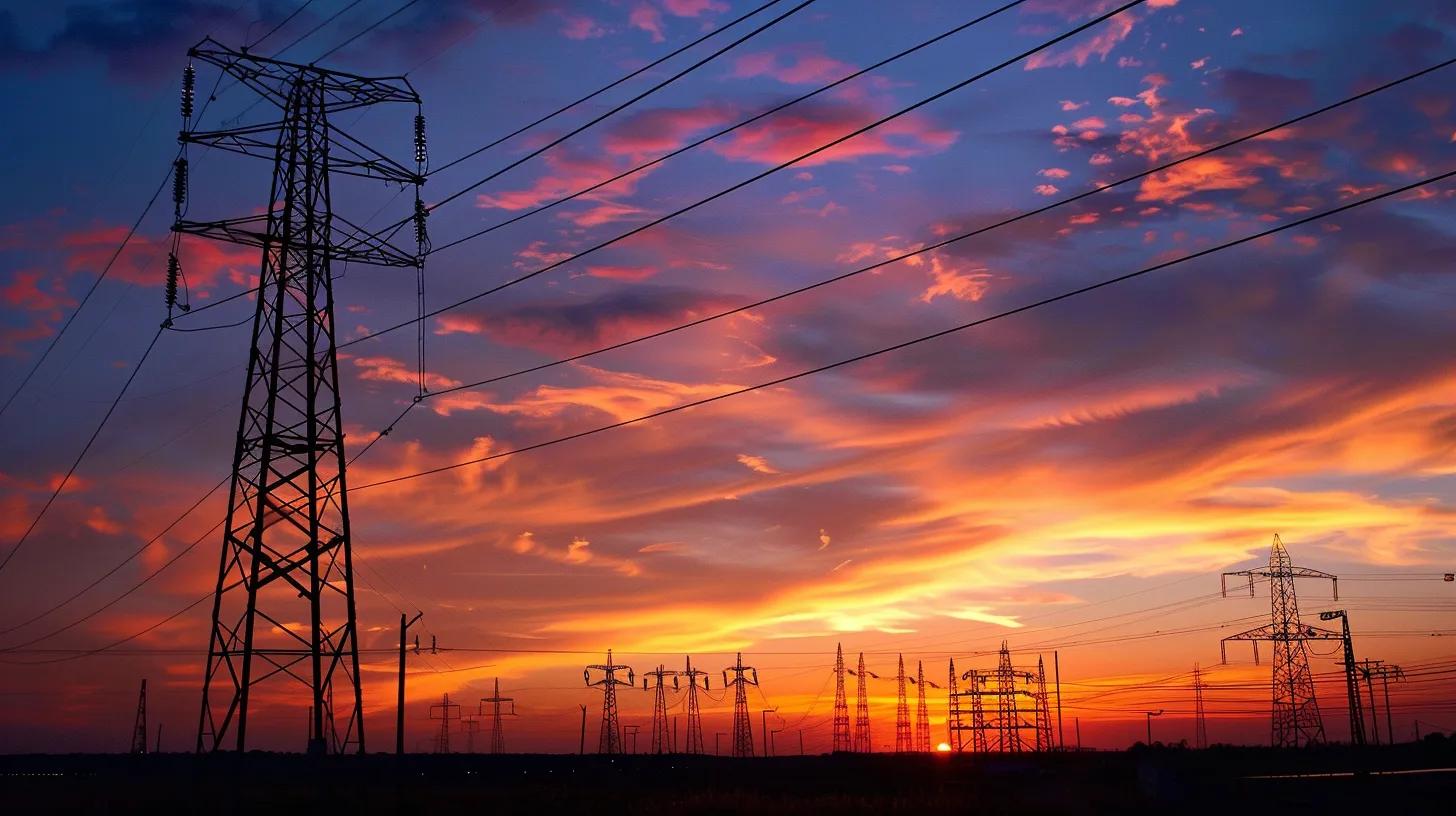
Much of America’s power grid was built decades ago. Poles, wires, transformers, and substations are nearing the end of their expected lifespans, just as demand is increasing.
At the same time, extreme weather is putting added pressure on the system:
- Wildfires have forced major grid hardening efforts in the West
- Hurricanes and severe storms have damaged infrastructure across the South
- Heatwaves are pushing peak electricity demand higher each year
Utilities are now spending more to operate, maintain, and rebuild the grid itself, not just generate electricity.
Why Electricity Bills Keep Rising
When homeowners receive a power bill, it’s easy to assume most of the cost comes from the electricity itself. In reality, a growing portion of your bill now pays for:
- Maintaining distribution lines
- Upgrading local grid equipment
- Storm repairs and fire‑prevention measures
- Long‑distance transmission improvements
In some states, especially those exposed to wildfires or severe storms, grid‑related costs have increased dramatically. That means prices can rise even when electricity demand stays flat or declines.
Ironically, regions with higher electricity demand growth have sometimes seen slower price increases, because those costs are spread across more usage.
Data Centers Are Part of the Story, Not the Whole One
Much of the recent attention has focused on the energy demands of artificial intelligence and data centers. While they are increasing electricity use, they’re only one piece of a much bigger picture.
The grid would still face major challenges even without data centers:
- Aging infrastructure still needs replacement
- Homes are becoming more electric
- Climate‑driven stress isn’t going away
In fact, large electricity users can sometimes help stabilize costs by covering more of the grid’s fixed expenses, highlighting the complexity of the problem.
Why This Matters for Homeowners
For homeowners, these shifts show up in very real ways:
- Higher and less predictable electric bills
- Greater risk of outages during extreme weather
- Increased pressure on aging neighborhood infrastructure
- More reliance on electricity for heating, cooling, and transportation
As the grid evolves, homeowners are being asked to consume electricity differently. shifting usage, improving efficiency, and thinking more proactively about energy resilience.
So What Can Homeowners Do?
While large‑scale grid upgrades will take years, homeowners don’t have to wait to gain more control over their energy. One practical step is depending less on the grid altogether by producing energy at home and storing it for when you need it most.
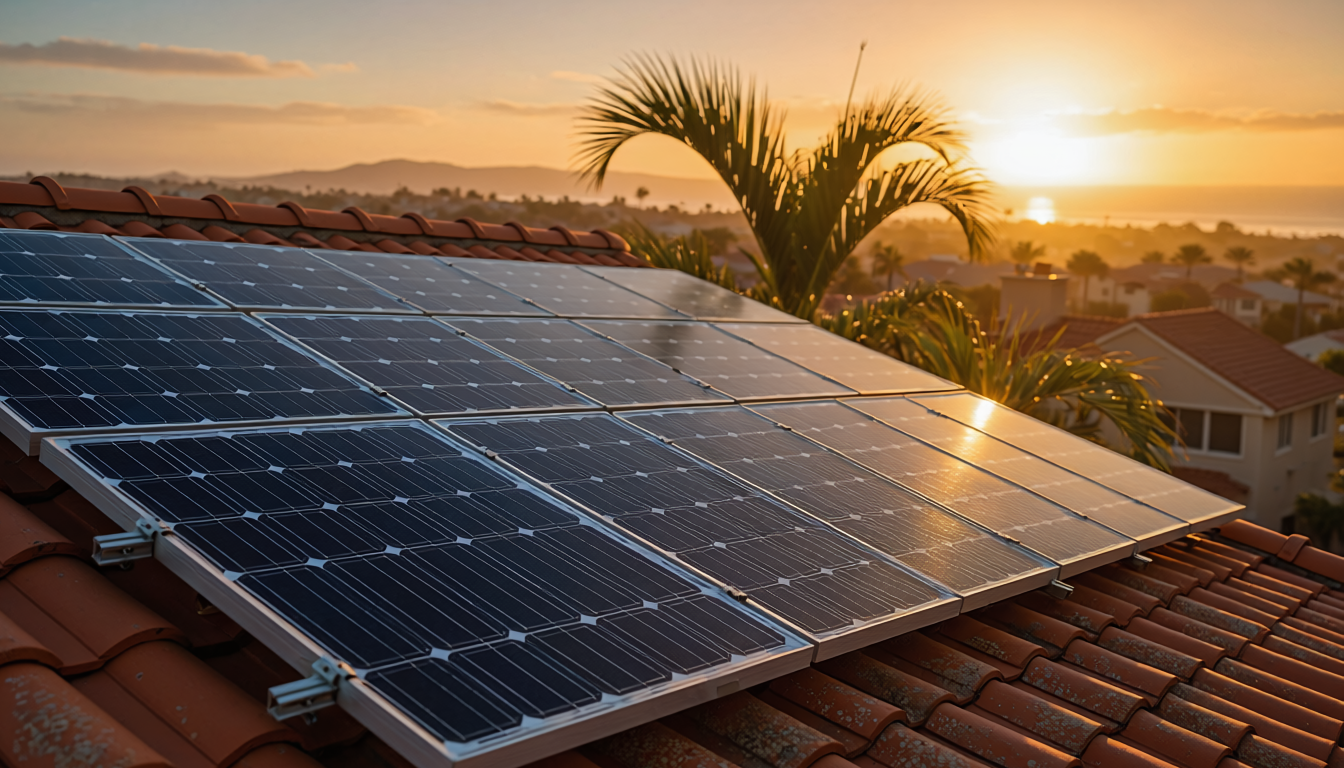
Solar panels paired with a battery allow your home to generate power during the day and use it later, during peak demand, outages, or periods of higher electricity prices. This approach can reduce reliance on an aging grid, provide backup power when the system is strained, and offer more predictability as energy costs continue to rise.
For homeowners looking to future‑proof their energy use, producing and storing your own electricity is one way to stay resilient, no matter how the grid evolves.
Help your home stay powered and prepared with Solar and Home Battery: