Heating, Air & Heat Pump Water Heater Tax Credits: Save Now
Act Now on Energy-Efficient Tax Credits for Heating and Air
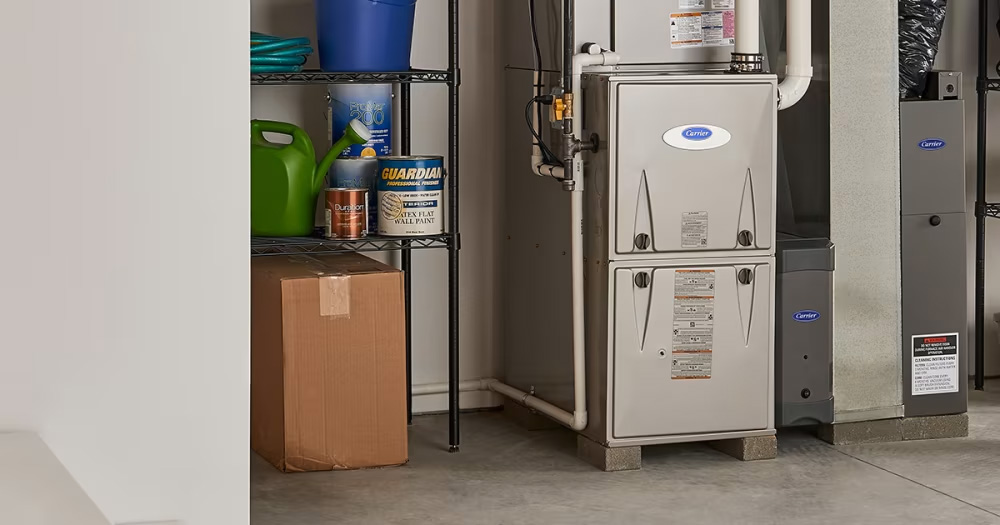
Homeowners still have time to take advantage of federal tax credits for energy-efficient home improvements before December 31, 2025. These incentives can significantly reduce the cost of installing high-efficiency heating and air systems and heat pump water heaters. Acting now ensures you lock in savings before these programs phase out.
Heating and Air Tax Credits Under the Inflation Reduction Act
The Energy Efficient Home Improvement Credit (Section 25C) allows homeowners to claim 30% of the cost of qualifying heating and air system upgrades, up to an annual cap of $3,200. This includes:
$2,000 for heat pumps (air-source or geothermal) and heat pump water heaters.
$1,200 for other energy-efficient improvements like insulation, windows, and doors.
Eligibility Requirements:
Equipment must meet ENERGY STAR® and CEE efficiency tier standards.
Installed in your primary residence in the U.S. before December 31, 2025.
Important: Congress shortened the original deadline from 2032 to 2025, so these credits expire at the end of this year.
Heat Pump Water Heater Tax Credits: Save Up to $2,000
Heat pump water heaters are one of the most cost-effective upgrades for homeowners. Here’s what you need to know:
Credit Amount: 30% of total cost (equipment + installation), capped at $2,000 annually.
Eligibility: Must be ENERGY STAR-certified and meet the highest efficiency tier set by the Consortium for Energy Efficiency (CEE).
Deadline: Installation must be completed by December 31, 2025.
Documentation: Keep receipts, product certifications, and include the Qualified Manufacturer ID (QMID) on your tax return starting in 2025.
These credits are part of the Inflation Reduction Act and can be combined with other rebates for even greater savings.
Frequently Asked Questions (FAQ)
Homeowners can claim 30% of the cost of qualifying heating and air systems, up to $3,200 annually, under the Energy Efficient Home Improvement Credit.
Yes! Heat pump water heaters qualify for a 30% tax credit, capped at $2,000 per year, if they meet ENERGY STAR and CEE standards.
You must file IRS Form 5695 with your federal tax return and include all required documentation.
Absolutely. Federal tax credits can be combined with state and utility rebates for even greater savings.
The credits expire on December 31, 2025, so act now to maximize your savings.
Ready to Upgrade? Contact Baker Home Energy Today
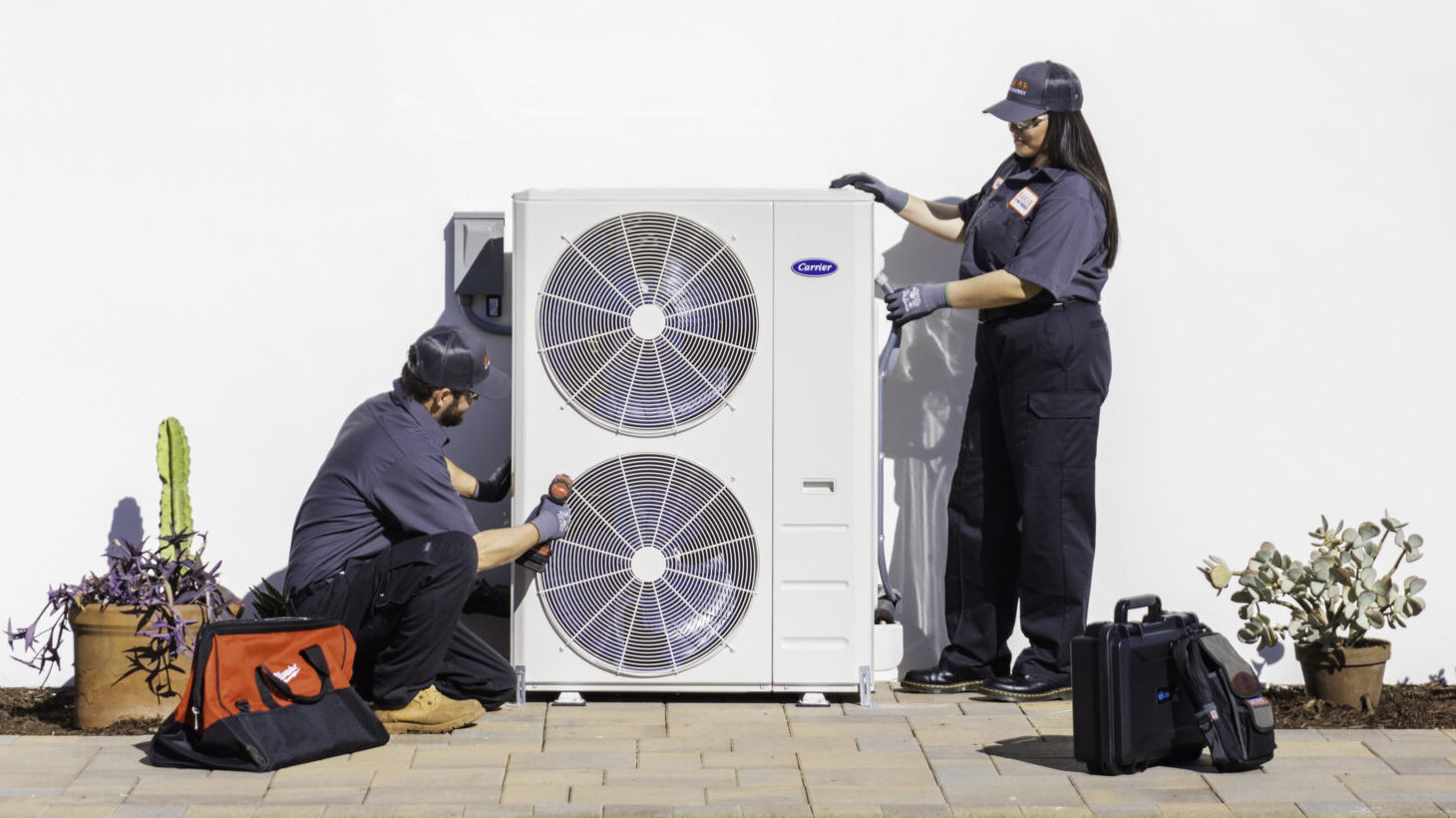
Don’t wait—these tax credits expire soon! Upgrade your heating and air system or water heater now to lock in savings. Baker Home Energy offers expert installation and guidance to ensure your system qualifies for all available incentives.
Trusted HVAC Maintenance & Home Service Plans for Southern California — Comfort, Reliability, and Real Savings
Regular HVAC maintenance and well-designed home service plans schedule inspections, tune-ups, and priority repairs so your heating and cooling…
Understanding the Inflation Reduction Act and Its Impact on Homeowners
The Inflation Reduction Act (IRA) is a significant piece of legislation aimed at promoting energy efficiency and reducing carbon emissions. For homeowners, it provides financial incentives to upgrade heating and air systems, making energy-efficient choices more accessible and affordable.
This act not only enhances the financial viability of energy upgrades but also contributes to a broader environmental goal. By incentivizing the use of heat pumps and other energy-efficient systems, the IRA helps homeowners save money while fostering a sustainable future.
Steps to Prepare for Claiming Your Tax Credits
Preparing to claim your tax credits involves a few essential steps that ensure you maximize your savings. Homeowners should start by gathering all necessary documentation, including receipts for equipment purchases and installation costs, as well as any required certifications.
Additionally, it is crucial to keep track of deadlines and ensure that installations are completed by December 31, 2025. By staying organized and informed, you can navigate the claiming process smoothly and benefit from the available tax credits.
Common Misconceptions About Energy-Efficient Tax Credits
Many homeowners have misconceptions about energy-efficient tax credits, which can lead to missed opportunities for savings. One common myth is that these credits are only available for new systems, whereas many upgrades and retrofits also qualify.
Understanding the full range of eligible improvements can help homeowners take full advantage of the incentives. By dispelling these myths, Baker Home Energy aims to empower homeowners to make informed decisions regarding their energy efficiency investments.
How to Choose the Right Energy-Efficient System for Your Home
Selecting the right energy-efficient system for your home is crucial for maximizing both comfort and savings. Factors to consider include the size of your home, local climate, and specific energy needs, which can all influence the effectiveness of various heating and air systems.
Consulting with a professional can provide valuable insights and recommendations tailored to your situation. By making an informed choice, homeowners can ensure they benefit from the maximum tax credits available while improving their home’s energy efficiency.
Understanding the Inflation Reduction Act and Its Impact on Homeowners
The Inflation Reduction Act (IRA) is a significant piece of legislation aimed at promoting energy efficiency and reducing carbon emissions. For homeowners, it provides financial incentives to upgrade heating and air systems, making energy-efficient choices more accessible and affordable.
This act not only enhances the financial viability of energy upgrades but also contributes to a broader environmental goal. By incentivizing the use of heat pumps and other energy-efficient systems, the IRA helps homeowners save money while fostering a sustainable future.
Steps to Prepare for Claiming Your Tax Credits
Preparing to claim your tax credits involves a few essential steps that ensure you maximize your savings. Homeowners should start by gathering all necessary documentation, including receipts for equipment purchases and installation costs, as well as any required certifications.
Additionally, it is crucial to keep track of deadlines and ensure that installations are completed by December 31, 2025. By staying organized and informed, you can navigate the claiming process smoothly and benefit from the available tax credits.
Common Misconceptions About Energy-Efficient Tax Credits
Many homeowners have misconceptions about energy-efficient tax credits, which can lead to missed opportunities for savings. One common myth is that these credits are only available for new systems, whereas many upgrades and retrofits also qualify.
Understanding the full range of eligible improvements can help homeowners take full advantage of the incentives. By dispelling these myths, Baker Home Energy aims to empower homeowners to make informed decisions regarding their energy efficiency investments.
How to Choose the Right Energy-Efficient System for Your Home
Selecting the right energy-efficient system for your home is crucial for maximizing both comfort and savings. Factors to consider include the size of your home, local climate, and specific energy needs, which can all influence the effectiveness of various heating and air systems.
Consulting with a professional can provide valuable insights and recommendations tailored to your situation. By making an informed choice, homeowners can ensure they benefit from the maximum tax credits available while improving their home’s energy efficiency.