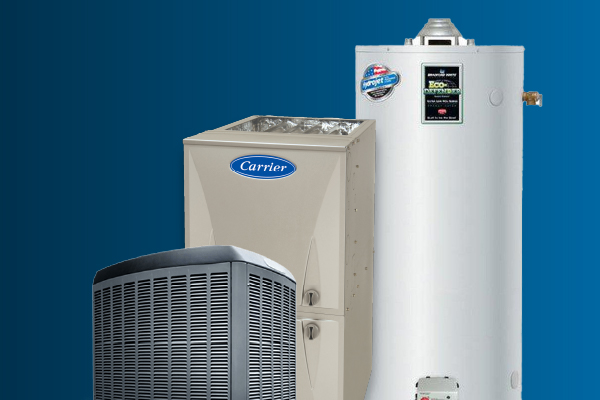
Synchronized Upgrades: Why Replacing Your HVAC and Water Heater Together Makes Sense in Southern California
In Southern California, homeowners are always looking for smart ways to cut energy costs and keep their homes comfortable. Even though HVAC systems and water heaters are usually thought of separately, they often wear out around the same time. Replacing both at once is a practical strategy to improve home performance, boost efficiency, and save money over the long run.
This article walks through typical lifespans for HVAC systems and water heaters, the warning signs that suggest an upgrade is due, and the concrete advantages of replacing both units together. We’ll also outline available incentives for energy-efficient upgrades and explain how Baker Home Energy can guide you through the process. Understanding how these systems’ lifecycles align helps you make choices that increase comfort, lower utility bills, and reduce the chance of unexpected failures.
Understanding the Lifespan of Your HVAC and Water Heater
Your HVAC system and water heater are two of the most important systems in your home — one keeps you comfortable, the other supplies hot water for daily life. They do different jobs, but their useful service lives often overlap. Knowing typical lifespans and spotting early warning signs lets homeowners plan replacements rather than reacting to emergencies.
Typical Lifespans: When to Expect an Upgrade
With proper maintenance, most HVAC systems (furnaces, air conditioners, or heat pumps) last about 10–15 years; some models and well-kept systems can stretch toward 20 years. Conventional tank water heaters typically run 8–12 years, while tankless and heat pump water heaters often last 15–20 years. Because those ranges overlap, if one system is aging, the other may be close behind — so planning ahead can avoid last-minute hassles and give you time to choose the best replacements.
Signs It’s Time for a Replacement
Age is a strong indicator, but watch for these common signs that your HVAC or water heater may be failing:
- Rising energy bills: Older equipment usually runs less efficiently and costs more to operate.
- Frequent repairs: Repeated service calls are a sign that replacement may be more economical than fixing the same problems.
- Inconsistent performance: Uneven heating or cooling, lukewarm showers, or long recovery times between uses.
- Unusual noises or smells: Grinding, banging, or odd odors coming from the unit.
- Visible wear and tear: Rust, leaks, corrosion on a tank, or cracks in a furnace heat exchanger.
Spotting these issues early means you can schedule a planned upgrade instead of dealing with an emergency replacement.
The Strategic Advantage of Simultaneous Replacement
Replacing your HVAC and water heater at the same time can seem like a big project, but it delivers clear strategic advantages — from lower combined costs to better home performance and less hassle.
Maximizing Efficiency and Reducing Utility Bills
Swapping out old HVAC and water heater units for new, high-efficiency models can significantly cut energy use. Modern systems run smarter and use less power to deliver equal or better comfort and hot water. Replacing both systems together ensures your whole home energy setup is efficient, which typically produces larger monthly savings — an important consideration in Southern California where energy costs are high.
Streamlined Installation and Cost Savings
Choosing a simultaneous replacement often lowers total project costs. Contractors can consolidate labor (one visit, one setup), manufacturers or suppliers may offer better pricing on multiple units, and project management is simpler. This approach also reduces disruption since major work happens in a single, coordinated window instead of across multiple visits.
| Replacement Strategy | Potential Benefits | Considerations |
| Simultaneous Replacement | Greater energy savings, one coordinated installation, possible combined incentives, better equipment compatibility, improved long-term reliability. | Higher upfront cost and requires planning. |
| Individual Replacement | Spreads out costs and addresses the most urgent need first. | Multiple disruptions, potential inefficiency from mismatched systems, and lost combined-savings opportunities. |
| Delaying Replacement | Avoids immediate expense. | Higher energy bills, increased risk of emergency failure, potentially costly repairs, and reduced comfort. |
Enhanced Comfort and Reliability with New Systems
Replacing both systems at once means you’re investing in up-to-date technology built for consistent performance. That investment shows up as better comfort, greater reliability, and a healthier home environment.
Consistent Comfort and Performance
New HVAC systems give tighter temperature control, reducing hot and cold spots and keeping your home’s temperature steady. Modern water heaters deliver more dependable hot water, even during peak use. When both systems are new, they complement each other — ensuring reliable, uninterrupted comfort without the inefficiencies of older equipment.
Improved Indoor Air Quality and Quieter Operation
Today’s HVAC systems include better filtration that removes dust, allergens, and pollutants more effectively, and upgraded ventilation options that help freshen indoor air. New equipment is also quieter, so you’ll notice less mechanical noise from both your heating/cooling system and your water heater.
Ready for a Synchronized Home Upgrade?
Don’t wait for a breakdown. Learn how replacing your HVAC and water heater together can save money and reduce headaches. Contact Baker Home Energy for a personalized consultation and a free estimate.
Incentives and Savings for Modern HVAC and Water Heater Replacements
Upgrading to energy-efficient HVAC and water heater models can qualify Southern California homeowners for federal, state, and local incentives designed to lower the upfront cost of cleaner, more efficient equipment.
Federal and State Rebates for Energy-Efficient Upgrades
The federal Inflation Reduction Act includes tax credits for installing high-efficiency systems like heat pumps and heat pump water heaters. California also offers state-level incentives and sometimes local programs that rebate energy-efficient upgrades. Programs change over time, but many are focused on moving homes away from older, less efficient equipment. Replacing both systems at once can open up additional opportunities through whole-home upgrade programs and combined incentives.
Local Utility Programs and Financing Options
Many Southern California utilities offer rebates, low-interest financing, and home energy audits to homeowners who upgrade to efficient HVAC and water heating systems. These programs make it easier to afford upgrades and lower upfront costs. Baker Home Energy can help you identify the incentives and financing options that apply to your project.
Baker Home Energy: Your Partner for Synchronized Replacements
With more than 86 years serving Southern California, Baker Home Energy helps homeowners make practical, long-lasting choices about home comfort systems. We specialize in planned, synchronized replacements to maximize efficiency and reliability across your home.
Expertise in Modern HVAC and Water Heater Replacements
Our certified team installs and replaces all major types of HVAC systems (furnaces, air conditioners, heat pumps) and water heaters (tank, tankless, and heat pump models). We keep up with the latest technology and sizing best practices so your new systems are properly matched, expertly installed, and tuned for your home. We focus on quality workmanship and clear communication to make the process smooth from start to finish.
Local Success Stories: Seamless Replacements
Baker Home Energy has completed successful synchronized replacement projects across Southern California. Our local case studies show measurable gains in efficiency, comfort, and peace of mind after homeowners upgraded aging systems at the same time. We’re proud to help neighbors create more efficient, comfortable homes.
Key Considerations for Your Synchronized Upgrade
Replacing your HVAC and water heater at once is a meaningful investment. Below are the main factors Southern California homeowners should weigh to ensure a smooth, beneficial upgrade.
Is a Synchronized Replacement Right for Your Home?
To decide if synchronizing replacements makes sense, consider:
- Age of current systems: Are both units near or past their expected lifespans?
- Performance issues: Are you dealing with frequent breakdowns, high utility bills, or uneven comfort and hot water?
- How long you’ll stay: Do you plan to stay in the home long enough to recover the investment?
- Budget: Upfront costs are higher, but long-term savings and incentives can offset that.
- Home energy audit: A professional assessment reveals overall needs and recommends the right equipment.
A consultation with an expert can help you weigh these factors and choose the best path.
Installation and Long-Term Maintenance
Proper installation by licensed professionals is essential for efficiency and longevity. Make sure your contractor follows local codes and manufacturer instructions, and that systems are correctly sized for your home. After installation, schedule regular professional maintenance — annual inspections and tune-ups for both systems will help prevent problems, preserve efficiency, extend service life, and protect your investment.
Frequently Asked Questions
1. What are the benefits of replacing HVAC and water heaters together?
Replacing both systems at once delivers clear benefits: lower combined installation costs, potential for bundled incentives, and better overall energy performance. New systems installed together are more likely to be properly sized and compatible, which improves reliability and reduces utility bills. It also minimizes repeated disruptions from multiple installations.
2. How can I determine if my HVAC or water heater needs replacement?
Consider age, repair frequency, and performance. HVAC systems over 10–15 years old and water heaters around 8–12 years are typical candidates for replacement. Look for higher energy bills, frequent service calls, inconsistent heating or hot water, and visible wear. A professional home energy audit will give you a clear picture of system condition and efficiency.
3. Are there financing options available for replacing HVAC and water heaters?
Yes. Many local programs and utilities offer financing, rebates, and incentives to help homeowners upgrade to energy-efficient equipment. Some contractors also provide financing plans that spread payments over time. Talk with Baker Home Energy to review available financing and find the option that fits your budget.
4. What types of HVAC systems and water heaters are available for replacement?
You can choose from traditional furnaces, air conditioners, and increasingly popular heat pumps for HVAC. For water heating, options include conventional tank models, tankless systems, and heat pump water heaters. Each type has trade-offs in efficiency, space, and cost — a professional can help match the right systems to your home and goals.
5. How can I ensure proper installation of my new systems?
Hire licensed, experienced professionals who follow local codes and manufacturer guidelines. Confirm systems are right-sized for your home before installation, and set up a regular maintenance plan afterward. Proper installation and routine service protect performance and extend equipment life.
6. What incentives are available for energy-efficient upgrades in Southern California?
Homeowners may be eligible for federal tax credits (such as those from the Inflation Reduction Act) for high-efficiency HVAC and heat pump water heaters, plus state rebates in California and local utility incentives. These programs change over time, so work with a qualified contractor who can identify current opportunities to reduce your upfront costs.
7. How do new systems improve indoor air quality?
Modern HVAC systems include better air filtration and ventilation options that remove dust, pollen, and other pollutants more effectively. Upgraded filtration and balanced ventilation help circulate cleaner air through your home, reducing allergens and improving overall indoor comfort and health.