(6 Minute Read)
If this spring already feels like summer, you’re not alone. Across Southern California, a recent heatwave in March pushed temperatures far beyond what homeowners normally expect this time of year. In some inland areas, temperatures climbed 20–30 degrees above average, breaking long standing records and forcing many homes to turn on the air conditioner much earlier than planned.
That early heat has sparked an important question for San Diego homeowners:
Does a hot winter mean we’re headed for a long, expensive summer — and what does that mean for AC savings?
Why This Heatwave Matters for Homeowners
This March heatwave wasn’t just uncomfortable — it was revealing.
According to meteorologists, the unusual warmth was driven by a strong high pressure system that trapped heat over the Southwest, a pattern more commonly seen during peak summer months. When this kind of system shows up early, it often forces homes into “cooling mode” weeks or even months ahead of schedule.
For homeowners, that means:
- Air conditioners running earlier and longer
- Higher electricity use during shoulder season
- Less opportunity to catch small efficiency issues before summer hits
Does a Hot Winter Guarantee a Hot Summer?
Not exactly — but it does raise the stakes.
The National Oceanic and Atmospheric Administration (NOAA) says seasonal outlooks for spring and early summer are currently leaning toward above normal temperatures across much of the western U.S., including California. While no forecast can guarantee how hot each day will be, the trend suggests more frequent and longer heatwaves are possible.
NOAA Climate Prediction Center – Seasonal Outlooks
NOAA has also noted that spring 2026 is already tracking warmer than average — meaning homes may experience summer like energy demand earlier than usual.
How Heatwaves Impact AC Costs and Energy Bills
When summers stretch longer, energy costs rarely stay flat.
Each additional cooling day adds strain to your AC system and increases your home’s energy use. Over time, homeowners may notice:
- Gradually rising monthly electric bills
- AC systems running longer to maintain the same temperature
- Hot spots and uneven cooling throughout the home
This is where AC savings become critical. Even small inefficiencies — dirty filters, airflow restrictions, aging equipment — can quietly cost homeowners hundreds of dollars over a long summer.
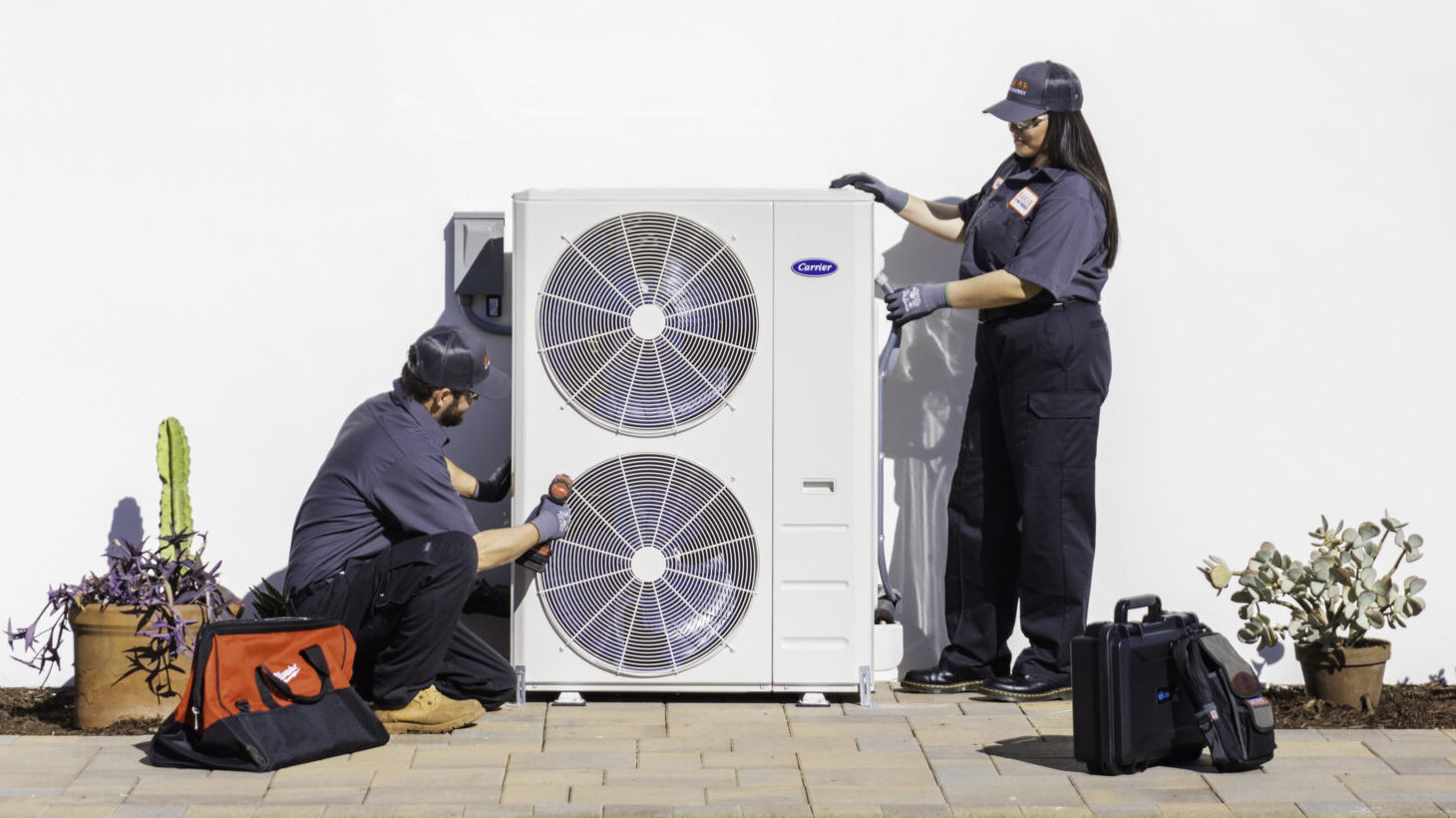
Learn more about Baker’s AC services
Why Longer Summers Cost More Than You Think
A longer summer doesn’t just mean higher bills — it can also shorten the lifespan of your system.
When AC systems operate for more hours each year:
- Components wear out faster
- Minor issues become major repairs
- Breakdowns are more likely during peak demand, when service delays are common
Many homeowners assume higher summer bills are unavoidable. In reality, the biggest energy losses often come from preventable issues.
How Homeowners Can Improve AC Savings During Heatwaves
The good news is that there are ways to protect both comfort and your wallet during long heatwaves.
Homeowners who focus on efficiency early often see:
- Lower monthly energy costs
- More consistent indoor temperatures
- Less strain on their AC system during extreme heat
Smart steps include making sure your cooling system is running efficiently, improving airflow throughout the home, and addressing indoor air quality — which plays a larger role in comfort than many people realize.
FAQ: Heatwaves, Summer Forecasts & AC Savings
Can forecasters really predict how hot summer will be?
Not precisely. Seasonal forecasts look at probabilities, not exact temperatures. They help identify whether regions are more likely to experience above normal heat — especially during heatwaves — rather than predicting daily highs.
Why do summers seem longer every year?
Earlier spring heatwaves and later fall warm spells increase the number of days homes rely on air conditioning. Even a few extra weeks of cooling can significantly impact annual energy costs.
Does El Niño or La Niña affect AC costs?
Indirectly. These climate patterns influence weather behavior, but what matters most for homeowners is how long cooling systems run and how efficiently they operate during extended heat.
Why does my AC feel less effective during heatwaves?
As outdoor temperatures rise, AC systems must work harder to remove heat from your home. If a system is already struggling or inefficient, heatwaves amplify the problem.
What’s the best way to increase AC savings during a long summer?
Efficiency beats reaction. Addressing performance issues early — before peak summer heat — helps reduce energy use, improve comfort, and avoid emergency repairs.
Stay Ahead of Heatwaves with Baker Home Energy
At Baker Home Energy, we help San Diego homeowners prepare for longer summers, rising energy costs, and unpredictable heatwaves.
If your home felt uncomfortable during this early heatwave, it’s a strong sign that now is the time to act — before summer demand peaks.