Key Takeaways
San Diego residents are seeing higher SDG&E electric bills due to several key factors:
- Increased Base Service Charges: Fixed monthly fees for infrastructure and customer service have gone up.
- Wildfire Mitigation Costs: Essential safety upgrades to prevent wildfires are passed on to consumers.
- CPUC-Approved Rate Hikes: The California Public Utilities Commission regularly approves rate adjustments to cover utility costs.
- Infrastructure Investments: Ongoing upgrades and maintenance of the power grid contribute to higher rates.
To manage costs, consumers can utilize energy efficiency programs and adopt energy-saving habits.
The Real Reasons Your SDG&E Electric Bill Is Going Up in San Diego: Understanding Rate Increases and Wildfire Mitigation Costs
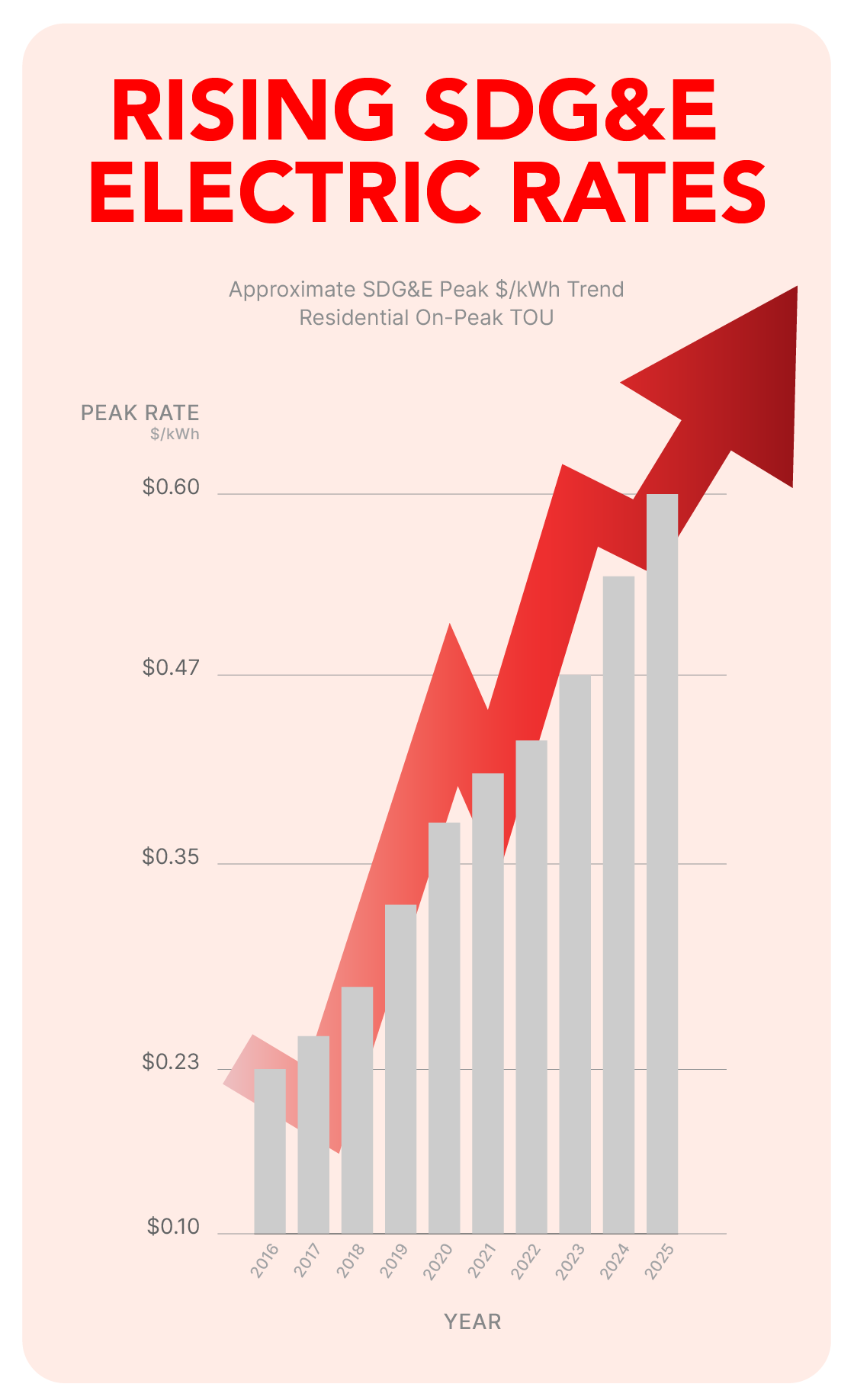
As residents of San Diego, many are noticing a significant increase in their SDG&E electric bills. Understanding the underlying reasons for these hikes is crucial for consumers who want to manage their energy costs effectively. This article delves into the four primary factors contributing to rising electric bills: base service charges, wildfire mitigation costs, and CPUC-approved rate hikes, and infastructure investments. By exploring these elements, readers will gain insights into how these factors impact their monthly expenses and what they can do to mitigate these increases. We will also discuss the California Public Utilities Commission’s (CPUC) role in approving rate adjustments and the measures consumers can take to manage their bills effectively.
What Are the Base Service Charges and How Have They Increased?
Base service charges are the fixed monthly fees that utility companies like SDG&E impose on customers to cover the costs of providing electricity service, including infrastructure maintenance and customer service. Most customers will pay approximately $24 per month for this charge, as detailed on the SDG&E electric billing page. These charges have seen increases over recent years, significantly impacting overall electric bills. Understanding these charges is essential for consumers to grasp how their bills are structured and what they can expect in the future.
What Components Make Up the SDG&E Base Service Charge?
The SDG&E base service charge consists primarily of fixed costs related to maintaining the electric grid and customer services. The components include:
- Distribution Costs: Costs incurred in delivering electricity from substations to homes and businesses.
- Customer Service Costs: Expenses related to billing, metering, and customer support.
- Public Purpose Programs: Funding for energy efficiency and renewable energy initiatives.
Generation and transmission costs are typically recovered through variable usage charges, not the base service charge.
How Do Base Service Charge Increases Affect Your Electric Bill?
Increases in the base service charge directly correlate with higher monthly electric bills. For instance, if the base service charge rises by $5, consumers will see an equivalent increase in their bills. Many customers express frustration over these hikes, especially when they feel they are not receiving additional value for the increased costs. Understanding this relationship helps consumers anticipate changes in their bills and budget accordingly.
How Do Wildfire Mitigation Upgrades Impact SDG&E Electric Bills?
Wildfire mitigation upgrades ensure the safety and reliability of the electric grid, particularly in California, where wildfires pose a significant threat. These upgrades, however, come at a substantial cost, which is often passed on to consumers through higher electric bills. The ongoing need for these investments means that wildfire mitigation remains a significant driver of bill increases, as highlighted by reports on upcoming utility bill increases.
What Wildfire Safety Measures Has SDG&E Implemented?
- Enhanced Vegetation Management: Regular trimming and removal of trees and vegetation near power lines to reduce fire risks.
- Installation of Weather Stations and Fire Cameras: Monitoring weather conditions and fire risks to predict and respond to potential fire threats.
- Undergrounding Power Lines: Moving power lines underground in select high-risk areas to prevent fires caused by downed lines.
- Installation of Covered Conductor and Insulated Wires: Upgrading overhead lines to reduce the chance of sparking.
Why Do Wildfire Mitigation Costs Lead to Higher Base Charges?
The costs associated with wildfire mitigation are significant and often lead to higher fixed charges or surcharges on bills. As SDG&E invests in safety measures, these expenses are incorporated into the overall cost structure approved by the CPUC. This means that while these upgrades are necessary for safety, they also contribute to the rising costs that consumers face on their electric bills.
What Is the CPUC Rate Hike Approval Process for SDG&E?
The California Public Utilities Commission (CPUC) plays a critical role in regulating utility rates and approving any proposed rate hikes. Understanding this process can help consumers grasp how and why their bills change over time, as CPUC-approved rate hikes are a direct cause of increased electric bills.
How Does the California Public Utilities Commission Approve Rate Changes?
- Filing of Rate Cases: Utilities submit applications detailing the need for rate increases.
- Public Participation Hearings: Stakeholders, including consumers, can voice their opinions and concerns.
- Review and Decision: The CPUC reviews the evidence and makes a decision on the proposed rates.
This process ensures that rate changes are justified and transparent, although it can be lengthy and complex.
What Recent Rate Hikes Has CPUC Approved for SDG&E?
The CPUC regularly reviews and approves rate adjustments for utilities. While recent headlines, such as the one detailing a San Diego gas rate increase in April, highlight ongoing utility cost adjustments, similar processes apply to electric rates. The CPUC has approved several electric rate hikes for SDG&E, primarily to cover increased costs associated with wildfire mitigation, infrastructure improvements, and grid modernization efforts. These hikes have raised concerns among consumers, as they directly impact monthly bills. Understanding these recent changes can help consumers prepare for future increases and advocate for fair pricing.
How Do Infrastructure Investments Combine to Increase Your Electric Bill?
Infrastructure investments are crucial for maintaining and improving the reliability of the electric grid. However, these investments often lead to increased costs that are passed on to consumers.
What Role Does the San Diego Power Grid Play in Rate Changes?
The San Diego power grid is a complex system that requires ongoing maintenance and upgrades to ensure reliability. Investments in this infrastructure, such as upgrading aging equipment, expanding capacity, and integrating renewable energy sources, are necessary but can lead to higher rates. As SDG&E invests in these improvements, consumers may see corresponding increases in their electric bills.
How Do Upgrades and Maintenance Costs Reflect on Your Bill?
Upgrades and maintenance costs are significant contributors to rising electric bills. When SDG&E invests in new technology or repairs existing infrastructure, these costs are factored into the rates charged to consumers. This means that while these investments are essential for long-term reliability, they can lead to short-term increases in monthly bills.
What Can Consumers Do to Manage Rising SDG&E Electric Bills?
As electric bills continue to rise, consumers can take proactive steps to manage their energy costs effectively. Understanding available programs and implementing energy-saving strategies can help mitigate the impact of these increases.
What Tips Can Reduce Your Monthly Bill?
- Go Solar: By generating your own electricity and storing it, you can significantly reduce your reliance on the utility grid and gain greater control over your energy costs.
- Use Energy-Efficient Lighting: Switch to LED bulbs, which consume less energy.
- Unplug Devices: Disconnect electronics when not in use to prevent phantom energy consumption.
- Adjust Thermostat Settings: Set thermostats a few degrees higher in summer and lower in winter to save on heating and cooling costs.
Implementing these strategies can help consumers manage their electric bills more effectively.
How Solar Panels and Battery Storage Can Solve for Rising Electric Bills
For many San Diego residents, investing in solar energy combined with battery storage offers a powerful long-term solution to combat rising SDG&E electric bills.
The Benefits of Solar Energy and Battery Storage
Solar panels convert sunlight into electricity, directly offsetting the power you would otherwise purchase from SDG&E. Under current policies (like NEM 3.0 in California), excess solar energy generated during the day can be sent back to the grid for credits, further reducing your bill. Pairing solar panels with a home battery storage system amplifies your savings and energy independence:
- Time-of-Use (TOU) Optimization: Batteries store excess solar energy generated during the day (when rates might be lower or you’re producing more than you use) and discharge it during peak evening hours when SDG&E rates are highest, minimizing expensive grid purchases.
- Backup Power: In the event of a power outage, a battery system can keep essential appliances running, providing peace of mind and energy security.
- Greater Energy Independence: Reduce your reliance on the grid and protect yourself from future rate hikes and unexpected outages.
- Demand Charge Management: For some rate structures, batteries can help reduce demand charges by limiting peak power draws from the grid.
While the initial investment for solar and battery storage can be substantial, various federal, state, and local incentives, such as the federal solar tax credit, can help make these solutions more accessible and financially viable in the long run, offering a robust defense against the ever-increasing costs of utility power.