(5 Minute Read)
Spring and summer are the most productive months of the year for solar energy in Southern California. Days are longer, the sun sits higher in the sky, and cloud cover is typically limited. For many homeowners, this is when solar systems should be doing the heaviest lifting—offsetting air‑conditioning costs and keeping utility bills in check.
But strong sunlight alone doesn’t guarantee strong performance. Solar systems only deliver full value when they’re properly functioning which is why monitoring is so critical.
Many systems installed between 2010 and 2017 either lack monitoring entirely or rely on early‑generation platforms that only show rough production totals. In some cases, homeowners don’t realize anything is wrong until a year‑end bill arrives or a true‑up statement shows higher usage than expected.
What Solar Monitoring Actually Does
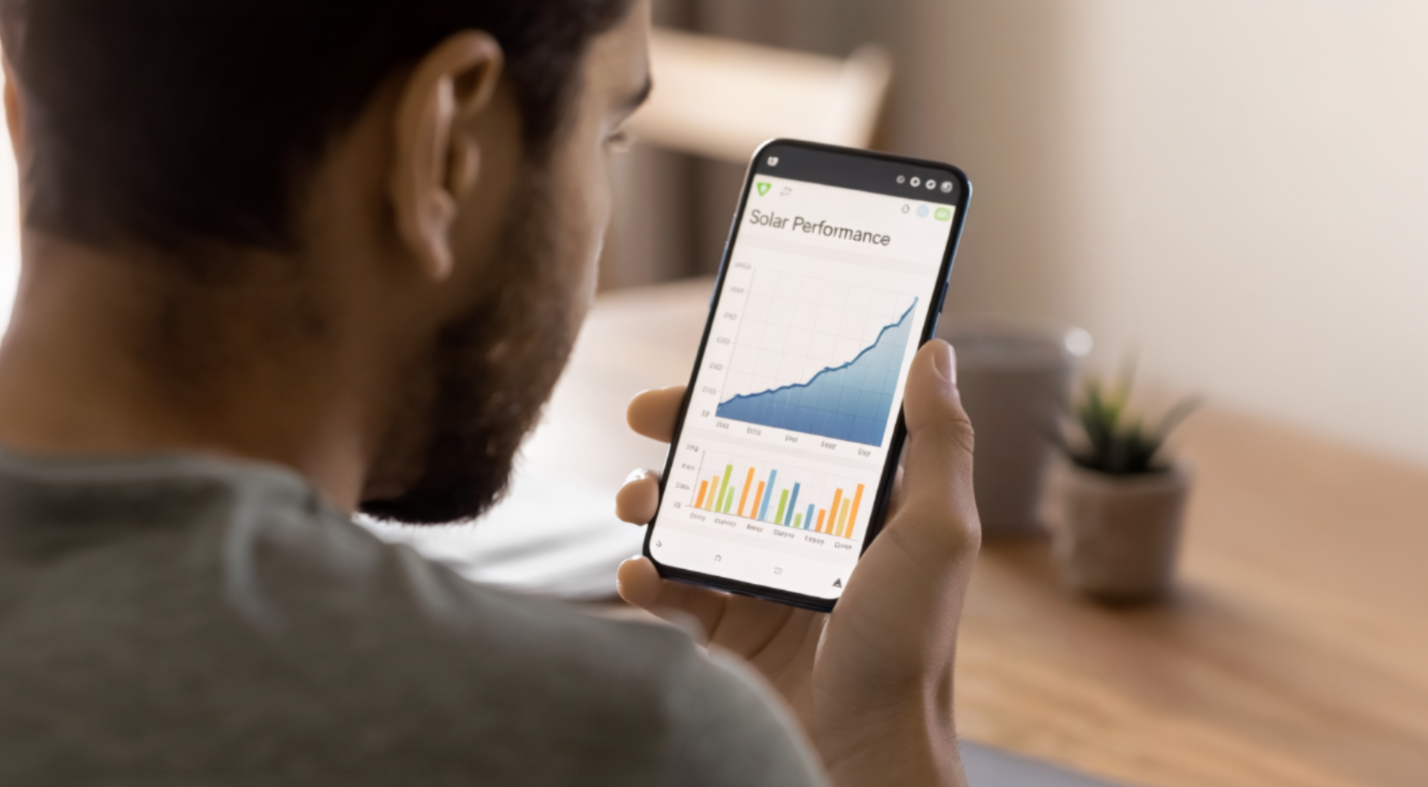
Modern monitoring systems track:
- Daily and real‑time energy production
- Performance trends across months and seasons
- System interruptions caused by inverter faults, damaged panels, or communication loss
Without monitoring, a system can quietly underperform for weeks—or even months—without obvious warning signs.
Why Older Systems Are Most at Risk
As systems age, performance issues become more common:
- Inverters cycle more frequently
- Panel connections loosen over time
- Shade grows as trees mature
- Dirt and debris reduce output
The challenge is that these problems aren’t visible from the ground. Monitoring is often the only way to spot them early.
Monitoring Isn’t Just for New Installations
A common misconception is that monitoring requires a full system replacement. In reality, many existing systems can be upgraded with:
- Inverter‑level monitoring retrofits
- Add‑on production meters
- Consumption tracking that shows how solar aligns with home energy use
These options give homeowners insight without altering their array or roof.
Why Spring Is the Best Time to Add Monitoring
Spring provides a clean performance baseline before summer demand peaks. Installing or upgrading monitoring now allows homeowners to:
- Confirm systems are operating at full capacity
- Address issues before air‑conditioning loads rise
- Enter summer knowing their solar investment is working as intended
For homeowners with, or considering, home batteries, monitoring also plays a key role in understanding when solar energy is being stored, consumed, or exported.
Bottom Line
Solar monitoring isn’t just a “nice‑to‑have.” As energy costs rise and weather becomes less predictable, it’s one of the most effective ways to protect the long‑term value of a solar system—especially as we head into peak sun season.
If you’re curious whether your solar system is producing as expected, or want better visibility as peak sun season approaches, ask us about monitoring options for both newer and existing installations.