Home energy improvements are essential for increasing comfort and reducing utility costs. This section provides an overview of various upgrades homeowners can make, such as HVAC installations, solar energy systems, and insulation enhancements.
Investing in home energy improvements not only boosts property value but also contributes to environmental sustainability. For example, switching to energy-efficient HVAC systems can significantly lower energy consumption, while solar panels can reduce reliance on grid electricity and offer long-term savings.
Benefits of Upgrading Your HVAC System
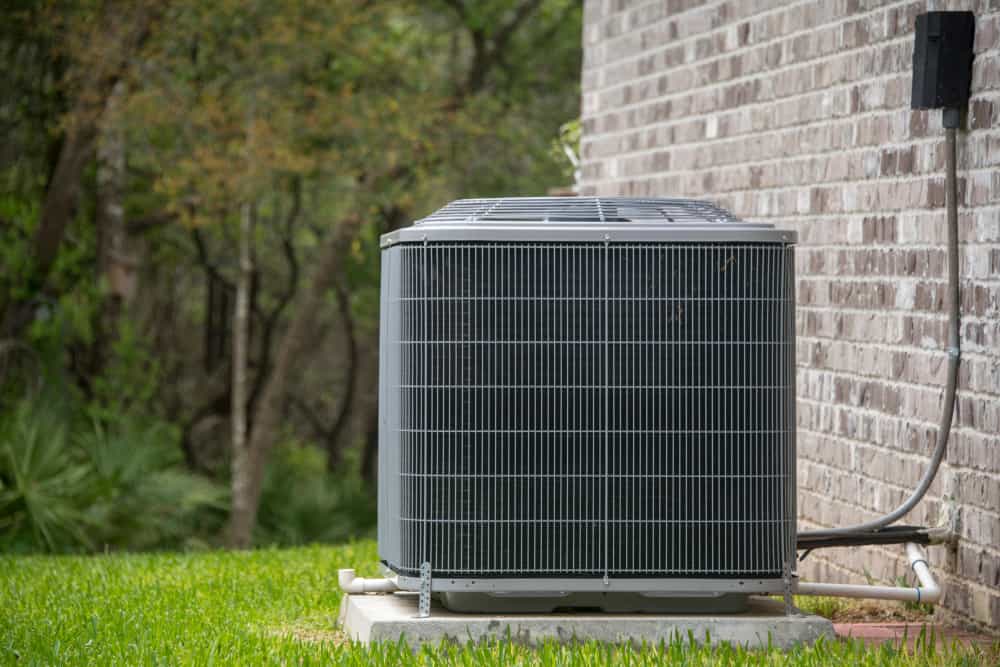
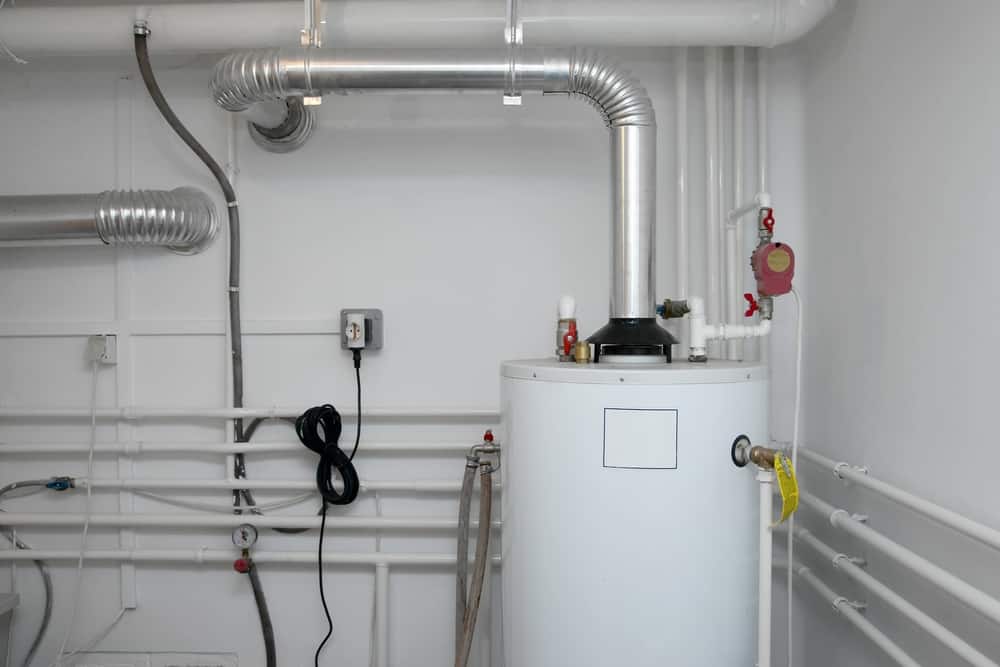
Upgrading your HVAC system can lead to enhanced energy efficiency and improved indoor air quality. Homeowners often experience lower energy bills and a more comfortable living environment after making such upgrades.
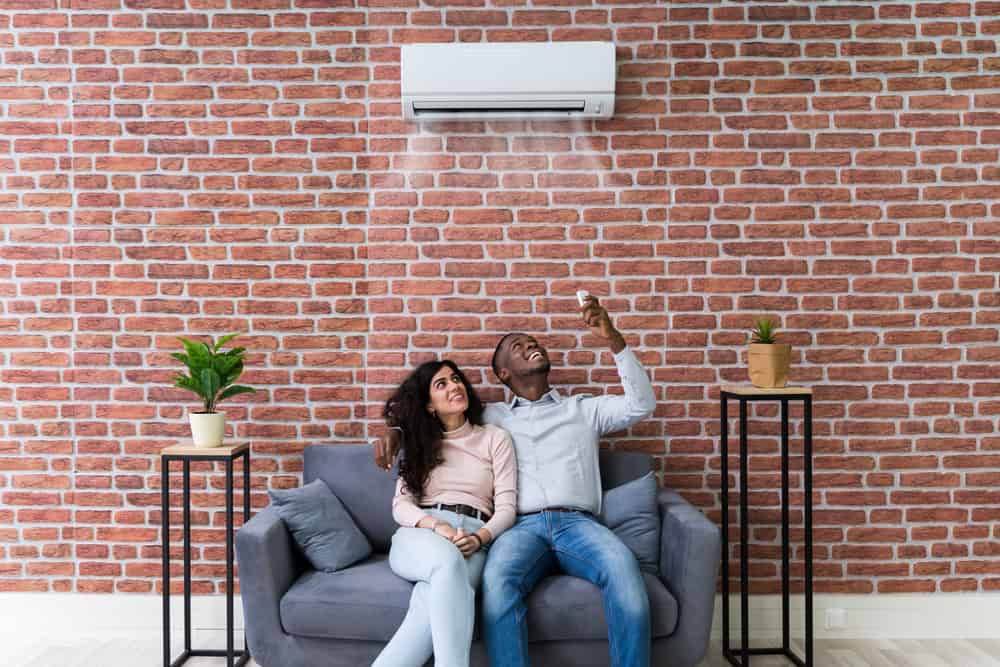
Modern HVAC systems come equipped with advanced technologies like smart thermostats and variable-speed motors, which optimize energy use. For instance, a high-efficiency air conditioner can save homeowners up to 50% on cooling costs compared to older models.
Cost Analysis of Solar Energy Systems
Understanding the costs associated with solar energy systems is crucial for homeowners considering this investment. This section breaks down the initial installation costs, potential savings over time, and available financing options.
While the upfront cost of solar panels can be significant, various incentives, such as tax credits and rebates, can mitigate these expenses. Additionally, many homeowners report substantial savings on their electricity bills, often recouping their investment within a few years.
Energy Efficiency Tips for Homeowners
Homeowners can implement several strategies to improve energy efficiency without major renovations. Simple changes, such as sealing leaks, upgrading insulation, and using energy-efficient appliances, can yield significant savings.
For example, using LED lighting instead of traditional incandescent bulbs can reduce energy consumption dramatically. Furthermore, regular maintenance of HVAC systems ensures they operate at peak efficiency, contributing to lower energy bills and a more comfortable home environment.
Understanding Home Energy Improvements
Home energy improvements are essential for increasing comfort and reducing utility costs. This section provides an overview of various upgrades homeowners can make, such as HVAC installations, solar energy systems, and insulation enhancements.
Investing in home energy improvements not only boosts property value but also contributes to environmental sustainability. For example, switching to energy-efficient HVAC systems can significantly lower energy consumption, while solar panels can reduce reliance on grid electricity and offer long-term savings.
Benefits of Upgrading Your HVAC System
Upgrading your HVAC system can lead to enhanced energy efficiency and improved indoor air quality. Homeowners often experience lower energy bills and a more comfortable living environment after making such upgrades.
Modern HVAC systems come equipped with advanced technologies like smart thermostats and variable-speed motors, which optimize energy use. For instance, a high-efficiency air conditioner can save homeowners up to 50% on cooling costs compared to older models.
Cost Analysis of Solar Energy Systems
Understanding the costs associated with solar energy systems is crucial for homeowners considering this investment. This section breaks down the initial installation costs, potential savings over time, and available financing options.
While the upfront cost of solar panels can be significant, various incentives, such as tax credits and rebates, can mitigate these expenses. Additionally, many homeowners report substantial savings on their electricity bills, often recouping their investment within a few years.
Energy Efficiency Tips for Homeowners
Homeowners can implement several strategies to improve energy efficiency without major renovations. Simple changes, such as sealing leaks, upgrading insulation, and using energy-efficient appliances, can yield significant savings.
For example, using LED lighting instead of traditional incandescent bulbs can reduce energy consumption dramatically. Furthermore, regular maintenance of HVAC systems ensures they operate at peak efficiency, contributing to lower energy bills and a more comfortable home environment.