The California Public Utilities Commission (CPUC) plays a crucial role in regulating the state's energy policies, which directly influence electric rates for residents and businesses. Understanding the CPUC's functions and decisions can empower consumers to make informed choices about their energy consumption and costs.
The CPUC oversees utility companies, ensuring they provide reliable services while promoting fair pricing and sustainable practices. Recent changes in regulations, such as those addressing renewable energy mandates and rate design, have significant implications for how Californians manage their energy usage and expenses.
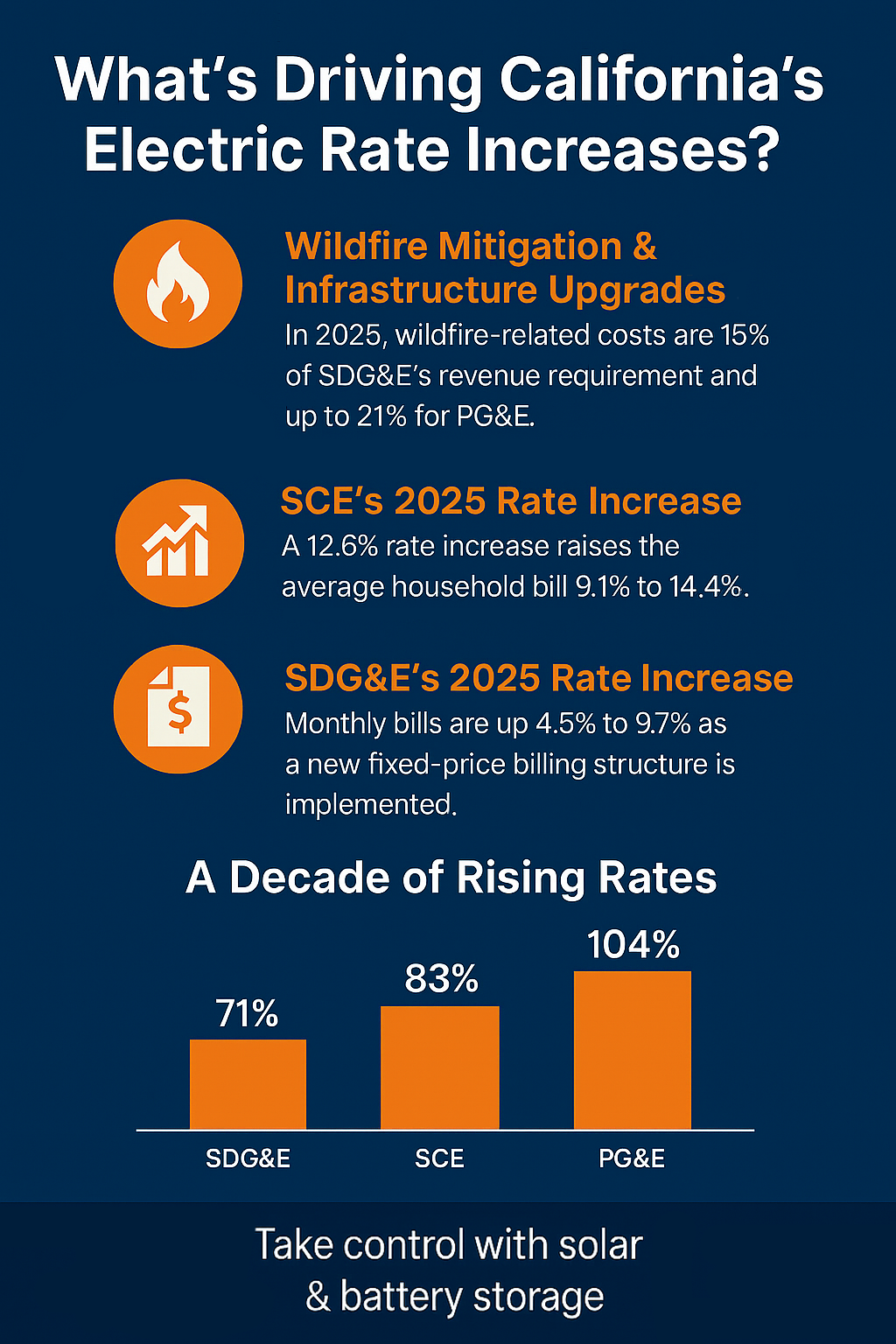
Several factors contribute to the rising electric rates in California, including the cost of energy procurement, infrastructure upgrades, and the transition to renewable energy sources. As demand for electricity continues to grow, understanding these elements can help consumers anticipate changes in their energy bills.
For instance, investments in grid modernization and the integration of solar and wind power are essential for meeting California's ambitious climate goals. However, these initiatives often come with higher upfront costs that can lead to increased rates for consumers, making it vital to stay informed about ongoing developments.
Learning to navigate energy bills is essential for California consumers looking to manage their costs effectively. By understanding the components of their bills, such as delivery charges, energy usage, and taxes, customers can identify areas for potential savings.
Additionally, utilizing tools like energy calculators and consumption tracking apps can help consumers monitor their usage patterns and adjust their habits accordingly. This proactive approach not only leads to cost savings but also contributes to a more sustainable energy future.
Numerous resources are available for consumers seeking to understand energy policies and programs in California. Websites like the CPUC's official page provide insights into regulatory changes, energy-saving programs, and financial incentives for adopting renewable energy solutions.
Moreover, local community organizations often host workshops and informational sessions to educate residents on energy efficiency practices and available assistance programs. Engaging with these resources can empower consumers to make informed decisions about their energy use and financial investments in energy solutions.
The California Public Utilities Commission (CPUC) plays a crucial role in regulating the state's energy policies, which directly influence electric rates for residents and businesses. Understanding the CPUC's functions and decisions can empower consumers to make informed choices about their energy consumption and costs.
The CPUC oversees utility companies, ensuring they provide reliable services while promoting fair pricing and sustainable practices. Recent changes in regulations, such as those addressing renewable energy mandates and rate design, have significant implications for how Californians manage their energy usage and expenses.
Several factors contribute to the rising electric rates in California, including the cost of energy procurement, infrastructure upgrades, and the transition to renewable energy sources. As demand for electricity continues to grow, understanding these elements can help consumers anticipate changes in their energy bills.
For instance, investments in grid modernization and the integration of solar and wind power are essential for meeting California's ambitious climate goals. However, these initiatives often come with higher upfront costs that can lead to increased rates for consumers, making it vital to stay informed about ongoing developments.
Learning to navigate energy bills is essential for California consumers looking to manage their costs effectively. By understanding the components of their bills, such as delivery charges, energy usage, and taxes, customers can identify areas for potential savings.
Additionally, utilizing tools like energy calculators and consumption tracking apps can help consumers monitor their usage patterns and adjust their habits accordingly. This proactive approach not only leads to cost savings but also contributes to a more sustainable energy future.
Numerous resources are available for consumers seeking to understand energy policies and programs in California. Websites like the CPUC's official page provide insights into regulatory changes, energy-saving programs, and financial incentives for adopting renewable energy solutions.
Moreover, local community organizations often host workshops and informational sessions to educate residents on energy efficiency practices and available assistance programs. Engaging with these resources can empower consumers to make informed decisions about their energy use and financial investments in energy solutions.