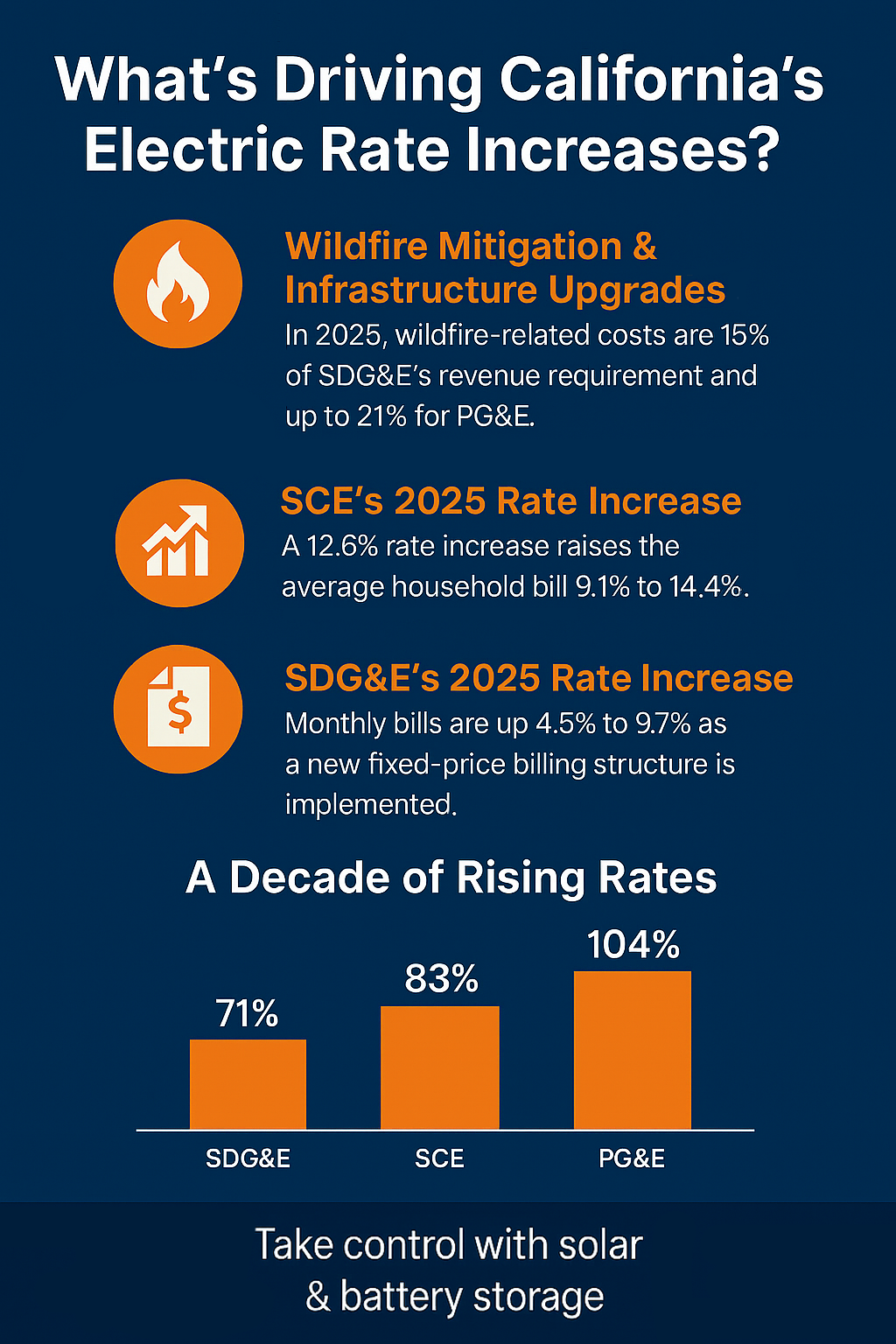
California's electric rates have been a topic of concern for many residents, especially with recent surges impacting household budgets. Understanding the factors that contribute to these rates can empower consumers to make informed decisions about their energy usage and costs.
Several factors influence electric rates in California, including supply and demand dynamics, regulatory policies, and the increasing reliance on renewable energy sources. By staying informed about these elements, consumers can better navigate their energy choices and potentially find ways to reduce expenses.
Managing energy bills effectively requires a combination of awareness and proactive measures. Homeowners can significantly reduce their monthly expenses by implementing energy-saving strategies and utilizing available resources.
Simple actions such as upgrading to energy-efficient appliances, using programmable thermostats, and taking advantage of time-of-use rates can lead to substantial savings. Additionally, understanding peak usage times and adjusting consumption accordingly can further help in managing costs.
The shift towards renewable energy sources has a profound impact on electric rates in California. As the state aims to increase its reliance on solar and wind energy, consumers may experience fluctuations in their bills based on the availability and integration of these resources into the grid.
While the initial transition may lead to increased costs, the long-term benefits of renewable energy could stabilize or even lower electric rates. Programs encouraging solar panel installations and incentives for energy storage systems are examples of how consumers can benefit from this shift.
Staying updated on electric rate changes is crucial for consumers to adapt their energy usage effectively. Various resources are available to help residents understand these fluctuations and their implications on household budgets.
Websites dedicated to energy information, local utility company announcements, and government resources provide valuable insights into rate changes. Engaging with community forums and attending informational workshops can also enhance understanding and preparedness for future rate adjustments.
California's electric rates have been a topic of concern for many residents, especially with recent surges impacting household budgets. Understanding the factors that contribute to these rates can empower consumers to make informed decisions about their energy usage and costs.
Several factors influence electric rates in California, including supply and demand dynamics, regulatory policies, and the increasing reliance on renewable energy sources. By staying informed about these elements, consumers can better navigate their energy choices and potentially find ways to reduce expenses.
Managing energy bills effectively requires a combination of awareness and proactive measures. Homeowners can significantly reduce their monthly expenses by implementing energy-saving strategies and utilizing available resources.
Simple actions such as upgrading to energy-efficient appliances, using programmable thermostats, and taking advantage of time-of-use rates can lead to substantial savings. Additionally, understanding peak usage times and adjusting consumption accordingly can further help in managing costs.
The shift towards renewable energy sources has a profound impact on electric rates in California. As the state aims to increase its reliance on solar and wind energy, consumers may experience fluctuations in their bills based on the availability and integration of these resources into the grid.
While the initial transition may lead to increased costs, the long-term benefits of renewable energy could stabilize or even lower electric rates. Programs encouraging solar panel installations and incentives for energy storage systems are examples of how consumers can benefit from this shift.
Staying updated on electric rate changes is crucial for consumers to adapt their energy usage effectively. Various resources are available to help residents understand these fluctuations and their implications on household budgets.
Websites dedicated to energy information, local utility company announcements, and government resources provide valuable insights into rate changes. Engaging with community forums and attending informational workshops can also enhance understanding and preparedness for future rate adjustments.