Comprehensive Guide to Financing Solar Energy Solutions
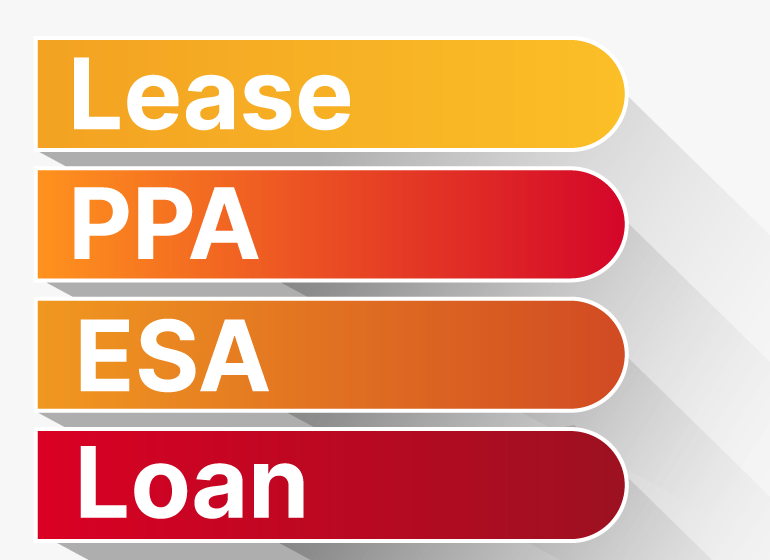
Understanding the financing options available for solar energy solutions is crucial for homeowners looking to invest in renewable energy. This guide will provide an overview of various financing methods, including solar loans, leases, and power purchase agreements (PPAs), helping potential customers make informed decisions tailored to their financial situations.
Each financing option has its unique benefits and drawbacks. For instance, solar loans allow homeowners to own their systems outright, leading to greater long-term savings, while leases and PPAs can reduce upfront costs, making solar energy more accessible. This guide will break down these options, ensuring users understand the implications of each choice.
Understanding Tax Incentives for Solar Energy Investments
Tax incentives play a significant role in making solar energy investments more affordable. Homeowners can benefit from federal and state tax credits, which can significantly reduce the overall cost of solar installations. This section will explore the Investment Tax Credit (ITC) and other local incentives that can help maximize savings.
For example, the federal ITC allows homeowners to deduct a percentage of their solar installation costs from their federal taxes. Additionally, various states offer their own incentives, such as rebates or performance-based incentives, which can further enhance the financial viability of solar investments. Understanding these incentives is essential for homeowners to optimize their financial planning.
Comparing Financing Options: Which is Right for You?
Choosing the right financing option for solar energy can be overwhelming due to the variety of choices available. This section will provide a comparative analysis of the most common options—solar loans, leases, and PPAs—highlighting their differences, advantages, and potential drawbacks.
For instance, while a solar loan may offer the highest long-term savings, a lease may require little to no upfront payment, making it an attractive option for budget-conscious homeowners. By evaluating individual financial situations and energy needs, homeowners can select the financing method that aligns best with their goals and budget.
Long-Term Savings: The Financial Benefits of Going Solar
Investing in solar energy not only contributes to a sustainable future but also offers significant long-term financial benefits. This section will delve into how solar energy systems can reduce electricity bills, increase property value, and provide a hedge against rising energy costs.
Studies show that homes equipped with solar energy systems often see an increase in property value, making them a wise investment for homeowners. Additionally, with the potential for net metering, homeowners can earn credits for excess energy produced, further enhancing their savings. This section will provide insights into how solar can be a financially savvy choice in the long run.
Comprehensive Guide to Financing Solar Energy Solutions
Understanding the financing options available for solar energy solutions is crucial for homeowners looking to invest in renewable energy. This guide will provide an overview of various financing methods, including solar loans, leases, and power purchase agreements (PPAs), helping potential customers make informed decisions tailored to their financial situations.
Each financing option has its unique benefits and drawbacks. For instance, solar loans allow homeowners to own their systems outright, leading to greater long-term savings, while leases and PPAs can reduce upfront costs, making solar energy more accessible. This guide will break down these options, ensuring users understand the implications of each choice.
Understanding Tax Incentives for Solar Energy Investments
Tax incentives play a significant role in making solar energy investments more affordable. Homeowners can benefit from federal and state tax credits, which can significantly reduce the overall cost of solar installations. This section will explore the Investment Tax Credit (ITC) and other local incentives that can help maximize savings.
For example, the federal ITC allows homeowners to deduct a percentage of their solar installation costs from their federal taxes. Additionally, various states offer their own incentives, such as rebates or performance-based incentives, which can further enhance the financial viability of solar investments. Understanding these incentives is essential for homeowners to optimize their financial planning.
Comparing Financing Options: Which is Right for You?
Choosing the right financing option for solar energy can be overwhelming due to the variety of choices available. This section will provide a comparative analysis of the most common options—solar loans, leases, and PPAs—highlighting their differences, advantages, and potential drawbacks.
For instance, while a solar loan may offer the highest long-term savings, a lease may require little to no upfront payment, making it an attractive option for budget-conscious homeowners. By evaluating individual financial situations and energy needs, homeowners can select the financing method that aligns best with their goals and budget.
Long-Term Savings: The Financial Benefits of Going Solar
Investing in solar energy not only contributes to a sustainable future but also offers significant long-term financial benefits. This section will delve into how solar energy systems can reduce electricity bills, increase property value, and provide a hedge against rising energy costs.
Studies show that homes equipped with solar energy systems often see an increase in property value, making them a wise investment for homeowners. Additionally, with the potential for net metering, homeowners can earn credits for excess energy produced, further enhancing their savings. This section will provide insights into how solar can be a financially savvy choice in the long run.