Understanding Home Energy Solutions
Home energy solutions encompass a range of technologies designed to improve energy efficiency, reduce costs, and enhance comfort in residential settings. These solutions include solar energy systems, home batteries, heating and cooling systems, and more, each playing a crucial role in managing a home's energy consumption.
For homeowners, understanding how these systems work together can lead to informed decisions about energy use and potential savings. For instance, integrating solar panels with battery storage allows homeowners to harness renewable energy while providing backup power during outages, showcasing the synergy between different home energy technologies.
The Benefits of Solar Energy
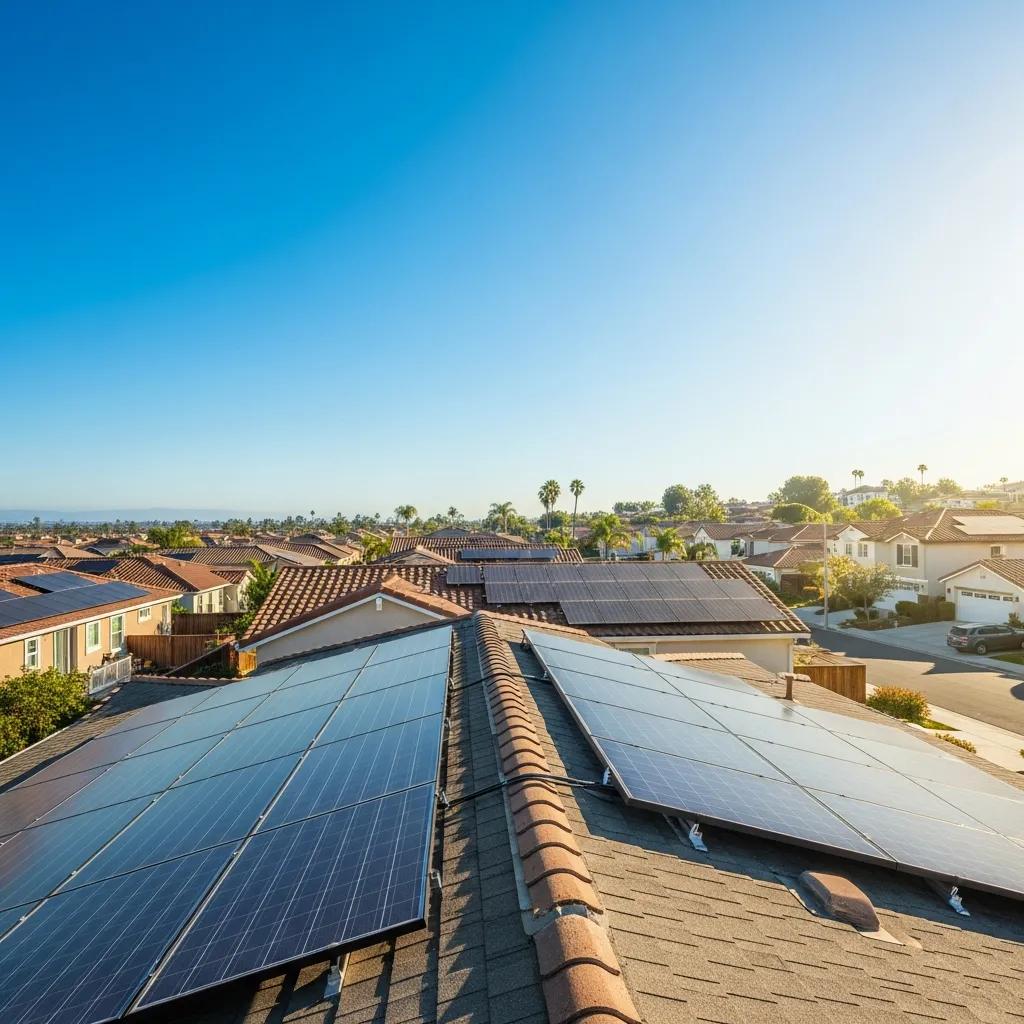
Solar energy offers numerous advantages for homeowners, including reduced electricity bills, increased property value, and a smaller carbon footprint. By converting sunlight into electricity, solar panels provide a sustainable energy source that can significantly lower reliance on traditional power grids.
Additionally, many states offer incentives for solar installation, making it financially attractive. For example, tax credits and rebates can offset the initial investment, while net metering allows homeowners to sell excess energy back to the grid, further enhancing the economic benefits of solar energy.
Home Battery Systems: An Overview
Home battery systems store energy generated from renewable sources, such as solar panels, for later use. This technology allows homeowners to maximize their energy independence by utilizing stored energy during peak demand times or outages, ensuring a reliable power supply.
Modern battery systems, like the Tesla Powerwall, are designed for easy integration with existing solar setups. They not only provide backup power but also help in managing energy costs by storing energy when rates are low and discharging it when rates are high, thus optimizing energy usage.
Heating and Cooling Systems Explained
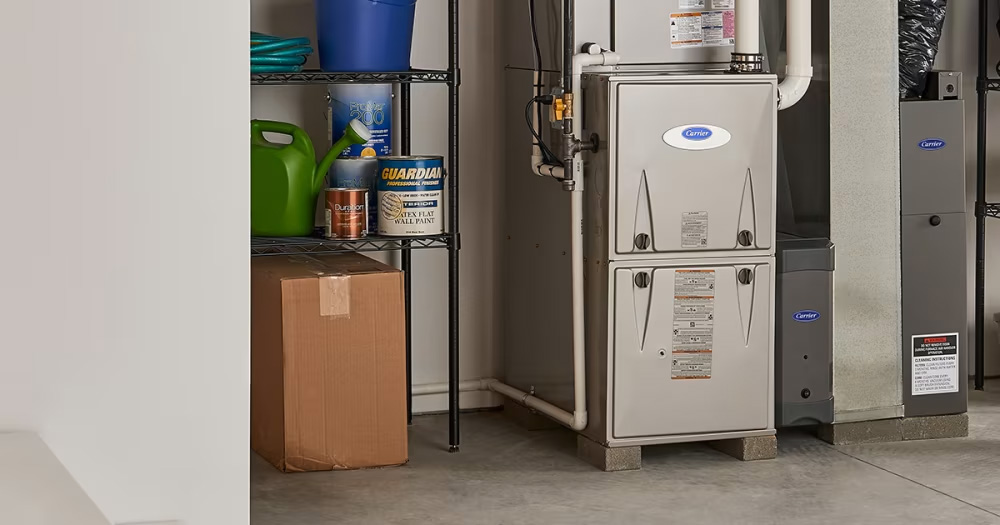
Heating and cooling systems are essential for maintaining comfort in homes, and understanding their operation can help homeowners make better choices. Systems such as central air conditioning, heat pumps, and furnaces each have unique features and efficiencies that cater to different home environments.
For example, heat pumps are known for their energy efficiency as they can both heat and cool a home by transferring heat instead of generating it. This dual functionality can lead to significant energy savings, especially in moderate climates, making them a popular choice for eco-conscious homeowners.
Understanding Home Energy Solutions
Home energy solutions encompass a range of technologies designed to improve energy efficiency, reduce costs, and enhance comfort in residential settings. These solutions include solar energy systems, home batteries, heating and cooling systems, and more, each playing a crucial role in managing a home's energy consumption.
For homeowners, understanding how these systems work together can lead to informed decisions about energy use and potential savings. For instance, integrating solar panels with battery storage allows homeowners to harness renewable energy while providing backup power during outages, showcasing the synergy between different home energy technologies.
The Benefits of Solar Energy
Solar energy offers numerous advantages for homeowners, including reduced electricity bills, increased property value, and a smaller carbon footprint. By converting sunlight into electricity, solar panels provide a sustainable energy source that can significantly lower reliance on traditional power grids.
Additionally, many states offer incentives for solar installation, making it financially attractive. For example, tax credits and rebates can offset the initial investment, while net metering allows homeowners to sell excess energy back to the grid, further enhancing the economic benefits of solar energy.
Home Battery Systems: An Overview
Home battery systems store energy generated from renewable sources, such as solar panels, for later use. This technology allows homeowners to maximize their energy independence by utilizing stored energy during peak demand times or outages, ensuring a reliable power supply.
Modern battery systems, like the Tesla Powerwall, are designed for easy integration with existing solar setups. They not only provide backup power but also help in managing energy costs by storing energy when rates are low and discharging it when rates are high, thus optimizing energy usage.
Heating and Cooling Systems Explained
Heating and cooling systems are essential for maintaining comfort in homes, and understanding their operation can help homeowners make better choices. Systems such as central air conditioning, heat pumps, and furnaces each have unique features and efficiencies that cater to different home environments.
For example, heat pumps are known for their energy efficiency as they can both heat and cool a home by transferring heat instead of generating it. This dual functionality can lead to significant energy savings, especially in moderate climates, making them a popular choice for eco-conscious homeowners.