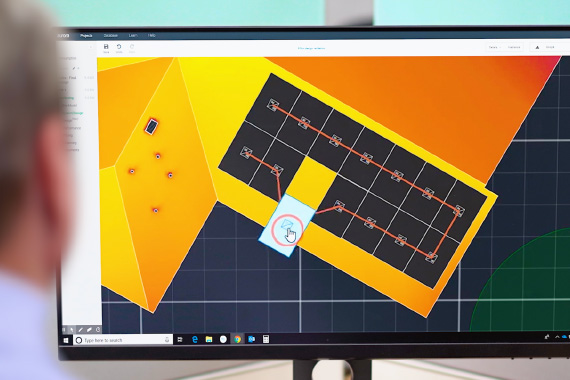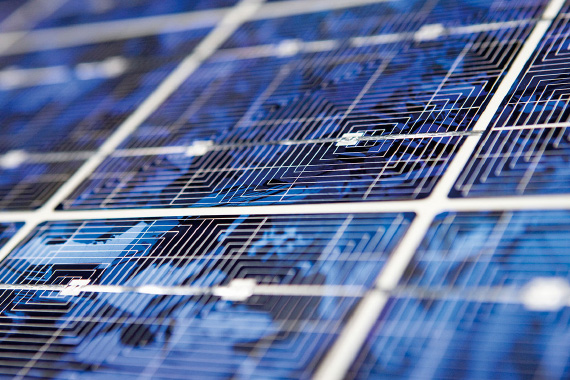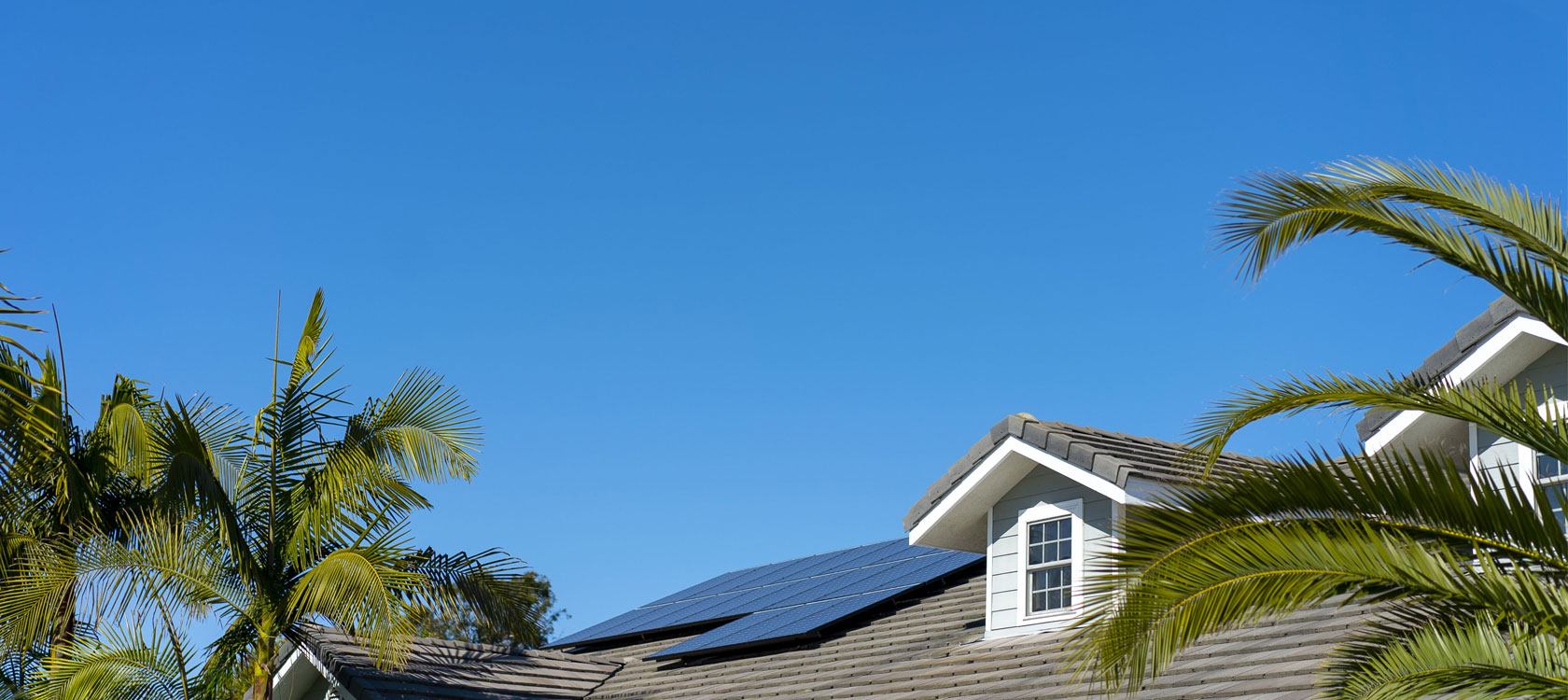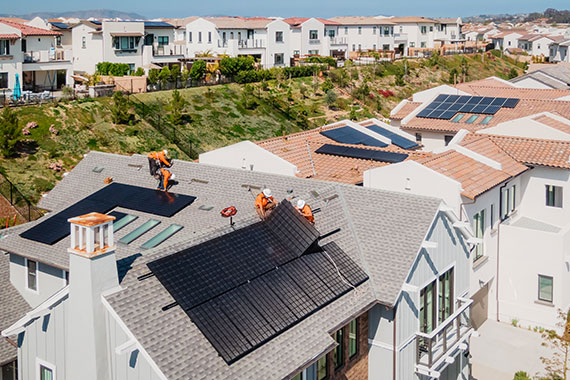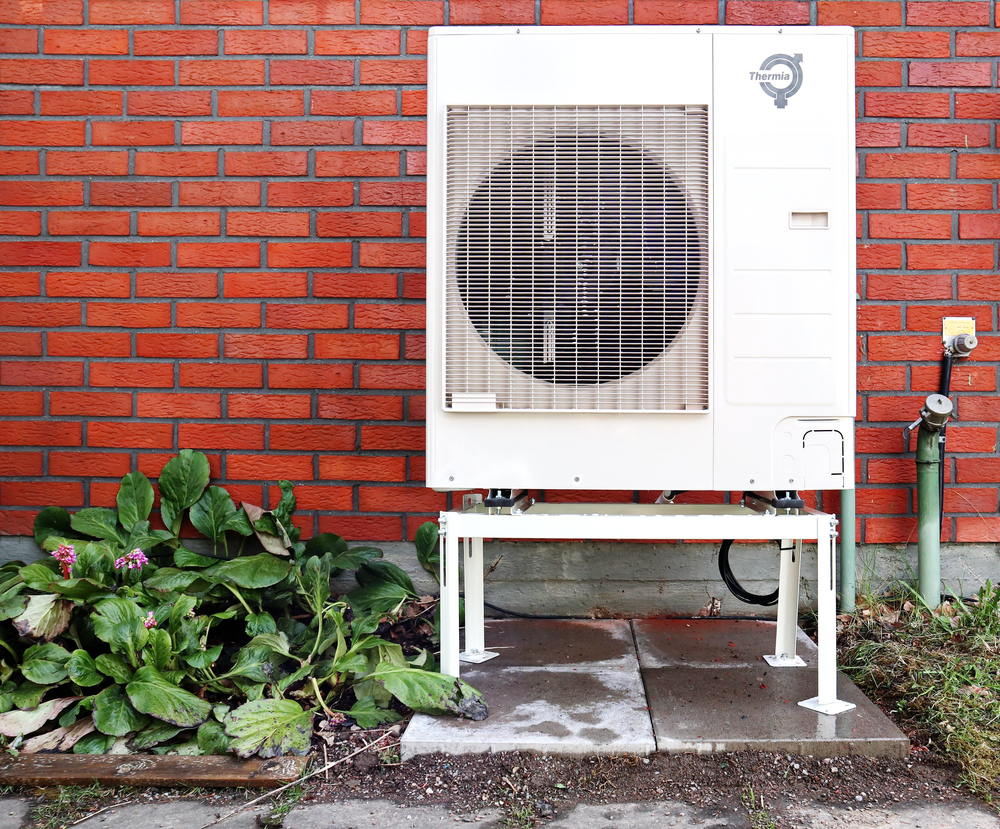
Home energy solutions encompass a wide range of systems designed to enhance energy efficiency in residential settings. This includes technologies like solar panels, heat pumps, and smart thermostats that work together to optimize energy use and reduce costs for homeowners.
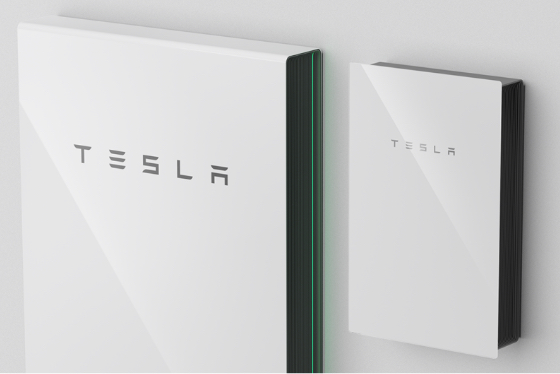
By understanding how these systems function, homeowners can make informed decisions about their energy consumption. For instance, integrating solar energy with energy storage solutions can significantly lower electricity bills while contributing to a more sustainable environment.
Benefits of Energy Efficiency in Homes
Investing in energy-efficient systems not only saves money but also enhances the comfort and value of a home. Energy-efficient appliances and systems can lead to lower utility bills and a reduced carbon footprint, making them an attractive option for eco-conscious homeowners.
Moreover, many energy-efficient upgrades qualify for tax credits and rebates, providing financial incentives for homeowners. For example, installing a heat pump or solar panels may make homeowners eligible for federal and state incentives, further reducing the initial investment costs.
Choosing the Right Home Energy System
Selecting the appropriate home energy system depends on various factors, including the home's size, location, and energy needs. Homeowners should evaluate their current energy consumption patterns and consider future needs when choosing systems like solar panels or heating solutions.
Consulting with energy experts can provide valuable insights into the best systems for specific home requirements. For instance, a professional assessment can reveal whether a heat pump or a traditional furnace would be more efficient based on local climate conditions and home insulation levels.
Installation and Maintenance of Energy Systems
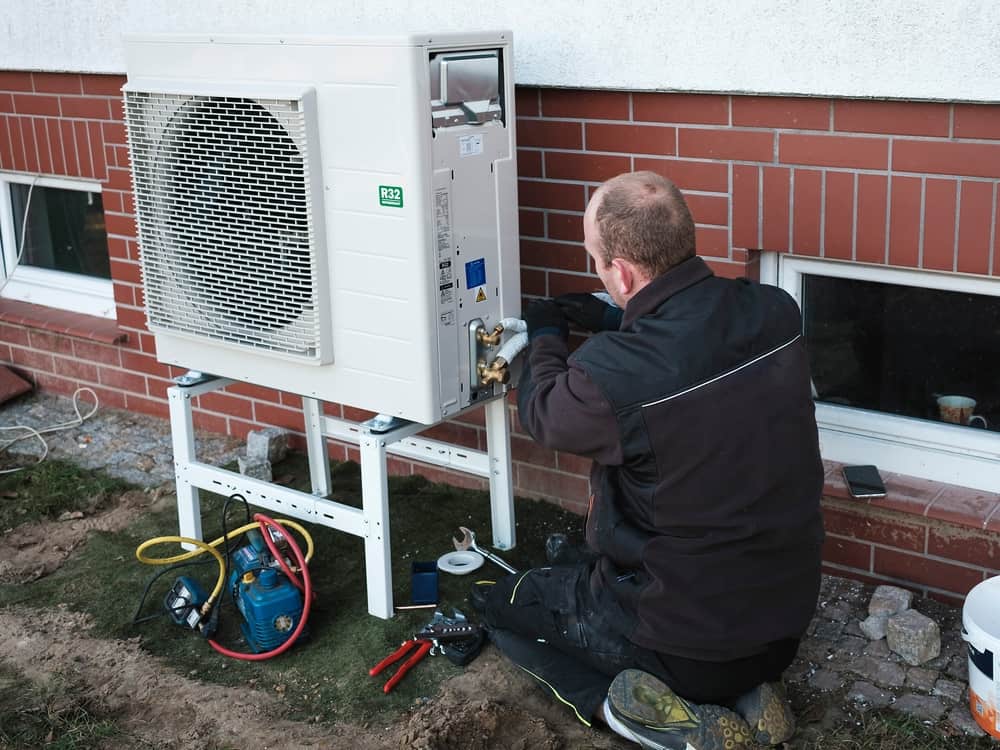
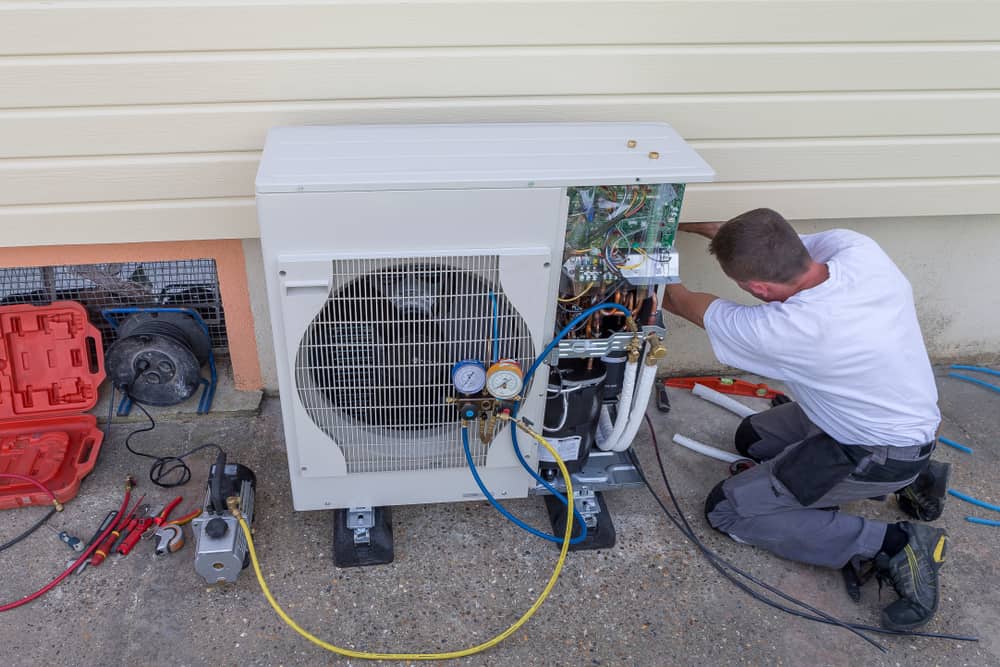
Proper installation and regular maintenance are crucial for maximizing the efficiency of home energy systems. Homeowners should ensure that installations are performed by certified professionals to guarantee compliance with safety standards and optimal performance.
Furthermore, routine maintenance, such as cleaning solar panels and servicing heating systems, can prevent costly repairs and prolong the lifespan of the equipment. For example, a well-maintained heat pump can operate efficiently for over 15 years, providing reliable heating and cooling for the home.
Understanding Home Energy Solutions
Home energy solutions encompass a wide range of systems designed to enhance energy efficiency in residential settings. This includes technologies like solar panels, heat pumps, and smart thermostats that work together to optimize energy use and reduce costs for homeowners.
By understanding how these systems function, homeowners can make informed decisions about their energy consumption. For instance, integrating solar energy with energy storage solutions can significantly lower electricity bills while contributing to a more sustainable environment.
Benefits of Energy Efficiency in Homes
Investing in energy-efficient systems not only saves money but also enhances the comfort and value of a home. Energy-efficient appliances and systems can lead to lower utility bills and a reduced carbon footprint, making them an attractive option for eco-conscious homeowners.
Moreover, many energy-efficient upgrades qualify for tax credits and rebates, providing financial incentives for homeowners. For example, installing a heat pump or solar panels may make homeowners eligible for federal and state incentives, further reducing the initial investment costs.
Choosing the Right Home Energy System
Selecting the appropriate home energy system depends on various factors, including the home's size, location, and energy needs. Homeowners should evaluate their current energy consumption patterns and consider future needs when choosing systems like solar panels or heating solutions.
Consulting with energy experts can provide valuable insights into the best systems for specific home requirements. For instance, a professional assessment can reveal whether a heat pump or a traditional furnace would be more efficient based on local climate conditions and home insulation levels.
Installation and Maintenance of Energy Systems
Proper installation and regular maintenance are crucial for maximizing the efficiency of home energy systems. Homeowners should ensure that installations are performed by certified professionals to guarantee compliance with safety standards and optimal performance.
Furthermore, routine maintenance, such as cleaning solar panels and servicing heating systems, can prevent costly repairs and prolong the lifespan of the equipment. For example, a well-maintained heat pump can operate efficiently for over 15 years, providing reliable heating and cooling for the home.