Home energy solutions encompass a variety of technologies and services designed to improve energy efficiency and reduce costs for homeowners. These solutions include solar energy systems, energy-efficient appliances, and smart home technologies that optimize energy usage.
By integrating these solutions, homeowners can significantly lower their energy bills and contribute to a more sustainable environment. For instance, installing solar panels can reduce reliance on grid electricity, while smart thermostats can help manage heating and cooling more effectively, leading to substantial savings over time.
Reducing energy costs is a priority for many homeowners, and there are several practical strategies to achieve this. Simple actions such as sealing drafts, using energy-efficient lighting, and regularly maintaining HVAC systems can lead to noticeable reductions in energy bills.
Additionally, homeowners should consider investing in energy audits to identify areas where energy is being wasted. Programs that offer rebates for energy-efficient upgrades can further enhance savings, making it easier to implement these cost-effective solutions.
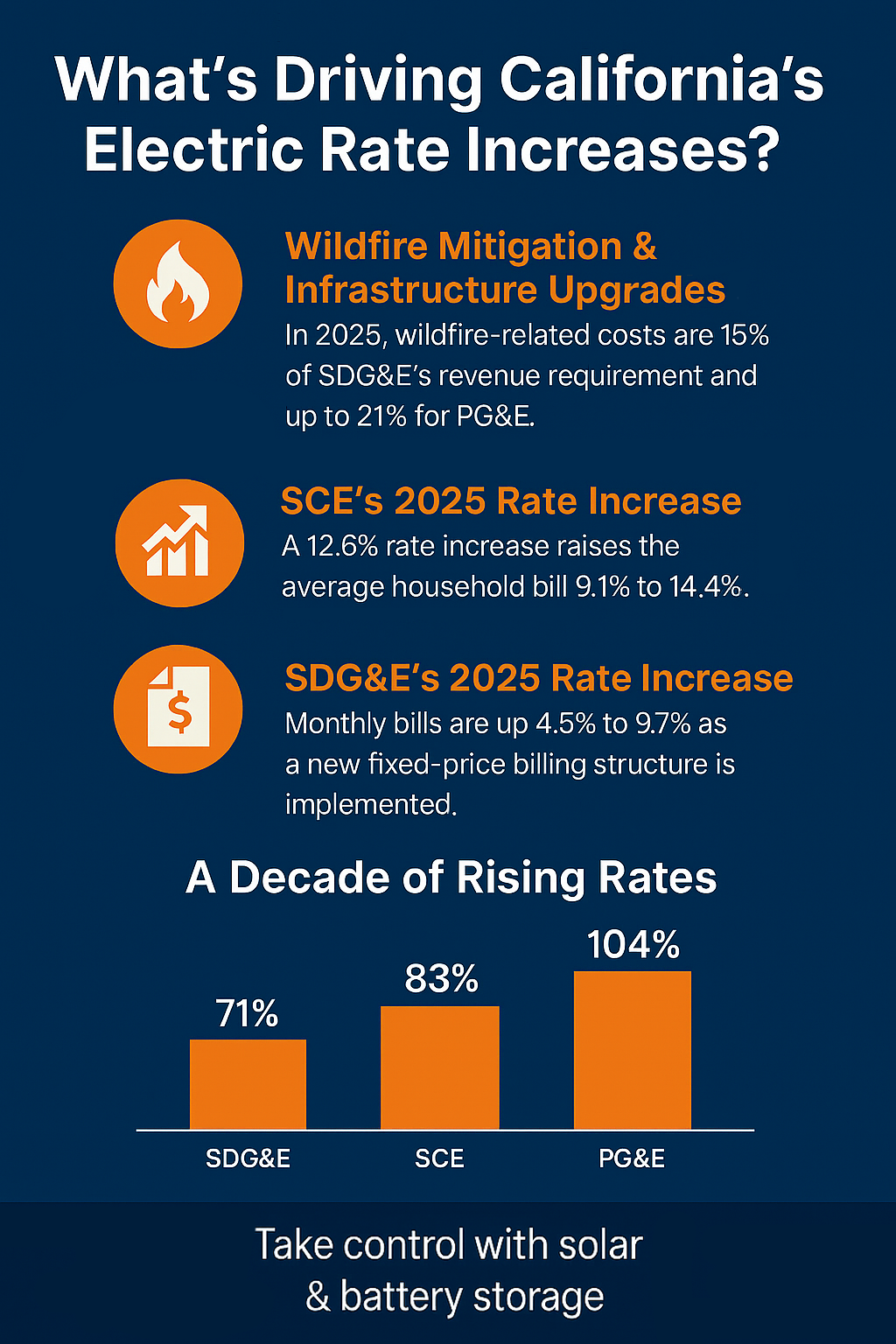
California's electric rates have been a topic of concern for many residents, especially with the recent surges. Understanding these rates is crucial for homeowners looking to manage their energy expenses effectively.
Factors contributing to these rising rates include increased demand, aging infrastructure, and the transition to renewable energy sources. By staying informed about these changes, homeowners can better strategize their energy usage and explore alternatives such as solar power to mitigate costs.
Many homeowners are unaware of the various energy incentives and tax credits available for implementing energy-efficient solutions. These financial incentives can significantly reduce the upfront costs associated with solar installations, HVAC upgrades, and other energy-saving improvements.
For example, federal tax credits for solar energy systems can cover a substantial portion of installation costs, making renewable energy more accessible. Homeowners should research local and state programs as well, as these can offer additional savings and support for energy-efficient upgrades.
Home energy solutions encompass a variety of technologies and services designed to improve energy efficiency and reduce costs for homeowners. These solutions include solar energy systems, energy-efficient appliances, and smart home technologies that optimize energy usage.
By integrating these solutions, homeowners can significantly lower their energy bills and contribute to a more sustainable environment. For instance, installing solar panels can reduce reliance on grid electricity, while smart thermostats can help manage heating and cooling more effectively, leading to substantial savings over time.
Reducing energy costs is a priority for many homeowners, and there are several practical strategies to achieve this. Simple actions such as sealing drafts, using energy-efficient lighting, and regularly maintaining HVAC systems can lead to noticeable reductions in energy bills.
Additionally, homeowners should consider investing in energy audits to identify areas where energy is being wasted. Programs that offer rebates for energy-efficient upgrades can further enhance savings, making it easier to implement these cost-effective solutions.
California's electric rates have been a topic of concern for many residents, especially with the recent surges. Understanding these rates is crucial for homeowners looking to manage their energy expenses effectively.
Factors contributing to these rising rates include increased demand, aging infrastructure, and the transition to renewable energy sources. By staying informed about these changes, homeowners can better strategize their energy usage and explore alternatives such as solar power to mitigate costs.
Many homeowners are unaware of the various energy incentives and tax credits available for implementing energy-efficient solutions. These financial incentives can significantly reduce the upfront costs associated with solar installations, HVAC upgrades, and other energy-saving improvements.
For example, federal tax credits for solar energy systems can cover a substantial portion of installation costs, making renewable energy more accessible. Homeowners should research local and state programs as well, as these can offer additional savings and support for energy-efficient upgrades.