Understanding California's Electric Rate Hikes
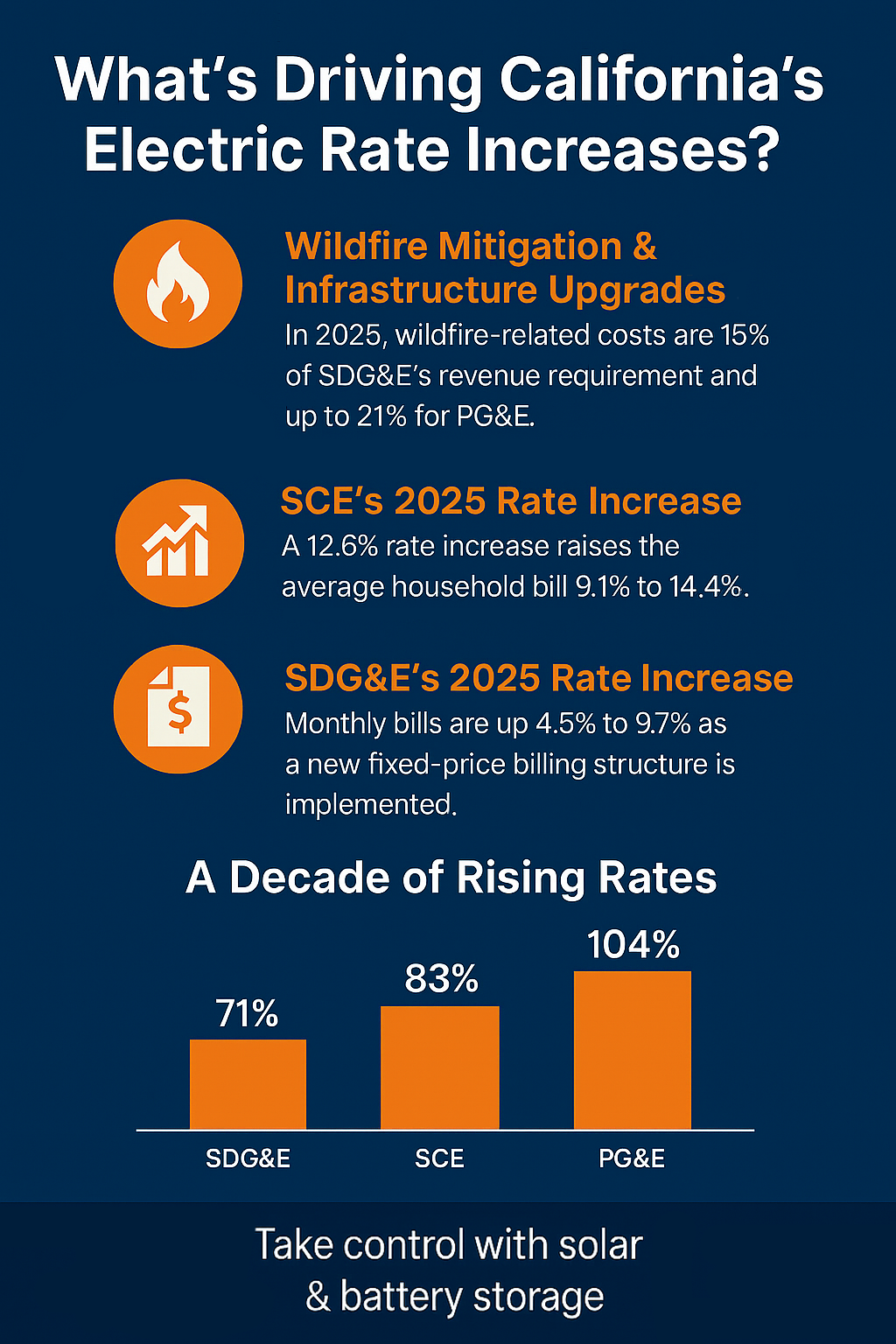
The recent surge in electric rates across California has left many consumers concerned about their energy bills. Understanding the factors driving these increases is crucial for homeowners and businesses alike. This section aims to provide clarity on the underlying reasons for the rate hikes, including supply chain issues, regulatory changes, and the impact of climate policies.
For instance, California's transition to renewable energy sources has necessitated significant investments in infrastructure, which can lead to higher costs for consumers. Additionally, extreme weather events and their effects on energy demand also contribute to fluctuating rates, making it essential for residents to stay informed about these dynamics.
Strategies to Mitigate Energy Costs
As electric rates continue to rise, consumers are seeking effective strategies to manage their energy costs. This section will explore various approaches, from energy-efficient home upgrades to behavioral changes that can lead to significant savings on electricity bills.
For example, installing smart thermostats and energy-efficient appliances can drastically reduce energy consumption. Additionally, utilizing time-of-use pricing plans effectively can help consumers save money by shifting their electricity usage to off-peak hours when rates are lower.
The Role of Renewable Energy in Rate Changes
Renewable energy sources play a pivotal role in shaping California's electric rates. This section discusses how the integration of solar, wind, and other renewable energies impacts overall energy pricing and what it means for consumers.
As more homeowners adopt solar energy systems, the demand for traditional energy sources may decrease, affecting rates. However, the initial costs of transitioning to renewable energy can contribute to short-term rate hikes, leading to a complex relationship between renewable adoption and electricity pricing.
Consumer Rights and Resources
In the face of rising electric rates, it is essential for consumers to be aware of their rights and available resources. This section will outline key consumer protections and provide information on how to seek assistance or file complaints regarding unfair billing practices.
California residents can access various resources through state agencies and non-profit organizations that offer support in understanding their rights as energy consumers. These resources include guides on navigating utility bills, understanding rate structures, and finding financial assistance programs for energy costs.
Understanding California's Electric Rate Hikes
The recent surge in electric rates across California has left many consumers concerned about their energy bills. Understanding the factors driving these increases is crucial for homeowners and businesses alike. This section aims to provide clarity on the underlying reasons for the rate hikes, including supply chain issues, regulatory changes, and the impact of climate policies.
For instance, California's transition to renewable energy sources has necessitated significant investments in infrastructure, which can lead to higher costs for consumers. Additionally, extreme weather events and their effects on energy demand also contribute to fluctuating rates, making it essential for residents to stay informed about these dynamics.
Strategies to Mitigate Energy Costs
As electric rates continue to rise, consumers are seeking effective strategies to manage their energy costs. This section will explore various approaches, from energy-efficient home upgrades to behavioral changes that can lead to significant savings on electricity bills.
For example, installing smart thermostats and energy-efficient appliances can drastically reduce energy consumption. Additionally, utilizing time-of-use pricing plans effectively can help consumers save money by shifting their electricity usage to off-peak hours when rates are lower.
The Role of Renewable Energy in Rate Changes
Renewable energy sources play a pivotal role in shaping California's electric rates. This section discusses how the integration of solar, wind, and other renewable energies impacts overall energy pricing and what it means for consumers.
As more homeowners adopt solar energy systems, the demand for traditional energy sources may decrease, affecting rates. However, the initial costs of transitioning to renewable energy can contribute to short-term rate hikes, leading to a complex relationship between renewable adoption and electricity pricing.
Consumer Rights and Resources
In the face of rising electric rates, it is essential for consumers to be aware of their rights and available resources. This section will outline key consumer protections and provide information on how to seek assistance or file complaints regarding unfair billing practices.
California residents can access various resources through state agencies and non-profit organizations that offer support in understanding their rights as energy consumers. These resources include guides on navigating utility bills, understanding rate structures, and finding financial assistance programs for energy costs.

 Rate Hikes
 Rate Hikes
 Rate Hikes