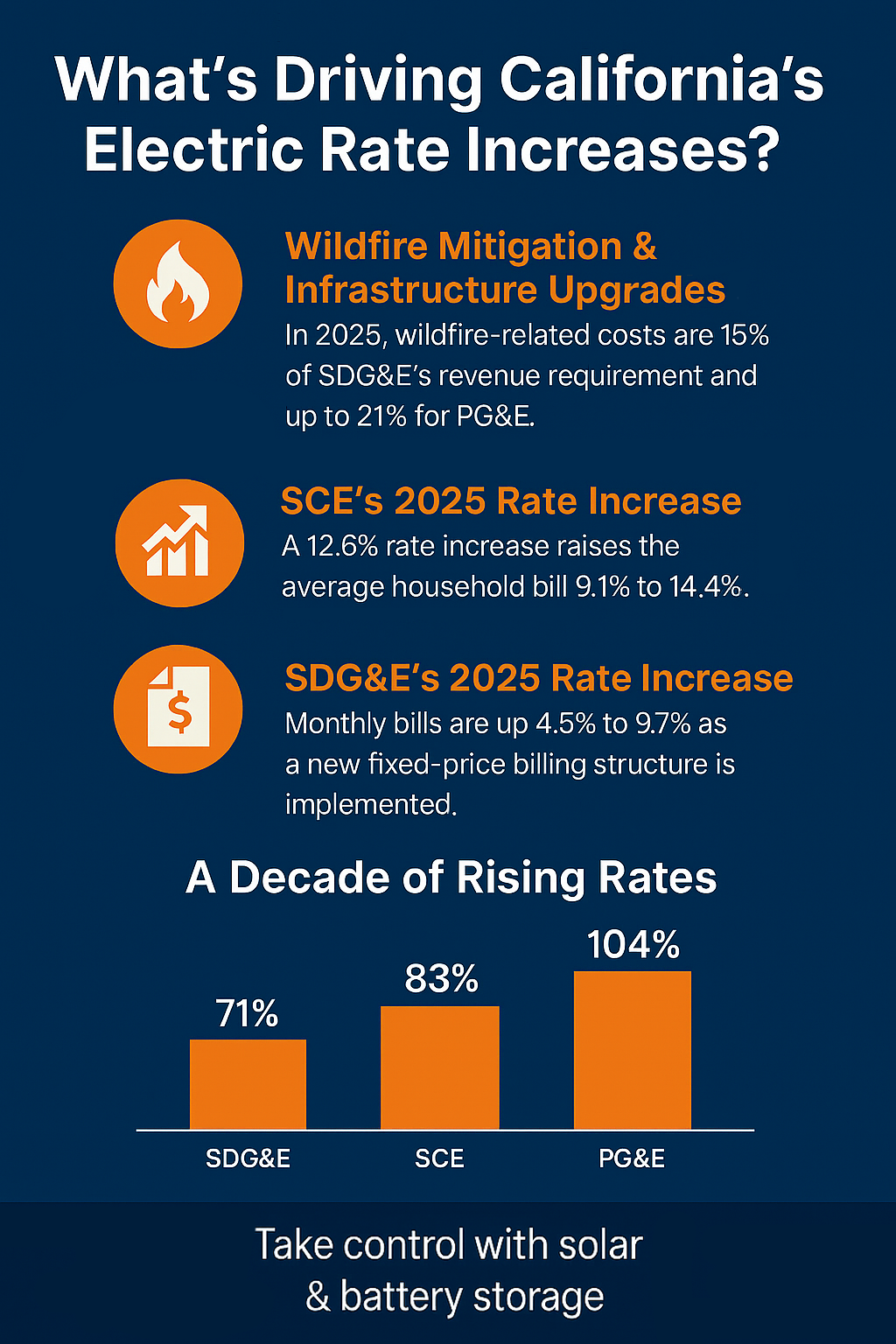
California's electric rates have been on the rise, prompting concerns among residents about how these changes will impact their monthly energy bills. This section delves into the factors contributing to these increases, including supply chain issues, regulatory changes, and the ongoing transition to renewable energy sources.
For instance, the California Public Utilities Commission has reported that increased demand for electricity, coupled with the costs associated with upgrading infrastructure, has led to higher rates. Additionally, the state's commitment to reducing carbon emissions is resulting in significant investments in renewable energy, which can also affect pricing structures.
As electric rates continue to climb, homeowners are seeking effective strategies to manage their energy expenses. This section provides actionable tips and insights on how to reduce energy consumption and lower monthly bills, even in the face of rising costs.
Implementing energy-efficient appliances, utilizing smart thermostats, and adopting energy-saving habits can significantly reduce energy usage. For example, conducting an energy audit can help identify areas where energy is wasted, allowing homeowners to make informed decisions about upgrades or changes that can lead to substantial savings.
The rising electric rates in California do not affect all residents equally. This section explores how different demographics, including low-income households and seniors, are particularly impacted by these increases and what resources are available to assist them.
Programs such as the California Alternate Rates for Energy (CARE) offer discounts to eligible low-income customers. Understanding these resources is crucial for those who may struggle with the financial burden of increased rates, ensuring that all residents can access the energy they need without undue hardship.
Looking ahead, understanding the future projections for California's energy rates is essential for both consumers and businesses. This section examines expert forecasts and the potential long-term implications of current trends in energy pricing.
Analysts predict that as California continues its shift towards renewable energy, rates may stabilize in the long term, but short-term fluctuations could still occur. Factors such as climate change, policy decisions, and technological advancements in energy storage will play significant roles in shaping the future landscape of energy costs in the state.
California's electric rates have been on the rise, prompting concerns among residents about how these changes will impact their monthly energy bills. This section delves into the factors contributing to these increases, including supply chain issues, regulatory changes, and the ongoing transition to renewable energy sources.
For instance, the California Public Utilities Commission has reported that increased demand for electricity, coupled with the costs associated with upgrading infrastructure, has led to higher rates. Additionally, the state's commitment to reducing carbon emissions is resulting in significant investments in renewable energy, which can also affect pricing structures.
As electric rates continue to climb, homeowners are seeking effective strategies to manage their energy expenses. This section provides actionable tips and insights on how to reduce energy consumption and lower monthly bills, even in the face of rising costs.
Implementing energy-efficient appliances, utilizing smart thermostats, and adopting energy-saving habits can significantly reduce energy usage. For example, conducting an energy audit can help identify areas where energy is wasted, allowing homeowners to make informed decisions about upgrades or changes that can lead to substantial savings.
The rising electric rates in California do not affect all residents equally. This section explores how different demographics, including low-income households and seniors, are particularly impacted by these increases and what resources are available to assist them.
Programs such as the California Alternate Rates for Energy (CARE) offer discounts to eligible low-income customers. Understanding these resources is crucial for those who may struggle with the financial burden of increased rates, ensuring that all residents can access the energy they need without undue hardship.
Looking ahead, understanding the future projections for California's energy rates is essential for both consumers and businesses. This section examines expert forecasts and the potential long-term implications of current trends in energy pricing.
Analysts predict that as California continues its shift towards renewable energy, rates may stabilize in the long term, but short-term fluctuations could still occur. Factors such as climate change, policy decisions, and technological advancements in energy storage will play significant roles in shaping the future landscape of energy costs in the state.