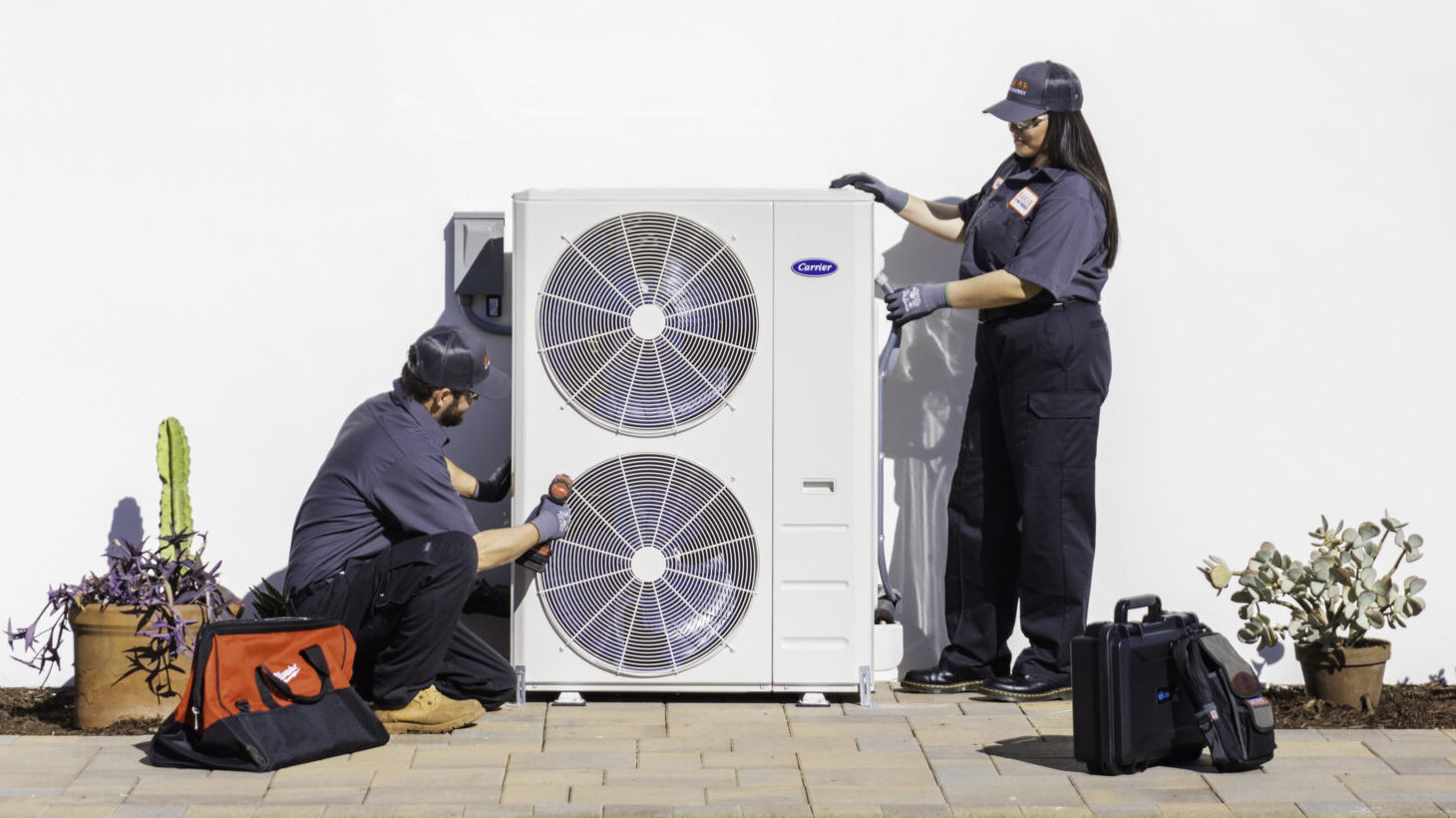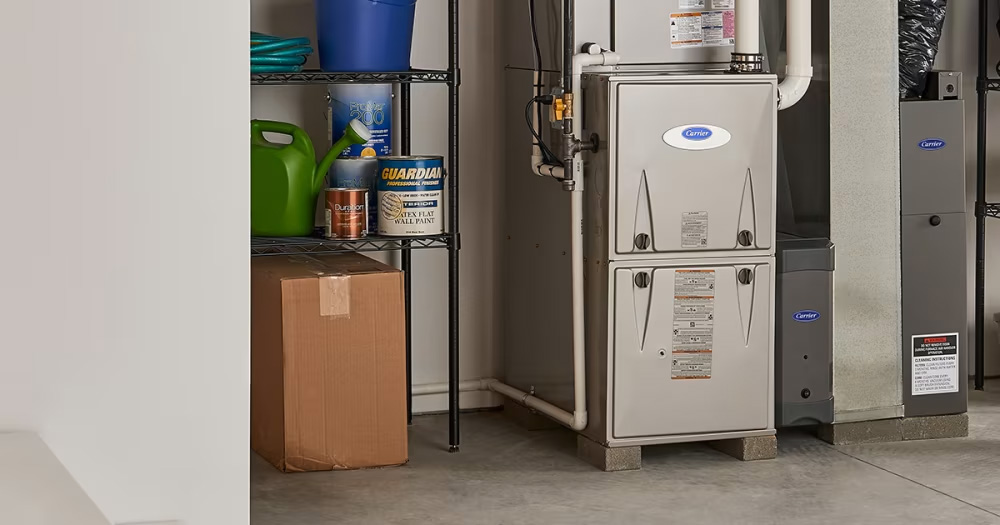
Regular HVAC maintenance and well-designed home service plans schedule inspections, tune-ups, and priority repairs so your heating and cooling systems stay safe, efficient, and predictable. In Southern California where inland summers get hot, coastal homes face milder conditions, and salt air can accelerate wear. Routine upkeep reduces corrosion, improves energy performance, and cuts the chance of emergency breakdowns. This guide walks through why preventative maintenance matters locally, what a thorough HVAC tune-up includes, and how heat pump care supports electrification and rebate eligibility. You’ll also find practical checklists, cost-to-value comparisons, and clear criteria for choosing or upgrading a service plan. Throughout, we focus on straightforward, homeowner-friendly guidance so you can compare options, pick the right tier, and move toward more reliable comfort and long-term savings.
Why Is HVAC Preventative Maintenance Crucial for Southern California Homes?
An HVAC maintenance plan is a scheduled set of inspections and corrective services that catch small problems early, restore system efficiency, and lower the chance of major failures. Coastal salt, heavy summer run-times, and varied microclimates in Southern California speed component wear, so planned upkeep reduces cooling load and keeps indoor temperatures steady. Regular maintenance also delivers measurable energy savings—typical efficiency gains fall between 5–15%—and fewer emergency calls, which makes systems less expensive to own over time. The bullets below summarize the main homeowner benefits and lead into how maintenance extends system life and avoids costly repairs.
Preventative maintenance delivers these core homeowner advantages:
- Lower energy bills: Routine tune-ups and refrigerant checks restore efficiency and trim monthly cooling costs.
- Fewer emergency repairs: Early detection of worn parts helps prevent compressor and heat-exchanger failures.
- Longer equipment life: Regular care delays replacements and helps preserve manufacturer warranties.
Together, these outcomes reduce lifetime ownership costs and increase comfort reliability.
How Does Regular Maintenance Extend HVAC System Lifespan and Prevent Costly Repairs?
Regular maintenance extends an HVAC system’s service life by addressing wear points before they cause system-level damage like compressor burnout or cracked heat exchangers. Technicians focus on lubrication, tightening electrical connections, verifying refrigerant levels, and cleaning coils — tasks that prevent motor overload, refrigerant starvation, and corrosion-related failures. For example, a dirty evaporator coil forces the compressor to run longer and work harder, which can lead to premature replacement; cleaning and restoring airflow removes that risk. Finding refrigerant leaks early preserves cooling capacity and prevents oil loss in the compressor, a common cause of catastrophic failure. Knowing how these issues develop makes it clear why scheduled maintenance is a cost-effective way to protect one of your home’s biggest investments.
What Energy Efficiency Benefits Do HVAC Service Plans Provide to Homeowners?
A structured HVAC service plan targets energy waste with tune-ups that restore factory performance — think calibrated thermostats, clean coils, and correct refrigerant charge. Those actions reduce run-time and stabilize temperature control, typically cutting annual energy use by 5–15% depending on building envelope, system age, and local climate. The biggest efficiency wins come from timely filter changes, condenser coil cleaning, and thermostat calibration; together they reduce compressor cycling and blower power. For example, a 10% cut in cooling energy on a $1,200 summer bill saves roughly $120 a year — savings that add up while protecting system value. With efficiency benefits in view, the next section explains how service plans are structured and what the tiers include.
What Are the Key Features and Benefits of Baker Home Energy’s HVAC Service Plans?
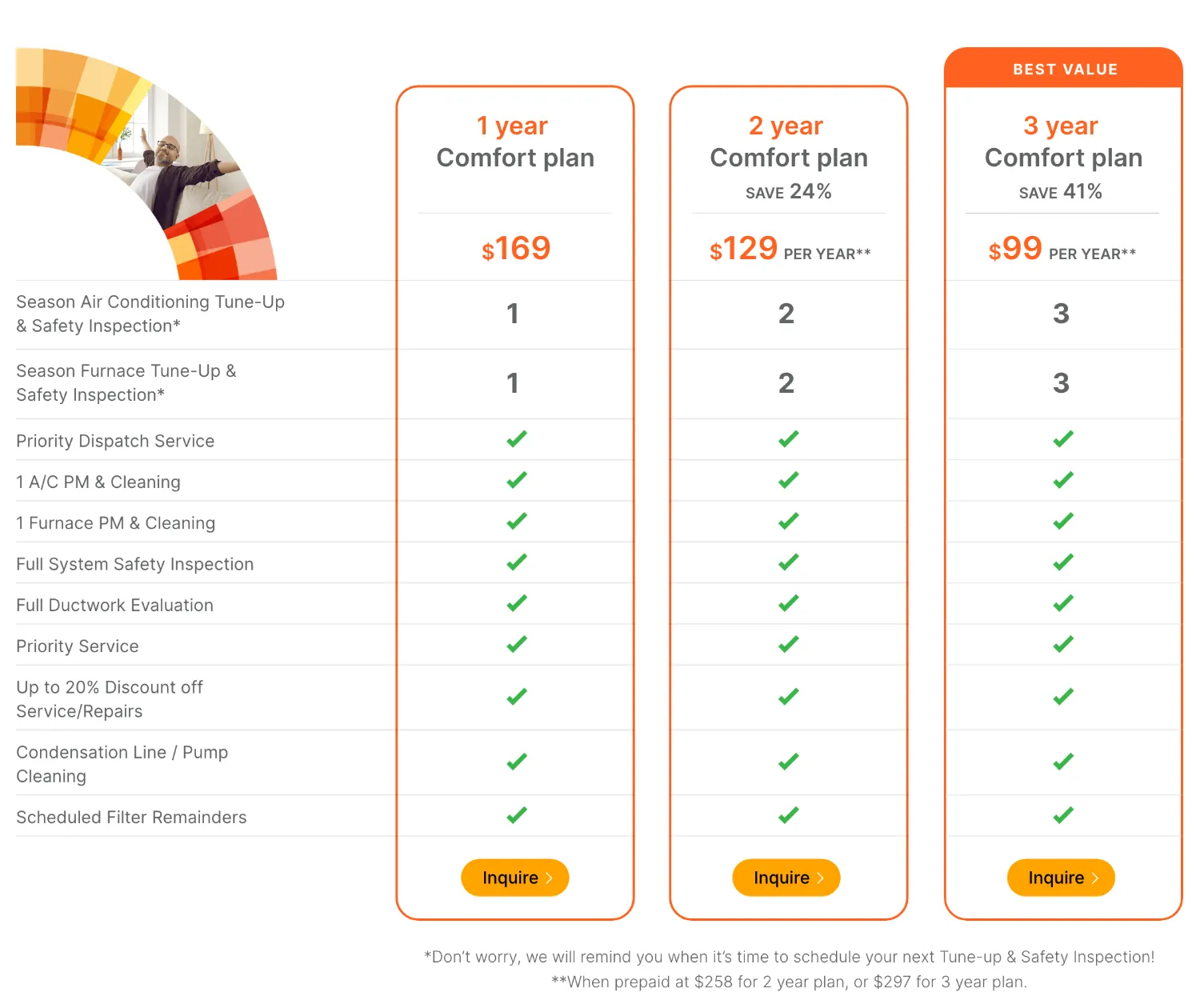
Baker Home Energy’s service plans are designed to provide comprehensive care for your HVAC system, packaging essential annual tune-ups, priority service, and exclusive member discounts into convenient agreements. These plans are crafted to lower unexpected repair costs, simplify scheduling, and ensure your heating and cooling systems operate at peak efficiency year-round. With three distinct tiers—Essential, Preferred, and Premium—homeowners can easily select the coverage level that best aligns with their comfort needs, budget, and desired level of protection. The table below offers a clear comparison of each plan’s key features and benefits, helping you choose the ideal option for your Southern California home.
What Exclusive Member Benefits Enhance Your Baker Home Energy Service Plan?
Beyond the essential tune-ups, our service plans significantly increase the practical value of your home service agreement by offering exclusive member benefits. These perks are designed to shorten repair wait times, lower immediate costs during unexpected failures, and provide greater peace of mind. From priority scheduling during peak demand to substantial savings on repairs, our plans ensure your home comfort is always a top priority.
Key member benefits include:
- Priority Service: Enjoy faster dispatch and service during peak demand, ensuring your comfort is restored quickly.
- Discounted Repairs: Receive significant savings on parts and labor for any necessary repairs, with discounts ranging from 15% to 25% depending on your plan tier.
- No Diagnostic Fee (with repair): Your diagnostic fee is waived when you proceed with a repair, saving you upfront costs.
These membership benefits underline why many homeowners enroll, and they lead into how our AC tune-ups deliver measurable results.
What Do Our Annual HVAC Tune-ups Include?
Our comprehensive annual tune-ups, included in every service plan, provide a baseline of system health and predictable performance. These scheduled services are designed to improve energy use, enhance reliability, and extend equipment life. While the number of tune-ups varies by plan tier, each visit focuses on critical components to ensure your system operates safely and efficiently. These routine checks help lower the chance of carbon monoxide risk or refrigerant-related inefficiency, translating to fewer emergency calls and steadier utility bills.
A typical tune-up includes:
- Visual system inspection and safety checks.
- Filter replacement or verification to maintain proper airflow.
- Thermostat calibration and control verification.
- Electrical connection checks and tightening.
- Basic safety sweep of combustion or refrigerant pressures (where applicable).
These standardized services form the foundation for the member perks we describe next.
How Does the Expert AC Tune-Up Service Improve Your HVAC system Performance?
An expert AC tune-up follows a step-by-step process of inspection, adjustment, cleaning, and calibration to restore cooling capacity and reduce electrical use. Technicians start with airflow and filter checks, move to coil and condenser cleaning, verify refrigerant charge, and finish with electrical tightening and thermostat calibration. This systematic approach sharpens cooling responsiveness, reduces compressor cycling, and stabilizes indoor temperature — outcomes that lower utility bills and cut the chance of mid-summer failures. The checklist and component table below show the most critical tune-up steps and the homeowner outcomes tied to each task.
An AC tune-up typically follows these steps:
- System Inspection: Verify safe, stable operation before work begins.
- Airflow & Filter Service: Confirm supply and return flow for balanced cooling.
- Coil & Condenser Cleaning: Remove debris that limits heat transfer and efficiency.
- Refrigerant & Electrical Checks: Confirm charge and secure electrical connections for reliability.
These actions restore efficiency and reduce unexpected downtime — the next subsection explains the key components we inspect.
What Critical Components Are Inspected During a Heating or AC Tune-Up?
During a tune-up, technicians inspect and service the evaporator coil, condenser coil, refrigerant lines, blower motor, electrical connections, capacitors, contactors, and thermostat controls to ensure each part performs correctly. Cleaning the evaporator coil restores heat absorption; cleaning the condenser improves outdoor heat rejection — together they cut compressor run-time. Blower motor checks and filter changes restore balanced airflow and prevent freeze-ups or motor strain. Electrical inspections and capacitor testing reduce motor-start failures, and thermostat calibration ensures accurate temperature control. Watch for signs like uneven cooling, short cycling, higher-than-normal bills, or unusual noises — those are prompts for an inspection.
These component checks stop the cascade of failures that lead to costly repairs and set up the tune-up savings discussion below.
This component-to-outcome mapping helps homeowners see why each inspection matters and leads into how tune-ups lower bills.
How Does AC Tune-Up Prevent Breakdowns and Lower Utility Bills?
AC tune-ups stop small problems before they escalate — replacing weak capacitors, tightening loose connections, and restoring refrigerant and coil cleanliness so the compressor doesn’t work harder than it should. Those fixes improve the system’s coefficient of performance and produce the documented 5–15% energy savings for maintained systems. Avoided repairs often include compressor replacement and refrigerant recovery, which are far more expensive than routine maintenance. For many homeowners, the cost of seasonal tune-ups is offset by lower summer bills and fewer emergency service calls over several years.
To illustrate: if routine maintenance trims a $1,800 annual HVAC-related energy spend by 10%, a homeowner saves about $180 per year — money that helps cover recurring maintenance and reduces lifetime ownership expense. Next, we turn to furnace maintenance essentials.
What Does Thorough Furnace Maintenance Entail and Why Is It Important?
Thorough furnace maintenance blends safety inspections with efficiency-preserving services to protect occupants and ensure reliable heating when temperatures drop. Core steps include combustion-safety checks, heat-exchanger inspection for cracks, burner and ignition cleaning, filter and airflow management, and blower motor service to maintain even heat distribution. These actions both reduce combustion-related safety risks and improve efficiency so your home uses less fuel to reach the same comfort level. Understanding the safety and indoor-air-quality benefits explains why many homeowners include furnaces in their annual service agreements.
Routine furnace care prioritizes occupant safety and system longevity, and the next section lists the primary safety and efficiency checks technicians perform.
Which Safety and Efficiency Checks Are Performed in Furnace Maintenance?
Technicians perform safety checks such as visual heat-exchanger inspection, combustion-gas analysis when applicable, gas-valve and connection verification, and venting inspection to detect cracks, carbon-monoxide pathways, or blocked exhausts. Efficiency work includes burner cleaning, ignition testing, filter replacement, blower-wheel cleaning, and airflow balancing to restore even distribution and quieter operation. Red flags needing immediate attention include yellow pilot flames (instead of blue), soot buildup, unusual odors, or uneven heat. Addressing these issues on schedule prevents hazardous conditions and costly emergency repairs.
These safety-focused checks improve indoor air quality and comfort, which the next section explains for homeowners.
How Does Furnace Maintenance Improve Indoor Air Quality and Home Comfort?
Furnace maintenance improves indoor air quality by keeping filters clean, removing dust and biological buildup from blower assemblies, and ensuring combustion is complete so harmful byproducts don’t enter living spaces. A clean blower and proper airflow reduce stagnation and hot/cold spots, while sealed combustion and correct venting minimize combustion infiltration. Comfort improves through steady delivery of conditioned air, fewer temperature imbalances, and quieter operation after bearings and components are adjusted. These IAQ and comfort gains make routine furnace service a clear contributor to household well-being.
Maintaining clean airflow and safe combustion conditions naturally extends to heat pump systems and their distinct maintenance needs, which we cover next.
How Do Heat Pump Maintenance Plans Support California’s Electrification Goals?
Heat pump maintenance focuses on the needs of electric heat-exchange systems — defrost-cycle performance, reversing-valve operation, refrigerant management, and outdoor-unit care — to preserve efficiency as homes shift away from fossil fuels. Proper maintenance keeps seasonal performance high, supporting California’s electrification goals by making sure installed heat pumps provide reliable, low-carbon heating and cooling. Because heat pumps rely on electrical efficiency rather than combustion, preserving refrigerant charge, airflow, and control accuracy protects both emissions and cost advantages. That’s why specialized maintenance agreements for heat pumps are increasingly important in the region.
Given the mechanical differences between heat pumps and conventional furnaces, preventative care emphasizes a distinct set of checks technicians prioritize.
What Preventative Care Is Essential for Heat Pump Systems?
Essential heat pump maintenance includes verifying defrost-cycle operation, testing and adjusting reversing valves, checking refrigerant pressures and lines for leaks, cleaning evaporator and condenser coils, and keeping the outdoor unit clear of debris that blocks heat exchange. Bi-annual inspections — pre-season cooling and pre-winter heating checks — are commonly recommended to catch seasonal issues. Proper control tuning and accurate refrigerant charge preserve high CoP (coefficient of performance) and help the system deliver lower operating costs compared with conventional heating. This focused care protects both comfort and the emissions-reduction benefits of electrified homes.
Routine heat pump checks and local technician training give homeowners confidence to choose specialized service agreements, as explained next.
How Can Homeowners Maximize Value with HVAC Maintenance Plans and Transparent Pricing?
Maximizing value means weighing upfront maintenance costs against long-term savings from fewer repairs, longer equipment life, and lower energy bills; transparent pricing and clear task-to-value mapping make that choice straightforward. Homeowners should compare what tasks are included, visit frequency, priority response times, and member discounts when evaluating plans. The EAV table below maps common maintenance tasks to cost ranges and expected impacts on efficiency or lifespan to support ROI calculations. After the table we offer guidance on typical furnace maintenance costs, plan pricing structures, and how service plans deliver long-term savings and peace of mind.
This mapping helps homeowners prioritize the tasks that deliver the most value per dollar and leads into typical cost ranges and plan structures below. baker home energy
What Are Typical Furnace Maintenance Costs and Plan Pricing Options?
Standalone furnace maintenance visits range from modest service fees to higher diagnostic and repair costs depending on system accessibility, age, and whether combustion testing is needed. Basic checks fall in moderate price brackets, while comprehensive plans bundle multiple services and add value through discounts and faster response. Price drivers include system complexity, access (attic vs. closet), and seasonal demand; plan pricing stabilizes costs by turning variable repair expenses into predictable annual fees. Comparing plans by included tasks, response times, and discount levels helps homeowners pick the option that minimizes total lifetime cost.
These cost considerations naturally lead into how consistent service converts into long-term savings and peace of mind.
How Do Service Plans Deliver Long-Term Energy Savings and Peace of Mind?
Service plans deliver lifecycle value by preventing major component failures, keeping systems efficient so they use less energy, and enabling predictable budgeting through fixed annual or monthly fees. Over a system’s life, avoided repairs (like compressor or heat-exchanger replacement) and compounded energy savings add up, yielding meaningful net benefits compared with pay-as-you-go maintenance. Non-monetary benefits include less downtime during extreme weather, safety assurance from regular inspections, and convenience from scheduled reminders and priority dispatch. Homeowners should weigh these combined monetary and peace-of-mind benefits when choosing a plan.
If you’re ready to enroll or request a quote, Baker Home Energy offers local plan options and support built around these principles. Contact details and assurances follow.
- Baker Home Energy provides heating and cooling service plans and broader home energy solutions with a local Southern California focus and practical guidance from experienced energy professionals.
- To request a quote or discuss plan tiers, call 877.578.8080 to speak with a representative about matching a plan to your needs and enrolling.
- Baker Home Energy emphasizes comprehensive home energy care and attentive service, backed by local recognition and customer ratings that reflect a commitment to reliable comfort.
These steps and assurances help homeowners turn the value analysis above into a clear plan choice and enrollment for ongoing comfort and savings.
Frequently Asked Questions
1. How often should I schedule HVAC maintenance for optimal performance?
We recommend scheduling HVAC maintenance at least once a year, and many homeowners benefit most from two visits each year — one in spring for cooling and one in fall for heating. Bi-annual inspections help ensure year-round efficiency, reduce the risk of unexpected failures, and extend equipment life. Homes with heavy use or specific exposure (like coastal salt air) may need more frequent checks.
2. What should I look for when choosing an HVAC service provider?
Look for experience, clear customer reviews, and proper licenses and insurance. Ask about maintenance plans, emergency response times, and transparent pricing. A good provider will explain what’s included in each plan, answer your questions in plain language, and give a clear estimate for any work outside the plan.
3. Are there any specific maintenance tasks for heat pumps that differ from traditional HVAC systems?
Yes. Heat pumps need checks for the defrost cycle, reversing-valve operation, and refrigerant charge that differ from conventional furnace checks. Cleaning both evaporator and condenser coils is also important. Those tasks ensure the heat pump runs efficiently in both heating and cooling modes.
4. How can I tell if my HVAC system needs immediate attention?
Signs you should call a technician include unusual noises, inconsistent temperatures, rising energy bills, strange odors, frequent short cycling, or failure to reach the set temperature. If you notice any of these issues, contact a professional to diagnose the problem before it becomes more costly.
5. What are the benefits of enrolling in an HVAC service plan?
Service plans offer regular maintenance that prevents costly breakdowns and extends equipment life. Plans commonly include priority scheduling, repair discounts, and waived diagnostic fees, which can save money over time. They also provide peace of mind through scheduled reminders and predictable service.
6. Can regular HVAC maintenance improve indoor air quality?
Absolutely. Regular maintenance — changing filters, cleaning coils, and inspecting ductwork — reduces dust, allergens, and pollutants circulating in your home. A well-maintained system also ensures proper airflow and humidity control, which helps create a healthier indoor environment.
7. What should I do if my HVAC system breaks down outside of regular maintenance visits?
First, check thermostat settings and confirm the system has power. If everything looks normal but the system still won’t run, contact your HVAC service provider right away. Many companies offer emergency repairs, and having a service plan can speed response time. Be ready to describe the symptoms to help the technician diagnose the issue quickly.