Stay ahead of your increasing energy demand with Baker’s PowerUp program. Taking advantage of new rules and technology, Baker has found more ways for you to save while keeping your current NEM status.
Whether your solar system was installed by Baker or not, if you need more power, Baker has your solution.
Until now, options for adding panels to your solar system was limited. Take advantage of the new rules, giving you more options on how to add solar to your system.
With Baker you can:
Add more solar
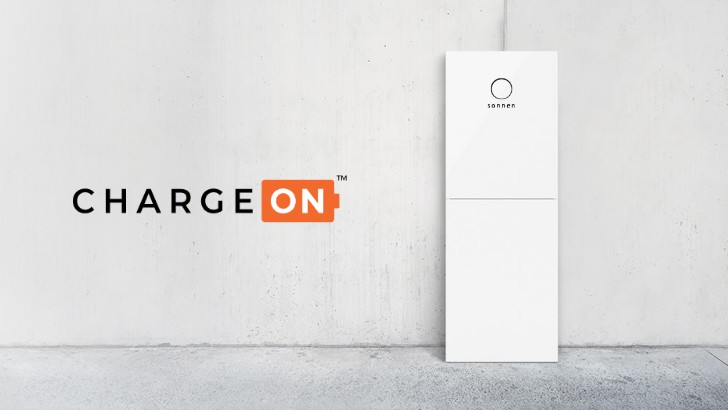
Add a home battery
Upgrade your system
Whether you’re looking for more solar panels or battery storage, we’ll help you maximize your solar production. Because life is too short to pay high electric bills again.
What Changed? New Tech, New Rules
In addition to technological advancements in both batteries and inverters there have been updates to the rules, allowing for the installation of solar that will keep your energy, in-house. The ability to create a system that does not export excess energy to utilities like SDG&E has been a key moment in the adding of solar and/or battery.
How to PowerUp
Ways to PowerUp Your Solar System with New Utility Rules
Add More Solar
Adding more panels to an existing system while maintaining your current NEM status is a great way to get more power and lower your bills. Some things Baker Solar Professionals will help you with include:
Do a thorough energy analysis to determine the right number of panels to add.
Confirm your inverter is powerful enough to handle more panels and explore your options if it isn’t.
Maintain your current Net Energy Metering status
Non-Export Systems
A Non-Export System is designed to produce solar energy without sending excess power back to the grid. This allows you to retain your favorable current net energy metering status.
By using all the generated electricity within your household, you can:
Reduce your dependency on the grid.
Eliminate your True Up bill.
Charge your battery for later use.
Prevent excess electricity from going back to the grid.
Add a Home Battery
To take the next step toward total energy independence and savings, adding a home battery to your system is a must. Benefits include:
Home Battery Storage: Store excess electricity generated from your solar panels to power your home at night or during power outages.
Flexible Backup Options: Choose batteries based on your needs and budget, providing several hours to several days of backup power.
Maximize Solar Energy Savings: Store self-generated solar energy for use during peak hours or as a backup, without compromising your current net metering agreement through the PowerUp program. Using the energy in your battery during peak times versus buying it from the utility generates big savings.
Upgrade Your Inverter
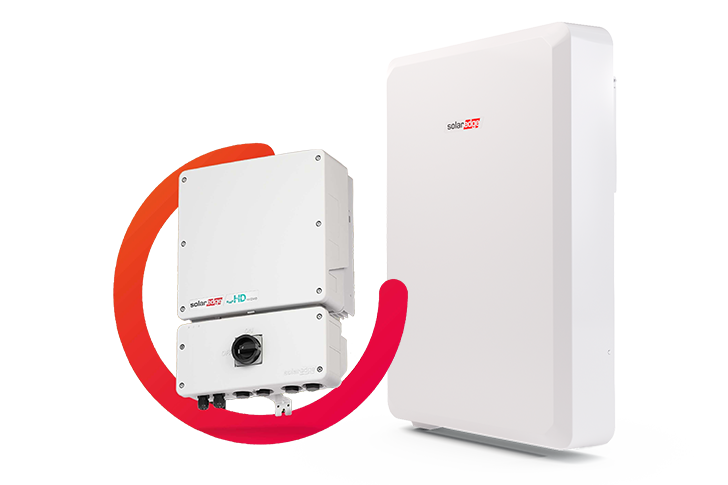
The SolarEdge Re-Energize program is designed to help homeowners get the most out of their SolarEdge system by upgrading their qualifying SolarEdge Inverter to a Home Hub Inverter.
Here’s How:
Upgrade your SolarEdge Inverter using the Re-Energize discount with SolarEdge
Add Panels and Increase your system size up to 200%!
Add a SolarEdge battery and further reduce your bills + get backup protection
Official installers of
Benefits of Adding Solar Panels
Integrating additional solar panels into your existing system can significantly enhance your energy independence and reduce monthly electricity costs. By harnessing more sunlight, you can generate extra power that may cover your household's energy needs, especially during peak usage times.
For instance, homeowners who expand their solar capacity often report a decrease in their energy bills, as they rely less on grid electricity. Additionally, with advancements in solar technology, new panels are more efficient than ever, providing a greater return on investment over time.
Understanding Home Battery Options
Home batteries serve as a crucial component for maximizing solar energy usage, allowing homeowners to store excess energy generated during the day for use at night or during outages. This capability not only provides peace of mind but also enables households to utilize self-generated energy more effectively.
There are various battery options available, from lithium-ion systems to lead-acid batteries, each with different capacities and costs. Homeowners can choose based on their specific energy needs and budget, ensuring they have the right backup power solution for their home.
How to Choose the Right Solar Add-Ons
Selecting the appropriate solar add-ons requires careful consideration of your energy consumption patterns and future needs. Factors such as your household size, energy usage, and budget should guide your decisions when expanding your solar system.
Consulting with a reputable solar provider can help you assess your current system and identify which upgrades—be it additional panels or battery storage—will yield the best results. They can provide tailored recommendations that align with your energy goals and financial situation.
Impact of Utility Regulations on Solar Systems
Recent changes in utility regulations have made it more advantageous for homeowners to expand their solar systems. Understanding these regulations is essential for maximizing benefits such as net metering and incentives for solar energy production.
For example, new policies may allow homeowners to receive credits for excess energy produced, thereby offsetting costs. Staying informed about these changes can empower homeowners to make strategic decisions regarding their solar investments and ensure they take full advantage of available benefits.
Benefits of Adding Solar Panels
Integrating additional solar panels into your existing system can significantly enhance your energy independence and reduce monthly electricity costs. By harnessing more sunlight, you can generate extra power that may cover your household's energy needs, especially during peak usage times.
For instance, homeowners who expand their solar capacity often report a decrease in their energy bills, as they rely less on grid electricity. Additionally, with advancements in solar technology, new panels are more efficient than ever, providing a greater return on investment over time.
Understanding Home Battery Options
Home batteries serve as a crucial component for maximizing solar energy usage, allowing homeowners to store excess energy generated during the day for use at night or during outages. This capability not only provides peace of mind but also enables households to utilize self-generated energy more effectively.
There are various battery options available, from lithium-ion systems to lead-acid batteries, each with different capacities and costs. Homeowners can choose based on their specific energy needs and budget, ensuring they have the right backup power solution for their home.
How to Choose the Right Solar Add-Ons
Selecting the appropriate solar add-ons requires careful consideration of your energy consumption patterns and future needs. Factors such as your household size, energy usage, and budget should guide your decisions when expanding your solar system.
Consulting with a reputable solar provider can help you assess your current system and identify which upgrades—be it additional panels or battery storage—will yield the best results. They can provide tailored recommendations that align with your energy goals and financial situation.
Impact of Utility Regulations on Solar Systems
Recent changes in utility regulations have made it more advantageous for homeowners to expand their solar systems. Understanding these regulations is essential for maximizing benefits such as net metering and incentives for solar energy production.
For example, new policies may allow homeowners to receive credits for excess energy produced, thereby offsetting costs. Staying informed about these changes can empower homeowners to make strategic decisions regarding their solar investments and ensure they take full advantage of available benefits.