
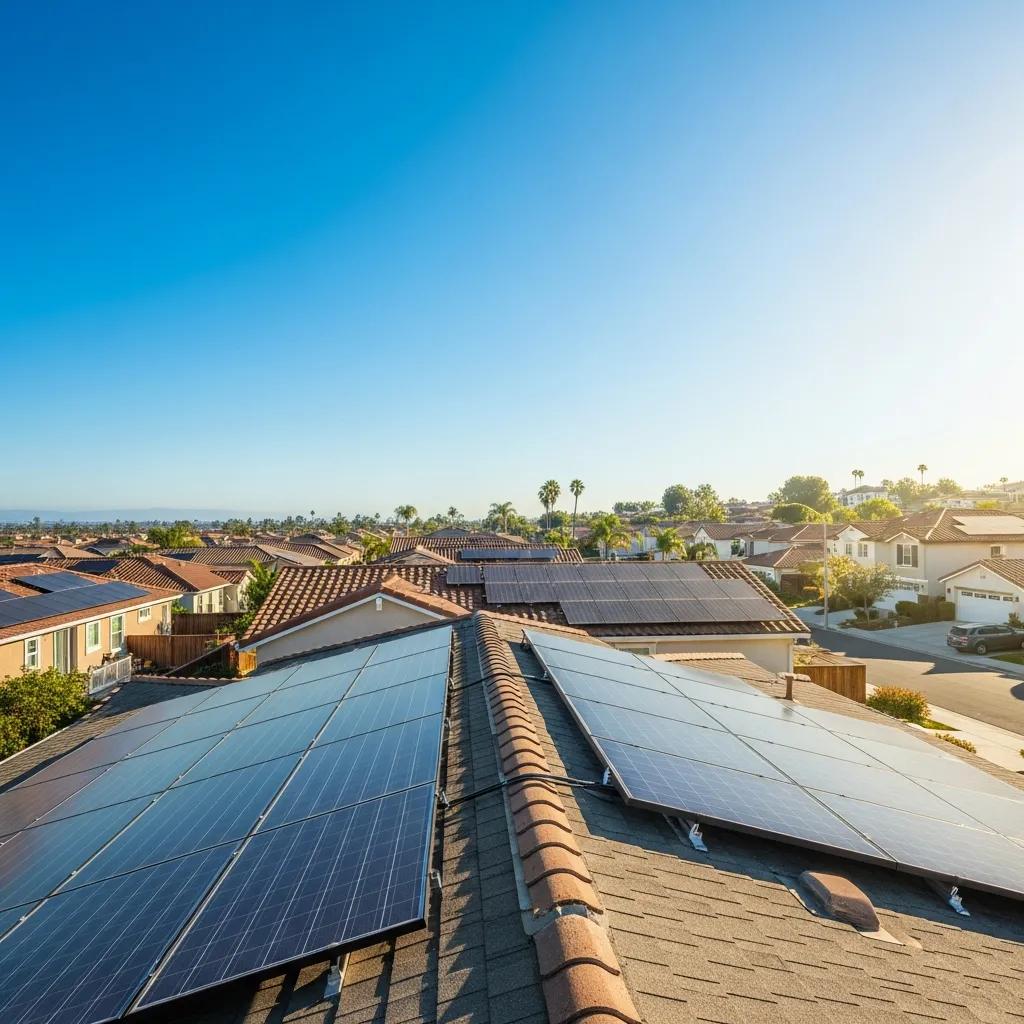
3 Solar Myths Southern California Homeowners Should Stop Believing: Understanding the Truth About Electric Bill Savings
In Southern California, the appeal of solar energy is often clouded by misconceptions that can hold homeowners back from making well-informed choices. Many think that installing solar panels is costly with little payoff, while others believe the savings from solar energy are overstated. This article aims to clear up these misunderstandings and shed light on the real savings potential, especially in relation to local utility rates. Homeowners will discover the financial advantages of solar panel installation, how solar systems can significantly cut energy expenses, and how current billing structures encourage battery storage adoption for the best return on investment. By addressing these common myths, we hope to empower homeowners to see solar energy as a practical and cost-effective solution for their energy needs.
Myth 1: Solar Costs a Fortune
One of the key myths about solar energy is that you need a large amount of money upfront to install solar panels. The truth is that there are many financing options available that allow homeowners to reduce their monthly energy bills from the moment their solar system is installed, often with little to no money out of pocket. These options include solar loans, leases, and power purchase agreements (PPAs), which offer both short-term and long-term savings without the burden of a significant initial investment. By taking advantage of these financing solutions, homeowners can start benefiting financially from solar energy immediately while spreading out the cost over time.
Solar panel systems convert sunlight into electricity that powers homes, reducing dependence on the grid. This directly lowers utility bills, with many homeowners seeing savings up to 75% depending on system efficiency and energy use habits.
Myth 2: Batteries Aren’t Necessary in California
Battery storage systems boost energy savings by allowing homeowners to use stored solar energy during times when electricity rates are highest. This strategic use of energy lowers utility bills and provides a reliable backup power source during outages.
Additionally, some programs offer incentives for homeowners who contribute stored energy back to the grid, further improving the financial benefits of battery storage. As energy costs rise, integrating battery storage with solar systems becomes increasingly important for maximizing savings and ensuring energy security.
One of the key benefits in Southern California is the current billing structure, often referred to as the Net Billing Tariff (NBT). This system credits homeowners for excess energy they send back to the grid, but it also encourages pairing solar panels with battery storage to maximize savings. By storing excess energy for use during peak hours or outages, homeowners can get the best return on their investment.
Studies highlight how this billing structure has reshaped the economics of residential solar, particularly by promoting battery storage adoption.
California Net Billing Tariff & Residential Solar ROI
In April 2023, the California Public Utilities Commission adopted the Net Billing Tariff (NBT), replacing previous net energy metering structures. Analysis of residential photovoltaic (PV) data over five years shows that NBT provides strong incentives for pairing PV solar with battery storage systems (BESS), which were less encouraged under earlier policies. This shift has influenced system size, financing, and electric vehicle integration among homeowners.Impact of California’s Net Billing Tariff Regulation and Bidirectional EV Charging on Demand for Residential Photovoltaic and Battery Storage Systems, 2026
Is Home Solar Battery Storage Necessary and Cost-Effective in Southern California?
Solar battery storage systems are gaining popularity among Southern California homeowners. These systems store extra solar energy for use during peak hours or power outages, providing greater energy independence. While battery systems can require a significant upfront investment, the potential savings and added benefits often make them worthwhile.
Battery storage helps homeowners save more by using stored energy when utility rates are highest, reducing reliance on the grid. It also offers backup power during outages, making it a valuable addition to any solar setup.
What Are the Benefits of Residential Solar Battery Storage?
Residential solar battery storage offers several important benefits that enhance the value of a solar energy system, including:
- Cost Savings: Using stored energy during peak rate periods can significantly lower electricity bills.
- Energy Independence: Batteries reduce dependence on the grid, giving homeowners more control over their energy use.
- Environmental Impact: Combining solar power with battery storage helps reduce carbon emissions, supporting a cleaner environment.
These advantages make battery storage an appealing option for homeowners aiming to maximize their solar investment.
Myth 3: Solar Makes Your Home Harder to Sell
Another common misconception is that installing solar panels can negatively impact a home’s resale value or make it harder to sell. In reality, solar energy systems often increase a property’s market appeal and value. Many buyers view solar panels as a desirable feature that reduces future energy costs and supports environmental sustainability.
Studies have shown that homes with solar installations tend to sell faster and at higher prices compared to similar homes without solar. This is especially true in regions like Southern California, where energy costs are high and solar incentives are well-known.
Therefore, rather than making a home harder to sell, solar panels can be a strong selling point that attracts energy-conscious buyers and adds long-term value.
Other Common Questions
Does Installing Solar Panels Does Not Really Save Money for Southern California Homeowners?
Installing solar panels can indeed help Southern California homeowners save a substantial amount on their energy bills. While the upfront costs of solar panel installation vary depending on system size and features, the long-term savings can be impressive, with many homeowners able to reduce their electric bills by 50% or more. Various financial incentives exist, but it’s important to focus on the ongoing savings and value solar energy brings over time.
Research supports the important role that financial incentives play in encouraging solar adoption among homeowners.
Financial Incentives for California Residential Solar
Financial incentives, such as rebate programs, are widely used to promote the adoption of residential solar photovoltaic systems.The changing effectiveness of financial incentives: Theory and evidence from residential solar rebate programs in California, 2022
For those thinking about solar energy, it’s key to understand that while the initial investment might seem high, the long-term financial benefits often far outweigh the costs. By tapping into solar power, homeowners can enjoy lower energy bills and contribute to a greener future.
How Does Net Metering Policy Affect Solar Savings?
Net metering policies play a big role in determining how much solar customers can save. Under these policies, homeowners receive credits for excess electricity their solar panels generate and send back to the grid. This encourages energy independence and helps maximize savings.
However, the benefits of net metering can vary depending on how and when homeowners use energy. Those who consume more power during peak hours may find that adding battery storage is a smart move, as it allows them to store excess solar energy and use it when rates are highest. Understanding these factors is key to getting the most out of a solar investment.
What Recent Changes in Southern California Utility Rates Impact Solar Benefits?
Recent rate changes in Southern California utilities have raised questions about the long-term benefits of solar investments. New rates implemented in 2023 could lead to higher electricity costs for some consumers, making solar energy an even more valuable hedge against rising utility prices.
As electricity rates continue to climb, investing in solar now can help homeowners lock in lower energy costs and protect themselves from future increases.