Keep Your Southern California Home Comfortable with Smart HVAC Maintenance
Comfortable homes in Southern California start with dependable HVAC care — regular inspections, tune‑ups, and timely repairs that keep systems running efficiently and help lower energy bills. This guide walks homeowners through what professional HVAC maintenance includes, why scheduled tune‑ups and targeted efficiency upgrades matter in local microclimates, and how to plan seasonal service to avoid emergency breakdowns. You’ll find the core elements of a professional tune‑up, energy‑saving upgrade options, a practical maintenance calendar for coastal and inland homes, and how smart thermostats can extend the value of your service. We also cover common repair scenarios, safe interim steps, and tips for vetting local air‑conditioning providers. Throughout, we weave in practical advice and relevant local information from Baker Home Energy so you can turn maintenance know‑how into action without heavy promotion.
How a Regular HVAC Tune‑Up Boosts Comfort and Lowers Energy Use
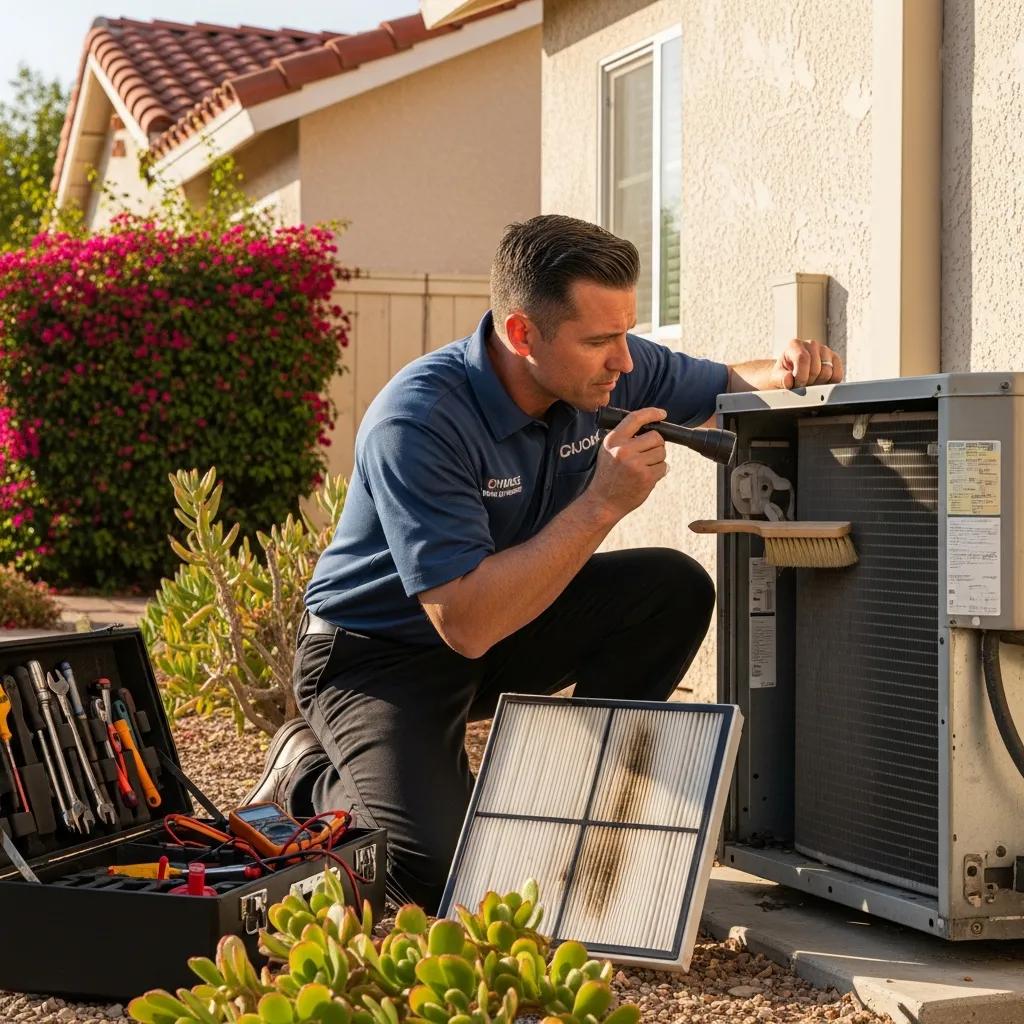
A regular HVAC tune‑up is preventive care: technicians inspect, clean, and calibrate the parts that control temperature and airflow so the system performs as designed. The steps are simple but effective — clean coils and filters improve heat transfer, a correct refrigerant charge shortens runtime, and blower adjustments even out air distribution. Together, these actions cut wasted energy and smooth indoor temperatures. Homeowners typically notice steadier comfort, lower monthly energy use, and fewer surprise breakdowns that lead to costly repairs. Industry guidance and studies show routine tune‑ups can reduce HVAC energy use by measurable amounts when equipment is returned to manufacturer specs.
Here are four direct ways tune‑ups improve comfort and efficiency:
- Smoother airflow and more consistent temperatures across rooms, reducing hot and cold spots.
- Better heat transfer from clean coils and correct refrigerant charges, which shortens run cycles and saves energy.
- Lower electrical draw from properly lubricated motors and tightened connections, which cuts operating costs.
- Early detection of faults that prevents major failures and extends equipment life, delaying the need for replacement.
Those benefits are strongest when tune‑ups are part of a regular preventive maintenance plan that balances immediate comfort with long‑term cost savings. Knowing the specific tune‑up tasks helps homeowners set priorities and recognize when to call a professional.
What Are the Key Components of an HVAC System Tune‑Up?
Tune‑up work focuses on parts that affect heat transfer and airflow: air filters, evaporator and condenser coils, the blower assembly, refrigerant charge, electrical connections, and thermostat calibration. A technician will typically inspect and replace or clean filters, vacuum and wash coils as needed, lubricate motors, check fan operation, measure refrigerant pressures, and test safety controls. Skipping any of these items usually leads to reduced performance — dirty coils cut efficiency, clogged filters limit airflow, and incorrect refrigerant levels make compressors work harder. Simple homeowner checks, like visually inspecting filters and verifying basic thermostat settings, can catch problems between service visits and prompt a timely call when you notice uneven cooling or longer run times.
How Do Tune‑Ups Cut Energy Use and Lower Bills?
Tune‑ups save energy by restoring efficient heat exchange and minimizing mechanical friction and electrical losses, which shortens run times and lowers the system’s duty cycle. For a typical Southern California home, conservative estimates suggest a proper tune‑up can reduce cooling‑related energy use by roughly 5–15%, depending on the system’s starting condition and how it’s used. For example, correcting low refrigerant and cleaning coils can reduce runtime by around 10% during peak heat, which shows up on your monthly bill. Homeowners can measure savings by tracking runtime before and after service or by monitoring energy with a smart thermostat. Repeating maintenance over time compounds savings through fewer failures and longer equipment life.
Before looking at upgrades, it helps to link specific components with the maintenance actions taken and the comfort or efficiency gains to expect.
Different tune‑up actions target specific components and produce clear comfort and efficiency results.
This component‑level view helps homeowners prioritize tasks during a service visit and set clear expectations with the technician.
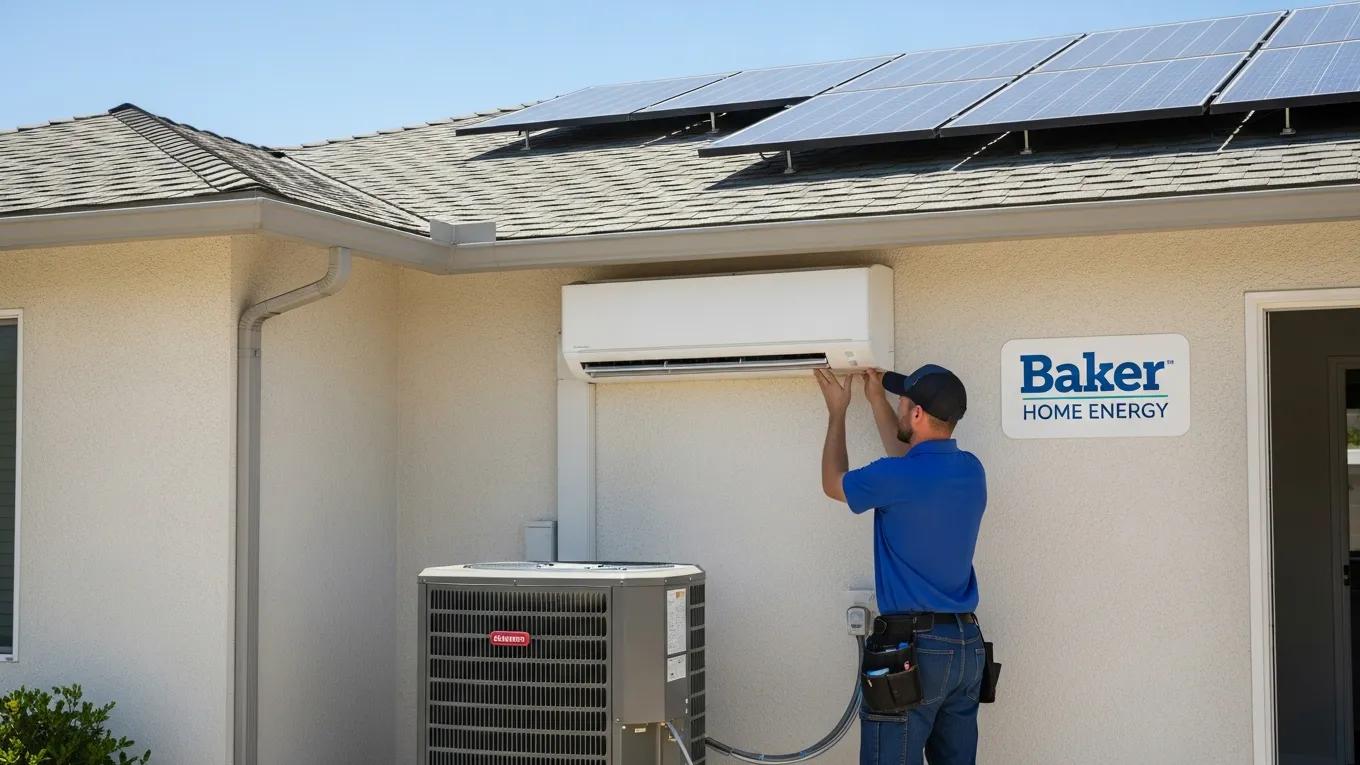
Baker Home Energy offers local HVAC tune‑up services tailored for Southern California homeowners, covering inspection and calibration of these key components and advising on follow‑up scheduling based on system condition and usage. Their local presence can make routine preventive visits easy to book without excessive promotional detail.
Why Energy‑Efficient HVAC Systems Matter for Southern California Homes
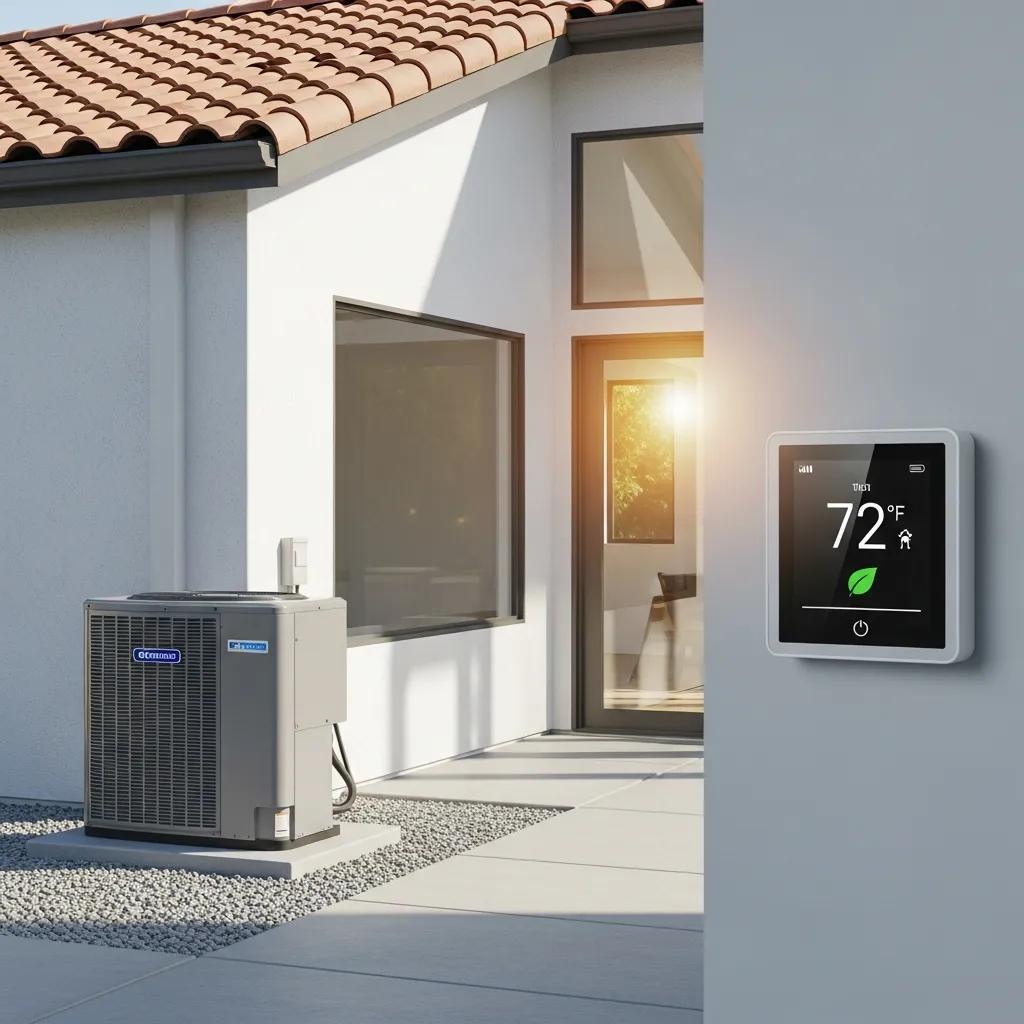
Upgrading to energy‑efficient HVAC equipment or doing targeted retrofits lowers operating costs, improves comfort, and can boost resale value. The idea is to replace or improve system elements — higher‑SEER air conditioners, heat pump conversions, duct sealing, and smart controls — so each unit of cooling or heating uses less electricity. In Southern California, where cooling often dominates, upgrades also reduce peak demand and make homes more comfortable during heat waves by delivering steadier temperatures and better humidity control. When evaluating improvements, homeowners should consider local electricity prices, available incentives, and expected payback timelines.
Use this comparison to weigh common upgrade paths, typical efficiency gains, and rough payback expectations:
This table helps homeowners compare upgrades by efficiency and financial return, so you can pick actions that fit your comfort goals and budget.
After reviewing upgrade options, consider available incentives and professional installation for correct sizing and commissioning. Baker Home Energy can help identify efficiency upgrades and local rebate programs, provide accurate estimates, and suggest retrofit plans that comply with local rules and maximize value.
How Energy‑Efficient Upgrades Improve Indoor Comfort
Energy‑efficient upgrades make homes feel better by giving steadier temperature control, improved humidity management, and quieter operation — all of which reduce the sense of variability indoors. A properly sized high‑efficiency AC combined with sealed ductwork, for example, eliminates uneven airflow and reduces short cycling, leading to more consistent temperatures and better humidity control during hot stretches. Heat pumps often run longer, gentler cycles that keep conditions even, and variable‑speed blowers cut noise and drafts. Better filtration and duct sealing also improve indoor air quality, creating a healthier, more comfortable space.
Which Local Climate Factors Affect HVAC Efficiency?
Southern California includes coastal, marine‑influenced neighborhoods and hotter inland valleys — and those microclimates change system loads, sizing choices, and maintenance needs. Coastal homes usually have lower peak cooling demand but experience humidity swings that call for careful dehumidification and thermostat setup. Inland homes face higher peak temperatures and stronger solar gain that stress compressors and refrigerant systems. Houses with high solar gain benefit from shading, reflective roofing, and correctly sized equipment to avoid oversizing. Tailored maintenance — like more frequent coil cleaning near the coast because of salt air, or closer refrigerant checks inland during heat waves — improves efficiency and extends equipment life.
Picking the right SEER rating, duct approach, and control strategy depends on your microclimate and priorities; understanding those local effects helps homeowners choose upgrades that deliver the best mix of comfort and return on investment.
When and How Often Should You Schedule Heating and Cooling Maintenance?
For most Southern California homes, a twice‑yearly schedule works well: a spring visit that focuses on the air conditioner and a fall visit to prepare heating or heat‑pump systems. This timing addresses seasonal peaks, gets systems ready before the hottest months, and catches issues ahead of cooler weather. A pre‑summer tune‑up checks refrigerant, condensate drains, and outdoor unit condition; a fall check inspects heat elements, reversing valves, and safety controls. Biannual service also aligns with many manufacturer warranty requirements and reduces the risk of emergency repairs during peak demand.
Use this simple calendar to plan maintenance:
- Spring (March–May): AC inspection, coil cleaning, refrigerant check, airflow balancing.
- Fall (September–November): Heat or heat‑pump evaluation, thermostat calibration, safety and electrical checks.
- As‑needed: After major storms, strange noises, or noticeable performance drops, schedule an interim check.
Keeping a biannual cadence maintains reliability and helps systems stay near optimal efficiency. Homes with heavy use, pets, indoor air‑quality concerns, or older equipment may need more frequent attention.
Baker Home Energy offers maintenance plans and scheduled appointment windows for Southern California homeowners, with bundled preventive visits that follow the twice‑yearly cadence and include clear quotes and follow‑up recommendations. These plans make it easier to stay on schedule without tracking service manually.
Seasonal HVAC Maintenance Checklist for Southern California
A seasonal checklist separates homeowner tasks from technician responsibilities so you can keep systems healthy between professional visits. Homeowner checks include replacing or inspecting filters monthly during heavy use, keeping debris away from outdoor units, and confirming thermostat schedules. Technician tasks for spring and fall visits include deep coil cleaning, refrigerant pressure checks, blower and motor inspections, condensate drain cleaning, and safety control tests. Prioritizing these items catches small issues early and lets technicians focus on preventive repairs rather than emergencies.
- Homeowner tasks: check and change filters, clear outdoor unit area, verify thermostat settings.
- Technician tasks: clean coils, check refrigerant, perform electrical safety tests, calibrate airflow.
Following a seasonal checklist reduces the chance of mid‑summer failures and helps maintain consistent energy performance.
How Maintenance Frequency Affects Longevity and Performance
How often you service a system directly impacts failure rates and equipment life. Regular inspections stop small problems from growing into major failures. Annual or biannual service lowers the risk of premature compressor failure, motor burnout, and refrigerant leaks; infrequent service is linked to more emergency repairs and shorter system lifespans. Systems maintained every six months are more likely to reach their expected life with fewer major repairs, while neglected systems often need replacement years earlier. Consistent maintenance also helps preserve warranty coverage and supports resale value because documented service records reassure buyers.
Preventive maintenance is a cost‑effective strategy over the long term — routine service costs are generally small compared with emergency repairs and early replacements.
How Residential HVAC Repair Services Restore Comfort Quickly
Residential HVAC repair focuses on fast diagnosis, short‑term mitigation when needed, and permanent repairs or replacement plans that restore comfort with minimal downtime. Typical triage steps are identifying symptoms (no cooling, strange noises, electrical trips), isolating likely causes with measurements and tests, applying temporary fixes like isolating a failing zone or resetting controls, and then completing repairs to minimize disruption. A quick initial response limits discomfort during extreme weather and prevents secondary damage like frozen coils or water leaks. Reliable repair workflows also include clear cost estimates and straightforward advice about whether repair or replacement better meets long‑term needs.
Issues requiring rapid attention include total loss of cooling, signs of compressor failure, major refrigerant leaks, and electrical faults that pose safety risks. Knowing immediate homeowner steps and typical technician actions helps reduce stress and improves outcomes.
Which HVAC Problems Require Emergency Repair?
Some problems need urgent service because they threaten safety or equipment health: electrical burning smells, sudden power loss to the unit, severe refrigerant leaks (hissing or ice), and water leaks that risk structural damage. These issues can escalate quickly, so shut off affected systems if you detect burning odors or visible electrical arcing and avoid running equipment that smells wrong. For refrigerant leaks, ventilate the area and avoid contact with escaping refrigerant; for water leaks, protect belongings and, if safe, isolate circuits to avoid electrical hazards.
Prioritizing emergency repairs and following safe interim steps can prevent larger failures and protect both comfort and safety while you wait for a technician.
How to Find Reliable Air‑Conditioning Service Near You in Southern California
Finding a trustworthy local HVAC contractor means vetting credentials and service practices, not just price. Check for valid licenses and insurance, read local customer reviews for real experience, confirm clear warranties on parts and labor, and look for prompt response times plus transparent, itemized estimates. Watch for red flags like unusually low quotes without diagnostic detail, reluctance to provide written estimates, or no verifiable local presence. Ask technicians specific questions about diagnostic steps, parts warranties, and follow‑up support to judge professionalism and reduce the chance of poor outcomes.
- Vetting checklist: license, insurance, local reviews, warranties, transparent estimates.
- Questions to ask: What diagnostic steps will you take? What’s the timeline? What are the warranty terms?
Baker Home Energy is a Southern California provider focused on home energy solutions — HVAC tune‑ups, repairs, and efficiency upgrades for residential customers. Their local presence can simplify the search for dependable service, but homeowners should still verify credentials and request a written estimate before scheduling work.
How Smart Thermostats Complement HVAC Maintenance
Smart thermostats add value by delivering data and control that improve maintenance and day‑to‑day efficiency. They collect runtime, setpoint, and temperature‑variance data technicians can use to diagnose airflow imbalances, short‑cycling, or control problems during service visits. Features like smart scheduling, occupancy sensing, and adaptive learning cut unnecessary conditioning when the house is empty while preserving comfort when people return, reducing energy use without constant attention. The combination is powerful: maintenance keeps hardware operating correctly, and smart controls optimize how the system runs.
Smart thermostats also provide remote monitoring and alerts that catch issues early — notifications about unusual runtime or temperature drift can trigger diagnostics before a small problem becomes an emergency.
What Energy Savings Do Smart Thermostats Deliver?
Smart thermostats usually save energy by tightening temperature control, enabling setback schedules, and cutting runtime during unoccupied periods through occupancy sensing and geofencing. Industry averages point to roughly 5–12% savings on heating and cooling energy, depending on behavior and the system’s baseline efficiency. Mechanisms include automated setback, adaptive recovery, and learning algorithms that reduce peak runtime and smooth cycles. Pairing smart controls with a well‑maintained system yields the best results, since the hardware must respond accurately to optimized schedules.
How to Tune Smart Thermostat Settings for Southern California Comfort
To optimize a smart thermostat in Southern California, use modest setback ranges, let adaptive learning manage temperature changes instead of big manual swings, and adjust humidity‑aware settings for coastal or valley homes. Daytime temperature bands should stay a few degrees from your comfort point to avoid excessive cycling; night settings can be a bit wider to save energy without affecting sleep. For heat‑pump homes, use the dedicated heat pump modes and avoid frequent manual overrides that confuse learning algorithms. Sharing runtime and diagnostic data with your technician before a service visit helps them target issues and fine‑tune controls for ongoing savings.
Smart thermostat data is most useful when paired with regular maintenance that confirms the system responds reliably and tunes control logic to real performance.
These upgrades deliver the best results when combined with well‑timed maintenance and professional commissioning so settings match the home’s thermal behavior.
Baker Home Energy’s services include HVAC maintenance, repairs, and efficiency upgrades designed for Southern California homes. They can help you pick compatible smart thermostats and schedule professional setup that uses diagnostic data during service visits. Homeowners ready for quotes or upgrade advice can contact Baker Home Energy for local consulting and estimates aligned with the recommendations above.
Frequently Asked Questions
1. What should I look for when choosing an HVAC maintenance provider?
Choose companies with valid licenses and insurance to ensure compliance and protect you from liability. Look for local customer reviews that describe real service experiences and confirm clear warranties on parts and labor. Transparent, itemized estimates help avoid surprise costs. Also ask about response times and the scope of diagnostic checks so you know they can address your needs.
2. How can I tell if my HVAC system needs immediate repair?
Immediate repair is likely if you hear unusual noises, lose cooling or heating suddenly, or see visible leaks or water damage. Burning smells or electrical problems need urgent attention. If the system cycles on and off frequently or can’t hold set temperatures, schedule service promptly to prevent further damage.
3. Are there any specific maintenance tasks I can do myself?
Yes. Regularly check and replace air filters, keep debris away from outdoor units, and confirm thermostat schedules and vent clearance. These simple steps help maintain performance between professional visits and extend equipment life.
4. What are the benefits of scheduling HVAC maintenance during off‑peak seasons?
Scheduling in spring or fall often means easier booking and sometimes lower costs because providers are less busy. It also ensures systems are tuned before peak use, helping prevent breakdowns during extreme weather and saving on emergency repairs.
5. How do I know if my HVAC system is energy efficient?
Check the SEER rating for cooling efficiency — higher SEER means better efficiency. Look at your energy bills for unexplained increases, and make sure the system is regularly maintained. Older systems are usually less efficient, so consider upgrading if your equipment is dated.
6. What role do smart thermostats play in HVAC maintenance?
Smart thermostats give real‑time data on system performance and usage patterns, letting you optimize schedules and get alerts for potential issues. They make maintenance more effective by providing diagnostics and reducing unnecessary runtime, which lowers energy costs and improves comfort.
7. How can I improve indoor air quality through HVAC maintenance?
Improve indoor air quality by replacing or upgrading filters, cleaning ducts, and ensuring proper ventilation. Consider advanced filtration or air‑purification options if needed. Regular maintenance identifies and corrects issues that affect IAQ, helping keep your home healthier.