Heating System Repair in Southern California — Expert Furnace, Heat Pump & Emergency Service
Southern California homeowners depend on dependable heating repairs to restore comfort, keep energy costs down, and avoid long-term expenses. This guide walks through common furnace and heat pump failures, the diagnostic steps pros use, and when repair makes more sense than replacement. You’ll learn how professional furnace service and maintenance improve comfort and lower bills, what heat pump troubleshooting and refrigerant work involve, and how to respond to urgent heating hazards that need 24/7 attention. We also explain how correct installation supports repair work and summarize Baker Home Energy’s local capabilities and trust signals. Throughout, we use clear checklists, easy comparison points, and straightforward repair‑vs‑replace criteria so you can prioritize safety, efficiency, and cost‑effective choices for Southern California homes.
Common Heating Problems in Southern California Homes
Most homes in our region run into a predictable set of heating issues driven by aging equipment, skipped maintenance, or system mismatches. Symptoms usually show up as no heat, weak output, odd noises, thermostat trouble, short cycling, or uneven rooms from airflow or duct issues. Knowing the usual signs helps you run safe initial checks and decide when to call a technician. Below are the top problems with a quick cause and the first action to take.
Common heating system problems and immediate homeowner actions:
- No heat or insufficient heat: Often from thermostat settings, tripped breakers, or ignition failures; check power and thermostat first.
- Strange noises at startup: Usually bearing wear, loose panels, or ignition delays; turn off the system and look for loose panels or debris.
- Thermostat malfunctions: Dead batteries, loose wiring, or calibration drift; swap batteries and confirm settings.
- Heat pump reduced output or freeze-ups: Low refrigerant or restricted airflow is common; check and replace filters and let the defrost cycle finish.
- Short cycling (rapid on/off): Caused by oversized equipment, airflow problems, or safety controls tripping; note the pattern and avoid repeatedly resetting the system.
- Uneven heating or cold spots: Duct leaks, closed vents, or airflow imbalance; inspect vents and consider duct sealing or balancing.
These quick checks narrow likely causes and give technicians useful information before they arrive, speeding up diagnostics and repairs.
Why Isn’t My Furnace Producing Heat?
When a furnace won’t produce heat, start with the simple, safe checks: confirm the thermostat is set to heat and at the right temperature, verify circuit breakers and the furnace power switch, and make sure any gas valve is open. Many outages are resolved this way. If power and settings are correct, internal faults like a bad igniter, a failed pilot, a closed gas valve, or a tripped limit switch are common and need professional diagnostics. Persistent no‑heat—especially when you smell gas or a carbon monoxide alarm sounds—should stop you from further troubleshooting; evacuate if necessary and call a qualified technician immediately.
That basic flow leads naturally into other symptom-focused troubleshooting—noises, thermostat errors, and safety faults each require different diagnostic steps.
What Causes Strange Noises and Thermostat Problems?
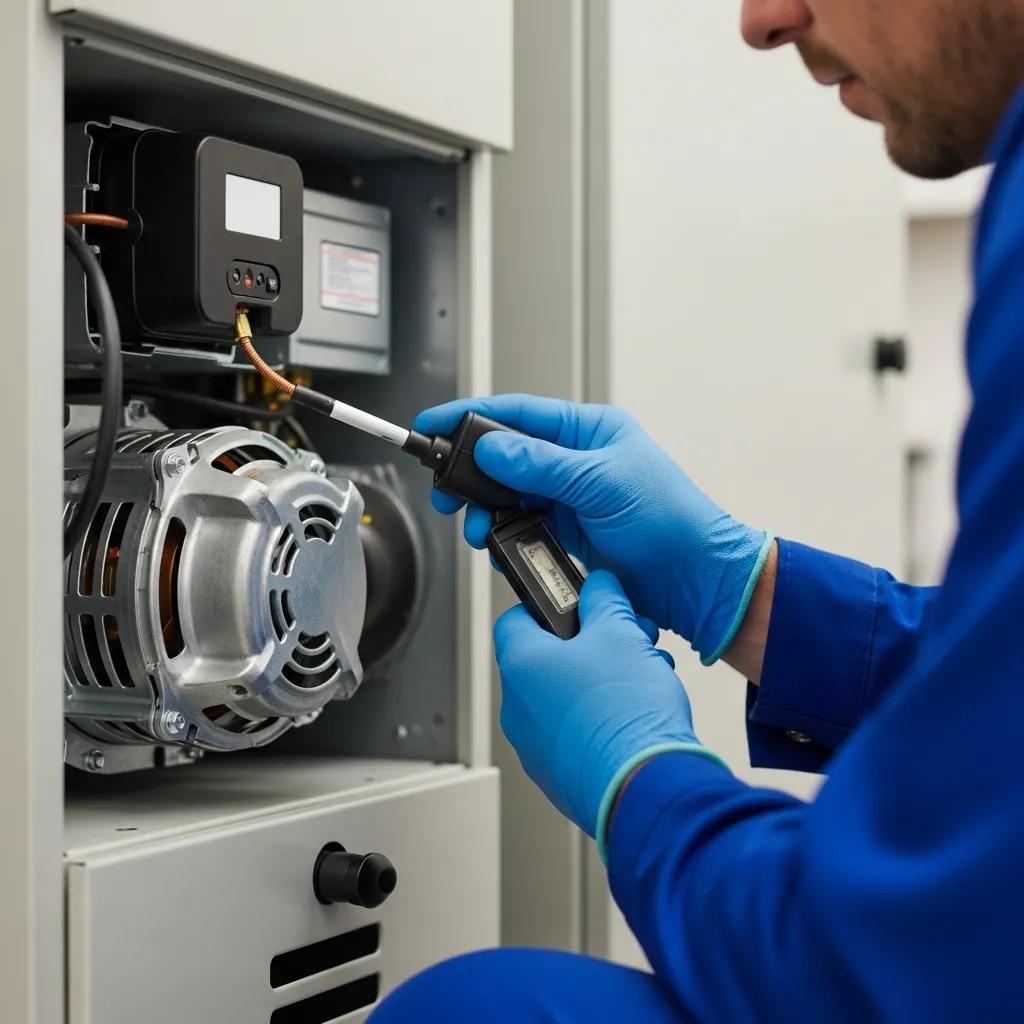
Unusual heater sounds usually point to mechanical wear, airflow restrictions, or combustion timing issues; identifying the sound helps isolate the failing part. Grinding or squealing often means motor bearings or belts; banging or popping can be delayed ignition or metal expansion in the ductwork; rattling usually comes from loose panels or debris. Thermostat problems are often simpler—dead batteries, loose wiring, or calibration drift—and smart thermostats can need software or network troubleshooting. You can safely try battery changes and tighten visible connections, but any sound that suggests combustion trouble or persistent electrical issues means call a professional right away to avoid safety risks.
Describing the sound and thermostat behavior to your technician helps them diagnose and fix the issue faster.
How Professional Furnace Repair Improves Comfort and Energy Efficiency
Professional furnace repair restores performance by fixing worn parts, resolving airflow issues, and calibrating controls. The outcome: steadier comfort, lower energy use, and longer equipment life. Technicians follow methodical diagnostics—electrical checks, combustion analysis, airflow measurement, and component inspection—so they address root causes instead of temporary fixes. Common repairs like blower motor service, filter replacement, and heat exchanger cleaning each have measurable benefits; the table below summarizes typical interventions and outcomes to help you weigh priorities.
Common furnace repair interventions and their impact:
This comparison helps you see how targeted repairs translate into more comfort and better efficiency, so you can prioritize the most impactful work.
- More consistent temperatures: Proper blower and control work cuts cold spots and odd cycles.
- Lower energy use: Improved airflow and combustion efficiency reduce fuel or electricity consumption.
- Longer equipment life: Fixing root causes prevents cascading failures and delays replacement.
Those benefits are why professional repairs are usually a smarter choice than repeated temporary fixes, and they set up the next decisions around fuel types and preventative maintenance.
Benefits of Gas vs. Electric Furnace Repairs
Repair methods vary by fuel. Gas furnace work focuses on combustion safety—ignition, gas valve operation, venting, and heat‑exchanger checks—to cut carbon monoxide risk and restore fuel efficiency. Electric furnace repairs target heating elements, relays, and contactors to ensure even resistance heating and safe electrical operation. Both paths improve comfort and lower operating costs, but gas systems need added safety steps, so professional diagnostics are essential to avoid hazardous outcomes.
Knowing these differences helps you ask the right questions about parts, safety testing, and expected efficiency gains during a service visit.
How Regular Furnace Maintenance Prevents Costly Breakdowns
Annual tune‑ups, filter changes, and safety inspections catch wear early and keep systems set up to run efficiently. A typical maintenance checklist includes the items below; together they reduce emergency repairs and can boost efficiency measurably.
- Filter replacement
- Burner and pilot inspection
- Blower cleaning
- Belt checks
- Safety control testing
- Thermostat calibration
Routine service lowers the chance of failures during peak use, keeps warranties valid, and provides records that help with resale or incentive applications. Homeowners who schedule regular maintenance get fewer emergency calls, steadier heat, and clearer lifetime cost forecasts.
Heat Pump Repair: Key Benefits and Solutions in California
Heat pump service in California focuses on restoring reversible heating/cooling performance, managing refrigerant systems, and staying compliant with changing refrigerant rules. Air‑source and geothermal heat pumps have different needs—air‑source systems often need coil cleaning and refrigerant work, while geothermal systems prioritize loop integrity and pump health—but both benefit from timely compressor and valve repairs. The table below outlines common heat pump actions, their efficiency impact, and regulatory notes so homeowners can weigh tradeoffs.
- Restored seasonal efficiency: Correct refrigerant charge and a healthy compressor bring systems back toward their designed COP.
- Lower operating costs: Efficient components cut electric draw and improve heat delivered per kWh.
- Regulatory alignment: Managing refrigerant types and retrofits helps meet phase‑out schedules and local incentive rules.
How Air Source and Geothermal Repairs Improve Efficiency
Air‑source repairs—coil cleaning, refrigerant charge correction, and compressor service—directly restore heat‑exchange efficiency and cut operating energy. Geothermal work focuses on loop integrity, pump service, and fluid quality to preserve stable ground‑coupled transfer and long‑term efficiency. Repairing key components in either system reduces cycling, stabilizes temperature control, and can recover a large share of lost efficiency, especially when paired with proper ductwork and controls. In our region, air‑source systems are common for retrofits, while geothermal makes sense where loop installation is feasible and long‑term savings are the priority.
Common Heat Pump Troubleshooting and Refrigerant Issues
Typical heat pump problems include low refrigerant, reversing valve failures, compressor wear, and defrost cycle malfunctions. Accurate diagnosis separates a simple leak repair and recharge from component replacement. Signs of refrigerant loss include reduced heating capacity, longer run times, and frosting on coils; technicians use pressure testing and leak detection to define the scope and whether a refrigerant retrofit is needed. The industry is moving away from older blends like R‑22 and R‑410A toward lower‑GWP alternatives, so some repairs may involve transition planning or local compliance. When compressors are badly damaged or leaks are widespread, replacement is often more cost‑effective than repeated refrigerant top‑ups.
When to Call for Emergency Heating Repair in Southern California
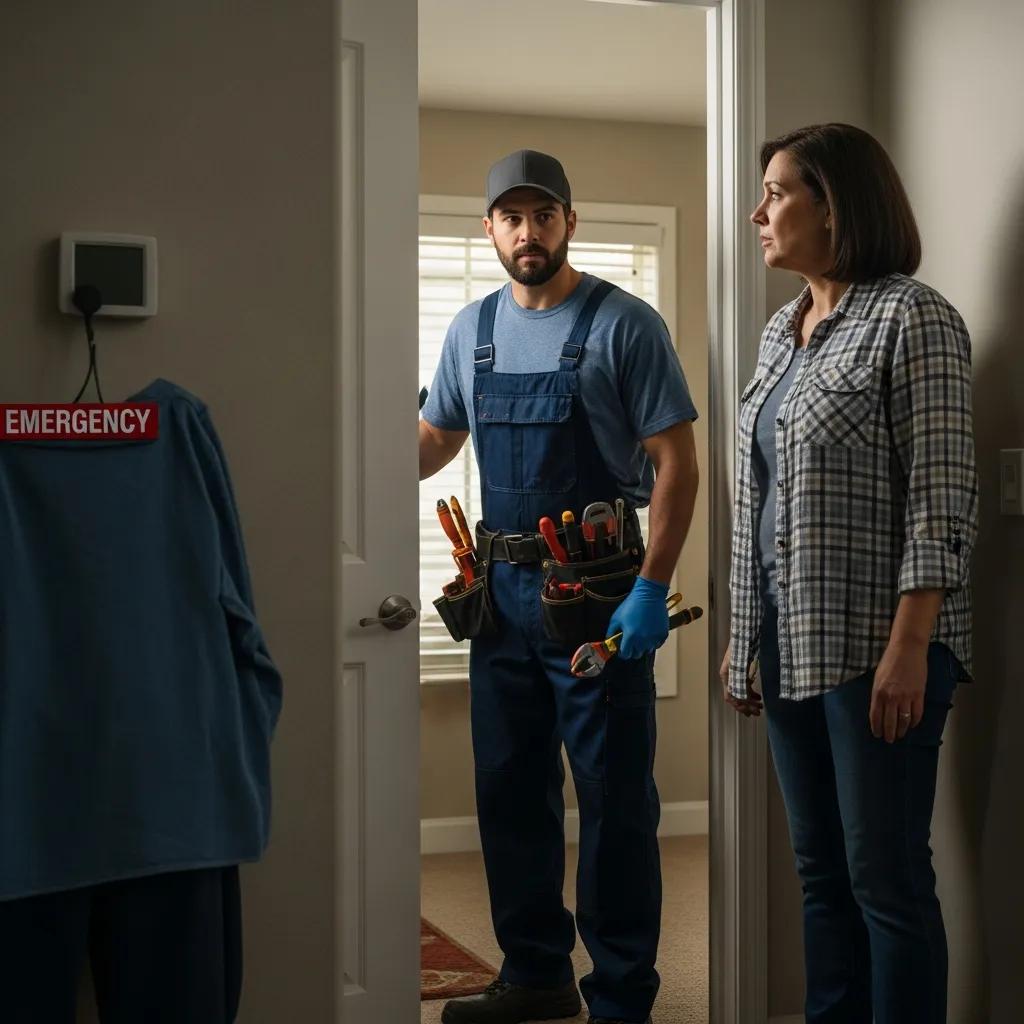
Call emergency heating service whenever health, safety, or property are at risk—examples include loss of heat in extreme conditions, gas leaks, or a carbon monoxide alarm. Fast professional response reduces immediate danger and prevents escalation. While you wait for help, follow clear safety steps: shut off fuel sources if safe, ventilate spaces, and evacuate when necessary. The checklist below lists high‑priority issues that usually require 24/7 intervention and the actions to take while a qualified technician is en route.
Emergency indicators and immediate homeowner steps:
- No heat during extreme cold or if vulnerable occupants are present: Move to safe shelter, use alternate heating only if safe, and call emergency service.
- Smell of gas: Evacuate immediately, avoid using switches or phones indoors, and notify authorities from a safe spot.
- Carbon monoxide alarm activation: Evacuate, get fresh air, and call emergency responders plus a qualified technician.
- Persistent burning or electrical smells: Turn off power to the system if it’s safe to do so and wait for a professional evaluation.
A quick reference that ranks common emergency issues by risk and recommended immediate action is helpful; see the table below.
Which Heating Problems Require 24/7 Emergency Repair?
Some faults are immediate dangers and need round‑the‑clock service: gas leaks, carbon monoxide alarms, electrical burning odors, and total failures that put vulnerable people at risk. These conditions threaten health or create fire/explosion hazards, so waiting for normal business hours can make things worse. Follow emergency protocol—evacuate if needed, avoid anything that could ignite gas, and contact emergency services—then arrange for a certified technician to triage and secure the system. Knowing when to escalate to emergency repair reduces risk and speeds safe restoration.
How Baker Home Energy Responds to Emergency Heating Calls
Baker Home Energy serves Southern California with emergency heating response that puts safety first. On urgent calls our technicians perform immediate hazard triage—shutting off fuel or power when necessary, checking for carbon monoxide, and implementing safe temporary measures to restore minimum function while diagnostics continue. Our local presence and whole‑home energy approach let us assess system interactions and recommend efficient short‑ and long‑term fixes that fit regional conditions and incentive programs. If you need 24/7 help, request emergency service so a trained technician can do safety checks and prioritize repairs.
How Installation and Replacement Complement Repair Services
Installation and replacement address systemic limits—age, irreparable parts, or outdated refrigerants—that repeated repairs can’t fix cost‑effectively. Proper installation guarantees correct sizing, duct integration, and code compliance, which improve comfort and lower operating costs over the system’s life. Use decision frameworks that weigh equipment age, repair frequency, and efficiency decline to decide between repairing or replacing; the list below highlights common replacement indicators.
- Equipment age near or beyond typical lifespan: Older units often need frequent repairs and lose efficiency.
- Repeated major repairs within a short timeframe: Recurring failures point to degrading systems.
- Significant efficiency loss or rising energy bills despite repairs: Falling COP or AFUE can justify replacement.
- Regulatory or refrigerant phase-outs affecting performance: Units needing costly retrofits may be better replaced.
When It’s Time to Replace Your Furnace or Heat Pump
Replace when repair costs approach a large share of replacement cost, when equipment keeps failing, or when regulatory shifts (like refrigerant phase‑outs) make continued operation impractical. Lifespans differ by technology, but clear red flags include cracked heat exchangers, seized compressors, or repeated control‑board failures—conditions that carry safety risks or high repair bills. Compare lifecycle costs—expected future repairs vs. replacement amortized over the expected life—and factor in available incentives or mandates to decide. That analysis helps you choose the option that best balances comfort, efficiency, and value.
Advantages of Professional Heating Installation in Southern California
Professional installation brings technical rigor—accurate load calculations, correct equipment sizing, and full commissioning—that reduces post‑install problems and maximizes efficiency for local climate zones. Installers handle permits, inspections, and can guide you through incentives and refrigerant or electrification requirements. Quality installation lowers the risk of short cycling, poor airflow, and warranty issues, and provides documented testing that simplifies future maintenance. By managing permits, system optimization, and final balancing, a professional install delivers reliable performance and helps you meet energy and comfort goals.
Why Choose Baker Home Energy for Heating Repair & Installation
Baker Home Energy is a Southern California provider focused on whole‑home energy solutions, furnace and heat pump repair, professional installation, and tune‑up services that prioritize comfort, efficiency, and savings. Our local experience, whole‑home perspective, and public reviews translate into faster diagnostics, better retrofit planning, and reliable follow‑through for homeowners. We offer diagnostic inspections, certified technician service, and easy options to schedule work or request a quote from your local team. Local expertise and integrated energy planning matter when a system affects both comfort and long‑term operating costs.
How 86+ Years of Experience and Local Knowledge Help Homeowners
Decades of local experience mean our technicians understand regional climate patterns, common building types in Southern California, and the typical failure modes we see here—so we diagnose faster and repair more efficiently. That history also helps with parts sourcing and navigating permits and incentive programs, so recommendations fit local realities. Faster, more accurate diagnosis reduces downtime, limits unnecessary replacements, and protects your budget and comfort. That operational knowledge delivers practical value when addressing complex, whole‑home energy needs.
Customer Reviews and Awards That Reflect Our Commitment
Public reviews and industry recognition are useful independent signals of consistent service and customer care. Homeowners can check our public listings to confirm responsiveness, workmanship, and communication. Reviews and awards don’t replace technical vetting, but they add confidence about reliability and experience. Ready to move forward? Ask us for references or a service estimate so you can confirm scope and fit.
Frequently Asked Questions
What should I do if my heating system is making unusual noises?
First, turn the system off and look for obvious causes like loose panels or debris. Note the sound—grinding, squealing, banging—and when it happens. If the noise stops after simple checks, schedule a service call; if it continues or sounds like combustion trouble, call a professional right away to prevent safety risks.
How can I improve the energy efficiency of my heating system?
Start with regular maintenance: change filters, seal and insulate ducts, and schedule annual tune‑ups. Small upgrades—programmable or smart thermostats and timely repairs—also cut energy use. If your system is old or inefficient, a modern replacement may offer the biggest savings over time.
What are the signs that my heating system needs to be replaced?
Look for frequent breakdowns, rising energy bills despite repairs, and equipment age near or beyond typical lifespan. Major safety issues—like a cracked heat exchanger or a seized compressor—or repair costs that approach replacement cost are also strong signals to replace rather than repair.
How often should I schedule maintenance for my heating system?
We recommend at least one maintenance visit a year, ideally before the heating season. Annual tune‑ups include filter replacement, safety checks, and system cleaning. Older systems or homes with heavy use may benefit from twice‑yearly checks.
What should I do if I smell gas near my heating system?
If you smell gas, evacuate immediately—do not operate switches, phones, or anything that could spark—then call emergency services and your gas provider from a safe location. Leave troubleshooting to qualified professionals to ensure safety and proper handling.
Are there any specific regulations I should be aware of regarding heating systems?
Yes. Refrigerant phase‑outs and evolving efficiency standards affect repairs and replacements. Older refrigerants are being phased out, which can require retrofits or replacements. Local building codes also affect installation practices and efficiency requirements. Consult a knowledgeable professional to stay compliant.
How can I choose the right heating system for my home?
Consider home size, insulation, and local climate. Compare efficiency metrics—AFUE for furnaces or HSPF/COP for heat pumps—and factor in operating costs, incentives, and long‑term goals. A professional evaluation and load calculation will help you choose a system that balances comfort, efficiency, and cost.