New Furnace & Heating System Installation: Your Southern California Guide to Costs, Benefits, and Options
Installing a new furnace or full heating system is more than a like-for-like swap — it’s a chance to improve comfort, cut energy bills, and meet Southern California’s local permitting and emissions rules. This guide walks through what a new system involves, how climate, codes, and your home’s construction affect choices, and how to weigh costs, incentives, and long‑term value. We’ll compare natural gas furnaces, electric furnaces, and heat pumps, explain efficiency ratings like AFUE, SEER, and HSPF in practical terms, and show how those numbers translate into annual savings. You’ll also get a step‑by‑step look at a typical installation, a decision framework for repair vs. replacement, and clear tips on financing and California rebates. Where useful, we break things into price components, checklists, and side‑by‑side comparisons — and we note how a local specialist like Baker Home Energy estimates, diagnoses, and optimizes whole‑home performance for Southern California homes.
What Are the Typical Costs for Furnace Installation in Southern California?
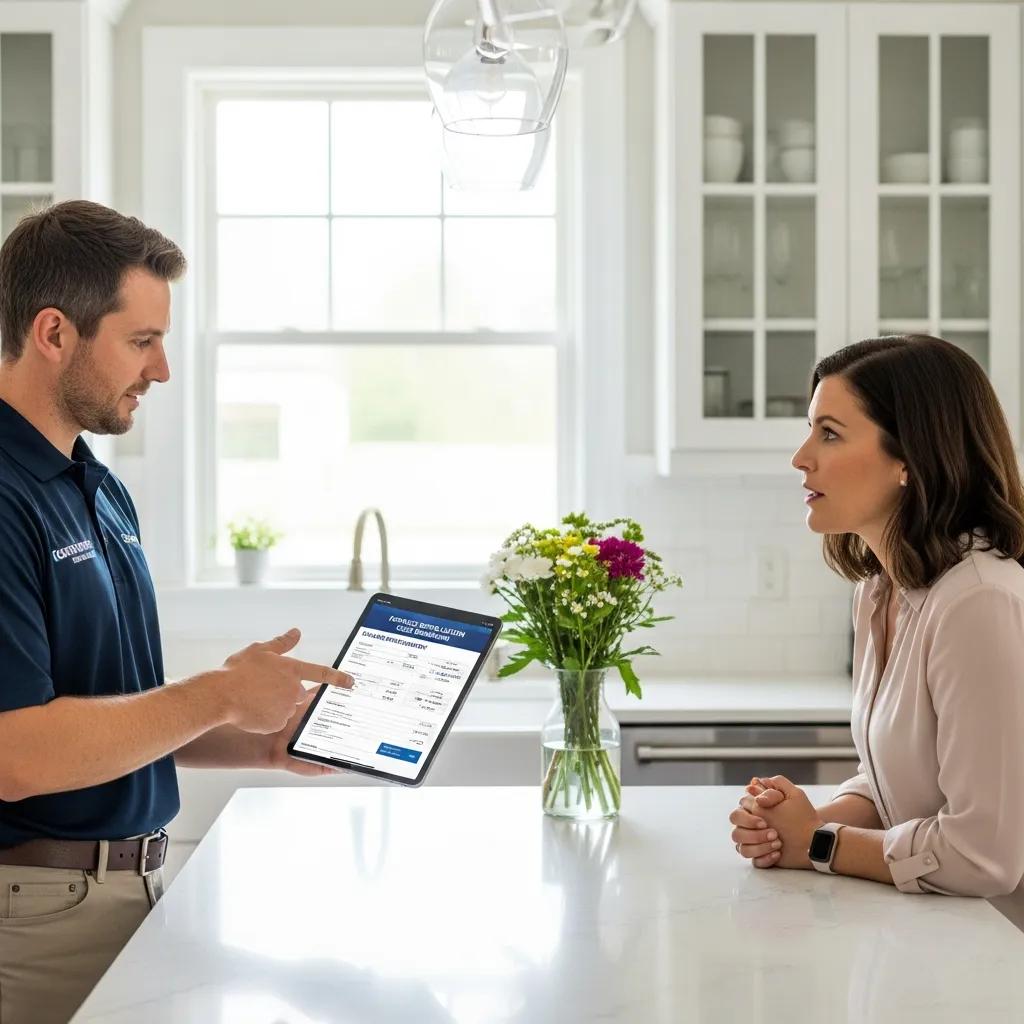
Installed costs in Southern California vary a lot depending on system type, efficiency, and how complex the install is. Expect the total price to include equipment, labor, permits, and any ductwork or electrical/gas work. Equipment prices differ by technology — gas furnaces, electric furnaces, and heat pumps each have different baselines — and ULN (Ultra Low NOx) models or high‑AFUE units often cost more because they meet emissions or efficiency standards. Labor can be a big share of the bill when crews must alter ducts, work in cramped attics, or convert fuel types. Local factors — permit fees, South Coast AQMD rules, and contractor licensing — also affect the final number, so itemized bids make it easier to compare contractors.
Below are the typical cost elements and how they usually range.
The table breaks out common price components and regional notes so you can better evaluate bids.
That range explains why two similar houses can get very different estimates. Knowing each line item helps you ask targeted questions when comparing proposals. Once you understand the main cost drivers, you can look into financing and incentives to lower your net expense.
Which Factors Influence Furnace Installation and Replacement Costs?
The biggest cost drivers are equipment choice, the scope of installation, and local compliance requirements — and each affects whether it makes sense to repair or replace. Equipment decisions hinge on proper sizing and efficiency: the wrong capacity shortens lifespan and hurts comfort, while higher AFUE or better HSPF/SEER raises equipment cost but lowers operating bills. Installation complexity — access, venting, gas or electrical upgrades, and duct condition — can add hundreds or thousands to labor and materials. Permit timelines and ULN emission rules in parts of Southern California also steer equipment selection and cost.
- Equipment selection and efficiency affect both upfront cost and ongoing fuel use.
- Installation complexity, including ductwork and access, increases labor time and price.
- Permits, inspections, and emission compliance add administrative fees and sometimes required equipment.
Knowing these drivers helps you compare quotes and decide if extra upfront investments (like higher efficiency or duct sealing) will pay off in lower bills and better comfort. From there, explore financing and rebate options to reduce your out‑of‑pocket expense.
What Financing and Rebate Options Are Available for New Furnaces in California?
Financing and rebates can significantly lower your net cost, but availability and eligibility differ by utility territory and locality — always check current program rules before you sign. Common financing options include contractor financing, home improvement loans, and PACE (property‑assessed clean energy) programs, each with different terms. Incentives come from federal tax credits (for certain electrification or efficiency upgrades), state and local utility rebates (often for heat pumps and high‑efficiency equipment), and occasional point‑of‑sale discounts. An experienced contractor can help you find and stack rebates and financing you qualify for.
Here’s a quick reference for typical programs and what to check when evaluating them.
Use this table to prioritize opportunities and timelines — many incentives require pre‑approval or have application windows. Baker Home Energy can estimate potential incentives and outline financing as part of a tailored quote to simplify your decision.
How to Decide Between Heater Repair and Replacement in Southern California?
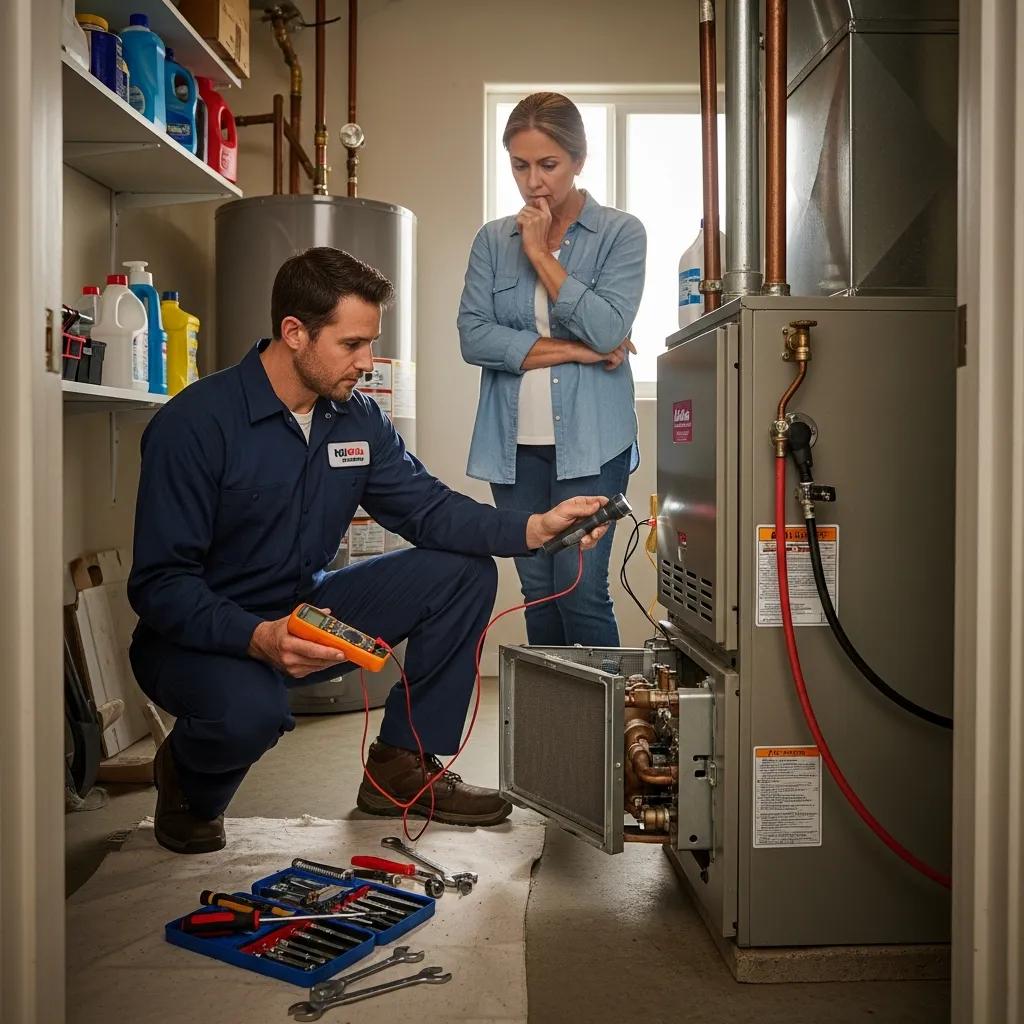
Choosing repair or replacement combines objective diagnostics (age, efficiency, repair history, safety) with your goals for comfort and electrification. Start with system age — older units often need frequent fixes with diminishing returns. Compare the repair estimate to replacement cost: a common rule‑of‑thumb is to consider replacement when repairs exceed about 50% of replacement cost, adjusted for expected remaining life and efficiency gains. Safety issues, ongoing indoor air quality problems, and local rules like ULN requirements should also shape the decision, especially in Southern California where emissions and long‑term operating costs matter.
- Age & service history: Units with repeated service calls are likelier candidates for replacement.
- Repair cost vs replacement: Use a cost‑to‑replace threshold and factor in remaining life.
- Efficiency & compliance: A higher‑AFUE furnace or a heat pump can cut operating costs and meet rules.
These checkpoints help you weigh short‑term repairs against longer‑term savings and reliability. The next section shows common signs that replacement is the better move and how a pro evaluation resolves unclear cases.
What Are the Signs You Need a New Heating System?
Clear signs a replacement is due include frequent breakdowns, steadily rising energy bills despite maintenance, poor temperature balance between rooms, and safety warnings like unusual odors or carbon monoxide alerts. Repeated failures of major components (heat exchanger, compressor) usually mean future problems are likely and replacement is more cost‑effective. Age is a practical guide — older systems lose efficiency and reliability, and repair costs can add up. If indoor air quality problems persist even after filter changes, a modern system with better airflow and filtration may be the solution.
- Frequent breakdowns and escalating repair costs
- Rising energy bills without increased usage
- Uneven heating and persistent indoor air quality issues
If signs are mixed, a professional diagnostic — including efficiency testing and a visual inspection — gives the data you need to choose between a targeted repair and a full replacement.
How Does Repair vs. Replace Impact Energy Efficiency and Costs?
Fixing an older furnace restores function but usually doesn’t change its base efficiency; replacing it with a high‑AFUE furnace or a modern heat pump yields measurable reductions in annual fuel or electricity use. For example, upgrading from a 70% AFUE gas furnace to a 95% AFUE unit cuts gas consumption significantly, and switching to a modern heat pump can deliver even larger efficiency gains measured by HSPF and SEER. Payback depends on the efficiency improvement, local energy prices, and the remaining life of the existing unit — a simple comparison of annual savings versus the incremental capital cost gives the payback years. Reliability and lower unplanned repair costs are additional non‑monetary benefits that often justify replacement.
- Efficiency uplift: Higher AFUE/HSPF lowers yearly bills.
- Payback analysis: Compare the price premium to annual savings.
- Reliability benefits: New equipment reduces unexpected repair expenses.
Understanding these trade‑offs helps homeowners make financially sound decisions based on climate, usage, and comfort priorities.
What Types of Heating Systems Are Best Suited for Southern California Homes?
Southern California’s mild winters and varied microclimates mean both heat pumps and efficient gas furnaces can be good fits. The right choice depends on your location (coastal vs. inland), existing ductwork, and electrification goals. Heat pumps perform very well in moderate coastal climates, offering efficient heating and built‑in cooling. Gas furnaces remain cost‑effective in some inland areas with colder nights or where gas service already exists. Electric furnaces are less common because of higher operating costs but can suit fully electrified homes or projects where simplicity and lower upfront cost matter. Local rules like ULN emissions standards also influence what equipment is allowed or incentivized.
Below is a comparison summarizing fuel type, efficiency metrics, typical installed costs, and the best use cases for Southern California homes.
This snapshot shows how technology maps to climate and homeowner goals. Next we compare these technologies more directly and cover ULN and efficiency impacts that affect both selection and incentives.
How Do Gas Furnaces, Electric Furnaces, and Heat Pumps Compare?
Gas furnaces typically deliver more heat per dollar up front when gas is available, measured by AFUE. Heat pumps provide both heating and cooling and often offer better seasonal efficiency via HSPF and SEER. Electric furnaces are simple and low‑maintenance but can cost more to operate depending on electricity rates. Installation complexity varies: switching from gas to a heat pump may require electrical upgrades and refrigerant lines, while replacing a like‑for‑like gas furnace usually focuses on ducts and venting. Operating cost comparisons depend on local energy prices — in many coastal Southern California markets, modern heat pumps can now be cheaper to run year‑round thanks to improved efficiency and favorable electric rates.
- Operating costs depend on AFUE vs. HSPF/SEER and local fuel prices.
- Installation complexity varies by conversion needs, ductwork condition, and access.
- Heat pumps add cooling and often qualify for electrification incentives.
Knowing these differences helps homeowners prioritize systems based on location, existing infrastructure, and long‑term energy goals.
What Are the Benefits of Ultra Low NOx Furnaces and Energy-Efficient Models?
Ultra Low NOx (ULN) furnaces cut nitrogen oxide emissions to meet regional air quality goals in parts of Southern California and may be required in certain jurisdictions overseen by agencies like the South Coast AQMD. ULN units can also qualify for specific rebates and help communities meet clean‑air targets. High‑efficiency models benefit homeowners with lower fuel use, smaller carbon footprints, and improved comfort thanks to better modulation and airflow. When paired with duct sealing and smart controls, high‑efficiency equipment can shorten payback periods and boost overall system performance.
- ULN units reduce NOx emissions and can affect equipment eligibility regionally.
- Energy‑efficient models cut operating costs and improve comfort.
- Incentives may offset part of the higher upfront cost for efficient equipment.
Balancing regulatory requirements and homeowner priorities ensures the selected system meets emissions rules while maximizing comfort and savings.
What Is the Furnace Installation Process with Baker Home Energy?
Below is the typical installation process Baker Home Energy follows so homeowners know what to expect on timing, steps, and deliverables. We start with a consultation and on‑site inspection, complete a Manual J load calculation, and recommend equipment. Once you approve the scope, we help with permits, schedule certified technicians, install and commission the system, and finish with post‑install testing and a homeowner walkthrough. We take a whole‑home approach — coordinating heating upgrades with smart thermostats, IAQ improvements, or electrification where it makes sense — so you get better long‑term performance and savings.
- Consultation & inspection: On‑site review of existing equipment and ductwork.
- Load calculation & proposal: Manual J sizing and clear, written estimate with options.
- Permitting & scheduling: We manage permit pulls and inspection coordination.
- Installation & commissioning: Install, run safety checks, and verify performance.
- Follow-up & support: Warranty paperwork and maintenance/tune‑up planning.
This clear, step‑by‑step workflow sets expectations and shows how Baker Home Energy integrates incentive and financing guidance during the estimate phase to streamline your purchase.
What Steps Are Involved from Consultation to Final Installation?
Your experience starts with a site visit where technicians document system age, duct condition, and home layout. We then size the load, produce a written quote and timeline, and submit permit applications to the local authority once you approve the proposal. After permits are issued, installers remove the old system, complete necessary mechanical and electrical work, and install the new equipment. Commissioning follows: airflow verification, combustion testing for gas systems, refrigerant checks for heat pumps, and a homeowner walkthrough covering operation and maintenance. We handle permit sign‑offs and any post‑install tuning as needed.
- Initial site inspection and Manual J load calculation
- Permitting, scheduling, and installation
- Commissioning, testing, and homeowner orientation
Following these steps reduces surprises, creates accountability, and helps ensure your new system meets performance, safety, and compliance expectations.
What Permit and Compliance Requirements Must Homeowners Know?
Permit rules vary by city and county in Southern California but typically include mechanical permits, inspection sign‑offs, and documentation showing compliance with local emissions standards such as ULN where applicable. Licensed contractors usually handle permit submission and inspections, but confirm that permit pulls and final approval are included in your contract. Permit timelines can range from a few days to several weeks depending on local backlogs and plan review. Keep invoices and permit records — rebates and tax credits often require proof of compliant equipment and professional installation.
- Mechanical and building permits plus inspection sign‑offs are commonly required.
- ULN compliance and emissions documentation matter in certain jurisdictions.
- Contractors typically manage permits, but homeowners should confirm this in the scope.
Knowing permit and compliance expectations in advance reduces delays and ensures installations meet safety and regulatory standards.
How Can Energy-Efficient Heating Systems Improve Home Comfort and Reduce Costs?
Energy‑efficient heating systems deliver steadier temperatures, better humidity control, and quieter operation while lowering energy use through higher AFUE or HSPF/SEER ratings and improved distribution with sealed ductwork. Optimized systems run less and last longer, which reduces maintenance and replacement costs. When paired with smart controls and indoor air quality upgrades — upgraded filters, balanced ventilation, or UV devices — homes enjoy better health outcomes and improved system efficiency. Homeowners who pursue whole‑home optimization can stack benefits: integrated heating, cooling, and even solar or battery storage lower net bills and improve resilience during peak events.
- Increased comfort: Tighter temperature control and better airflow distribution.
- Lower operating costs: Higher efficiency cuts annual fuel/electric bills.
- Longer equipment life: Shorter runtimes and proper maintenance extend service life.
These improvements add up to year‑over‑year savings and a noticeably better indoor living environment, especially when combined with smart controls and IAQ measures.
What Role Do Smart Thermostats and Indoor Air Quality Solutions Play?
Smart thermostats and IAQ upgrades are powerful ways to boost comfort and efficiency. Smart controls reduce wasted runtime with schedules, geofencing, and adaptive learning and can integrate with zoning or multi‑stage systems to target savings. IAQ upgrades — better filtration, mechanical ventilation, and humidity control — prevent contaminant recirculation and let systems run efficiently without compromising health. Smart devices also provide performance data that highlights inefficient operation or maintenance needs, so you can fix problems before they cost more. When taken together, these low‑friction upgrades amplify the benefits of a new furnace or heat pump.
- Smart thermostats cut wasted runtime and improve scheduling.
- Filtration and ventilation upgrades boost both health and system performance.
- Data from smart controls supports proactive maintenance and tuning.
Combining controls and IAQ upgrades with a system replacement maximizes comfort and lifecycle savings and supports broader electrification or home energy goals many homeowners pursue.
How Do Energy Efficiency Ratings Affect Long-Term Savings?
Efficiency metrics — AFUE for furnaces and HSPF/SEER for heat pumps — turn percentage improvements into estimated annual energy savings. Small efficiency gains compound over a system’s life and can create meaningful cost reductions. For example, higher AFUE cuts gas use proportionally, and better HSPF reduces electrical demand during heating. Combine equipment efficiency with duct sealing and smart controls and you multiply savings. Payback depends on the equipment price premium, local fuel/electric prices, and usage patterns; dividing the incremental cost by estimated annual savings gives a first‑order payback estimate. Recent market incentives make efficiency upgrades increasingly attractive in many cases.
- AFUE/HSPF/SEER definitions: These metrics indicate how efficiently equipment converts energy into heat or cooling.
- Annual savings calculation: Efficiency delta × annual usage estimates expected savings.
- Payback horizon: Incremental cost ÷ annual savings estimates years to recoup the investment.
Knowing how ratings translate to real savings lets homeowners decide whether paying more upfront for higher efficiency fits their financial and environmental goals.
Frequently Asked Questions
What maintenance is required for new heating systems?
Annual maintenance keeps a new system running efficiently and extends its life. We recommend a yearly inspection to clean or replace filters, check airflow, test safety controls, and verify performance. Watch for unusual noises or changes in operation between visits. Manufacturers may require specific tasks to keep warranties valid, so keep your maintenance records. Regular tune‑ups prevent costly breakdowns and help preserve efficiency.
How can I improve the energy efficiency of my existing heating system?
Start with a smart thermostat to optimize schedules, and seal and insulate ductwork to prevent heat loss. Regular filter changes improve airflow, and adding insulation to the home reduces heating load. When practical, upgrade to higher‑efficiency appliances or add targeted controls and zoning. These measures together can noticeably lower energy use and utility bills.
What are the environmental benefits of upgrading to energy-efficient heating systems?
Upgrading to energy‑efficient systems — like ULN furnaces or heat pumps — cuts greenhouse gas emissions and improves local air quality by using less fuel and producing fewer pollutants. Many efficient models meet stricter emissions limits, helping communities achieve cleaner air. Beyond environmental gains, homeowners save on energy costs and contribute to broader climate goals.
Are there specific incentives for low-income households in California?
Yes. California and some local utilities offer incentives, grants, and special financing for low‑income households to help cover the cost of energy‑efficient upgrades. Programs vary by area and often include larger rebates or targeted support. Check with your local utility and community agencies to learn what you may qualify for.
How do I choose the right heating system for my specific home needs?
Choosing the right system starts with a load calculation to size equipment correctly and an assessment of your insulation, ductwork, and local climate. Consider efficiency ratings (AFUE for furnaces, HSPF/SEER for heat pumps), your energy source options, and any local emissions rules. A qualified HVAC professional can provide a recommendation tailored to your home and long‑term goals.
What should I expect during the installation process of a new heating system?
Expect a site visit and load calculation, a written proposal, permit processing, and a scheduled install. During installation, technicians remove the old equipment, make required mechanical or electrical changes, install the new system, and perform commissioning tests. We finish with a homeowner walkthrough and hand you warranty and maintenance information. Depending on complexity, the full process usually takes a few days from start to finish.
What are the long-term savings associated with energy-efficient heating systems?
Energy‑efficient systems can produce significant long‑term savings: higher AFUE or better HSPF/SEER ratings lower annual energy use and bills, and longer equipment life plus fewer repairs improve lifecycle costs. Over time, energy savings can offset the higher upfront cost of efficient equipment — and incentives can shorten the payback period. When evaluating options, factor in expected annual savings, local energy prices, and potential rebates.