
Southern California Home Energy Efficiency: How Baker Home Energy Delivers Better Savings and Comfort
In Southern California, improving home energy efficiency means focusing on the right measures—targeted audits, rooftop solar, modern HVAC, insulation, and air sealing—to cut waste, raise comfort, and lower utility bills. This guide explains how those measures perform in our climate, why local comparisons matter, and what realistic outcomes homeowners can expect when projects are properly scoped and installed. You’ll learn how a residential energy audit prioritizes the highest-impact work, how solar and battery‑ready systems change bill dynamics, which HVAC upgrades yield the biggest seasonal savings, and how insulation plus air sealing reduces system runtime and evens out comfort. We also compare common provider approaches and show why an integrated workflow—from diagnostic testing to installation and rebate navigation—tends to produce stronger long‑term results. Throughout, the focus is practical: mechanisms, trade-offs, cost drivers, and action steps homeowners can use to evaluate options and plan upgrades.
Why Baker Home Energy Is the Right Choice for Southern California Homes
Not all energy-efficiency providers work the same. The most effective combine diagnostic rigor, coordinated service delivery, and local permitting know‑how so improvements translate into measurable savings and comfort gains. At Baker Home Energy we prioritize custom residential audits, coordinated upgrades (solar, HVAC, insulation), and Southern California expertise so each measure matches regional climate patterns and available utility programs. Homeowners get clear priorities and bundled solutions that reduce friction between measures—like pairing attic insulation with HVAC sizing—so projects deliver whole‑house benefits instead of piecemeal fixes. Understanding these differences helps homeowners evaluate proposals by expected outcomes and long‑term value rather than by sticker price alone.
The short list below highlights Baker Home Energy’s core strengths for quick comparison and featured‑snippet clarity.
How we stand out:
- Custom energy audits that pinpoint site‑specific, high‑impact measures and sequence work by ROI and comfort benefit.
- End‑to‑end service delivery bundling diagnostics, solar installation, HVAC upgrades, and insulation to capture combined savings.
- Local Southern California expertise to align system design with climate trends, permitting, and rebate opportunities.
- Use of advanced diagnostic tools and measurable performance metrics to validate results and guide commissioning.
These points explain why integrated solutions usually outperform isolated fixes. The next section shows how a rigorous energy audit turns observations into a prioritized, measurable plan.
How Our Personalized Energy Audit Improves Home Efficiency
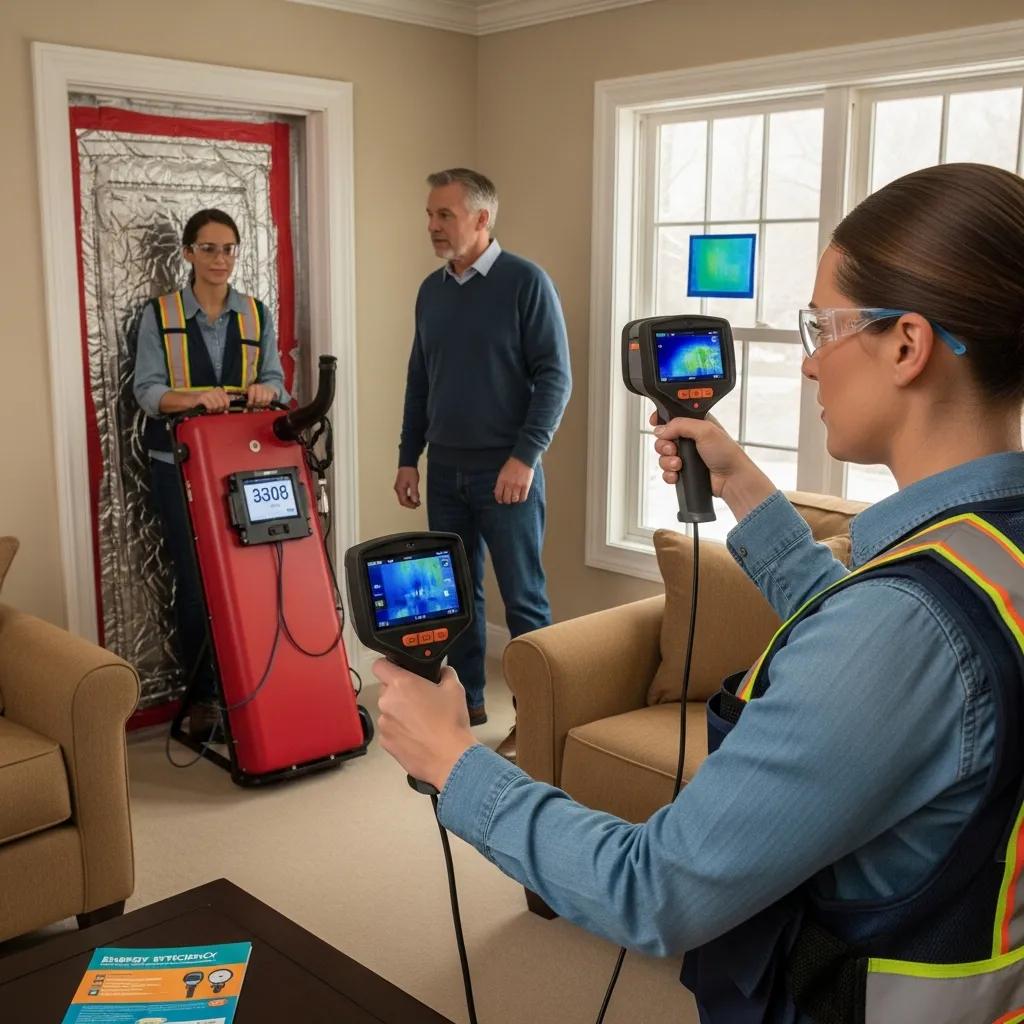
Our residential energy audit finds where energy is lost and why. Using blower door testing, infrared thermography, and appliance/load assessments we quantify air leakage, thermal resistance, and system performance so recommendations target the biggest, most cost‑effective gaps instead of relying on guesswork. Deliverables include a ranked defect list, estimated energy and comfort gains for each recommendation, and a sequenced roadmap that lets homeowners combine measures—like insulation and duct sealing—with properly sized HVAC replacements. We also identify likely rebate opportunities to lower the net project cost.
Because our audits emphasize measurement, we can verify outcomes after installation. That measurement‑to‑verification loop builds homeowner confidence, improves sequencing decisions, and helps capture rebates and long‑term payback.
Which Advanced Technologies We Use to Outperform Competitors
Modern home energy retrofits use technologies such as high‑efficiency rooftop solar and inverters, heat pump retrofits, smart thermostats, and high‑R insulation materials that reduce conduction losses. These components work together: solar and battery‑capable inverters lower grid consumption during peak sun hours; heat pumps deliver efficient cooling and heating with higher HSPF/SEER; and smart controls optimize runtime around occupancy. The combined result is an integrated system that reduces load or shifts consumption to lower‑cost periods, improving both comfort and economics.
Top performers know integration matters—matching inverter behavior to HVAC cycles, for example—because careful commissioning is what turns rated efficiency into real‑world savings. The next section compares solar offerings and the practical implications for Southern California homeowners.
How Our Solar Panel Solutions Compare to Other Providers in Southern California
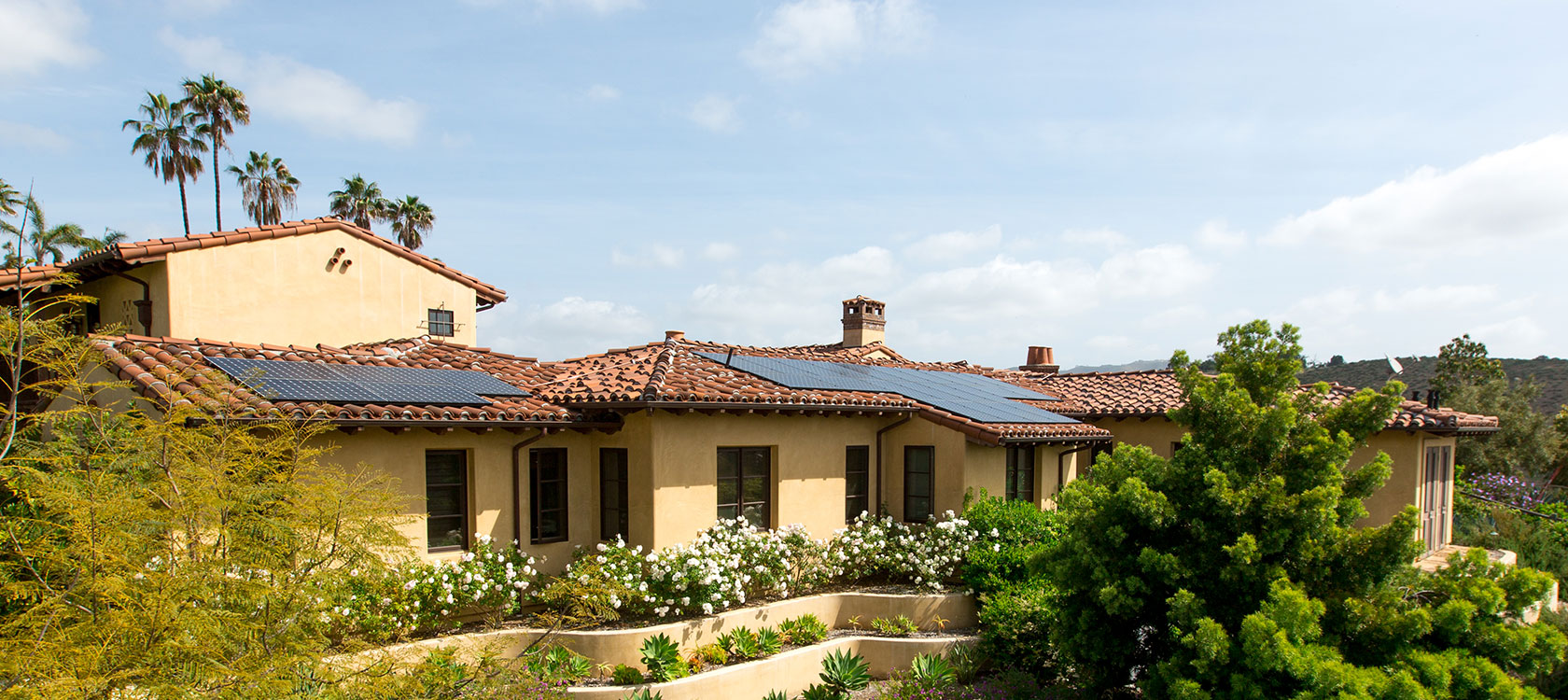
Solar offerings differ by panel efficiency, inverter selection, warranty terms, installation quality, and how a provider models local rebates and net‑metering. In Southern California, strong sun increases production potential, but long‑term value depends on panel quality, workmanship, and system sizing versus household loads. We design systems that account for orientation, shading analysis, and complementary upgrades so rooftop generation aligns with HVAC and appliance demand to maximize bill offsets and comfort.
Below is a compact comparison to help homeowners weigh typical panel/provider attributes relevant in our region. The table focuses on efficiency, warranty, cost drivers, and rebate alignment to support direct comparison.
This comparison shows production potential depends on both hardware and local delivery. Homeowners should weigh projected output alongside warranty and service—selection should balance panel performance with installation quality and ongoing support to protect long‑term savings and reliability.
What Energy Savings and Cost Benefits Baker’s Solar Installs Deliver
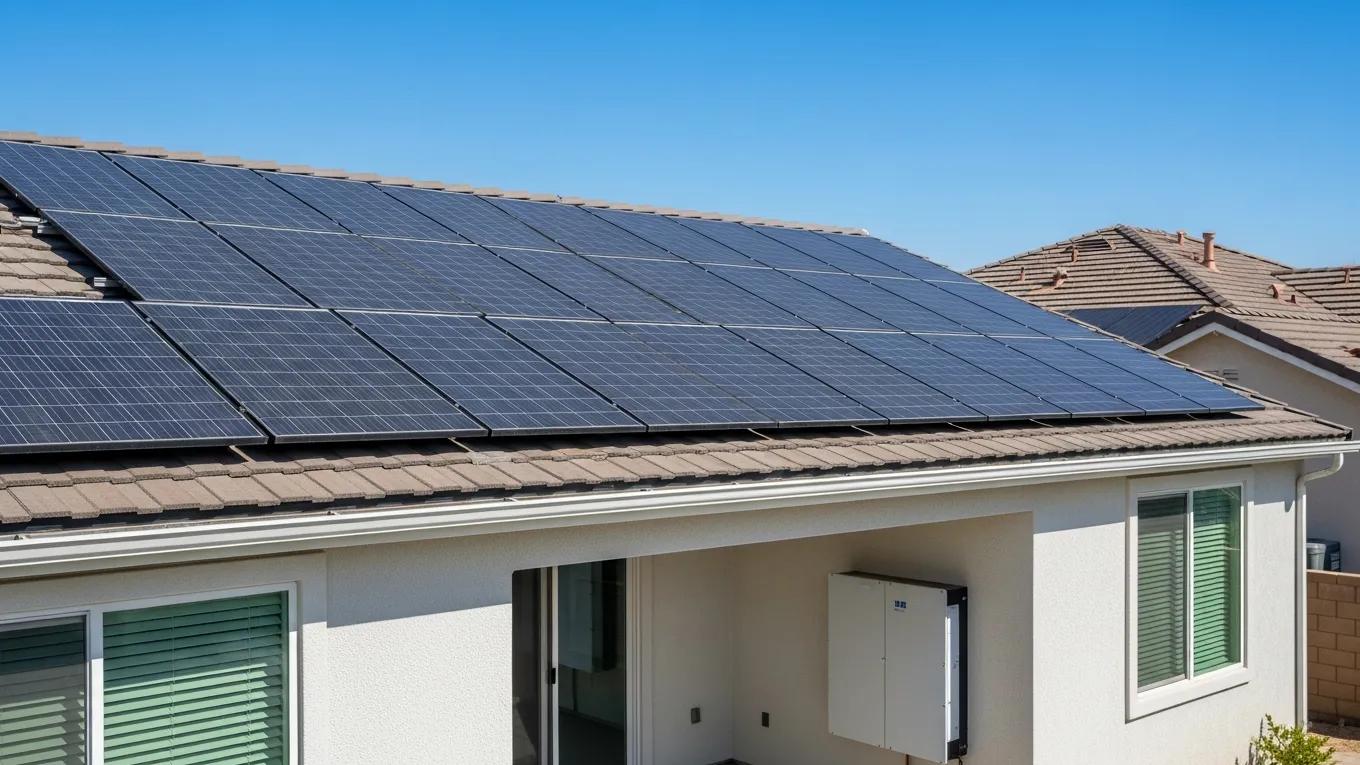
Solar reduces grid consumption by producing on‑site kWh during sunny hours; the main homeowner benefit is bill offset and long‑term price stability. Savings vary with system size, household usage patterns, orientation and shading, and utility rate structures. A well‑sized system lowers peak grid purchases and improves resilience when paired with demand‑management strategies. Typical homeowner benefits include lower daytime bills, improved net‑metering outcomes, and the ability to shift expensive HVAC loads into solar production windows when controls and system design are coordinated.
Because production is site‑specific, homeowners do best with providers who base estimates on shading analysis and real consumption profiles. Coordinating solar with efficiency upgrades—like attic insulation and efficient HVAC—usually increases the share of on‑site generation that’s used effectively, improving project economics.
How Our Solar Service Differs from Sunrun and SolarCity
Providers use different business models: some emphasize leases or power purchase agreements, while others focus on ownership and integrated project delivery. Our approach centers on local project management and coordinated upgrades so system sizing reflects audit results and load‑side improvements. We prioritize ownership models and coordinated service rather than lease‑only offers. That choice affects incentives, tax treatment, and maintenance responsibilities: ownership preserves access to local rebates and tax benefits for the homeowner, while third‑party ownership simplifies upfront cost but changes long‑term value capture.
Homeowners should compare operational details—warranty handling, commissioning, and local O&M—because a provider’s responsiveness directly affects long‑term performance. Choosing a team that coordinates diagnostics, installation, and verification reduces the risk that expected production won’t be achieved in practice.
What HVAC System Upgrades We Offer for Maximum Energy Savings
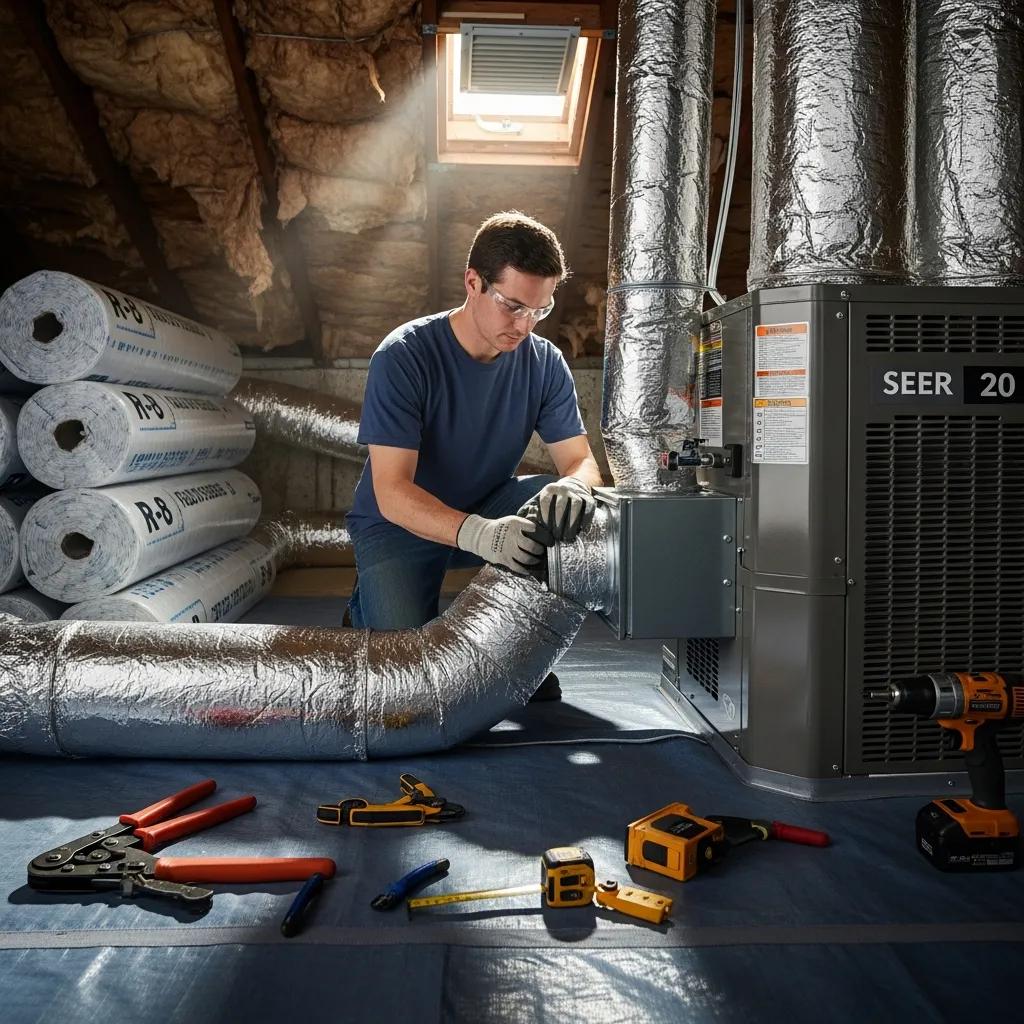
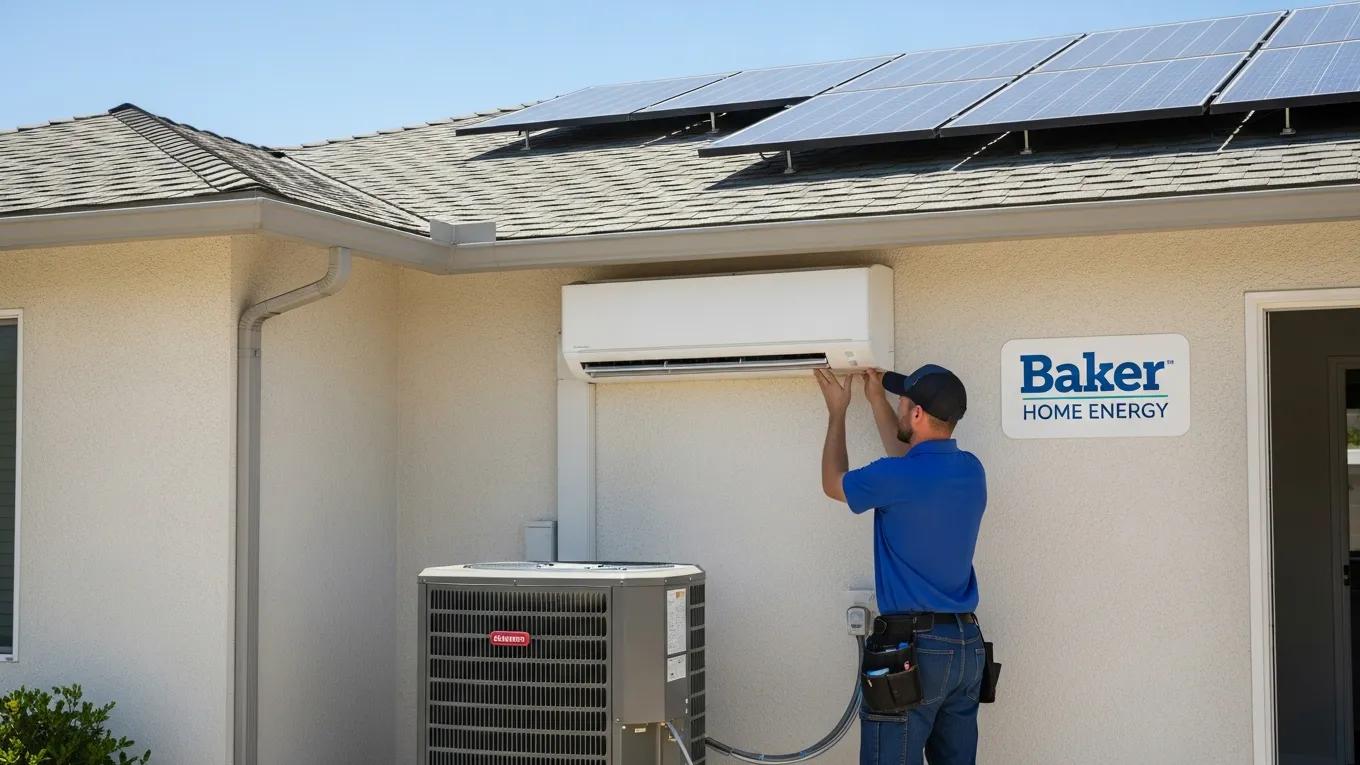
HVAC upgrades that deliver the largest gains include high‑efficiency air conditioners and heat pumps, duct sealing and insulation, and careful right‑sizing plus professional commissioning so the system matches the home’s post‑improvement load. Higher SEER/HSPF equipment uses less electricity per unit of cooling/heating, while duct sealing and insulation reduce distribution losses so less conditioned air is wasted. Together, these changes cut runtime, reduce cycling, and improve temperature consistency across rooms.
Picking the right HVAC path starts with diagnostics—load calculations and duct leakage tests—to prioritize measures with the biggest marginal benefits. An integrated provider model improves outcomes for Southern California homes because upgrades are sequenced and commissioned together.
Practical reasons to choose a coordinated HVAC upgrade:
- Better equipment performance through professional commissioning that verifies airflow, refrigerant charge, and control logic.
- Lower distribution losses by sealing and insulating ducts so less conditioned air escapes to unconditioned spaces.
- Access to utility and state rebates that often require certified installers and verification testing.
These benefits explain why coordinated HVAC upgrades typically beat ad‑hoc replacements. The table below summarizes common upgrade options and expected impacts to guide selection.
Equipment, distribution, and controls combine to cut HVAC consumption meaningfully. Proper sequencing—seal ducts and add insulation before downsizing equipment—ensures installed capacity matches the reduced load.
How Energy‑Efficient HVAC Systems Lower Southern California Energy Bills
Efficient HVAC systems cut costs by reducing the electricity needed to maintain comfort: better equipment efficiency, fewer distribution losses, and smarter controls that follow occupancy and outdoor conditions. In Southern California, cooling drives peak demand, so systems that reduce peak draw and shift usage to lower‑rate periods can deliver outsized bill reductions. Variable‑speed compressors and improved coefficients of performance avoid inefficient on/off cycling, improving both efficiency and comfort.
Behavioral and operational factors—thermostat setbacks, routine maintenance, and proper commissioning—also affect realized savings. Effective installations include homeowner education and verification so theoretical gains translate into real bill reductions.
Why Choose Baker Home Energy for HVAC Upgrades Over Local Contractors
Using an integrated provider reduces coordination risk because the same team handles diagnostics, permits, installation, and commissioning—streamlining timelines and improving accountability. At Baker Home Energy we align audit findings with HVAC choices and post‑install verification so a standalone equipment swap doesn’t miss distribution or envelope issues. The practical advantages: fewer change orders, consolidated rebate processing, and a single point of responsibility for performance verification and follow‑up.
This integrated approach is especially valuable when measures interact—insulation and duct sealing lower load and change optimal equipment sizing—so teams that coordinate these elements tend to deliver better long‑term value and higher homeowner satisfaction.
How Insulation and Air Sealing Improve Efficiency with Baker Home Energy
Insulation and air sealing reduce conductive and convective heat transfer, which lowers the HVAC load and improves comfort by cutting drafts and temperature stratification. In Southern California, the attic and roof assemblies plus penetrations around ducts and windows are common heat pathways; targeting these with insulation and air sealing improves summer cooling and winter comfort. Better thermal resistance and reduced infiltration mean the HVAC system works less to hold setpoints, allowing smaller or less frequently running systems.
Prioritizing air sealing alongside—or before—adding insulation ensures that new R‑value isn’t undermined by persistent leaks. The next sections list recommended insulation improvements and show how air sealing affects equipment sizing and runtime.
Common insulation and air‑sealing recommendations for Southern California homes:
- Add attic insulation where roofs are under‑insulated to reduce heat transfer into living spaces and shorten cooling cycles.
- Seal frequent leakage points—recessed lights, attic hatches, and duct penetrations—to stop conditioned air loss.
- Improve accessible wall and crawlspace insulation to cut conductive losses and stabilize indoor temperatures.
Addressing these items in order—air sealing first, then insulation—preserves the effectiveness of thermal barriers and delivers the best balance of comfort and energy reduction.
What Insulation Improvements We Recommend for Southern California Homes
We typically recommend attic insulation upgrades, targeted wall cavity work where feasible, and crawlspace encapsulation or insulation to control heat transfer and moisture. In warm climates attic improvements often yield the largest marginal benefit by blocking roof‑driven heat gains; pairing ventilation with insulation helps manage attic temperatures. Material choices—fiberglass batts, blown cellulose, spray foam—have trade‑offs in cost, air‑sealing capability, and longevity, so we match the material to access, budget, and the need for concurrent air sealing.
Our staged approach—seal major leakage pathways first, then add insulation to meet recommended local R‑values—ensures materials perform as intended and reduces moisture risk. After envelope work we reassess HVAC loads to determine if right‑sizing or control changes are appropriate.
How Air Sealing Enhances Comfort and Cuts Energy Bills
Air sealing targets infiltration—uncontrolled outdoor air entering and conditioned air escaping—by sealing gaps, cracks, and penetrations with caulk, foam, and weatherstripping. We use blower door testing to quantify leakage and prioritize sealing work by impact. Reducing infiltration lowers the volume of air the HVAC must treat, which cuts runtime, improves humidity control, and stabilizes indoor temperatures, especially near exterior walls and openings.
Sealing often reveals opportunities to downsize HVAC equipment or reduce cycling frequency, which further improves efficiency and comfort. Post‑sealing verification confirms that leakage reductions match projections, closing the loop between diagnostic, intervention, and verified outcome.
What California Energy Rebates and Incentives Homeowners Can Access Through Baker Home Energy
Rebates and incentives lower net project costs and accelerate payback by offsetting eligible measures like solar, heat pumps, and insulation. Availability depends on program rules, installer certification, and upgrade sequencing. California and many local utilities require specific documentation or verification, so navigating programs effectively usually needs experienced project management. We help homeowners screen eligibility, bundle upgrades to meet program thresholds, and coordinate the paperwork for application and post‑installation verification.
Below is an actionable table of common program types relevant to Southern California homeowners, with eligible upgrades and typical notes about benefits and eligibility.
This table shows rebates are diverse and program‑specific; maximizing benefits typically means sequencing work to meet rules and submitting correct documentation. The steps below help homeowners increase their chance of capturing available incentives with an integrated provider.
- Screen eligibility early to spot programs that require pre‑approval or certified installers.
- Sequence upgrades—air sealing before insulation, efficiencies before solar sizing—to meet program thresholds and verification rules.
- Keep coordinated documentation and request post‑installation performance verification to unlock final incentive payments.
Following these steps helps ensure incentives meaningfully reduce out‑of‑pocket costs and shorten payback timelines. Baker Home Energy handles eligibility screening and paperwork coordination so homeowners can focus on decisions, not administration.
Which Rebates and Incentives Apply to Solar and Energy Upgrades in Southern California?
Major incentive categories include utility rebates for energy‑efficient HVAC and home performance work, state programs for electrification and solar adoption, and federal or state tax incentives for owned solar and storage systems. Eligibility depends on the measure, installer certification, and whether post‑installation verification is performed—some programs require blower door or commissioning reports. Homeowners should prioritize programs with clear application paths and consider combining local and state incentives to boost net benefits.
Program details change frequently, so working with a provider that monitors current rules and coordinates required documentation helps avoid missed opportunities and ensures timely submissions.
How Baker Home Energy Helps Homeowners Maximize Rebate Benefits
We screen potential incentives during project scoping, recommend sequencing that satisfies program rules, and prepare the documentation needed for pre‑approval and final payment. Our service identifies eligible measures, bundles work to meet thresholds, and coordinates verification testing like blower door or commissioning reports. That support reduces administrative burden and increases the likelihood homeowners receive the full incentives they qualify for.
By building rebate navigation into project management, we ensure incentives inform design and financing decisions—improving net cost outcomes and shortening payback timelines for comprehensive upgrades.
What Success Stories Show Baker Home Energy’s Impact for Southern California Homeowners
Our impact is documented in before‑and‑after energy use, verified comfort improvements, and streamlined rebate capture for projects that pair diagnostics with integrated upgrades. Typical case summaries show an audit identifying key deficiencies, a sequenced package of measures, and post‑install verification confirming lower HVAC runtime and reduced energy consumption. These stories underscore the value of measurement‑driven decisions and the benefits of coordinating multiple measures through a single provider.
The following subsections present concise case summaries and customer outcome themes that demonstrate practical benefits in real homes.
Which Case Studies Show Quantified Savings from Baker Home Energy Projects?
Representative cases illustrate the sequence: an audit revealed attic leakage and an undersized HVAC; targeted insulation and duct sealing reduced distribution losses; a right‑sized high‑efficiency heat pump matched the new load—yielding measurable drops in conditioned runtime and lower utility bills. Another example shows how combining a correctly sized solar array with efficiency upgrades increased on‑site use of generated energy, cutting peak grid purchases. These summaries emphasize measurement, sequencing, and verification as the keys to reliable savings.
Condensed metrics—pre‑ and post‑project energy trends and payback estimates—help homeowners compare expected outcomes against proposals and reinforce the value of integrated delivery.
What Customers Say About Their Experience with Baker Home Energy
Customer themes focus on responsive local support, clarity from diagnostics, and reduced administrative friction when rebates and permits are handled by one team. Homeowners report improved year‑round comfort and more predictable energy bills after coordinated upgrades, and they appreciate verified performance data that confirms projected outcomes. These testimonials show that beyond hardware choices, project management and follow‑through determine whether a retrofit delivers promised results.
Overall, the evidence supports prioritizing integrated, measurement‑driven approaches to home energy efficiency in Southern California. Baker Home Energy’s model—personalized audits, coordinated upgrades, and rebate navigation—turns technical opportunity into clear homeowner value.
Frequently Asked Questions
1. What are the benefits of conducting a residential energy audit?
An energy audit gives you a clear picture of where your home is losing energy and why. It identifies air leaks, insulation gaps, and inefficient systems, then produces a prioritized action plan with estimated savings and likely rebates. By following the plan you can improve comfort, cut utility bills, and verify the effectiveness of upgrades after they’re installed.
2. How can homeowners ensure they are selecting the right HVAC system?
Start with a thorough energy audit and load calculation to determine your home’s actual heating and cooling needs. Consider SEER and HSPF ratings—higher numbers mean better efficiency—and factor in duct condition, insulation, and controls. Working with an integrated provider like Baker Home Energy ensures the chosen system aligns with any envelope or distribution upgrades and overall energy goals.
3. What role do rebates and incentives play in energy efficiency upgrades?
Rebates and incentives can substantially lower upfront costs and improve payback. Programs vary by location and often require certified installers and verification testing. A knowledgeable provider helps you identify eligible programs, sequence work to meet requirements, and submit the right documentation so you capture the available benefits.
4. How does Baker Home Energy support homeowners in maximizing energy savings?
We deliver personalized audits that identify high‑impact upgrades and offer integrated services that bundle diagnostics, installation, and rebate navigation. That holistic approach makes sure measures work together efficiently, improves comfort, and reduces long‑term costs. We also provide post‑installation verification to confirm projected savings were achieved.
5. What types of insulation improvements are most effective for Southern California homes?
Effective measures usually focus on attic insulation, targeted wall cavity work, and crawlspace encapsulation. Adding attic insulation reduces roof‑driven heat gain and shortens cooling cycles. Sealing gaps around windows and doors is also important. Material choice—fiberglass, cellulose, or spray foam—depends on access, budget, and whether you need simultaneous air sealing. Prioritize air sealing before adding insulation for best results.
6. How can homeowners assess the quality of solar panel installations?
Look at panel efficiency, warranty terms, and installer reputation. Evaluate the installation process—was there a shading analysis, proper permitting, and rebate navigation? Post‑install support and performance monitoring are key to ensuring the system delivers expected savings. Providers that combine design, installation, and verification usually produce better long‑term outcomes.
7. What should homeowners know about the long‑term maintenance of energy‑efficient systems?
Regular maintenance keeps systems running efficiently. Schedule HVAC inspections, change filters, and clean ducts as needed. For solar, periodic cleaning and monitoring of output help spot performance issues. Understand warranty and service agreements so future costs are predictable. Staying proactive with maintenance maximizes savings and extends equipment life.