How HVAC Warranties Stack Up: Baker Home Energy vs. Southern California Competitors
Warranties for HVAC systems protect homeowners by covering repair or replacement costs for specified parts and services, cutting down on surprise bills and helping systems run as intended. Comparing warranty terms matters because coverage scope, length, exclusions, and claim procedures directly affect your long‑term operating costs and energy use here in Southern California. This guide explains common warranty types and exclusions, then compares installer, manufacturer, and extended service warranties across parts, labor, transferability, and required maintenance. You’ll see how Baker Home Energy’s warranty-related offerings measure up to regional practices, how claims are usually handled, and which contract details most affect lifecycle cost and system efficiency. The article finishes with simple next steps to request quotes and evaluate competing warranty proposals so you can pick protection that balances cost, reliability, and performance.
What HVAC warranty options does Baker Home Energy offer?
At Baker Home Energy, warranties are bundled with our energy‑efficient HVAC installations and maintenance services to give homeowners practical, long‑term protection. Our options generally combine an installer warranty that covers workmanship, extended service plans for routine maintenance and repairs, and help registering manufacturer warranties so you get the factory benefits. In short: installer warranties cover installation issues, manufacturer warranties address factory defects for covered components, and extended plans pair scheduled maintenance with repair coverage to help systems stay efficient. Knowing how these layers work together makes it easier to choose coverage that lowers lifecycle cost and preserves performance.
The following table summarizes the common warranty variants we integrate with our service packages and what each typically covers.
The table below outlines the typical warranty variants offered alongside Baker Home Energy installations and maintenance packages.
This layered approach—installer protection for workmanship, extended plans for ongoing service, and manufacturer coverage for component defects—shapes homeowner risk and expected expense. The next section breaks down the specifics you should watch for in each warranty category.
What are the coverage details and duration of Baker Home Energy warranties?
Baker Home Energy’s warranty offerings focus on three practical questions: which parts are covered, whether labor is included, and what transfer rules apply. Installer warranties and our extended service plans typically emphasize parts‑and‑labor coverage for installation issues and covered service events; manufacturer support often centers on parts unless labor is explicitly included by the maker. Length of coverage and any caps depend on the chosen plan and the equipment manufacturer’s baseline terms. Always confirm registration deadlines, maintenance frequency requirements, and any caps or prorated limits on replacements. Clear documentation of these items determines claim eligibility and whether continuing maintenance is required to keep coverage in force.
Understanding these specifics helps you look past headline warranty years and evaluate the rules that actually control claim outcomes and out‑of‑pocket risk. Next, we’ll explain how those warranty features interact with efficiency over the life of a system.
How do Baker Home Energy warranty benefits support energy efficiency?
Warranties that include scheduled maintenance and performance checks help keep HVAC systems running efficiently by ensuring parts are cleaned, calibrated, and replaced before they cause bigger failures. When extended plans include routine tune‑ups—filter changes, refrigerant checks, airflow balancing—they stop energy waste by keeping the compressor and heat exchangers working at peak performance, which lowers utility bills.
Additionally, requirements for factory‑authorized parts and certified technicians protect equipment tolerances and prevent efficiency losses from improper repairs. Keeping maintenance records as required by warranty terms preserves coverage and long‑term performance. In short, service‑linked warranties act as both protection and an efficiency strategy: staying on the maintenance schedule keeps your system reliable and your energy bills lower. That context helps when we compare Baker Home Energy’s approach with regional norms.
How do local Southern California HVAC warranties compare to Baker Home Energy’s?
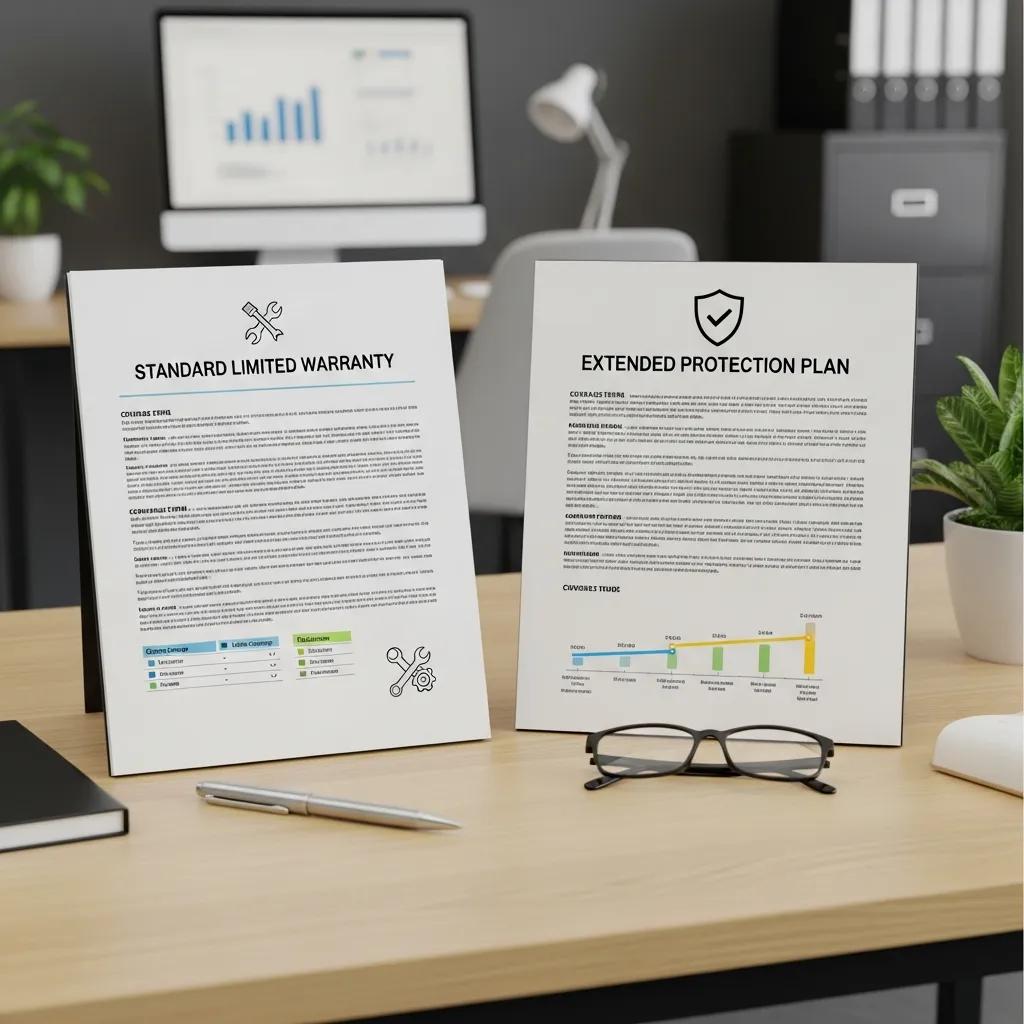
Across Southern California, warranties usually pair manufacturer baseline coverage with variable installer and extended service options, so duration and scope can differ significantly between providers. Common regional patterns include manufacturer parts coverage (often parts‑only unless labor is specified), installer workmanship warranties for setup, and third‑party extended plans that add multi‑year parts‑and‑labor protections. Key differences to watch are whether labor is included, whether coverage depends on scheduled maintenance, and how transferability is handled at resale—factors that materially affect lifecycle costs. Comparing these elements side‑by‑side shows where Baker Home Energy aligns with or departs from local norms.
The comparison table below highlights representative attributes for Baker Home Energy versus typical local providers so homeowners can quickly spot the differences that matter.
This side‑by‑side view shows that Baker Home Energy’s layered strategy—installer warranty plus extended service and manufacturer registration support—matches regional approaches in many ways, while underscoring the importance of reading exclusions and service‑level terms closely. The next section dives into the most consequential coverage differences and how exclusions are written.
What are the key differences in warranty coverage and exclusions?
Practical differences in warranties usually come down to three areas: whether labor is included, how exclusions are defined, and whether coverage depends on scheduled maintenance. Typical exclusions include failures caused by poor or missing maintenance, repairs using non‑approved parts, environmental damage like corrosion, and neglect. These exclusions shift repair costs back to the homeowner if contractual conditions—such as annual tune‑ups—aren’t met. Reading exclusion language carefully reveals which events lead to outright denial, partial coverage, or prorated payouts and whether there are replacement caps.
Knowing how exclusions are triggered helps you estimate worst‑case repair costs and decide if an extended plan that covers common failure modes is worth the price. That brings us to which local providers offer extended plans and how they’re structured.
Which local competitors provide extended HVAC warranty options?
In Southern California, many contractors and third‑party vendors sell extended service plans to supplement manufacturer and installer warranties with extra years of parts‑and‑labor coverage, preventive maintenance, and priority scheduling. These plans are usually tiered—basic parts‑only coverage, standard plans that add labor and diagnostics, and premium tiers with annual maintenance and emergency priority service. The trade‑off is upfront cost versus potential savings: longer plans reduce the risk of a big, unexpected bill but require assessing likely repair needs. Compare what each tier includes, maintenance frequency requirements, and any prorated replacement rules when evaluating offers.
Weighing the trade‑offs between ongoing protection and upfront premiums helps you estimate potential ROI, which leads naturally into how claims processes and customer support affect the real service experience.
What are the common HVAC warranty claims processes and customer support features?
Warranty claims usually follow a four‑step flow: report the issue with system details; diagnosis and authorization by an authorized technician; repair or part replacement under the covered terms; and post‑service documentation and follow‑up. Typical documentation includes proof of purchase, maintenance records, and model/serial numbers—missing documents can delay or void claims. Response expectations vary: some providers offer same‑day or next‑business‑day emergency response, others work within scheduled service windows. The clarity of the claim process and the provider’s authorized service network directly impact repair timelines and homeowner satisfaction.
Knowing what paperwork and timelines to expect reduces friction during claims and helps you prepare for faster authorization and repair. The next section explains the process specifically for Baker Home Energy.
How can customers file a warranty claim with Baker Home Energy?
To file a warranty claim with Baker Home Energy, gather key documents and system information to speed triage: proof of installation or purchase, recent maintenance records, equipment make and model, and a clear description of symptoms. Our process usually begins with claim intake to check coverage, then scheduling diagnostics with an authorized technician and getting pre‑authorization for parts or labor if required. Expect us to verify maintenance compliance; if records are missing, the claim may be delayed or a diagnostic fee may apply. Keeping a concise service history and the original installation paperwork streamlines authorization and shortens repair lead times.
What customer support services do local competitors offer for warranty claims?

Local providers typically differentiate with features like 24/7 emergency lines, priority scheduling for extended‑plan members, mobile dispatch tracking, and bundled maintenance programs that simplify staying compliant with warranty terms. Gaps often appear when providers lack centralized claim coordination or rely heavily on subcontractors, which can slow response times and complicate authorization. When comparing offers, evaluate promised response windows and how each company documents service history and enforces technician authorization—those operational details determine whether covered repairs are performed by qualified people in a timely way.
Looking at support features alongside contract terms gives a fuller picture of value and explains why extended warranties and efficiency guarantees matter financially.
Why are extended HVAC warranties and energy efficiency guarantees important?
Extended warranties and efficiency guarantees reduce long‑term financial risk and encourage the regular upkeep that keeps systems running well. Extended coverage shifts the risk of major component failures from the homeowner to the plan, making costs more predictable. Efficiency guarantees and maintenance‑linked warranties incentivize routine service—preserving heat‑exchange efficiency and compressor health, which lower monthly utility bills. From a resale standpoint, documented maintenance and transferable warranties make a house more attractive by reducing perceived future expenses.
How do extended warranties provide long-term cost savings?
Consider a compressor failure that would cost several thousand dollars to replace. An extended plan that covers parts and labor for that component can eliminate that large one‑time expense for a modest annual fee or upfront payment. Over the typical life of an HVAC unit, avoiding even one major failure can make an extended plan cost‑effective. Homeowners should weigh likely failure rates, typical repair costs for their unit type, and plan premiums to estimate ROI. While actual savings depend on system age and usage, extended plans often act as insurance against low‑probability, high‑cost events that would otherwise disrupt household budgets.
What role does energy efficiency play in warranty benefits?
Many warranty and service plans tie coverage to scheduled maintenance because regular service keeps systems operating within manufacturer specifications and preserves rated efficiency. Clauses that require routine maintenance encourage filter changes, correct refrigerant levels, and proper airflow—actions that prevent energy losses before they cause component stress. Some programs include performance thresholds or maintenance credits if efficiency drops below a set level, aligning the provider’s incentives with your utility‑cost outcomes. By enforcing authorized repairs and documented maintenance, efficiency‑linked warranty terms protect both coverage and your ongoing energy spend.
Understanding how maintenance obligations connect to efficiency helps you prioritize warranty provisions that protect both coverage and utility savings. That leads into a concise checklist for comparing warranties.
What should Southern California homeowners consider when choosing HVAC warranties?
When choosing a warranty, compare five core factors: duration, parts versus labor scope, exclusions and transferability, maintenance obligations, and claim response/service levels. Duration alone isn’t enough—if labor is excluded or exclusions are vague, you can still face big bills. Transferability matters for resale value, and maintenance rules determine whether coverage stays valid while you own the home. Finally, check emergency response expectations, priority scheduling, and who performs repairs so coverage matches your convenience and risk tolerance.
The table below is a decision checklist mapping each consideration to why it matters and the questions you should ask.
Use this checklist to translate contract language into practical decision points and reveal hidden costs or service expectations. Next, we cover a repeatable method for comparing coverage tables.
How to compare warranty coverage tables effectively?
Start by aligning columns across every quote: parts coverage, labor coverage, duration, exclusions, transferability, and required maintenance frequency. Compare each column line‑by‑line and flag vague terms such as “routine maintenance required” without a defined interval or accepted service providers. Watch for red flags like unclear replacement caps, prorated payout formulas, or rules requiring non‑local technicians that could delay service. Check whether transferability requires formal registration or a fee. Finally, validate claim response promises against customer reviews or service‑level descriptions to ensure timelines are realistic.
A systematic, column‑by‑column comparison exposes real differences that headline years or marketing language often hide. That brings us to the specific questions you should ask providers about exclusions and guarantees.
What questions to ask about exclusions and service guarantees?
Ask direct, contract‑focused questions to uncover hidden limits and confirm support levels. Key questions include: Does the warranty require manufacturer registration? Which maintenance tasks and frequencies are mandatory? Is labor covered for major components? What events are explicitly excluded? How is transfer handled at resale? Also ask who approves repairs, whether pre‑authorization is required for parts, and expected response times for emergencies versus scheduled visits. These questions clarify how warranty promises convert into real protection and help you avoid surprise denials.
With these questions and comparison tools, you’re ready to request detailed quotes and consultations that reveal plan specifics and pricing.
How can homeowners request quotes and consultations for HVAC warranties?
To get accurate quotes, prepare system information and service history, prioritize the warranty elements that matter most to you, and ask for itemized warranty terms so offers are comparable. Gather model and serial numbers, recent maintenance records, utility bills to show energy use, and notes on system age and symptoms. When reviewing quotes, compare equipment cost, labor assumptions, what’s included in extended plans, and specific exclusions or prorated replacement rules. Also ask about bundled maintenance discounts or efficiency guarantees that can lower total cost while keeping warranty validity.
What are the steps to get a Baker Home Energy HVAC warranty quote?
- Collect equipment details: manufacturer, model and serial numbers, and installation date if available.
- Compile recent maintenance records and any manufacturer registration documents to show compliance.
- Pull recent utility bills and note comfort or efficiency issues to help size solutions.
- Request an itemized quote that separates equipment, labor, and warranty terms so you can compare offers fairly.
- Ask about bundled maintenance, extended service plans, and any performance or transferability conditions.
Following these steps ensures quotes reflect your system’s condition and makes it easier to compare Baker Home Energy proposals with other offers. Next, we look at common promotions and incentives available locally.
Are there promotions or incentives for local HVAC warranty packages?
Local promotions often include seasonal discounts on equipment and installation, bundled maintenance credits for multi‑year plans, and manufacturer rebates that reduce upfront costs when units are registered. Utility or municipal incentives for high‑efficiency equipment are also common and can indirectly increase warranty value by lowering operating costs. Before accepting any promotion, confirm eligibility rules and ensure the offer doesn’t add restrictive maintenance or parts sourcing conditions that could affect claims. Checking manufacturer and utility programs together helps you maximize savings while keeping strong warranty protection.
With these checks complete, you’ll have a practical playbook for comparing and acquiring HVAC warranties in Southern California—focused on preserving efficiency and long‑term cost control.
Frequently Asked Questions
What factors should homeowners consider when evaluating HVAC warranty options?
Focus on the warranty length, whether parts and labor are both covered, any exclusions, transferability, and maintenance obligations. Each factor affects real value: a long term is less useful if labor is excluded, and vague exclusions can lead to denied claims. Understanding these elements helps you choose coverage that matches your budget and priorities.
How can homeowners ensure their HVAC warranty remains valid?
Follow the warranty’s maintenance schedule, keep detailed service records, and use authorized providers for repairs. Save receipts and inspection reports—those documents are often required for claims. Staying proactive with maintenance protects both the warranty and system efficiency.
What are the common pitfalls to avoid when selecting an HVAC warranty?
Avoid overlooking fine print on exclusions, underestimating maintenance requirements, and assuming transferability is automatic. Also compare provider processes for claims and service—some warranties look good on paper but are hard to use in practice. Read the full contract and ask clarifying questions before you buy.
How do seasonal promotions affect HVAC warranty options?
Promotions can lower upfront costs and include bundled warranty packages, but they may carry conditions like specific service providers or parts requirements. Always read the promotion terms to ensure they don’t limit your options or complicate future claims.
What should homeowners do if their HVAC system fails during the warranty period?
First, review your warranty to confirm coverage. Gather proof of purchase, maintenance records, and system details, then contact the warranty provider to start the claim. Expect a diagnostic visit from an authorized technician—prompt documentation and clear communication speed the process.
Are there differences in warranty coverage for different HVAC system types?
Yes. Central air systems, heat pumps, and ductless mini‑splits can have different warranty terms. Some manufacturers offer broader coverage on certain models, while others limit coverage to parts. Always check the warranty details for your specific system type and match coverage to expected use and repair costs.