Comparing HVAC Costs in Southern California — How Baker Home Energy Delivers Better Value and Performance
Buying or upgrading an HVAC system in Southern California involves more than a sticker price. This guide breaks down typical cost ranges for central air, ductless mini‑splits, heat pumps, and furnaces; explains the local factors that change quotes; and shows the pricing models contractors use. We compare those market norms to Baker Home Energy’s transparent, itemized-quote approach so you can see where real value and efficiency intersect. You’ll also find how energy-efficiency gains, 2024 rebate pathways, and financing options affect net cost — plus simple checklists and tools to help you compare bids and pick the system that balances installation cost, operating expense, and comfort for SoCal climates.
What Are the Average HVAC Installation Costs in Southern California?
Typical HVAC installation costs in Southern California fall into different bands depending on system type, efficiency level, and home complexity. Major cost components include equipment, labor, permits, ductwork repairs, and disposal. Higher‑SEER units and specialized heat pumps usually cost more up front but can reduce energy bills over time. Below is a compact pricing summary that shows common ranges and what each price generally includes to make side-by-side comparisons easier.
The table below outlines representative system categories with typical cost bands and common inclusions.
This quick snapshot helps SoCal homeowners weigh upfront price against long‑term efficiency gains. To translate these averages into an actionable plan, get a personalized, itemized quote that lists equipment model and SEER, labor, and permit allowances so you can compare bids apples‑to‑apples.
Our pricing typically sits inside these regional ranges while focusing on clear, individualized quotes. If you want a proposal that lists inclusions, optional efficiency upgrades, and expected performance, Baker Home Energy will provide a tailored assessment and a plain‑spoken explanation so you can judge value against local averages.
How Do Local Factors Influence HVAC Pricing?
Local rules and home details drive a lot of the variation in HVAC quotes. Permit fees differ by city and can add several hundred dollars. Labor rates and contractor availability in denser or high‑demand areas increase labor line items. Home specifics — the age and condition of ducts, access to install locations, or required structural work — also change the scope and the price. For example, swapping out a single rooftop or attic unit is usually cheaper than installing a new slab mount and rerouting ducts for a multi‑story house.
Knowing these drivers helps you ask sharper questions when getting quotes, like whether the estimate assumes duct repairs or includes permit pull and final inspection. Those details tell you which pricing model the provider is using and how transparent their line items will be.
What Pricing Models Do Southern California Providers Use?
Providers in Southern California commonly offer a few pricing approaches: flat‑fee installs, bundled packages, itemized quotes, and tiered efficiency packages. Each has trade‑offs in clarity and convenience. Flat fees are simple but can hide allowances for extra work. Bundled packages can be handy but sometimes tuck optional upgrades into the base price. Itemized quotes are the clearest — they separate equipment, labor, permits, and add‑ons so you can compare true costs. Tiered packages group equipment by efficiency level (basic, mid, high), which makes it easier to compare long‑term operating costs when you pair them with estimated SEER savings.
- Flat‑fee offers simplify decisions but may exclude nonstandard repairs.
- Bundled packages add convenience but can conceal optional charges.
- Itemized quotes list exact inclusions and are best for apples‑to‑apples comparisons.
- Tiered efficiency packages clarify cost‑versus‑performance trade‑offs.
Pick the pricing model that matches your comfort with detail: choose simplicity if you want a quick decision, or ask for itemized scopes if you want certainty about long‑term value. Always request an itemized scope and permit estimate as a follow up.
How Does Baker Home Energy’s Pricing Compare to Other Southern California HVAC Companies?
Baker Home Energy centers its pricing on transparent, itemized proposals and energy‑efficiency expertise to lower uncertainty for homeowners. Rather than hiding allowances inside bundled pricing, we show line‑item clarity, a defined scope of work, and straightforward warranty terms so you can see how each dollar is allocated and which upgrades reduce operating costs. The table below summarizes how a transparent approach compares to common market practices so you can evaluate core differences without naming competitors.
This comparison shows that transparency and explicit inclusions change homeowner risk and long‑term value. When comparing offers, weigh total installed cost alongside projected operating savings and warranty coverage.
What Makes Baker Home Energy’s Pricing Transparent and Competitive?
We deliver itemized proposals that break out equipment, labor, permit fees, and optional upgrades so you can compare bids precisely. That level of detail reduces surprise charges because assumptions — like required duct repairs, permit pulls, and disposal of old equipment — are written down. We also explain SEER trade‑offs so you can estimate operating‑cost differences. The checklist below highlights transparency signals to look for when evaluating any quote.
- Itemized costs: Every quote lists equipment, labor, permits, and optional work.
- Clear warranty terms: Equipment and labor warranty lengths and coverage are specified.
- Scope of work clarity: The proposal states what is and isn’t included, such as duct repair.
- Efficiency options explained: SEER ratings and expected energy impacts are shown.
When a provider documents assumptions and inclusions clearly, you can judge true value instead of just comparing headline prices.
How Do Baker Home Energy’s Offers Align with Local Market Rates?
Our typical offers fall within the regional averages noted earlier, though certain higher‑efficiency packages or extended warranties may carry a modest premium. That premium often reflects measurable value — accurate load sizing, documented performance estimates, and installation practices that consider local permitting and labor realities. For example, a heat pump near the top of its cost range can justify the price with a higher SEER rating and a performance estimate showing faster payback in Southern California’s climate. Short examples below show how package choices map to market bands and expected payback timelines.
- Example 1: A mid‑range heat pump package priced in the regional midband but including higher‑efficiency coils and a two‑year labor warranty, improving projected ROI.
- Example 2: A ductless multi‑zone quote that lands at the higher end because of complex mounting and long line‑set runs, yet improved zone control cuts monthly cooling loads.
Weighing these trade‑offs helps homeowners decide whether paying a bit more up front for efficiency and transparency will lower lifetime costs and raise comfort across Southern California conditions.
What Are the Energy Efficiency Benefits of Choosing Baker Home Energy’s HVAC Systems?
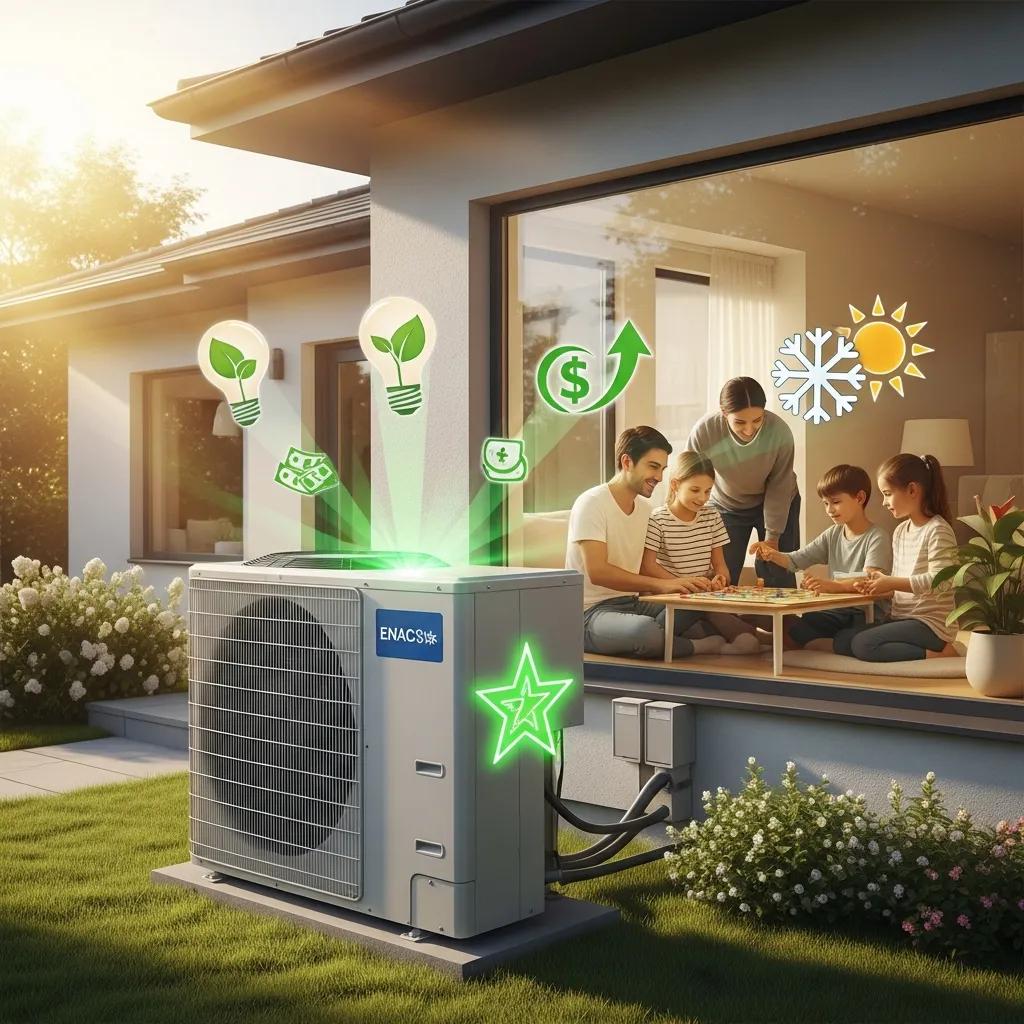
Proper system sizing and higher‑efficiency equipment lower operating costs, improve indoor comfort, and reduce wear — benefits that matter in Southern California’s varied climates. Higher SEER ratings reduce seasonal cooling energy use, while efficient heat pumps deliver both heating and cooling with strong performance in mild winters. At Baker Home Energy we match system type and SEER level to each home to avoid oversizing, extend equipment life, and cut repair frequency. Those efficiency choices translate into measurable annual savings and better long‑term value when combined with routine maintenance.
How Do Energy‑Efficient HVAC Systems Save Costs Over Time?
Energy‑efficient systems cut costs by using less electricity, putting less strain on components (which reduces repairs), and lasting longer when maintained. For a typical Southern California single‑family home, moving from mid‑efficiency to high‑efficiency equipment can lower annual cooling energy use enough to save hundreds of dollars a year, depending on usage. Regular maintenance — filter changes, coil cleaning, refrigerant checks — preserves SEER performance and prevents premature failures, compounding savings over a 5–10 year span. Those lifecycle savings are the main reason many homeowners pay a higher initial cost for greater efficiency.
Estimating payback means comparing the premium paid up front to projected annual energy savings and available rebates; the next section explains how incentives affect net installed cost.
What Local Rebates and Incentives Are Available for Energy‑Efficient HVAC Installations?
Many Southern California homeowners can access state and utility rebates that lower net installed costs for qualifying high‑efficiency systems, and 2024 programs emphasize heat pumps and high‑SEER equipment. Common incentive sources include state energy programs and local utility rebates that support electrification and efficient upgrades. Eligibility typically depends on equipment specifications, home type, and whether an approved installer performs the work. The table below summarizes representative rebate sources, eligibility cues, and their potential impact so you can estimate net project savings.
Rebate details change and many require specific installer paperwork; working with a provider who knows program rules raises the chance of capturing incentives and reduces homeowner hassle.
Which Financing Options and Rebates Does Baker Home Energy Provide to Southern California Homeowners?
Common financing routes include unsecured home‑improvement loans, manufacturer financing, and programmatic options like PACE. Baker Home Energy helps homeowners navigate these channels and identify rebate opportunities that cut net costs. We guide customers through eligibility checks, explain partner financing options, and help assemble rebate documentation. The table below lists common program types with notes on eligibility and typical timelines so you can see how outside funding interacts with system selection.
Helping with financing and rebates lets homeowners choose higher‑efficiency systems without shouldering the full upfront cost, and ensures rebate paperwork is done correctly so incentives are secured.
How Can Financing Make HVAC Installation More Affordable?
Financing turns upfront cost into manageable monthly payments, so you can start saving on energy bills right away while paying over time. Shorter loans usually mean less total interest; longer terms lower monthly payments but increase total interest. We explain trade‑offs like term length versus rate and provide monthly payment examples for typical installs so you can pick the balance that suits your cash flow and lifetime cost goals. Before you sign, ask lenders about prepayment penalties, total interest, and whether financing covers rebates or tax credits.
That context feeds into the 2024 rebate landscape, which can further reduce effective project cost.
What Are the Latest 2024 Energy Rebate Programs for HVAC Systems?
In 2024, many rebate programs favor electrification and high‑SEER equipment, with state and utility initiatives offering funds for qualifying heat pumps and efficient air conditioners. Key things to check: required SEER/HSPF thresholds, lists of certified contractors, and whether pre‑approval is necessary. Keep careful records of system specs and installer credentials — many rebates require post‑installation verification. The bullets below summarize practical next steps.
- Look for state electrification rebates aimed at heat pumps.
- Search utility portals for equipment‑specific incentives.
- Confirm whether pre‑approval or certified installers are required for eligibility.
Working with a provider familiar with 2024 program rules increases the chance of capturing the maximum available incentives.
Why Should Southern California Homeowners Choose Baker Home Energy for HVAC Services?
Baker Home Energy delivers personalized assessments, transparent pricing, and energy‑efficiency know‑how tailored to Southern California homes. We help you compare true installed cost against long‑term savings and local rebate opportunities. Our proposals are clear and itemized, and we guide customers through rebate and financing steps so choices are informed and comparable. Trust signals include documented scopes of work, explicit warranty terms, and a consultative approach that puts comfort and total cost of ownership first. The short list below highlights our core service advantages.
Baker Home Energy delivers the following service advantages:
- Personalized assessments that size systems correctly for local climate and home characteristics.
- Transparent, itemized quotes that separate equipment, labor, permit fees, and optional upgrades.
- Assistance navigating rebates and financing to lower net installed cost and speed payback.
What Service Advantages Does Baker Home Energy Offer?
Our process begins with a personalized assessment covering load sizing, duct condition, and efficiency goals. From there we produce an itemized proposal with equipment options and costs. Certified installers complete the work to the agreed scope, and we follow up after installation to verify performance and advise on maintenance to protect efficiency gains. Clear proposals reduce ambiguity about inclusions and warranties, so customers can decide confidently. This end‑to‑end model ties the initial assessment to long‑term performance and positions efficient upgrades as practical investments for Southern California homes.
What Do Customer Testimonials Reveal About Baker Home Energy’s Quality and Value?
Customer feedback highlights a few consistent points: clear communication during quoting, measurable energy savings documented after installation, and relief that pricing is transparent — no surprise add‑ons. Homeowners say itemized proposals made comparisons easier and that rebate assistance improved net project economics. These recurring themes support our positioning as a company that favors clarity and efficiency over opaque low‑ball pricing. Summarized, the testimonials help set realistic expectations about outcomes when you prioritize efficiency and a clear scope.
How Can Homeowners Compare HVAC Quotes Effectively in Southern California?
Comparing HVAC quotes well means using a structured checklist that looks beyond the headline price. Focus on total installed cost, equipment efficiency (SEER), warranty terms, included services, and whether permits and inspections are covered. Ask for itemized bids that list model numbers and SEER, labor line items, permit and inspection fees, ductwork allowances, and warranty details. The checklist below gives a step‑by‑step framework to score and compare quotes so you can quantify value.
- Equipment details: Verify model numbers and SEER/HSPF ratings to compare performance.
- Itemized costs: Ensure equipment, labor, permits, and disposal are listed separately.
- Scope clarity: Confirm whether duct repairs, insulation, or structural work are included.
- Warranty coverage: Check both equipment and labor warranty lengths and conditions.
- Rebate and financing support: Ask whether the installer helps with incentive paperwork.
What Tools and Resources Help Compare HVAC Prices and Services?
Use online energy‑savings calculators, local permit fee lookup tools, utility rebate search portals, and contractor review sites to verify quotes and estimate operating cost differences. An energy‑savings calculator with your local electricity rates and projected hours gives annual operating cost estimates by SEER. Permit lookup tools reveal likely municipal fees so you can check quote assumptions. Review platforms and licensing databases let you confirm installer credentials and complaint histories.
- Energy savings calculators: Estimate operating cost differences by SEER and use patterns.
- Permit lookup resources: Validate municipal permit fees and inspection requirements.
- Rebate checkers: Identify utility and state incentives tied to equipment specs.
- Contractor review sites: Confirm installer reputation and past project references.
Combine these tools with an itemized quote and you’ll have the evidence to choose the provider and system that best balance installed cost, efficiency, and long‑term value.
What Key Factors Should Be Considered When Comparing HVAC Providers?
When you compare providers, prioritize total installed cost, equipment efficiency and model specifics, warranty and service coverage, licensing and code compliance, and post‑installation support. These factors shape lifetime cost, comfort, and eligibility for rebates or financing. Ask providers to explain load calculation assumptions, whether the quote includes permit pulls and final inspection, and how they document post‑install performance. Use a simple weighted rubric — give more weight to warranty, efficiency, and transparent scope — to compare bids objectively and pick the best overall value, not just the lowest headline price.
This approach helps you balance upfront cost against long‑term savings, warranty protection, and clear service commitments — all essential for a resilient HVAC decision in Southern California.
Frequently Asked Questions
1. What should I look for in an HVAC contractor’s qualifications?
Check for proper licensing, insurance, and industry certifications. Look for technicians certified by organizations like NATE (North American Technician Excellence) or membership in ACCA. Review experience with the systems you’re considering and read customer reviews. A reputable contractor communicates clearly and provides a detailed scope of work so you know what the installation will include.
2. How can I ensure my HVAC system is properly sized for my home?
Ask for a formal load calculation — not just rule‑of‑thumb sizing. A proper calculation factors in square footage, insulation, window types, orientation, and local climate to determine the correct capacity. Avoid choosing equipment based solely on the size of your old unit; oversizing reduces comfort and efficiency, while correct sizing improves performance and lifespan.
3. What maintenance is required for HVAC systems to ensure longevity?
Regular maintenance is key. Schedule professional inspections at least once a year for coil cleaning, refrigerant checks, and electrical inspections. Change or clean filters every 1–3 months, keep the outdoor unit free of debris, and ensure proper drainage. Routine care prevents costly repairs and helps the system reach its expected lifespan.
4. How do I know if my HVAC system needs repairs or replacement?
Look for inconsistent temperatures, unusual noises, rising energy bills, or frequent on/off cycling. If a system is 10–15 years old and needs repeated repairs, replacement is often more cost‑effective. Also consider replacing units that use phased‑out refrigerants like R‑22. A qualified technician can assess whether repair or replacement makes more financial sense.
5. What are the benefits of high‑efficiency HVAC systems?
High‑efficiency systems lower energy bills, improve comfort, and reduce environmental impact. Higher SEER ratings mean less energy to cool or heat your home. Over time, energy savings can offset higher upfront costs. Advanced features like variable‑speed motors and smart thermostats also improve comfort and control, making high‑efficiency upgrades a smart long‑term choice.
6. Are there any tax credits or incentives for installing energy‑efficient HVAC systems?
Yes. Incentives vary by federal, state, and utility programs. In 2024, many programs focus on high‑efficiency heat pumps and air conditioners. Check local utility portals and state energy offices for available rebates and tax credits, and confirm that your chosen system meets the required efficiency criteria to qualify.
7. How can I improve the energy efficiency of my existing HVAC system?
Start with regular maintenance: change filters, clean coils, and check refrigerant levels. Improve insulation, seal air leaks, and consider a programmable or smart thermostat to optimize runtime. Sealing and insulating ductwork can yield significant gains. If your system is old, upgrading to a high‑efficiency model may provide the best long‑term savings and comfort improvements.