Top-quality heating installations for Southern California homes
A great heating installation combines certified technicians, correctly sized equipment, ENERGY STAR®-rated products, and formal quality checks so your home stays comfortable while operating costs stay low. This article walks through how those pieces work together, what Southern California homeowners should expect during a quality installation, and how to evaluate HVAC workmanship when comparing contractors. We address common homeowner questions — from heat pump versus furnace trade-offs to recent and upcoming regulatory changes and how contractors verify performance after installation. You’ll get clear explanations, side-by-side metrics, and practical checklists. We also explain components like compressors, air handlers, thermostats, and heat exchangers so you can judge system design and lifecycle value. Finally, we show how Baker Home Energy follows these best practices and how to request a custom quote for your home.
What makes Baker Home Energy’s heating installations stand out?
Quality starts with the people and processes: trained technicians, the right equipment choice, formal commissioning, and post-install verification that protect comfort, efficiency, and equipment life. We combine certified training, precise load calculations, ENERGY STAR® equipment, and standardized commissioning checklists to confirm performance. For Southern California homes, that means systems sized for mild heating needs, avoiding short cycling or wasted fuel while maximizing seasonal efficiency. Below is a quick overview of our core quality elements and the homeowner benefits they produce.
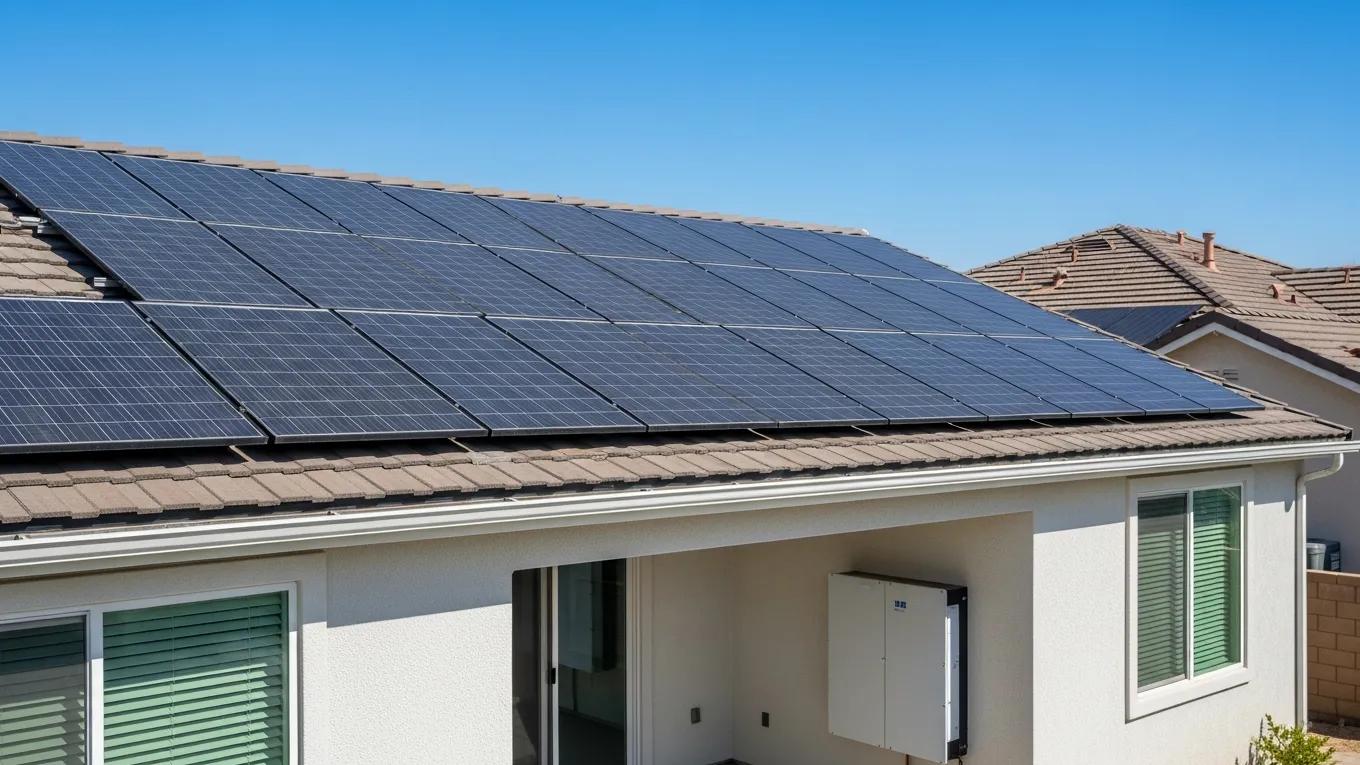
Baker Home Energy builds on industry best practices with integrated home-energy services — heating, cooling, solar, battery storage, and roofing — so equipment choices support broader energy goals and potential solar or battery pairing for peak-load management. To schedule a personalized assessment, call 877-578-8080 and we’ll review system options and projected benefits for your home.
Different contractors emphasize different quality controls. The table below maps common program elements to clear homeowner benefits so you can compare options quickly.
This mapping demonstrates how concrete program elements translate into measurable homeowner outcomes and sets up the step‑by‑step installation overview that follows.
How do certified heating contractors maintain higher installation standards?
Certified contractors deliver consistent results through formal qualifications, hands‑on mentoring, and measurable on‑site tests that confirm system performance and safety. Industry certifications show baseline competency; ongoing training and field mentoring keep crews current with manufacturer instructions and changing codes. Typical on‑site checks include airflow verification, refrigerant charge and pressure readings, thermostat calibration, and safety-device testing — all documented in commissioning reports. Completed checklists and a final walkthrough create a clear record for homeowners and support warranty claims, while recommended maintenance steps ensure long-term performance.
Which trusted brands and ENERGY STAR® products does Baker install?
Brand choice matters: manufacturer quality, warranty coverage, and verified efficiency ratings affect operating costs and equipment longevity. Look for ENERGY STAR® heat pumps or high-AFUE furnaces where appropriate, warranties that cover core components like compressors and heat exchangers, and strict adherence to manufacturer installation instructions. Ask to see efficiency ratings and spec sheets, confirm warranty registration procedures, and ensure the installed models match the quote. Reputable brands improve serviceability, parts availability, and long‑term reliability — all important when finalizing system design and sizing.
- The following checklist helps homeowners verify product credibility before installation:
- Confirm the model’s published efficiency ratings and ENERGY STAR® status.
- Request manufacturer specification sheets and warranty details.
- Make sure the proposal lists exact equipment models and the intended installation methods.
How does Baker Home Energy’s heating installation process work?
A reliable installation is a sequence of assessment, equipment selection, permitting, professional installation, commissioning, and follow‑up — each step with clear responsibilities and objective checks. The process starts with a site survey and load calculation, continues through permitting and installation by trained crews, and finishes with commissioning tests and a homeowner walkthrough. The table below maps installation steps to who’s responsible and the measurable quality checks you should expect.
This step mapping shows who’s accountable and the measurable outcomes homeowners should expect — a handy template for comparing contractors and ensuring nothing gets missed.
The practical sequence below summarizes the core installation stages you’ll experience and the quality checks performed at each point.
- Initial consultation and site survey: A technician assesses the building envelope and completes a load calculation to size the system correctly.
- Proposal and equipment selection: You receive a detailed proposal listing models, efficiencies, projected savings, and a timeline.
- Permitting and pre-work: We obtain required permits and arrange inspections so the job meets code before work begins.
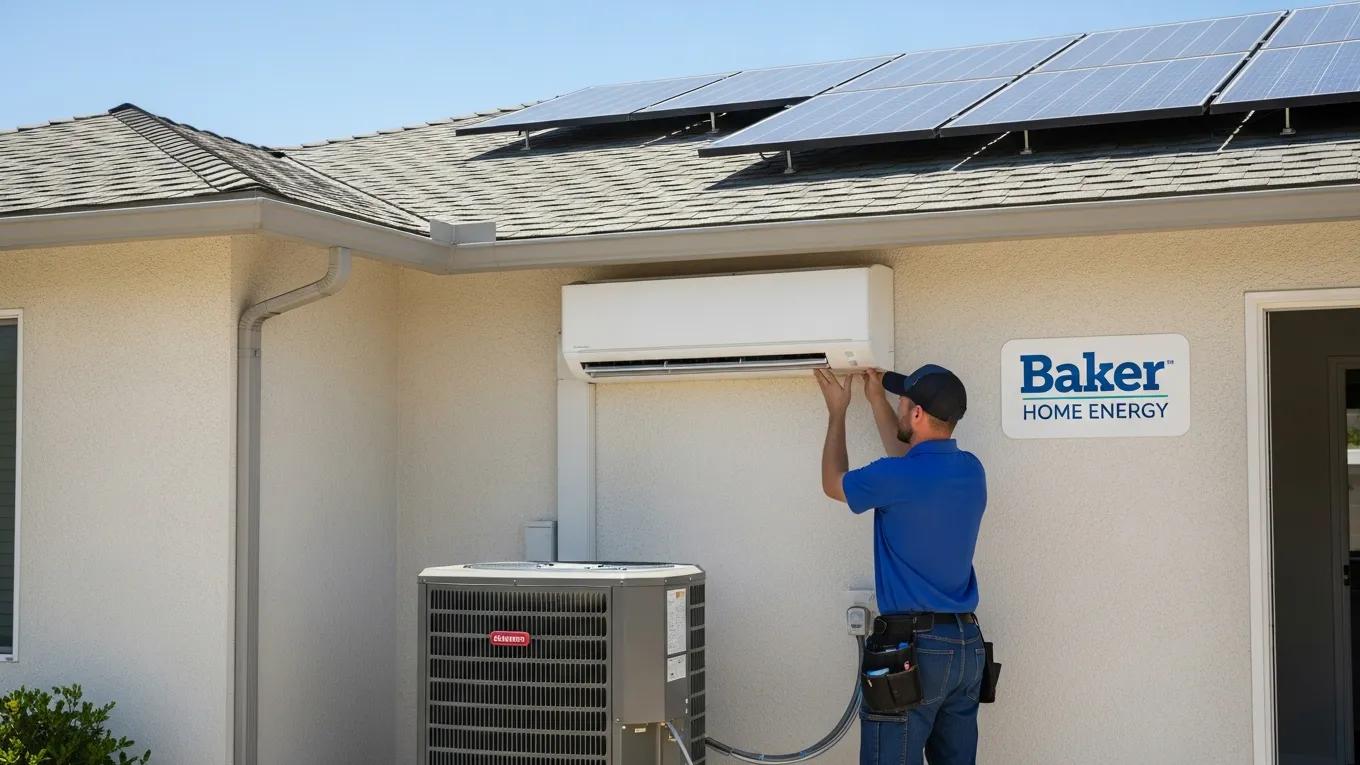
- Installation: Certified crews install equipment, update ductwork if needed, and secure all mechanical connections safely.
- Commissioning and calibration: The system is tested — airflow, refrigerant charge, and controls — then adjusted to design targets.
- Walkthrough and documentation: You get operational guidance, warranty registration help, and a maintenance plan.
These steps create a clear roadmap of responsibilities and expected outcomes and lead into how sizing and design are tailored for Southern California homes.
What are the key steps in Baker’s certified heating installation process?
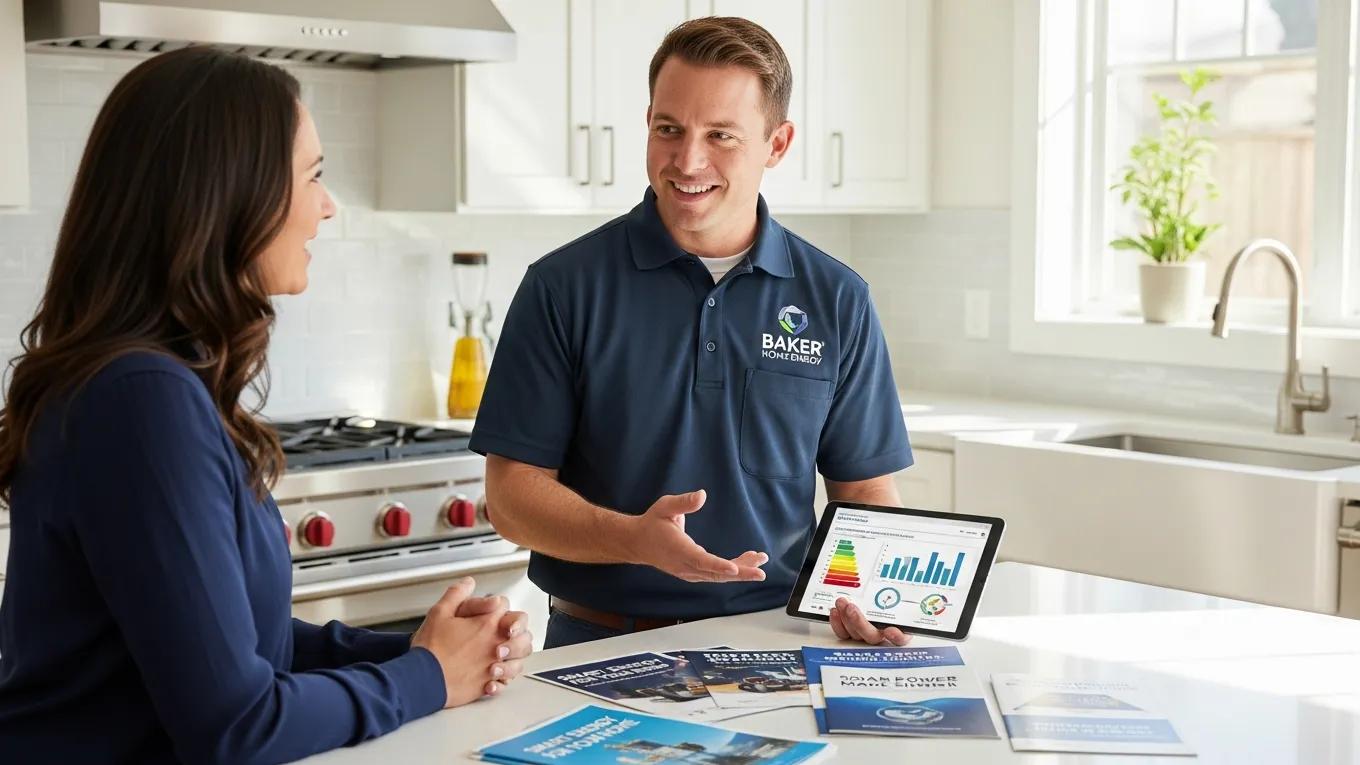
Baker’s certified process follows the standard industry sequence — assessment, selection, permitting, installation, and commissioning — while adding measurable checkpoints to document performance. During the site survey, technicians run room‑by‑room load calcs and inspect ductwork, insulation, and thermostat locations to identify retrofit needs. Procurement verifies exact model numbers, warranties, and compatibility with controls or solar-plus-storage. Installers follow manufacturer instructions during mechanical work, and commissioning records measured airflow, refrigerant checks, and safety tests in a final report. Timelines vary by job complexity, but every project includes milestones and a final walkthrough that transfers operational know‑how and maintenance responsibilities.
How is custom system sizing and design adapted for Southern California homes?
Sizing for Southern California focuses on mild winters, dominant cooling loads, and building-specific factors like orientation, insulation, and duct condition. Technicians adjust Manual J inputs for local degree days, internal gains, and envelope tightness so heat pumps are right‑sized to avoid short cycling while maintaining comfort. For retrofits, diagnostics such as duct leakage testing and static pressure measurements determine whether duct upgrades or airflow adjustments are needed to reach rated efficiency. Right‑sizing lowers energy waste and improves humidity control; oversizing causes extra cycling and wear. These effects are quantified during commissioning to validate the final design.
Why energy‑efficient heating systems matter for San Diego homeowners
In San Diego’s mild climate, energy‑efficient systems often mean lower costs and better comfort. Heat pumps are especially attractive because they heat and cool efficiently, reducing overall energy use and emissions. High‑efficiency equipment lowers utility bills, stabilizes indoor humidity and temperature, and pairs well with rooftop solar and battery storage so you can maximize on‑site energy. The sections below compare heat pumps and furnaces with practical metrics relevant to Southern California so you can weigh trade‑offs clearly.
Efficient systems also tend to need less maintenance and last longer because they run closer to design conditions. Fewer repairs and longer life improve lifecycle costs — another reason to focus on operational efficiency.
What benefits do heat pumps offer in San Diego’s climate?
Heat pumps move heat instead of creating it, which results in higher effective efficiency (HSPF for heating, SEER for cooling) and lower operating costs in mild climates like San Diego. Modern air‑source heat pumps with strong HSPF and SEER ratings can cover most heating needs year‑round and provide tight temperature control with less fuel use than resistive electric heat or some furnace scenarios. They also pair naturally with solar and battery systems to increase use of self‑generated electricity. Real homeowner ROI examples often show quicker payback when replacing old, inefficient systems — especially when incentives or rebates reduce upfront costs.
How do furnaces compare for efficiency and replacement decisions?
Furnaces are measured by AFUE, which indicates combustion efficiency. High‑AFUE furnaces perform well in cold climates but in Southern California they often deliver less operating-cost advantage because heating needs are modest and cooling dominates. Furnaces are still a reasonable choice when natural gas is preferred or when existing systems make replacement straightforward. Replacement triggers include frequent, costly repairs, heat exchanger issues, or simple age‑related decline. California’s regulatory trend toward lower‑ and zero‑emission heating technologies also factors into long‑term fuel and compliance considerations, so weigh AFUE, retrofit complexity, and policy direction when choosing between a furnace and a heat pump.
- Key replacement indicators for furnaces:
- Recurring, costly repairs that exceed a sensible portion of replacement cost.
- Falling efficiency and uneven heating across rooms.
- Safety problems or suspected heat exchanger damage.
How does Baker Home Energy stay compliant with California heating rules?
Staying compliant means tracking state and regional standards, installing to code, and recommending products that meet emissions and efficiency rules. Contractors must follow building codes, air‑quality district requirements, and California Energy Commission guidance so systems get permitted and pass inspection. Baker aligns product selection, permitting workflows, and installer training to meet these rules and helps homeowners through paperwork and inspections so systems enter service correctly. These practices also help homeowners anticipate 2026 policy changes and capture available incentives.
- Common contractor responsibilities for compliance:
- Verify product eligibility against current state efficiency and emissions standards.
- Submit and track permits and inspection scheduling with local jurisdictions.
- Provide documentation required for rebate and incentive claims.
What are Southern California’s zero‑emission heating standards starting in 2026?
Beginning in 2026, California will phase in stricter zero‑emission requirements for space and water heating in certain applications, supporting statewide decarbonization and air‑quality goals. These changes favor electric technologies such as heat pumps for qualifying uses and may restrict new gas‑fired equipment in some contexts or require strong justification for combustion appliances. For homeowners, this means planning for electrical readiness, evaluating heat‑pump options, and timing upgrades to capture existing incentives before program rules shift. Working with installers who understand these changes helps avoid surprise compliance costs and keeps equipment choices future‑proof.
How does Baker help homeowners navigate changing regulations and incentives?
Baker supports homeowners by coordinating permit submissions, checking rebate eligibility, and recommending system configurations that anticipate zero‑emission timelines while maximizing incentive capture. Our integrated approach — heating, cooling, solar, and battery storage — lets us propose solutions that consider future electrification and grid‑interactive opportunities. We prepare the paperwork needed for rebate applications and advise on timing upgrades to align with program windows so homeowners can manage upfront costs and improve payback profiles.
- Loan financing: Spreads capital costs over time to match energy savings with payments.
- Rebate programs: Provide upfront cash incentives that lower net project cost.
- Manufacturer/contractor offers: May include promotional financing or bundled discounts.
What do real customers say about Baker Home Energy’s heating installations?
Customers consistently report measurable energy savings, improved comfort, and simpler project management when installations follow thorough quality assurance and proper system selection. Case studies commonly show lower utility bills after switching to high‑efficiency heat pumps, more even temperatures after duct or airflow upgrades, and smoother permitting when one contractor handles multiple trades. Financing and incentives often make these upgrades affordable and accelerate payback, letting homeowners prioritize comfort and emissions reductions without a prohibitive upfront cost. Summaries below illustrate typical problem → solution → outcome patterns and how financing supported those choices.
Which case studies show energy savings and comfort improvements?
Our mini case studies use a Problem → Solution → Outcome format for clarity. For example, a home with uneven heating and aging equipment received a right‑sized heat pump, duct sealing, and commissioning — resulting in better comfort and measurable seasonal energy savings. Another homeowner swapped a failing furnace for a high‑efficiency heat pump and saw lower annual energy costs plus steadier indoor temperatures; pairing with solar raised on‑site energy use. These examples show how targeted diagnostics and commissioning deliver quantifiable results and point to the value of a personalized quote.
Mini‑case study format used:
- Problem: Baseline issues such as uneven temperatures or high bills.
- Solution: Right‑sized equipment, ductwork fixes, and commissioning.
- Outcome: Percentage energy reduction and improved comfort.
These examples demonstrate consistent, measurable outcomes and lead into how financing and incentives make upgrades practical.
How do financing options and incentives support homeowners’ decisions?
Financing and incentives lower upfront costs and improve payback timelines for efficient heating upgrades by combining loan products, rebates, and possible tax incentives into an affordable monthly payment. Typical options include energy‑improvement loans, manufacturer or contractor financing, and state or local rebates for heat pumps and efficiency work. Program availability changes, so request current eligibility and incentive estimates during the proposal phase. For personalized guidance and to explore financing that applies to your project, contact Baker Home Energy at 877-578-8080 to request a quote and confirm available incentives.
- Loan financing: Spreads capital costs over time to align payments with expected energy savings.
- Rebate programs: Immediate cost reductions at purchase.
- Contractor financing: Flexible terms tied to installation.
Frequently Asked Questions
What should homeowners consider when choosing a heating system?
When choosing a heating system, evaluate efficiency ratings, system type (heat pump vs. furnace), installation and lifetime costs, and how the local climate affects performance. Check the contractor’s reputation, warranty details, and available incentives or rebates that can reduce upfront cost. Balancing comfort, efficiency, and budget will help you pick the best solution for your home.
How can homeowners maintain their heating systems for optimal performance?
Regular maintenance keeps systems running efficiently. Schedule annual inspections with certified technicians to check airflow, refrigerant (if applicable), and calibration. Change filters regularly, keep ducts and vents clean, and maintain proper insulation. Watch for unusual noises or performance swings — early attention prevents bigger problems and extends equipment life.
What financing options are available for heating system installations?
Financing options include low‑interest loans, contractor financing, and rebate programs. Loans spread the cost over time, contractor financing often offers flexible terms tied to the project, and rebates reduce the purchase price at sale. Ask about current financing during the proposal so you can compare net costs and monthly payment scenarios.
How do energy‑efficient heating systems impact utility bills?
Energy‑efficient systems reduce energy use and lower bills. ENERGY STAR® products and high‑efficiency heat pumps use less energy to deliver the same comfort, especially in mild climates like Southern California where heat pumps handle both heating and cooling. Over time, lower operating costs can offset the initial investment and improve total lifecycle value.
What are the benefits of integrating heating systems with solar energy?
Pairing heating systems with solar reduces reliance on grid power and lowers utility bills. Solar can power heat pumps and, when combined with battery storage, shift energy use to match on‑site generation. This integration supports sustainability goals, improves energy independence, and can increase overall savings.
What should homeowners know about the installation timeline for heating systems?
Timelines vary by project complexity, system type, and permitting. Typical projects take from a few days to a couple of weeks. Key phases include the initial consultation, site survey, equipment selection, permitting, installation, and commissioning. Talk with your contractor early to understand the expected schedule and any potential delays.