
Baker Home Energy: Built for Long Life and Reliable Performance
Heating system lifespan is the expected working life of a home’s heating equipment before a major replacement becomes necessary. It depends on component durability, quality of installation, how the system is used, and local climate stresses. In Southern California, mild winters and coastal air shift the usual national ranges—so furnaces, air-source heat pumps, geothermal systems, and ductless mini-splits often behave differently than they do in colder climates. This article lays out numeric lifespan ranges, compares furnace longevity with heat pump durability, and explains the main factors that determine how long systems last: installation, maintenance, sizing, brand quality, and environment. You’ll also find a clear replacement checklist, straightforward repair-versus-replace guidance, and practical tips to extend system life. Where relevant, we highlight Baker Home Energy’s regional experience and services to show how professional installation and proactive maintenance translate into real durability advantages for Southern California homeowners. The sections below cover average regional lifespans, furnace vs. heat pump comparisons, longevity drivers, replacement timing, how Baker helps extend system life, and the benefits of energy-efficient, whole-home solutions.
What Is the Average Lifespan of Common Heating Systems in Southern California?
Average lifespan describes the typical number of years a system will run before major components fail or replacement becomes more economical than repairs. Southern California’s conditions—mild heating loads, frequent coastal cooling, and salt-air corrosion risk near shorelines—tend to extend the life of heat-producing parts but can shorten the life of outdoor equipment exposed to the elements. Expect industry ranges adjusted for local conditions: gas furnaces commonly last 15–20 years, air-source heat pumps 10–15 years, geothermal heat pumps 20–25+ years, and well-maintained boilers 15–25 years depending on the model. Use those ranges as planning windows: budget toward the upper end if the unit was professionally installed and regularly serviced, or closer to the lower end if service history is spotty or the unit sits in a corrosive coastal location. Understanding these regional adjustments helps homeowners prioritize inspections and maintenance to maximize remaining useful life and avoid mid-season surprises.
How Long Do Furnaces Typically Last Compared to Heat Pumps?
In Southern California, furnaces often last longer when heating is used only intermittently because combustion components and heat exchangers are robust. Heat pumps, which may run year-round for both heating and cooling, typically see more cumulative runtime that can accelerate wear on compressors and reversing valves. Gas furnaces commonly reach 15–20 years when combustion systems stay corrosion-free and ductwork is balanced. Air-source heat pumps generally average 10–15 years because compressors and outdoor coils face continuous cycling and environmental exposure. Usage patterns matter: a home that heats only a few months a year puts less stress on a furnace, while a heat pump used all year accumulates hours faster and needs more frequent component servicing. Proper installation, correct refrigerant charge, and corrosion-resistant treatments for outdoor units can narrow this lifespan gap by preventing premature compressor and coil failures.
What Factors Influence HVAC System Longevity in Southern California’s Climate?
Southern California’s climate influences lifespan through salt-laden coastal air, mild but sometimes humid conditions, and varying load patterns between inland and coastal neighborhoods. Salt spray speeds corrosion on outdoor coils, fasteners, and electrical connections, while mild winters reduce thermal stress on heat exchangers but encourage year-round cycling for heat pumps. Practical mitigations include corrosion protection, regular coil and contactor inspections, and seasonal tune-ups that focus on refrigerant levels and electrical integrity. For homes near the coast, more frequent maintenance and protective coatings can significantly reduce premature failures—so plan service intervals and choose corrosion-resistant equipment before installation and during annual checks.
How Does Furnace Longevity Compare to Heat Pump Durability?
The lifespan differences between furnaces and heat pumps come down to mechanical complexity and outdoor exposure. Furnaces rely on combustion and a heat exchanger and usually have fewer outdoor-exposed parts, making them less vulnerable to coastal corrosion. Heat pumps depend on compressors, reversing valves, and outdoor coils that face the elements and therefore can wear faster unless corrosion protection and disciplined maintenance are in place. Installation quality, system selection, and maintenance schedules change that picture: a well-installed and well-maintained heat pump—especially one specified for coastal resistance—can approach furnace lifespans in Southern California. When choosing between the two, weigh your local climate, desire to electrify, year-round comfort needs, and the level of maintenance you’re willing to commit to.
What Are the Average Lifespans of Gas Furnaces Versus Air-Source Heat Pumps?
Gas furnaces tend to last because of durable heat exchangers and limited outdoor exposure; in Southern California, their service life is commonly 15–20 years when combustion systems are maintained and ducts are balanced. Heat pumps put more demand on compressors and outdoor coils since they provide both heating and cooling; their typical lifespan is 10–15 years, and coastal settings without corrosion mitigation often fall at the lower end. Failure modes differ: furnaces more often see heat exchanger cracks and blower motor wear, while heat pumps commonly need compressor work, refrigerant repairs, or reversing-valve service. Keeping the refrigerant charge correct, maintaining airflow, and scheduling seasonal inspections reduce common failure risks and can add years to either system.
Which System Is Better Suited for Southern California Homes?
The best choice depends on homeowner priorities. Heat pumps favor electrification and year-round efficiency, and they pair well with solar and battery systems to reduce runtime and peak stress. Furnaces may be preferable where heating needs are minimal and homeowners prefer established combustion technology where gas is available. Coastal homes with mild heating demand often benefit from heat pumps—especially when anti-corrosion features are specified—while inland homes with heavy dust may do better with robust furnace installations and tight filtration. Above all, correct sizing and professional installation matter most: a properly matched unit will last longer and run more efficiently no matter the type.
What Key Factors Affect Heating System Durability and Lifespan?
Five core factors drive system longevity: installation and commissioning quality, regular professional maintenance, correct sizing, brand and component quality, and the local environment. Installation mistakes—improper refrigerant charge, duct imbalance, or weak electrical connections—create wear that leads to early failures. Scheduled maintenance catches wear before it becomes critical and can add measurable years to service life. Brand and component choices matter: higher-quality compressors, corrosion-resistant materials, and variable-speed motors typically require less frequent service. Environmental stresses—coastal salt, airborne particulates, and humidity—accelerate corrosion and clog coils; mitigating these with protective coatings, higher-grade filtration, and more frequent tune-ups preserves function. Together, strong installation and proactive maintenance often outweigh average brand differences and help systems reach their upper lifespan ranges.
How Do Installation Quality and Professional Maintenance Extend System Life?
Professional installation gets refrigerant charge, duct sizing, and airflow right—preventing short-cycling and overheating that quickly wear parts out. Commissioning steps such as checking electrical connections, calibrating thermostats, and testing safety controls reduce early failures and improve efficiency, which lowers mechanical stress. Regular maintenance—filter changes, coil cleaning, refrigerant checks, lubrication, and electrical inspections—catches common failure modes early and prevents costly breakdowns. In practice, skilled installation combined with scheduled tune-ups is the single most effective way to lengthen useful life, often adding multiple years compared with ad-hoc service.
In What Ways Do System Sizing, Brand Quality, and Climate Impact Longevity?
Oversized systems short-cycle, increasing wear on compressors and burners; undersized systems run continuously under heavy load, which leads to premature fatigue. Correct sizing is therefore essential to longevity. Brand and component quality matter because premium compressors, corrosion-resistant coils, and variable-speed motors tolerate stress better and fail more gracefully. Climate amplifies these effects: coastal salt speeds metal corrosion, inland dust clogs coils and filters, and Southern California’s mild but variable temperatures mean some systems run year-round, increasing cumulative runtime. Mitigations include corrosion-resistant coatings, higher-MERV filtration with matched airflow adjustments, and choosing brands known for solid outdoor-unit construction to reduce climate-driven degradation.
When Should Southern California Homeowners Consider Replacing Their Heating Systems?
Replacement timing blends objective age thresholds with performance and economic signals. Age is a strong indicator but should be weighed with repair history and efficiency trends. As a practical rule, systems nearing the high end of their adjusted lifespan (furnaces ~18–20 years, heat pumps ~14–15 years) should trigger replacement planning—especially if repair frequency has risen or efficiency has fallen. Track repair costs versus system value: recurring major repairs, climbing energy bills, and persistent comfort problems usually mean diminishing returns. A professional inspection focused on remaining useful life, efficiency metrics, and cost-to-replace estimates gives a clear basis for action and helps time replacement during off-peak seasons.
What Are the Common Signs Indicating It’s Time for a Heating System Upgrade?
The following checklist helps homeowners decide whether to replace a system:
- Frequent repairs in the last 12–36 months whose combined cost is a large fraction of a new system.
- Noticeable, sustained increases in energy bills without changes in usage.
- Persistent comfort issues—uneven rooms, loud operation, or poor humidity control.
If more than one item applies, move replacement planning forward to avoid mid-season failure and costly emergency repairs.
How Do Repair Costs Compare to Replacement Benefits Over Time?
Use simple rules of thumb and an ROI mindset when weighing repair versus replacement: if a single repair approaches or exceeds 50% of the cost of a new comparable system, replacement is usually the smarter long-term choice. Repeated minor repairs add up; three or more significant service visits in five years typically justify replacement because downtime, labor, and efficiency loss outweigh continued patching. New systems provide immediate efficiency gains that reduce operating costs and often lower maintenance frequency, and modern warranties and service plans cut owner risk. Consider rebates, energy savings, and resale value when evaluating economics—properly sized and efficiently installed replacements often pay dividends in comfort and total lifetime cost.
How Does Baker Home Energy Ensure Superior Heating System Longevity Compared to Competitors?
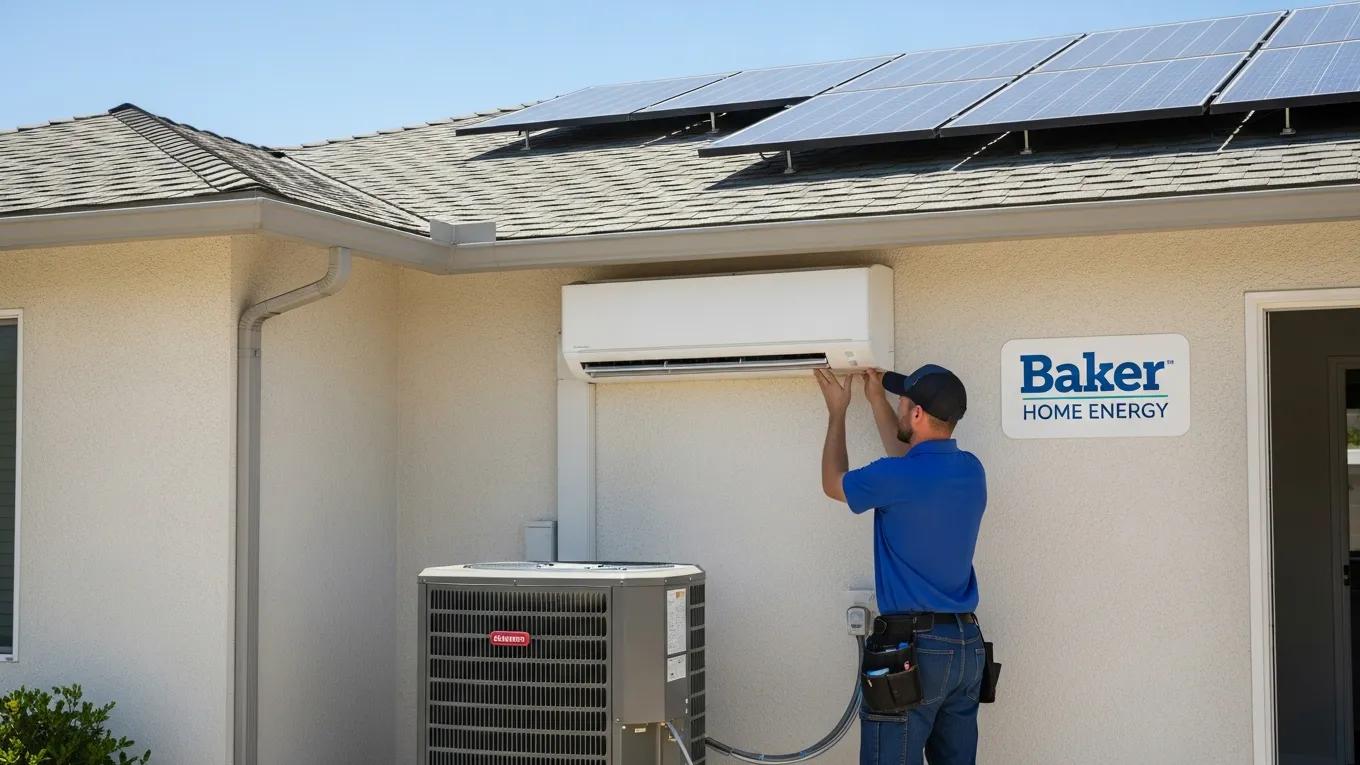
Baker Home Energy takes a whole-home approach and brings regional experience to improve durability outcomes. Our services combine professional installation, targeted maintenance, and equipment choices tailored to Southern California’s climates. With 86+ years of institutional knowledge, we follow disciplined commissioning practices, deliver ongoing technician training, and maintain quality assurance processes that reduce common installation errors and early failures. Baker offers heating installation and replacement, heater repair and tune-ups, heat pump installation and replacement, and heat pump repair—services that directly address the factors that extend system life. Homeowners benefit when a provider integrates correct sizing, corrosion-aware equipment selection, and proactive service plans so systems operate closer to their upper-range lifespans.
What Role Does 86+ Years of Experience Play in Installation and Maintenance Excellence?
Decades in the market build institutional processes—standard commissioning checklists, regular technician training, and documented QA steps—that reduce variability across installations and limit common failure causes. Longstanding supplier relationships help secure durable components and reliable manufacturer support for warranty work, protecting homeowners from premature replacement costs. Experience also produces practical regional know-how—where to site outdoor units to reduce salt exposure, which accessories protect electrical parts, and which service intervals catch wear early. Those operational strengths translate into measurable benefits over a system’s life by reducing installation errors and ensuring maintenance is timely and targeted.
How Do Baker’s Warranty and Service Plans Protect Your Heating System Investment?
Warranties and service plans turn maintenance from an unpredictable expense into a proactive lifecycle strategy, lowering the chance of catastrophic failures and smoothing ownership costs. Baker Home Energy emphasizes scheduled tune-ups and repair support for both furnaces and heat pumps to keep refrigerant charge correct, coils clean, and electrical systems healthy—the interventions most likely to add years to equipment life. Specific plan terms vary and should be reviewed with a Baker advisor, but the core benefit is clear: planned service reduces emergency repairs, preserves efficiency, and gives homeowners confidence in long-term performance. Requesting an inspection and comparing plan options is the best way to protect your heating investment.
What Are the Benefits of Choosing Energy-Efficient Heating Systems for Longevity and Cost Savings?
Energy-efficient systems often include features—variable-speed motors, inverter-driven compressors, and modulating burners—that reduce cycling, lower peak mechanical stress, and keep components operating near optimal conditions, all of which extend equipment life. These technologies run quieter, improve comfort, and cut runtime, which means fewer start-stop cycles and less cumulative wear. Pairing efficient equipment with whole-home solutions further reduces stress: when part of the heating load can be shifted or supplied by solar and batteries, the heating system sees fewer high-load hours and benefits from peak-shaving strategies. Over the lifecycle, efficiency upgrades lower operating costs and reduce the number of repair-triggering stress events, making efficiency a double win for savings and durability.
The main operational benefits of energy-efficient heating systems include:
- Reduced mechanical stress from fewer start-stop cycles and smoother load transitions.
- Lower operating costs thanks to higher seasonal efficiency and better part-load performance.
- Improved comfort and quieter operation that encourage stable setpoints and reduced runtime extremes.
How Do Energy-Efficient Systems Reduce Wear and Extend Operational Life?
Features like inverter compressors and variable-speed blowers modulate output to meet demand continuously instead of cycling at full capacity, minimizing thermal and mechanical shock to components. That smoother operation lowers peak currents, reduces wear on electrical contacts and motors, and decreases stress on lubricants and seals—common contributors to compressor failure. Higher-efficiency models also tend to use upgraded components and better thermal management, which keep operating temperatures down and extend the life of sensitive parts. For homeowners, that means fewer repairs, longer intervals between major overhauls, and stronger replacement economics over time.
What Advantages Do Integrated Whole Home Energy Solutions Offer?
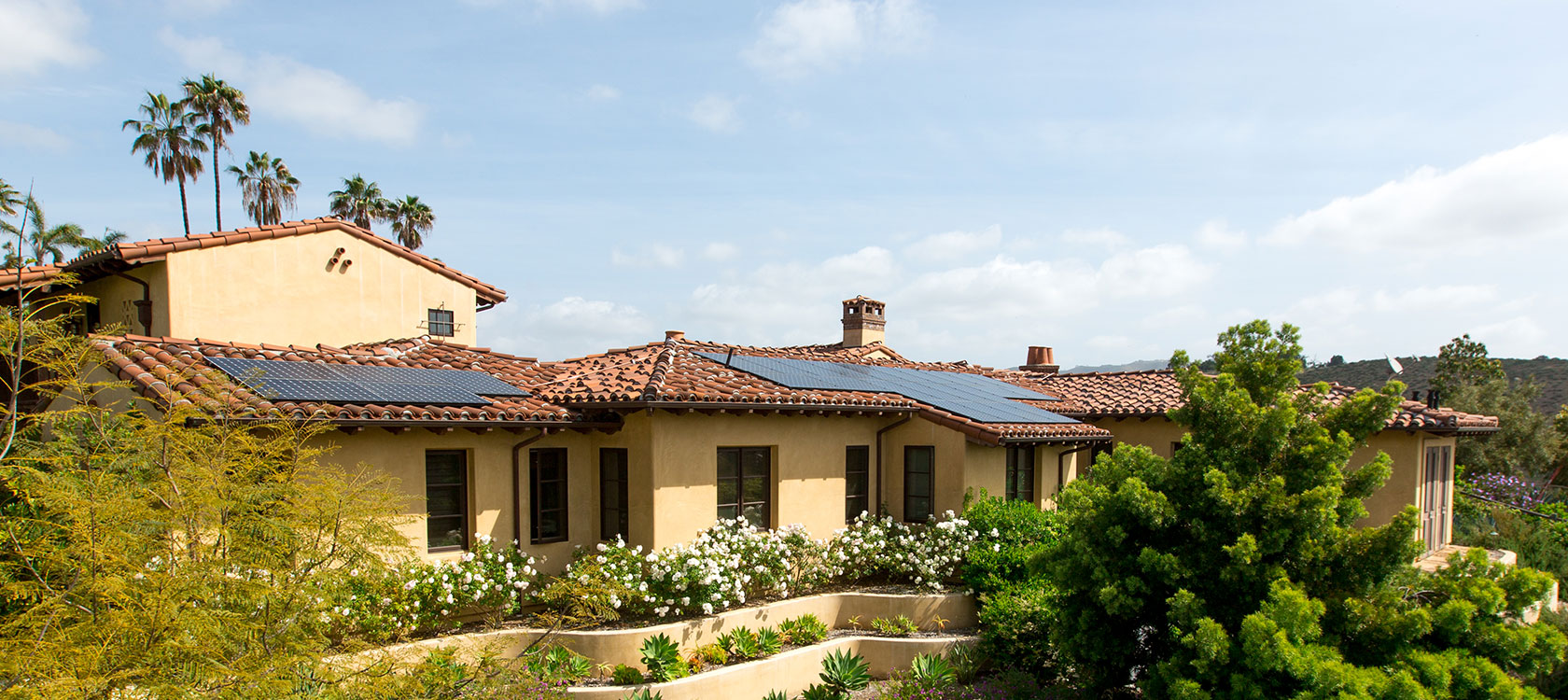
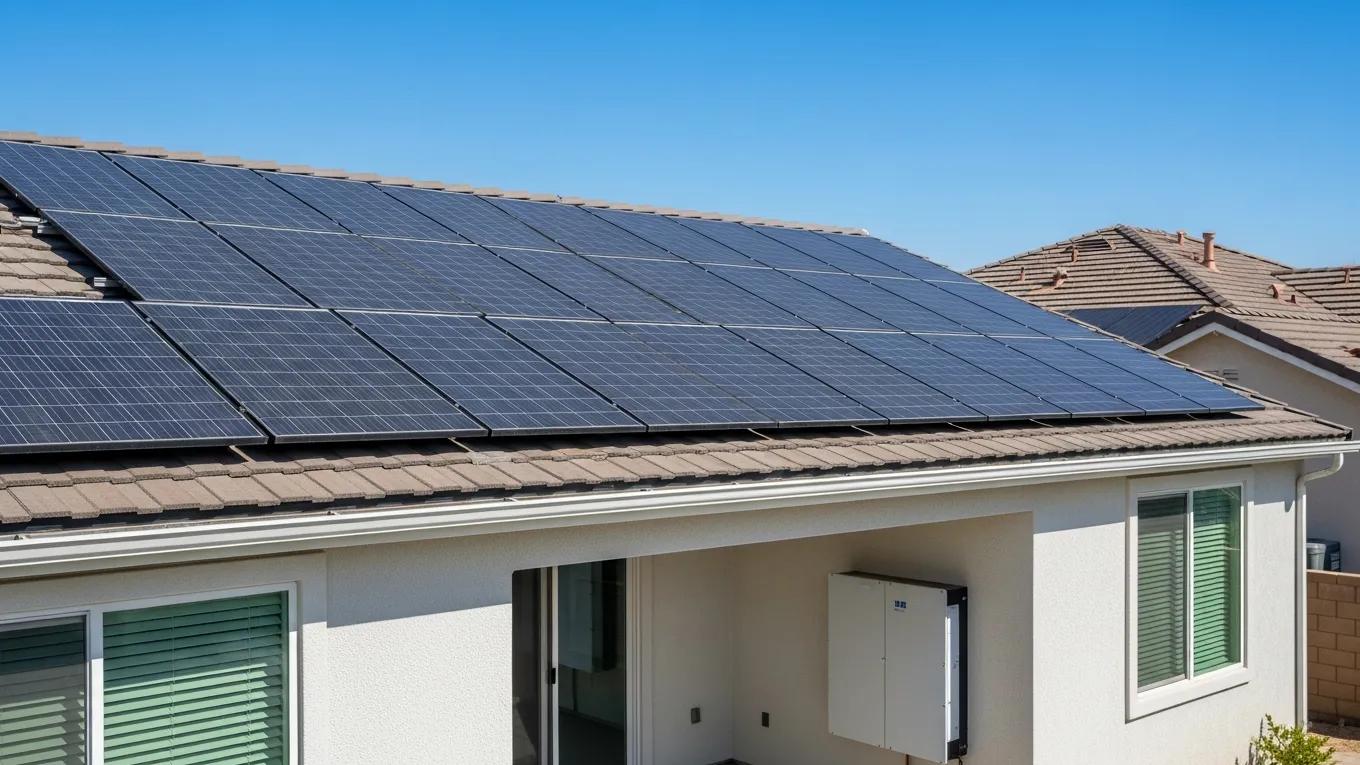
Connecting heating equipment with solar, batteries, and smart controls creates operational synergy that reduces runtime, limits peak demand, and adds resilience during outages—each outcome that supports longer equipment life. Solar and battery integration can shift or supply part of the heating load during peak hours, easing stress on compressors and burners, while smart controls optimize schedules and setback strategies to prevent unnecessary cycling. Baker Home Energy’s whole-home capabilities—spanning solar, battery storage, roofing, and heating & air—allow coordinated system design so heating equipment is specified and commissioned to work smoothly with on-site energy resources. That integrated approach lowers operating hours and peak loads, helping systems reach or exceed their highest expected lifespans.
- Reduced Runtime: On-site energy offsets lower cumulative operating hours.
- Peak Shaving: Batteries smooth demand spikes that stress components.
- Smart Control: Optimized schedules minimize unnecessary cycling.
This article has presented regionally adjusted lifespan ranges, a furnace vs. heat pump comparison, the key factors that shape system longevity, signs and economics of replacement, and how a regional provider like Baker Home Energy helps homeowners extend service life through professional installation, maintenance plans, and whole-home integration. For Southern California homeowners, the best path to reach the upper bounds of these lifespan ranges is correct system selection, corrosion-aware specifications, and a proactive maintenance program.
Frequently Asked Questions
What maintenance practices can extend the lifespan of heating systems?
Regular, proactive maintenance is the most reliable way to extend a system’s life. Schedule annual or biannual inspections that include cleaning or replacing filters, checking refrigerant levels, tightening and inspecting electrical connections, and cleaning coils. Seasonal tune-ups help spot issues early. For coastal homes, keep outdoor units clear of debris and address corrosion with protective treatments. Following a planned maintenance schedule significantly improves durability and performance.
How can homeowners assess the efficiency of their heating systems?
Check industry efficiency ratings—SEER for heat pumps and AFUE for furnaces—to understand baseline performance. Monitor energy bills for unexplained increases and note changes in comfort or runtime. A professional inspection can measure actual performance, check refrigerant charge, and identify airflow or duct issues that reduce efficiency. Those findings point to targeted repairs or upgrades that improve efficiency and lower operating costs.
What are the benefits of upgrading to a modern heating system?
Modern systems offer higher efficiency, better comfort, and lower operating costs. Technologies such as variable-speed motors and smart controls reduce wear and fine-tune performance. New units typically come with stronger warranties and service options, and upgrades may qualify for rebates or incentives that improve payback. Upgrading can pay off in reduced maintenance, lower energy bills, and improved home comfort.
How does local climate impact heating system choices?
Local climate affects both performance and longevity. In Southern California, mild winters and coastal conditions favor heat pumps for year-round efficiency, but salt air requires corrosion-aware equipment and maintenance. In inland areas with dust and higher temperature swings, filtration and robust outdoor-unit construction are more important. Matching system type and protective measures to local conditions improves durability and comfort.
What should homeowners look for in a heating system warranty?
Look for warranty length, which components are covered (compressors, heat exchangers, etc.), and whether labor or replacement is included. A warranty that complements a service plan is valuable, as regular maintenance is often required to keep warranty coverage valid. Understand exclusions and required service documentation so you know what’s covered and how to maintain protection over the system’s life.
How can energy-efficient heating systems contribute to environmental sustainability?
Energy-efficient systems use less energy to achieve the same comfort, reducing greenhouse gas emissions and lowering reliance on fossil fuels. When paired with on-site solar and battery storage, heating demand can be met with cleaner energy, further shrinking a home’s carbon footprint. Choosing efficient equipment and integrating renewables is one of the most practical ways homeowners can reduce environmental impact.
What are the signs that a heating system needs immediate attention?
Watch for unusual noises (banging, grinding), frequent on/off cycling, inconsistent temperatures, sudden spikes in energy bills, strange odors, or visible leaks. Any of these signs can indicate mechanical or electrical problems that should be inspected promptly to avoid larger failures and safety risks.