Heating Systems: Baker vs. Local Options
If you own a home in Southern California and are weighing a new heating system, you need straightforward, locally relevant comparisons — not jargon. This guide walks through how common residential systems work, which efficiency numbers matter, and the installation and financing points to check when you compare Baker Home Energy with other local contractors. You’ll get the real pros and cons of heat pumps and gas furnaces for mild coastal-to-inland climates, how smart thermostats and IAQ upgrades change comfort and energy use, and the questions to ask so quotes are truly apples-to-apples. We map Baker Home Energy’s offerings — heat pumps, furnaces, smart thermostats, and IAQ — to typical Southern California home situations and give you a clear decision framework, cost ranges, incentive paths, and a checklist to request a personalized heating quote.
What Heating Solutions Does Baker Home Energy Offer for Southern California Homes?
For Southern California homes, the right mix usually includes high-efficiency heat pumps, condensing gas furnaces where appropriate, smart thermostats, and indoor air quality equipment — together these components balance comfort and operating cost. Heat pumps move heat rather than create it, so seasonal efficiency figures like HSPF and COP are the useful measures. Condensing gas furnaces are measured by AFUE and can deliver strong output during the occasional cold snap. Smart thermostats add scheduling, adaptive control, and remote monitoring to cut wasted runtime, and IAQ products — filters, purifiers, and ventilation — protect comfort and keep your HVAC system running efficiently.
The table below summarizes typical attributes for heat pump and furnace options that suit Southern California homes, so you can match system types to local climate and how you use your house.
In short: heat pumps usually give better year‑round efficiency in mild-winter regions, while furnaces stay relevant where high heat output or existing gas infrastructure matter. Understanding those trade-offs leads us to how heat pumps work and why they’re often the smart choice in Southern California.
How Do Baker’s Heat Pumps Provide Efficient Comfort in Southern California?
Air‑source heat pumps keep homes comfortable by transferring heat between inside and outside air with a compressor and refrigerant circuit, instead of burning fuel. That transfer process delivers high effective efficiency (HSPF or COP), so you get more heat for each unit of electricity — especially in the region’s mild winters. When they’re properly sized and paired with matched indoor units, heat pumps often lower annual heating costs compared with older gas furnaces, and they integrate with cooling systems for year‑round savings. When comparing options, look at HSPF and SEER (for combined cooling/heating equipment) and confirm manufacturer installation best practices to estimate operating savings and equipment life.
Those efficiency gains rely on good installation and controls, which is why asking for detailed equipment specs and load calculations matters. That same attention to installation helps explain when a furnace still makes sense.
When Are Natural Gas Furnaces the Best Choice for Your Home?
Natural gas furnaces are still the right choice when a home already has robust gas infrastructure, when occupants prefer combustion heat, or when a property sits in a colder microclimate that needs high output during rare cold snaps. AFUE is the key efficiency number — higher AFUE means less heat lost up the flue — and modern condensing furnaces reach 90–98% AFUE, narrowing some lifetime operating-cost differences with heat pumps. Furnaces usually need different maintenance than refrigeration-based systems (gas-line checks, combustion tests, burner service), so consider fuel availability, local gas prices, duct condition, and any long‑term electrification goals before choosing a furnace over a heat pump.
Ultimately, the right choice depends on expected runtime, fuel costs, and whether you prioritize lower‑carbon electric operation or the convenience of existing gas service. With that clarified, next we cover the provider attributes to compare when evaluating local HVAC companies.
What Key Factors Should You Compare Among Local Heating Providers?
Who installs your system matters as much as what you buy. Installation quality and follow‑up service directly affect performance and lifetime cost. When comparing providers, evaluate experience, product lines and brand partnerships, warranty and workmanship guarantees, the range of services (installation, repair, maintenance), and transparency around financing and incentives. These checks reduce risk and help ensure the system meets your efficiency and comfort goals. Use the prioritized list below when comparing local quotes.
- Experience and Reputation: Local track record, customer reviews, and relevant recognitions.
- Product Quality and Brands: Which manufacturers and models are offered and why.
- Warranties and Labor Guarantees: Length and scope for parts, labor, and workmanship.
- Financing and Incentive Support: Assistance with rebates, tax credits, or payment plans.
- Local Service and Responsiveness: Response times and availability of in‑area technicians.
Comparing those attributes side‑by‑side helps you avoid choosing solely on price and missing long‑term value. The next section explains how Baker Home Energy’s experience and service mix stack up against these criteria.
How Does Baker Home Energy’s Experience and Reputation Stand Out?
Baker Home Energy is a multi‑service home energy and HVAC provider serving Southern California neighborhoods, with roots dating back to 1938 and recognitions noted in public profiles. That longevity and local recognition suggest stable processes for permitting, installation, and post‑install service — all of which reduce project risk. When you review reputation, look for documented acknowledgements and local customer ratings as indicators of consistent workmanship and reliable follow‑up. Knowing a provider’s history helps you choose someone who will support system performance and honor warranties over time.
What Comprehensive Services and Brands Does Baker Home Energy Provide?
Baker Home Energy’s service mix includes heating installation and replacement, repairs and tune‑ups, heat pump services, indoor air quality solutions, and smart thermostat integration; the company lists Carrier among its brand partners. A provider that offers multiple energy services can coordinate upgrades — for example, pairing a heat pump with smart controls and IAQ devices — to improve comfort and lower operating costs. Multi‑service contractors can also help with cross‑system projects like solar or battery additions where available, opening the door to deeper savings. Confirm whether a provider offers coordinated solutions and brand‑backed parts to simplify maintenance and warranty management.
Integrated services reduce coordination headaches and often improve long‑term outcomes. With those attributes in mind, the next section compares Baker’s strengths to a typical local provider.
How Does Baker Home Energy Compare Directly With Other Southern California HVAC Companies?
An attribute‑focused comparison shows how a provider performs on installation quality, warranty terms, energy outcomes, and local responsiveness without naming competitors. Baker Home Energy emphasizes whole‑home services, Carrier product lines, and local recognitions — all signals of parts availability and repeatable installation practices. Homeowners should compare technician qualifications, warranty lengths, and financing support to judge value. The compact table below highlights key attributes to consider when comparing Baker to a typical local provider.
This table shows why homeowners should dig into warranty scope, parts sourcing, and whether a provider handles integrated systems or relies on subcontractors. Next, we cover installation expectations and warranty questions you can use during interviews with installers.
What Installation Expertise and Warranties Does Baker Offer?
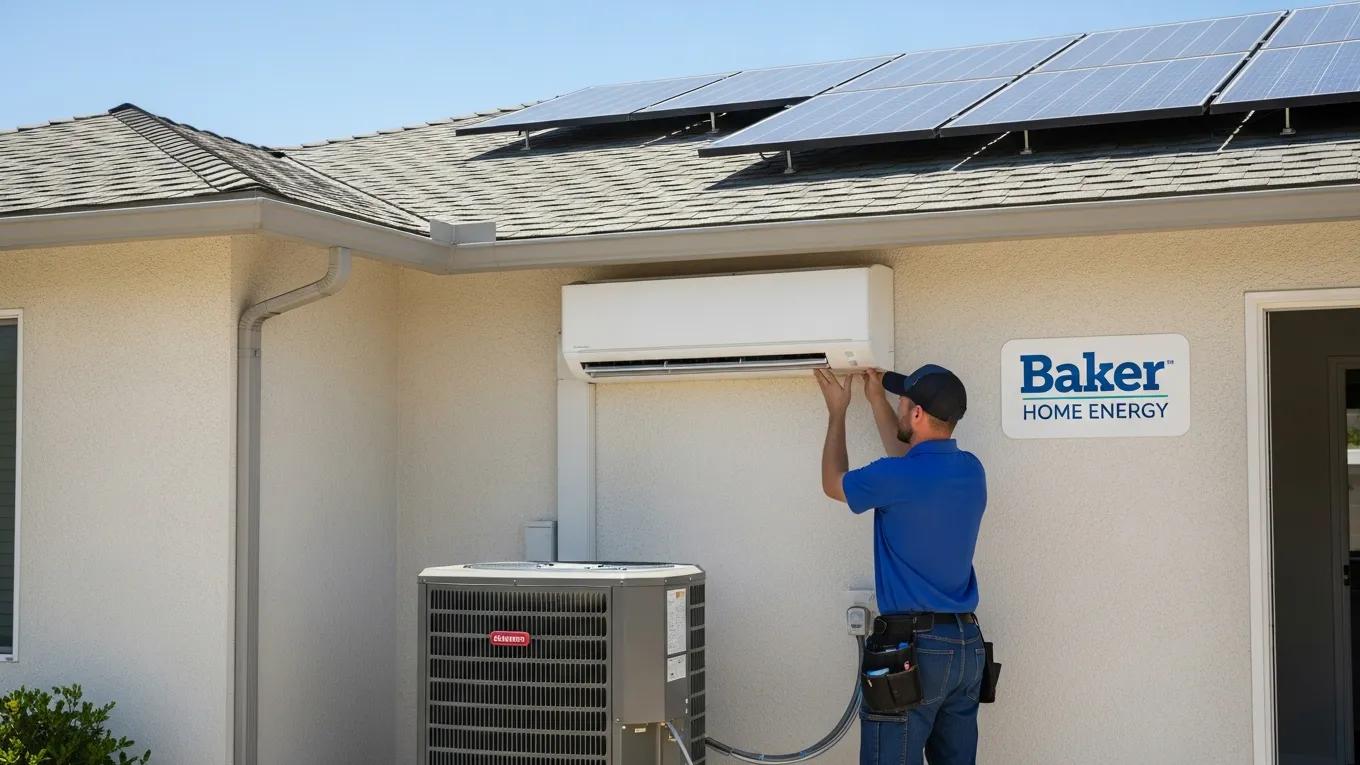
Installation quality is signaled by licensed technicians, documented load calculations (Manual J), correct refrigerant charge and airflow testing, permit handling, and post‑install commissioning. Ask any provider for their installation checklist and which tests they run at handoff to confirm efficiency and safety. Warranties may include manufacturer equipment coverage, labor warranties, and workmanship guarantees — get the length and claim process in writing. A clear installation and warranty checklist reduces rework risk and makes quote comparisons fairer.
Use the checklist below when interviewing installers to confirm installation quality and warranty support.
- Licensed technician verification: Confirm credentials and training for HVAC work.
- Detailed load calculation: Request a copy of the Manual J or equivalent sizing report.
- Post-install testing: Ensure airflow, refrigerant charge, and efficiency testing are performed.
- Warranty documentation: Get written scope and contact steps for claims.
These checks align with evaluating long‑term value, which we discuss next.
How Do Energy Savings and Long-Term Value Compare?
Long‑term value depends on equipment efficiency, installation quality, runtime patterns, and maintenance. In moderate climates, efficient heat pumps can use 20–40% less heating energy than older gas furnaces, though actual savings hinge on local electricity and gas rates, correct sizing, and controls. Longevity and upkeep also affect lifetime cost — well‑installed systems that receive regular tune‑ups keep their efficiency and avoid early replacement. Compare projected kWh or therm savings over 5–10 years, adjusted for local utility rates and incentives, to get a realistic view of ROI; shorter payback timelines strengthen the case for higher‑efficiency equipment despite higher upfront cost.
That comparative math feeds directly into the financing conversation covered next.
What Are the Typical Costs and Financing Options for Baker Home Energy Heating Systems?
Installed costs in the San Diego/Southern California area vary by system type, sizing complexity, and whether ductwork or electrical upgrades are needed. Heat pump systems tend to have higher equipment cost but lower operating expense; condensing furnaces can cost less up front but carry ongoing fuel costs. Financing options include contractor payment plans, utility loans, and federal or state incentives that reduce net installed cost. Baker Home Energy assists customers with financing and rebate navigation to simplify claiming incentives and finding payment options. The table below breaks down typical cost components and where incentives commonly apply.
Incentives and contractor financing can significantly lower out‑of‑pocket cost, so always request line‑item quotes and ask providers to estimate net cost after rebates. The next subsections review common furnace cost drivers and typical incentive programs in the region.
How Does Baker Home Energy’s Furnace Installation Cost Compare Locally?
Furnace installation cost depends on AFUE rating, duct condition, venting, and any required gas‑line or electrical work. Simple installs in accessible homes are near the low end of the regional range; complex retrofits — poor ducts, multi‑zone systems, or tight access — increase costs. To compare quotes fairly, request itemized estimates that list equipment model, labor hours, permit fees, and any ductwork or thermostat upgrades. Baker Home Energy provides localized quotes and assists with permit coordination to reduce administrative surprises; confirm whether your quote includes final commissioning and any follow‑up tune‑ups.
A clear, detailed quote reduces change‑order risk and helps you compare value instead of just the headline price.
What Financing and Incentive Programs Are Available to Southern California Homeowners?
Homeowners in Southern California can access federal tax credits, state rebates, and utility incentives that change over time. Common pathways include federal electrification credits, state efficiency programs, and local utility rebates for qualifying equipment. Eligibility usually depends on product efficiency, contractor certification, and submitted documentation. Many contractors — especially those offering integrated home energy services — help prepare paperwork and verify installations meet program rules. Baker Home Energy lists rebate and financing assistance as part of their service, which can streamline access to incentives and lender options.
Include incentive estimates when comparing vendors and verify any certification requirements to ensure you’ll receive the rebate or credit you expect.
How Can Smart Thermostats and Indoor Air Quality Solutions Enhance Your Heating System?
Smart thermostats and IAQ upgrades can noticeably improve comfort, reduce runtime, and protect equipment — extending system life and lowering operating costs. Smart thermostats use scheduling, geofencing, and learning algorithms to cut unnecessary heating; they also enable setback strategies and optimized staging for multi‑stage heat pumps. IAQ devices — higher‑MERV filters, whole‑home purifiers, and balanced ventilation — lower particulate load and stabilize humidity, so systems don’t have to run as long to hit target temperatures. Controls and IAQ are complementary upgrades that often boost comfort and efficiency more than equipment swaps alone, so plan them as part of a holistic system design.
The list below highlights smart thermostat features that most directly affect heating performance and utility bills.
- Adaptive scheduling and learning: Reduces runtime by predicting occupancy and preferences.
- Remote monitoring and diagnostics: Enables faster troubleshooting and performance tuning.
- Energy-use reporting: Helps homeowners identify savings opportunities and verify efficiency.
Upgrading controls and IAQ together typically improves comfort and efficiency more than making equipment changes in isolation — consider integrated solutions during quoting.
What Smart Thermostat Features Does Baker Home Energy Integrate?
Baker Home Energy focuses on thermostats that are compatible with both heat pumps and furnaces, include energy‑saving modes (eco or adaptive schedules), offer remote access for diagnostics, and can coordinate with zone controls. If you’re pairing a heat pump with a gas furnace, look for models that support dual‑fuel setups and provide clear run‑time and setback reports. Baker lists smart thermostat integration among its services, which helps ensure correct wiring and programming. When evaluating thermostat offers, ask for a demo of energy‑saving modes and whether any subscription fees apply for advanced features.
The right thermostat and setup can significantly reduce heating energy use while improving comfort through better setback and recovery control.
How Does Indoor Air Quality Impact Home Comfort and Heating Efficiency?
Indoor air quality affects perceived warmth, humidity control, and the cleanliness of heat‑exchange surfaces — all of which influence heating efficiency and comfort. High‑efficiency filters and whole‑home purifiers reduce particulate buildup on coils and heat exchangers, preserving airflow and heat transfer. Humidity control prevents over‑drying or dampness that otherwise changes heating setpoints. Properly configured balanced ventilation exchanges stale indoor air without major heat loss, supporting both health and efficient heating. Simple maintenance — timely filter changes and routine IAQ checks — helps systems run less and maintain manufacturer‑rated efficiency over time.
How Can You Request a Personalized Heating Quote From Baker Home Energy?
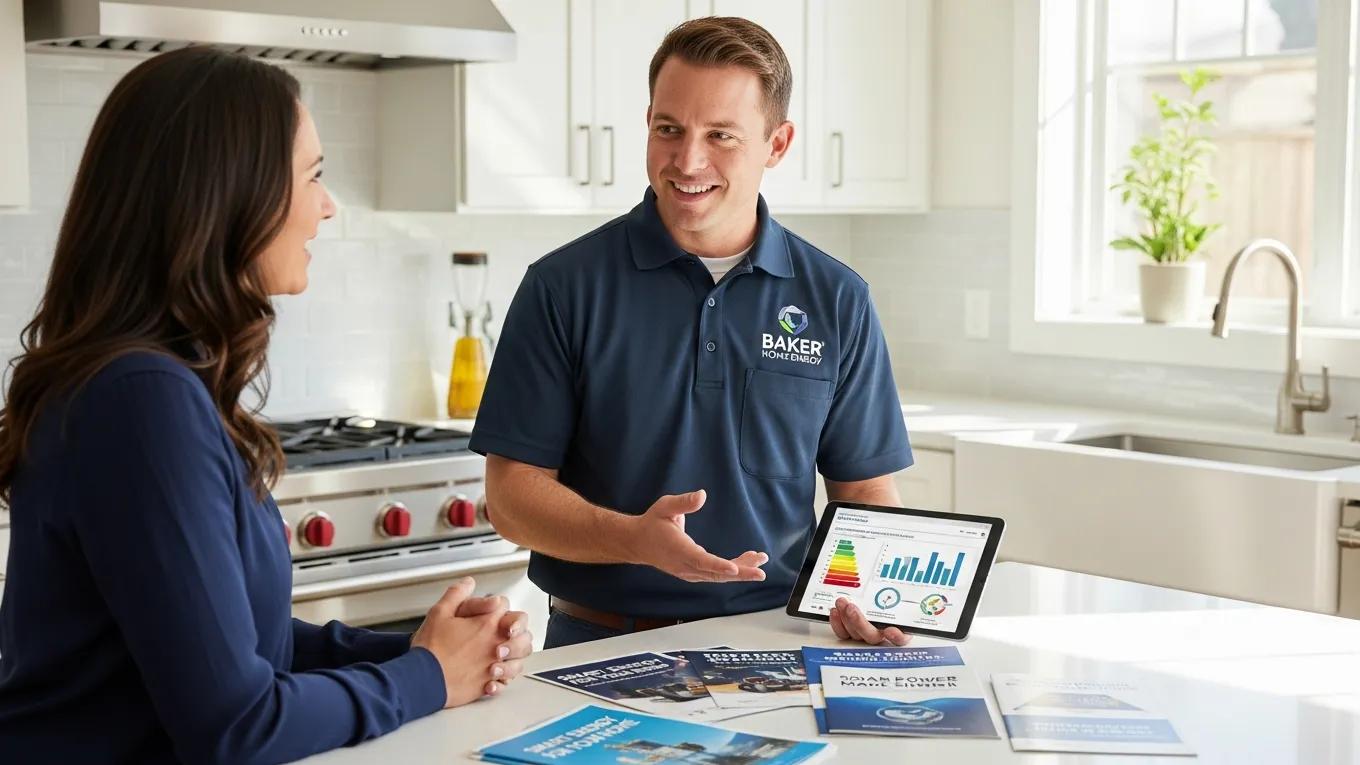
Getting an accurate, personalized quote starts with clear information about your home and goals so contractors can produce proper sizing, equipment recommendations, and cost estimates. Baker Home Energy’s typical quoting process includes an initial needs conversation, a site survey or virtual assessment, and a written proposal listing equipment, labor, permits, and timelines. Supplying complete home details up front reduces change orders and keeps savings estimates and incentive eligibility realistic. The steps below explain what to prepare and what to expect from a professional quote and installation journey.
- Prepare basic home data: Square footage, number of rooms, insulation level, and current system age.
- Document existing equipment: Make and model of current furnace or heat pump, fuel type, and duct condition.
- State comfort goals: Desired temperature, zoning preferences, or IAQ concerns to guide system selection.
A complete checklist and clear communication during quoting produce more reliable proposals and a smoother installation timeline.
What Information Is Needed to Get an Accurate Heating System Quote?
Accurate quotes rely on detailed inputs: home square footage, ceiling heights, insulation levels, window types, number of occupants, and current HVAC specifics such as model numbers and duct layout. Photos of existing equipment, recent utility bills to estimate energy use, and any planned envelope upgrades help refine sizing and projected savings. These details let a contractor run a proper load calculation and recommend equipment that balances capacity and efficiency. Providing complete information up front reduces surprises at the site survey and helps final pricing match expectations.
Well‑prepared homeowners get better‑fit proposals and faster permit turnaround because the contractor can anticipate scope and material needs.
How Does Baker Home Energy Support Customers Through the Quote and Installation Process?
Baker Home Energy’s customer process typically includes an initial consultation, a site survey for sizing and access assessment, a written proposal with financing and incentive estimates, permit coordination, installation scheduling, commissioning, and post‑install support such as warranty registration and maintenance plans. The company emphasizes whole‑home coordination and rebate/financing navigation to help lower net installed cost. For scheduling or specific service questions, homeowners can contact Baker Home Energy via their listed phone number or local office to request an on‑site evaluation. Clear communication at each step minimizes delays and helps ensure the installed system meets your comfort, efficiency, and budget goals.
That stepwise support and transparent documentation help homeowners move from quote to a completed system with fewer surprises and greater confidence in long‑term performance.
Frequently Asked Questions
1. What are the environmental benefits of using heat pumps over natural gas furnaces?
Heat pumps generally have a smaller environmental footprint than natural gas furnaces because they transfer heat using electricity instead of burning fossil fuels. When paired with cleaner electricity, they cut greenhouse gas emissions substantially. Heat pumps also tend to use less energy for the same comfort level, which lowers overall carbon output. For homeowners prioritizing sustainability, heat pumps are an increasingly common choice that balances comfort with reduced environmental impact.
2. How can homeowners ensure they choose the right size heating system?
The right size is critical for comfort and efficiency. Ask your HVAC provider for a Manual J load calculation — it accounts for home size, insulation, windows, orientation, and occupancy to determine proper capacity. An oversized system can short‑cycle and waste energy; an undersized one struggles to maintain temperature. A proper load calculation ensures you get equipment sized to your home’s actual needs.
3. What maintenance is required for heat pumps and furnaces to ensure optimal performance?
Both system types need regular care. Schedule annual professional inspections: for heat pumps, that usually includes cleaning coils, checking refrigerant, and inspecting electrical parts; for furnaces, it includes burner checks, filter replacement, and venting inspections. Homeowners should also change filters regularly and keep outdoor equipment clear of debris. Routine maintenance prevents breakdowns and keeps systems running at rated efficiency.
4. Are there specific incentives available for upgrading to energy-efficient heating systems?
Yes — many homeowners qualify for federal tax credits, state rebates, and local utility incentives when they install high‑efficiency equipment. Eligibility often depends on equipment efficiency, contractor certification, and the documentation you submit. Ask your contractor to help identify available programs and to manage the paperwork so you capture the incentives that reduce your net installed cost.
5. How do smart thermostats contribute to energy savings in heating systems?
Smart thermostats cut energy use by learning schedules, enabling geofencing and remote adjustments, and applying adaptive setbacks. They reduce unnecessary heating when the house is empty and optimize recovery so comfort returns quickly. Many models also provide energy‑use reports that help you spot savings opportunities. Properly set up, a smart thermostat is one of the easiest upgrades to lower heating bills.
6. What should homeowners consider when comparing heating system warranties?
Look at coverage length, what’s included (parts, labor, workmanship), and how claims are handled. Warranties vary by manufacturer and provider; ask whether the warranty is transferable, which affects resale value. Get the warranty terms in writing and understand any requirements (like annual maintenance) to keep coverage valid.
7. How can indoor air quality (IAQ) solutions enhance heating system efficiency?
IAQ solutions — higher‑efficiency filters, whole‑home purifiers, and proper ventilation — keep HVAC components cleaner and maintain airflow, which preserves heat‑exchange efficiency. Balanced humidity also helps your system meet setpoints without running longer. Simple IAQ upgrades and regular filter changes reduce strain on equipment, lower energy use, and extend system life.