How Baker Home Energy Compares on HVAC Installation Time in Southern California
When we talk about HVAC installation time, we mean everything from the first site assessment through equipment set, commissioning, and the final homeowner handoff. It matters: a smooth, well-planned install cuts down discomfort, wasted energy, and calendar headaches for Southern California households. This guide walks through typical regional timelines, the factors that speed projects up or slow them down, and practical ways to compare contractors based on process—not just price. You’ll get average durations for common jobs, a side-by-side look at where time is saved, a step-by-step efficient-install workflow, and a buyer checklist to spot fast, dependable installers. We reference local realities—permit timing, ductwork conditions, and climate-driven equipment choices—so you can evaluate “fast” claims with clear expectations and smart questions for quotes.
What Is the Average HVAC Installation Duration in Southern California?
Installation time in Southern California depends on the job: simple AC replacements often finish in a single workday, full system replacements normally take two to four days, and ductless mini-split or heat pump retrofits commonly span one to two days depending on complexity. Those ranges exist because installs combine mechanical work (equipment set, duct or line-set work), regulatory steps (permits and inspections), and logistics (equipment staging and crew coordination). Faster installs matter because they shorten the period of inefficient comfort, reduce homeowner disruption, and get energy savings working sooner. Below we break common job types into typical durations and then explain the main variables that cause variation.
How Long Does a Typical HVAC Installation Take?
A like-for-like central AC swap—removing an old condenser and replacing it with the same size and type—usually fits into one full workday when the site is ready and parts are on hand. Full system replacements that include a new furnace or air handler (or a heat pump) plus duct adjustments generally need two to four days because of sequencing, sheet-metal work, and commissioning. Ductless mini-split installs typically take one to two days per zone, with multi-zone jobs adding time for additional indoor units and routing. In short: scope maps directly to time—simpler jobs finish faster, and more invasive retrofits add days for custom ducting or mounting work.
Which Factors Influence HVAC Installation Timeframes?
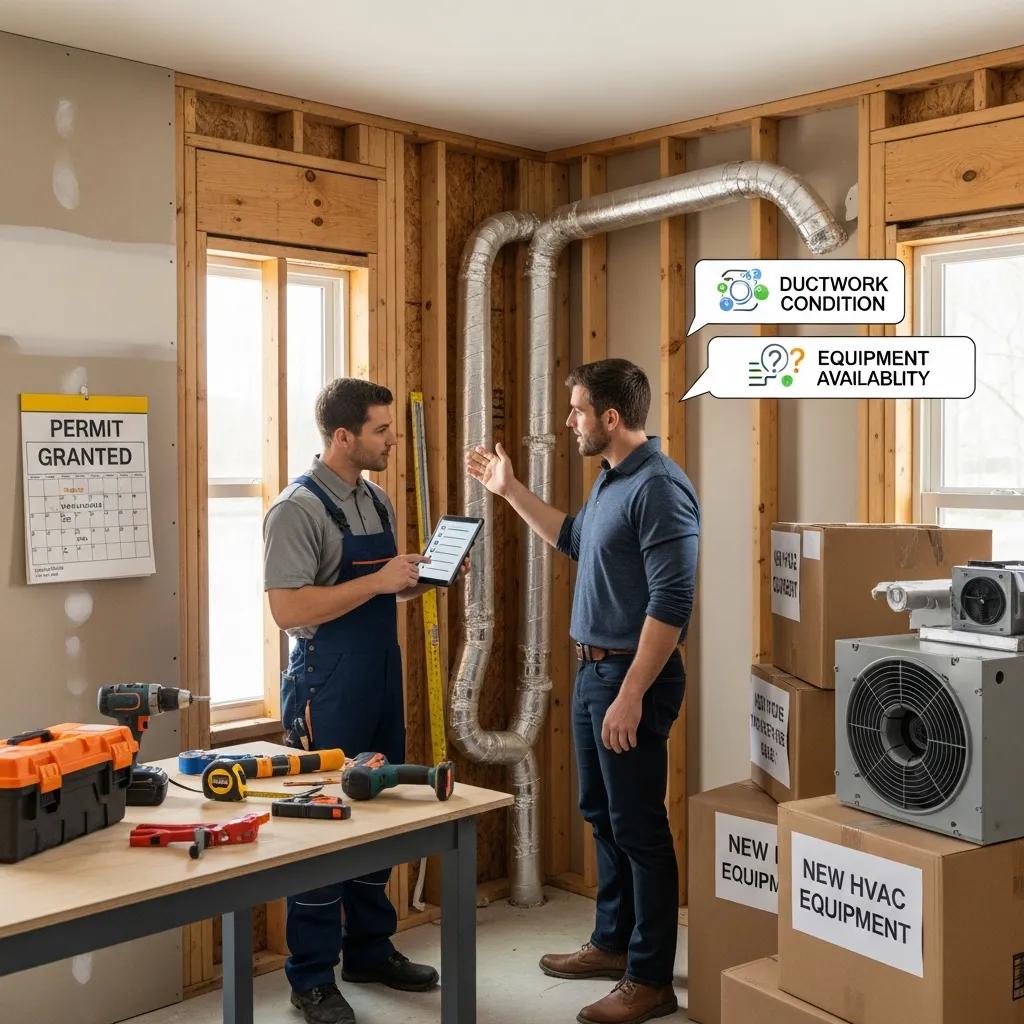
Several things change how long an install takes: permit and inspection turnaround (which can add days to weeks depending on the city), the condition of existing ductwork (repairs or replacement increase labor), equipment lead times or backorders, and site access or staging constraints that limit daily productivity. Southern California permitting varies by municipality—expedited or pre-approved plans can shorten administrative delays—while older homes often need duct retrofits that extend on-site time. Ask potential installers about permit handling, inventory status, and crew size to get a realistic timeline and avoid surprises.
- Key time-influencing topics to review with installers.
- Permitting and inspection timelines: Ask whether the installer handles permits and what typical municipal turnaround looks like.
- Ductwork condition: Confirm if ducts need sealing, repair, or replacement.
- Equipment availability: Verify whether stock is on-hand or must be ordered.
- Site access and staging: Make sure pathways are clear and there’s space to stage equipment.
These factors explain why two similar quotes can produce very different calendars—and why transparency about process matters as much as price.
How Does Baker Home Energy’s Installation Speed Compare to Local HVAC Companies?
We typically finish projects faster than regional averages by focusing on pre-install staging, licensed multi-person teams, and tight logistics that minimize onsite downtime. That coordination often trims a full-system project by about a day and shortens simple equipment swaps by several hours compared with conventional providers. The time advantage comes from process orchestration: proactive scheduling, inventory control, and crews who can run parallel tasks—like routing a line-set while another technician prepares the air handler—so the total elapsed time is lower without cutting corners on safety or testing.
Intro: The table below compares representative providers by average installation time and scope included, so you can see where Baker Home Energy saves time while keeping the same scope of work.
This comparison shows that better logistics and crew practices shrink elapsed time while preserving the core scope. Below we outline the specific process levers that deliver those gains.
What Makes Baker Home Energy’s Installation Process Faster?
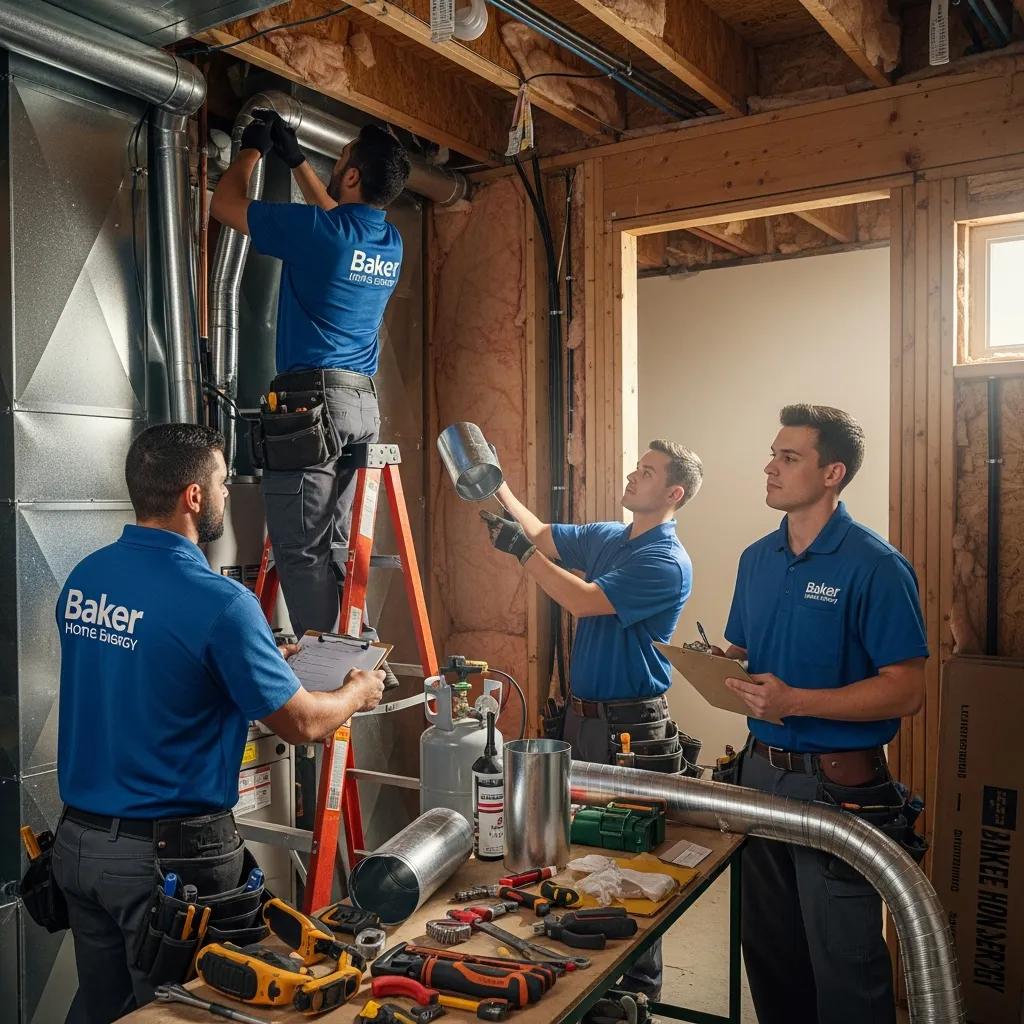
Our projects move faster because we coordinate pre-install assessments, stage equipment on or near the site before work starts, and send licensed multi-person crews so tasks can happen in parallel. We pre-prepare components when possible, confirm permit prerequisites before arrival, and follow standardized checklists that reduce rework. We maintain quality with mandatory commissioning and a homeowner walkthrough so there’s no need for avoidable callbacks. In short: assessment, staging, trained teams, and strict checklists let us compress schedules without skipping critical safety or performance steps.
How Do Local Competitors’ Installation Times Measure Up?
Many local providers use reactive scheduling where one technician handles most tasks sequentially, which stretches the calendar—especially when subcontractors are needed for ductwork or electrical. Permit handling is another common drag: companies that require homeowners to manage permits often start later. Inventory shortfalls lead to equipment-related delays. Often, the time is eaten by logistics and sequencing rather than the mechanical work itself, so how an installer stages materials and manages permits is a good predictor of whether a quoted timeline will hold.
- Common slowdowns among conventional installers:
- Single-crew, sequential work that prevents parallel tasks.
- No on-hand inventory, causing equipment wait times.
- Permit coordination gaps that require homeowner follow-up.
These patterns explain why optimistic start dates sometimes slip and projects stretch longer than expected.
What Is the Step-by-Step HVAC Installation Process at Baker Home Energy?
Our installation follows clear phases: site prep, equipment removal, equipment set and mechanical tie-in, ductwork adjustments or line-set routing, system commissioning and testing, and homeowner handoff. Each phase includes quality checks designed to keep the schedule tight and ensure long-term performance. Phase-driven sequencing, overlapping responsibilities, and pre-validated parts reduce idle crew time. For homeowners, these defined phases make it easier to know how long crews will be present and when specific disruptive tasks will occur. The list below shows a typical phase sequence with expected durations for quick reference.
- Site prep and staging: 1–2 hours to clear access and confirm power and staging areas.
- Old equipment removal: 1–3 hours depending on complexity and access.
- Mechanical set and tie-in: 2–6 hours for condenser, coil, and duct/vent connections.
- Ductwork adjustments or line-set routing: 1–6 hours depending on retrofits.
- Commissioning and testing: 1–2 hours for airflow, charge verification, and safety checks.
- Homeowner walkthrough and documentation: 30–60 minutes to explain operation and warranty.
This ordered phase list clarifies where time is spent and why overlapping tasks shorten the total project duration. The table below maps those phases to typical durations and the key checks that prevent rework.
Intro: The table below maps installation phases to typical durations and key tasks, clarifying where efficient practices reduce elapsed time.
This breakdown shows how short, well-defined blocks and quality checks prevent rework and shorten total project time—leading naturally into our reliability controls.
What Are the Key Phases of Baker Home Energy’s Installation?
We start with an onsite or virtual assessment that confirms scope and parts, then handle permit prep and scheduling, perform the physical installation, run commissioning tests, and finish with a homeowner walkthrough covering operation and maintenance. Each phase includes specific quality checks—permit verification before work begins, pressure and leak testing during mechanical tie-in, and performance checks during commissioning—to avoid common causes of callbacks. Expect clear daily updates on progress and any deviations so you’re never left guessing. Knowing these phases helps homeowners plan for crew arrival times and daily disruption.
How Does Baker Home Energy Ensure Efficient and Reliable Installations?
Efficiency and reliability come from licensed technicians, standardized checklists, and post-install testing that verifies airflow, refrigerant charge, and safety interlocks before crews leave. We emphasize preparation—confirming permits, staging materials, and communicating schedules—to reduce delays and keep projects on track. Warranties and documentation handed off at completion reinforce accountability and give homeowners clear next steps, which lowers the chance of return visits. The mix of trained teams, process discipline, and proactive communication lets us move quickly without sacrificing technical rigor.
What Are the Energy Efficiency Benefits of Fast HVAC Installation?
A fast, well-executed install gets your new, higher-efficiency equipment into service sooner, shortening the payback window and improving seasonal comfort faster. The logic is simple: every day you run the old system is a day you miss out on the new system’s efficiency gains. Compressing installation time reduces that lost period and increases cumulative energy savings. Faster installs also avoid interim inefficiencies—like temporary bypasses or partial systems—that can spike energy use during the transition.
Intro: The following table links installation speed to measurable energy outcomes so homeowners can quantify the impact of shorter project timelines.
How Does Installation Speed Impact Home Energy Savings?
Speed shortens the gap between purchase and energy-efficient operation, cutting the cumulative energy the old system would otherwise consume. For example, swapping an aging low-SEER unit for a modern high-efficiency heat pump can reduce seasonal consumption substantially—so saving even a few days of the old unit running is measurable. Conservative estimates show that each week of delay in a high-demand climate produces a meaningful difference in kilowatt-hours or therms saved once the efficient system is online. Homeowners should weigh quoted timelines along with efficiency claims when choosing an installer.
Why Do Southern California Homeowners Prefer Energy Efficient HVAC Solutions?
Southern California’s climate and rising energy costs, plus local incentives, make efficient HVAC systems attractive: they reduce bills and improve comfort. Many homeowners also plan for electrification and prefer heat pumps or high-SEER systems that align with decarbonization goals and long-term cost control. The mix of single-family and multi-family homes in the region makes ductless and zoned solutions popular where ductwork is limited—another example of how installation scope affects timeline and product choice.
- Summary: Climate, energy cost trends, and electrification incentives drive demand for efficient systems and shape installation choices and timelines.
What Do Customers Say About Baker Home Energy’s Installation Speed?
Customers frequently highlight timeliness, clear communication, and minimal disruption when an install goes well. Positive feedback centers on crews arriving prepared, finishing within the quoted window, and delivering a thorough system handoff. Social proof matters most when speed comes with visible testing—homeowners appreciate quick completion plus clear evidence that performance checks were done. People who pick process-driven installers report fewer post-install issues and a smoother path to comfort, which shows that speed grounded in quality beats speed alone. Below we summarize common testimonial themes and contrast them with typical provider pain points.
Which Testimonials Highlight Baker Home Energy’s Fast Service?
Many customers mention pre-staging and tight scheduling that allowed same-day swaps or multi-day projects to finish on or ahead of plan, with crews completing commissioning tests before leaving. These stories emphasize reduced disruption and a fast turn to improved comfort once the system was run—proof that operational discipline delivers real homeowner value. The focus in these reports isn’t just elapsed hours, but speed plus clear testing and communication.
How Does Customer Satisfaction Compare to Local Competitors?
Common complaints about conventional providers include unpredictable start dates, poor communication during projects, and callbacks for issues that should have been caught during commissioning. By contrast, installers who proactively manage permits, staging, and commissioning typically report higher satisfaction. Our approach—licensed crews, checklists, and homeowner walkthroughs—targets those pain points by turning failure-prone moments into explicit checkpoints that preserve timelines. That alignment of speed and quality explains why customers tend to prefer installers who invest in orchestration and communication as much as technical execution.
If you’re considering a fast installer, a good next step is to request a quote that spells out start dates, staging plans, and commissioning steps so you can compare proposals on process, not just price.
How Can Homeowners Choose the Fastest HVAC Installation Service in Southern California?
Pick the fastest reliable installer by asking focused questions about scheduling, permit handling, crew configuration, staging, and performance validation. Evidence separates credible timelines from wishful thinking: proof of pre-staging, written timelines with contingencies, documented commissioning procedures, and clear warranty terms. Below is a practical checklist homeowners can use when vetting providers, followed by how Baker Home Energy meets those criteria based on our service approach.
Pre-installation Checklist for Evaluating Installer Speed:
- Ask if the installer manages permits and what typical municipal turnaround times are.
- Request a staging plan showing whether parts and materials will be at or before the start date.
- Confirm crew size and whether parallel workstreams are possible on your job.
- Verify that commissioning tests are included and described in writing.
- Ask for a clear warranty and homeowner handoff process.
What Questions Should You Ask Potential HVAC Installers?
Ask whether the company handles permits, how they manage equipment lead times, the expected crew size and daily schedule, which quality checks are performed before sign-off, and how they’ll communicate progress. Strong answers include clear permit handling, a staging plan, documented commissioning procedures, and a written timeline with contingencies for inspections or supply delays. Vague answers about permits, inventory, or commissioning are red flags—those are where optimistic timelines usually slip.
How Does Baker Home Energy Meet These Fast Installation Criteria?
We check each box: permit coordination, pre-install staging, licensed multi-person crews, and mandatory commissioning followed by a homeowner walkthrough. Our service is built to minimize administrative delays and maximize on-site productivity, which supports faster completion without compromising safety or performance. When comparing quotes, ask every provider the same checklist questions—their answers will reveal which timelines are realistic and which need a skeptical second look.
- Summary: Prioritize providers that combine permit handling, staging, crew size, and commissioning in a written proposal so “fast” means reliable—not rushed.
Frequently Asked Questions
What should homeowners consider when comparing HVAC installation services?
Look beyond price. Prioritize installers who give clear timelines, manage permits, and have a documented staging plan. Ask about crew size and whether they can run parallel tasks to speed the job. Confirm that commissioning procedures and warranty coverage are included in writing—those elements affect both speed and long-term performance. A thorough comparison on process will lead to a more reliable outcome.
How can homeowners prepare for an HVAC installation?
Make the work area accessible and clear of obstacles so crews can stage equipment and move quickly. Confirm power access and designate a staging spot if possible. If permits are required, get clarity on who will handle them so there are no last-minute delays. Share any site-specific concerns with the installer ahead of time to minimize surprises during the install.
What are the common mistakes to avoid when selecting an HVAC installer?
Don’t choose solely on price. Avoid hiring without checking recent references and online reviews. Ask about the install process—permit handling, staging, and commissioning—and get those commitments in writing. Overlooking these operational details is how timelines stretch and post-install issues appear.
What role do permits play in HVAC installation timelines?
Permits are often mandatory and can add days or weeks to a project depending on the city. Installers who handle permits regularly know the local rhythms and can often speed approvals or avoid common mistakes. Pick a company with permit experience or be prepared for extra scheduling time if you or the city will manage approvals.
How can homeowners ensure quality during the HVAC installation process?
Choose installers who follow standardized checklists and perform commissioning tests—pressure/leak checks, airflow measurements, and refrigerant charge verification—before they leave. Request a final walkthrough so the crew can demonstrate system operation, safety features, and maintenance needs. Written documentation and warranty details are also key quality signals.
What are the long-term benefits of choosing a fast HVAC installation service?
Speed done right gets your efficient equipment running sooner, which shortens payback time and lowers seasonal bills. Faster installs also reduce disruption and the risk of temporary workarounds that waste energy. Ultimately, a quick but thorough installation improves comfort immediately and reduces the chance of return visits down the road.