Best HVAC Systems for Southern California Homes — How Baker Home Energy Outperforms the Competition
Southern California homes face a distinct set of heating and cooling challenges: generally mild but changeable temperatures, coastal humidity swings, and strong incentives to cut energy use and utility bills. This guide walks through the performance factors that matter—efficiency (SEER/HSPF), climate fit, total cost of ownership, and installation quality—and shows how those factors translate into real comfort and savings for local homes. You’ll see which system types (ducted central air conditioners, ductless mini-split heat pumps, and variable-speed systems) work best for coastal, inland, or elevated microclimates, how smart controls and zoning shorten run times, and practical steps homeowners can take to capture local rebates and financing. The article follows the decision path from system selection and head-to-head comparisons to installation, maintenance, incentives, and real customer results so you can compare options with confidence. Focusing on Southern California conditions and recent 2024 efficiency trends, this guide helps you choose HVAC systems that maximize comfort while minimizing operating cost.
Baker Home Energy is a Southern California–based lead generation company focused on promoting home energy upgrades and advanced HVAC solutions for our region. We emphasize energy-efficient equipment, tailored installation services, and local know-how that helps homeowners navigate rebates and code requirements. If you’re comparing installers or system packages, request quotes to compare proper sizing and projected savings before you decide. The rest of this guide stays technical and practical so you can evaluate systems objectively before engaging any provider.
What Makes Baker Home Energy HVAC Products Ideal for Southern California Homes?
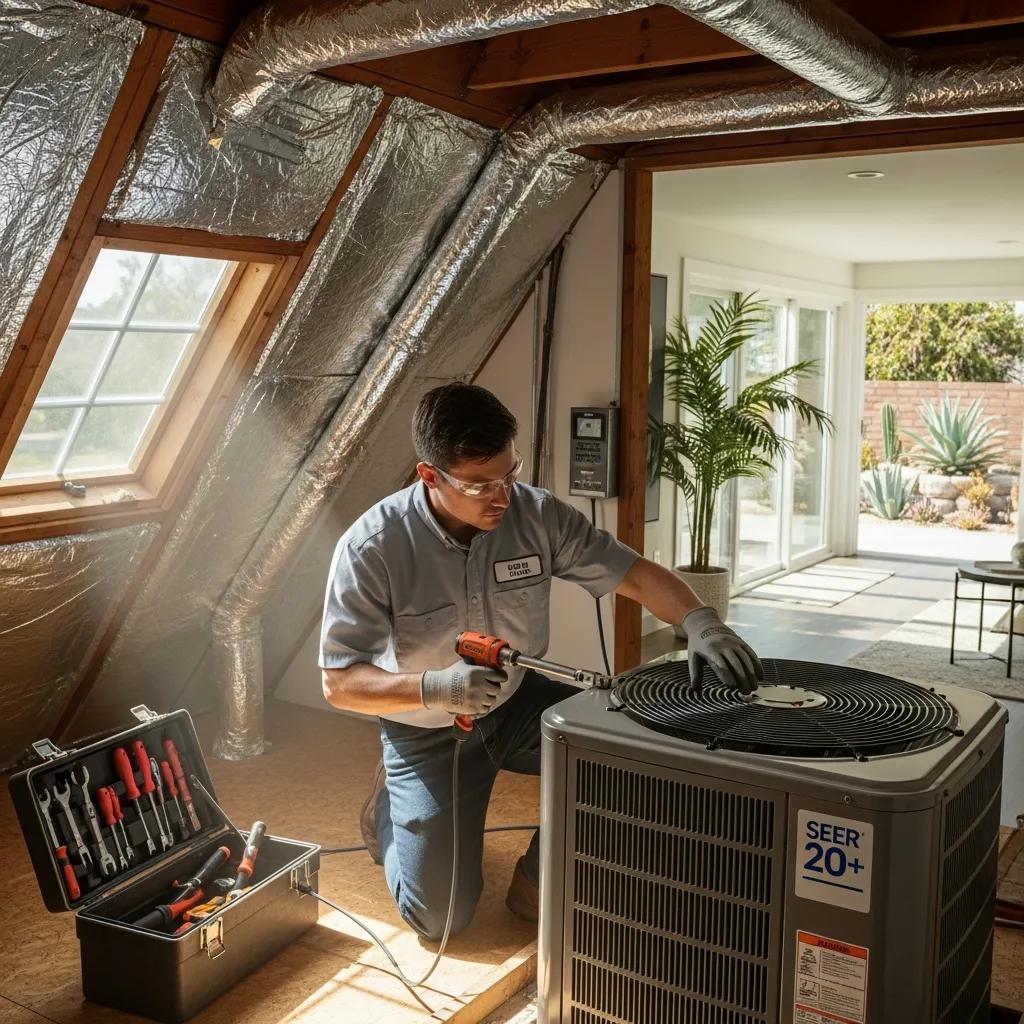
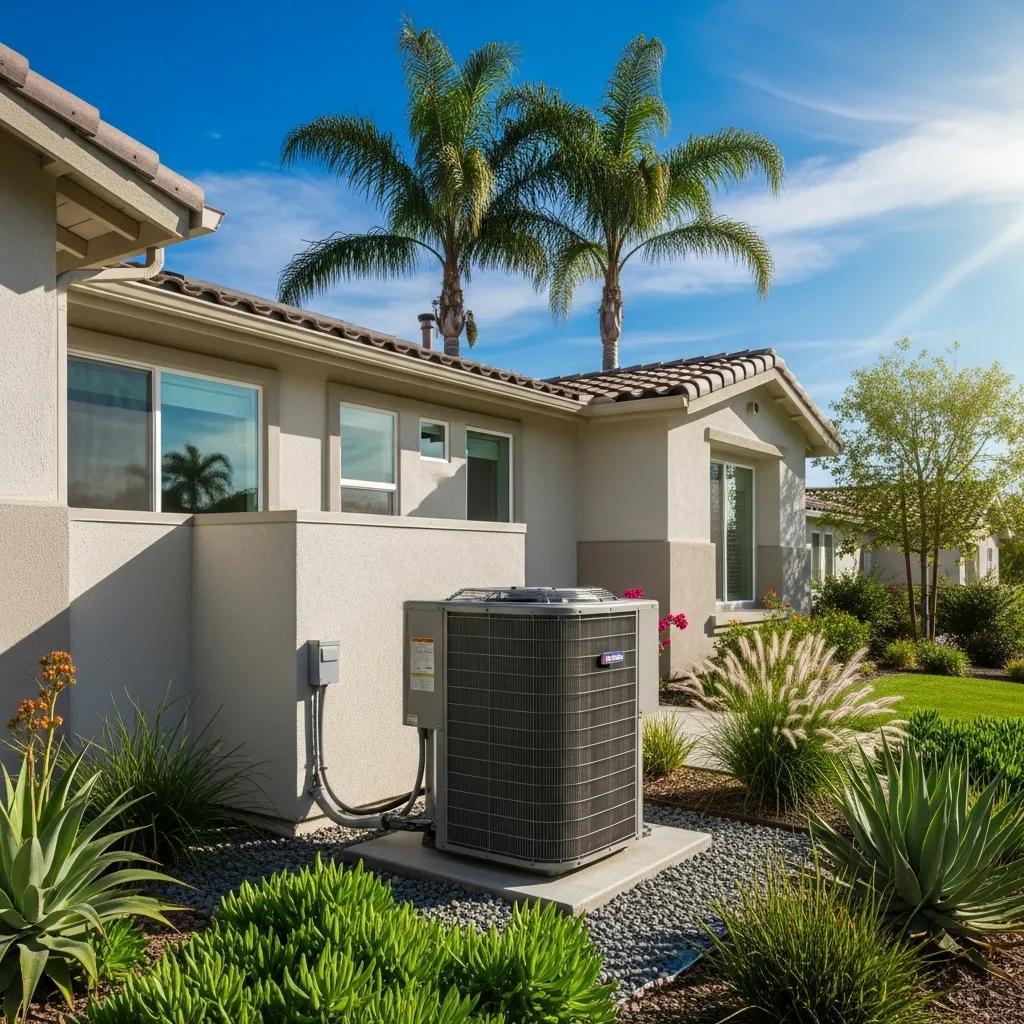
What makes a system ideal for Southern California is the match between equipment, controls, and the neighborhood microclimate—tuned to maximize seasonal efficiency and indoor comfort. The right choices reduce runtime, control coastal humidity, and avoid inland oversizing that causes short-cycling—delivering lower energy use and steadier comfort. Key components include high-SEER and high-HSPF heat pumps, variable-speed compressors, and smart thermostats that adapt to daily temperature swings and occupancy. Installation practices that matter are duct sealing, right-sizing, and zoning; each reduces distribution losses and improves perceived comfort. These engineering choices set the stage for microclimate-specific recommendations and the efficiency features that produce measurable savings for local homes.
Baker Home Energy’s regional focus helps homeowners select systems and contractors familiar with local building types and incentive programs. Next, we’ll look at how climate differences around Southern California change the best system choice.
How Does Local Climate Suitability Enhance Baker’s HVAC Performance?
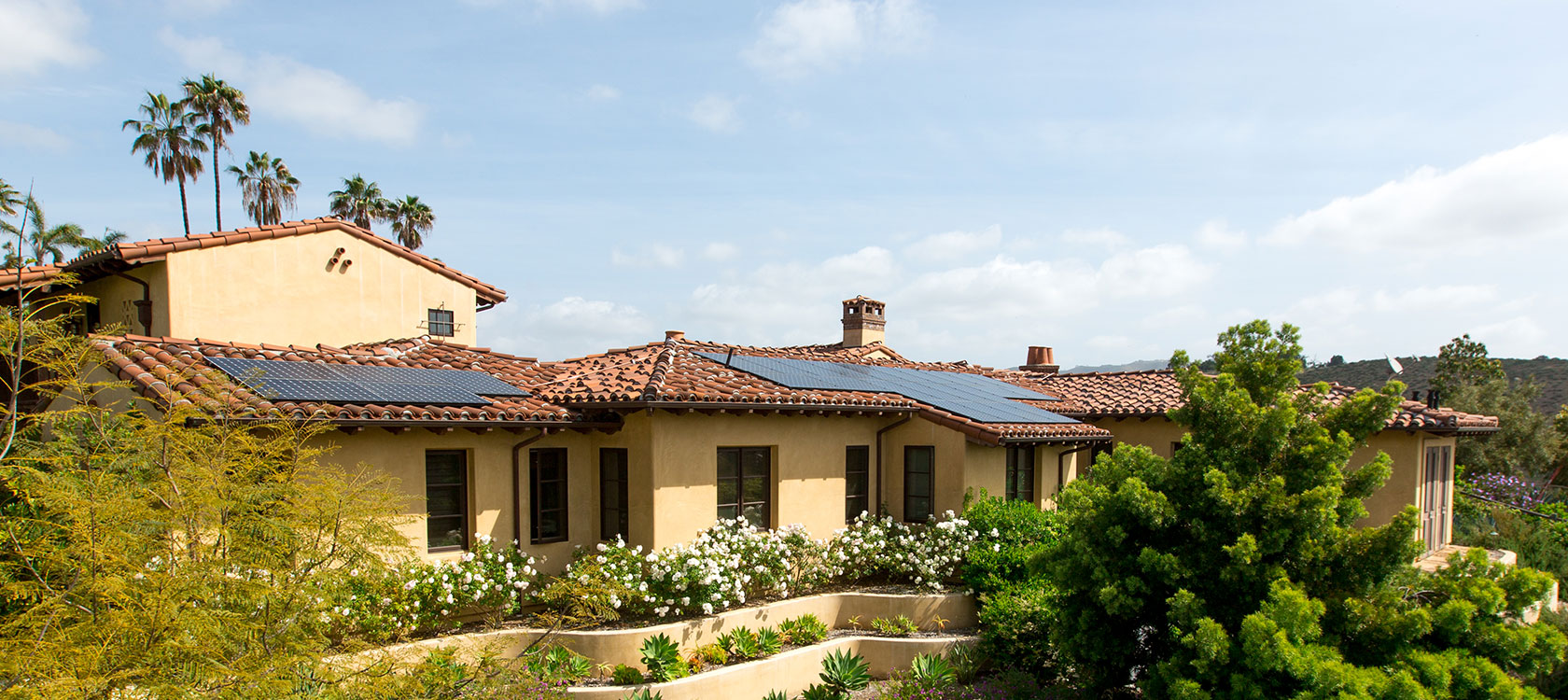
Local climate suitability means selecting and tuning HVAC systems to match conditions like coastal humidity, inland heat spikes, and mountain diurnal swings—factors that directly affect runtime and comfort. Coastal homes need strong dehumidification and corrosion-resistant components; systems with modulating compressors and good latent-capacity control remove moisture without overcooling. Inland homes face higher sensible loads, so higher-SEER equipment and careful airflow balancing prevent short cycles and hold steady temperatures. Cooler, elevated areas often benefit from heat-pump-first strategies because modern heat pumps provide efficient heating without a separate furnace. Picking the right system for each microclimate lowers energy use, extends equipment life, and reduces maintenance needs.
- Coastal homes often prioritize humidity control and corrosion-resistant components.
- Inland homes prioritize higher sensible cooling capacity and balanced airflow.
- Elevated or shaded properties often benefit from heat-pump-first strategies.
Those microclimate matches lead into the specific energy-efficiency features that deliver the savings.
What Energy Efficiency Features Distinguish Baker Home Energy Systems?
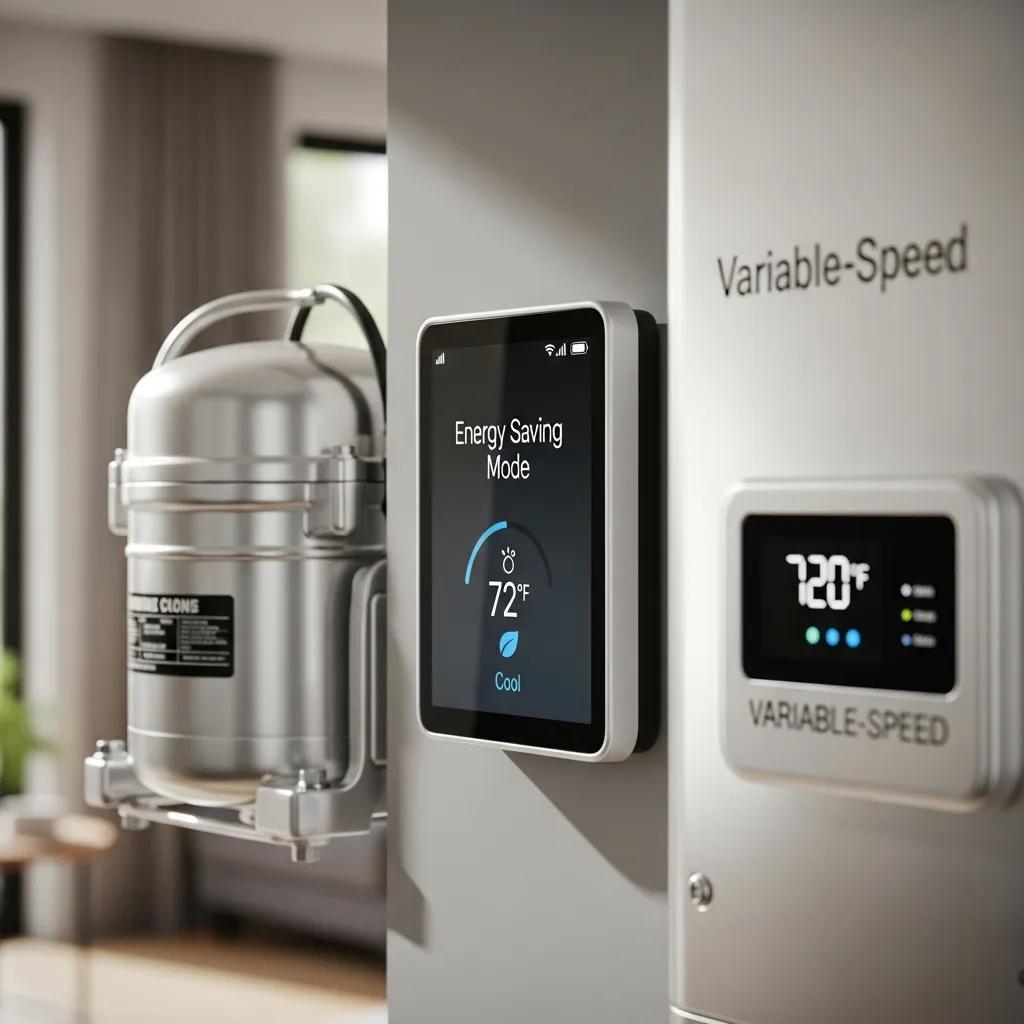
Efficiency features set high-performing systems apart by controlling how and when equipment runs to meet load, cutting wasted energy and improving comfort. Variable-speed compressors modulate capacity to hold steady temperatures and reduce short cycles, often lowering energy use by notable percentages in mixed-load climates. Zoning and smart thermostats confine conditioning to occupied spaces, shrink runtime, and enable schedules that align with solar production or time-of-use rates. Duct sealing and efficient air handlers reduce distribution losses, and heat-pump compatibility raises seasonal heating and cooling efficiency. Each feature maps to a measurable mechanism for savings and comfort improvement.
The table below summarizes feature-to-benefit mappings with illustrative impact scenarios.
Different efficiency features translate into distinct energy reductions and comfort improvements.
How Do Baker Home Energy HVAC Products Compare to Other Leading Brands?
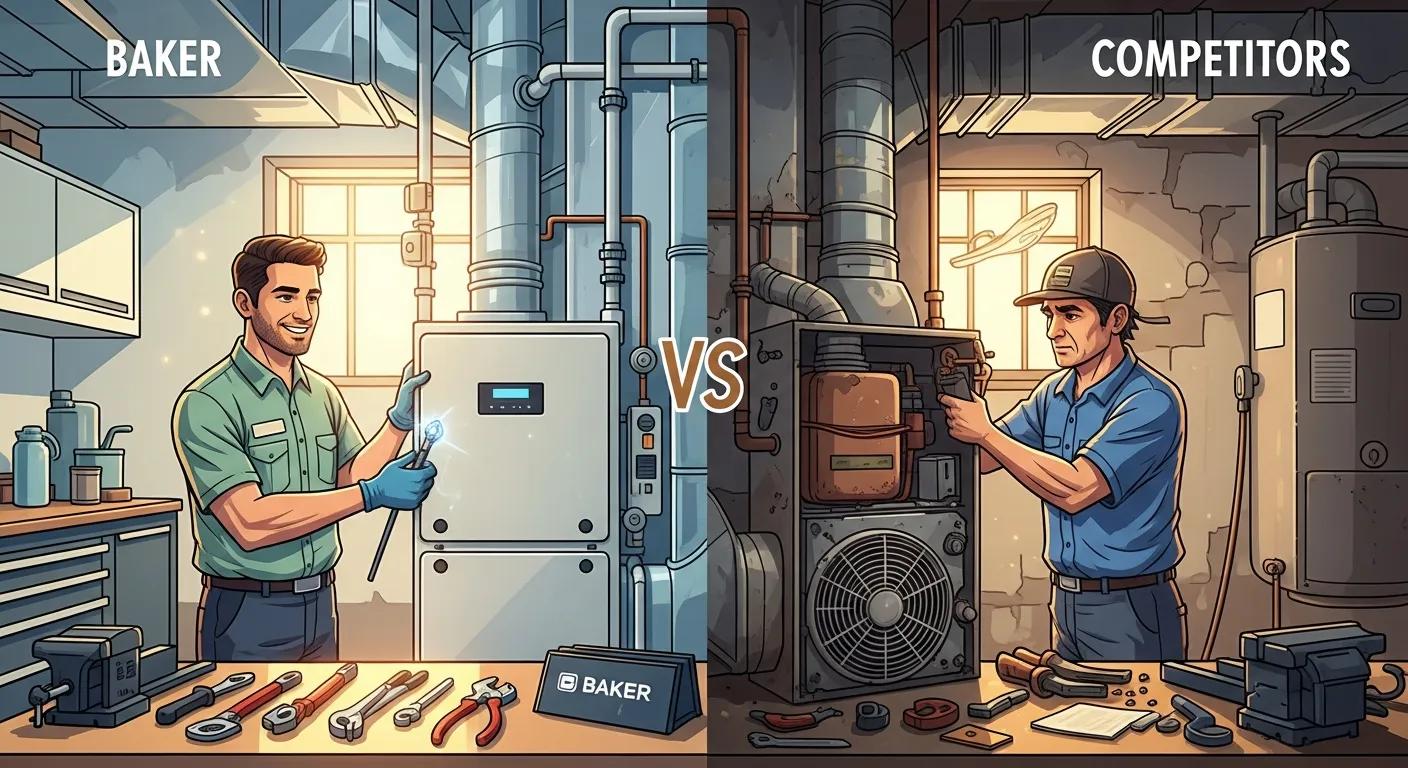
Comparing Baker Home Energy offerings to conventional options comes down to objective metrics: SEER/HSPF ratings, expected lifespan, warranty terms, and estimated annual operating cost. An evidence-focused comparison examines efficiency for ducted central AC, ductless mini-splits, and variable-speed systems, then converts those ratings into likely annual kWh savings for typical Southern California use. Total cost of ownership must include installation quality—right-sizing and duct upgrades can change lifetime operating cost more than equipment choice alone. Warranty scope and local service responsiveness also shift the effective value homeowners receive.
The compact table below gives model-level attribute estimates showing relative efficiency, lifespan ranges, warranty coverage, and estimated annual savings under typical local loads.
Below is an at-a-glance comparison of representative system types and their attributes.
What Are the Key Differences in Energy Savings and Cost Efficiency?
Differences in savings come from two main places: seasonal equipment efficiency and installation quality. A higher-SEER heat pump lowers annual kWh by reducing compressor energy per BTU delivered, while variable-speed operation trims cycling losses during the partial-load conditions common here. Converting SEER/HSPF gains into dollars depends on your local electricity rate and usage, but typical scenarios show that moving from a 10 SEER legacy unit to a 20 SEER variable-speed heat pump can cut cooling energy roughly 30–50%, with actual payback depending on rebates and financing. Payback improves further when duct upgrades reduce distribution losses and when smart controls sync operation to occupancy and time-of-use rates.
- Baseline upgrade scenario: Replacing a 10–12 SEER system with an 18–22 SEER heat pump commonly produces a 4–8 year simple payback when combined with rebates.
- Controls plus ducting: Adding zoning and duct sealing typically lowers operating costs further, shortening payback by 1–3 years.
- Behavioral factors: Smart thermostats and occupant habits determine realized savings; automated setbacks and occupancy sensing deliver the most consistent gains.
These scenarios show why pairing efficient equipment with quality installation matters more than equipment choice alone.
How Do Product Lifespan and Warranty Periods Compare?
Lifespan and warranty affect long-term value: longer-lived systems with broader coverage reduce total cost of ownership. Typical lifespans vary by system and maintenance: ducted central systems often reach 12–18 years with proper care, while well-maintained mini-splits and variable-speed heat pumps can reach 15–22 years. Warranty scopes vary—many manufacturers include multi-year compressor and parts coverage, while labor and controls may have different terms; extended warranties or service plans can close those gaps. Regular maintenance—filter changes, coil cleaning, refrigerant checks—both extends life and preserves efficiency.
We recommend annual professional tune-ups and homeowner filter checks every 1–3 months; following these intervals protects warranty eligibility and avoids premature failures.
What Is the Installation and Maintenance Process for Baker Home Energy HVAC Systems?
Installation and maintenance start with a thorough site assessment: heat load, duct condition, insulation levels, and occupancy patterns inform right-sizing and equipment choice. A reputable installer will run Manual J load calculations, inspect and test ducts, and recommend zoning or ductless solutions to match the home’s layout and microclimate. Proper installation includes correct refrigerant charge, airflow balancing, and commissioning of controls so systems perform at their rated efficiency. Routine maintenance—filter replacement, coil cleaning, and refrigerant checks—keeps systems within design parameters and preserves both efficiency and warranty coverage.
- Pre-installation steps include inspection, load calculations, and a written proposal.
- Installation steps include ductwork sealing, proper refrigerant charging, and commissioning.
- Post-installation includes homeowner orientation and a recommended maintenance schedule.
How Does Customized Installation Improve Home Comfort?
Customized installation improves comfort by matching equipment to the home’s real thermal load and airflow, preventing problems from oversized or undersized systems. Right-sizing keeps systems in efficient duty cycles, while correct duct sizing and sealing reduce hot or cold spots and noise. Zoning with dampers or multiple indoor units lets you condition only the spaces you use—so bedrooms and living areas can hold different setpoints without running the whole system. During installation, airflow balancing and smart thermostat placement ensure sensors reflect typical occupancy, not local hot or cool patches.
Homeowners should expect a site-visit checklist covering load calculations, duct inspection, thermostat recommendations, and a commissioning report after installation; these steps connect directly to the routine maintenance practices that sustain performance.
What Maintenance Tips Ensure Optimal System Performance?
Routine maintenance keeps systems delivering rated efficiency and comfort while preventing failures that raise lifecycle costs. Replace or clean filters every 1–3 months depending on occupancy and pets, keep outdoor units free of debris, and schedule professional tune-ups annually to check refrigerant charge, clean coils, test safety controls, and lubricate moving parts. An annual service typically includes airflow measurement, electrical checks, and thermostat calibration and control logic verification. Call a technician if you hear unusual noises, see rising energy bills without usage changes, or notice uneven room temperatures.
- Homeowner tasks: Replace filters, keep clear airflow, and monitor system performance monthly.
- Professional tasks: Annual tune-up with refrigerant and airflow verification.
- When to call: Persistent temperature drift, strange noises, or error codes.
Consistent maintenance preserves warranty eligibility and protects the long-term efficiency gains described above.
Which Financing Options and Local Rebates Are Available for Baker Home Energy HVAC?
Southern California homeowners can access several financing and rebate pathways that lower upfront cost and improve payback for efficient HVAC upgrades. Common program types include utility rebates for high-efficiency equipment, state and local incentives for heat pumps and electrification, and installer-partner financing with low-interest or deferred-payment plans. Stacking rebates, tax incentives, and financing reduces net installed cost and can turn long payback timelines into near-term wins. To evaluate options, identify eligible programs, secure any required pre-approvals, and document installations with certified contractors to support rebate claims.
The table below summarizes typical rebate and financing types with eligibility and expected impact so homeowners can estimate net cost.
Below is a compact reference for rebate and financing options and their typical impact.
How Can Southern California Homeowners Benefit from Energy Rebates?
Rebates reduce your net upfront cost and shorten payback timelines. The typical workflow is straightforward: identify eligible programs and confirm requirements (some require pre-approval or a program-participating contractor), schedule installation with a certified contractor, collect required installation documentation, and submit rebate paperwork promptly. Some programs pay the contractor directly at point-of-sale, which simplifies the process for homeowners.
- Typical workflow: Check eligibility → Pre-approve if required → Install with certified contractor → Submit documentation.
- Common tips: Ask for itemized invoices, confirm equipment is on program lists, and keep commissioning reports.
- Timing note: Rebates can have funding limits and windows—plan early to improve your chances.
What Financing Plans Support Affordable HVAC Upgrades?
Financing ranges from short-term zero-interest offers to multi-year low-interest loans; the right choice depends on your cash flow and long-term savings goals. Installer-partner financing spreads cost over monthly payments while energy savings begin immediately. Longer loans lower monthly payments but increase total interest; short promotions minimize interest but require credit qualification. Lenders typically consider credit, property type, and project scope—pair financing with rebates and estimated energy savings to see your net monthly cost versus current utility spending.
- Short-term low/no-interest: Best if you can pay quickly and avoid long interest accrual.
- Longer-term low-interest loans: Useful when monthly budget matters more than total interest paid.
- On-bill or utility-linked programs: Payments tied to your utility bill or property can simplify repayment.
Choosing the right finance plan is a practical step that complements your technical decisions and helps make upgrades affordable while delivering the expected savings.
What Do Customers Say About Baker Home Energy HVAC Products?
Real customer feedback and measurable success stories help homeowners judge claims about savings and comfort. Local reviews often emphasize installation quality, responsiveness, and clarity around savings estimates—these factors most influence homeowner satisfaction. Short, quantified case snapshots—describing the problem before the upgrade, the chosen solution, and realized savings—give relatable evidence of performance. When you evaluate reviews, focus on consistent metrics like reported kWh or dollar savings, changes in comfort, and responsiveness to service requests.
Baker Home Energy’s local presence and lead-generation focus position us to collect and surface these outcomes for Southern California homeowners—ask for quantified estimates and recent local examples when comparing installers.
Which Success Stories Highlight Energy Savings and Comfort?
Short success snapshots show how targeted choices produce measurable results: a coastal bungalow that replaced an oversized legacy unit with a variable-speed heat pump and sealed ducts might report better humidity control and a 25% drop in cooling energy; an inland two-story that upgraded to a high-SEER ducted system with zoning could see steadier temperatures and a 30–40% reduction in peak summer use. Each story follows the same pattern: problem (poor comfort/high bills), solution (right-sized equipment + controls/duct work), outcome (measured energy reduction and improved comfort). These concrete examples help set realistic expectations for your home and climate zone.
When reviewing cases, focus on home type, installed system, and measured outcomes to judge relevance to your property.
How Do Customer Reviews Compare Across Southern California HVAC Providers?
Across the market, review themes cluster around installation quality, accuracy of savings projections, post-installation service, and warranty handling—these matter more than brand alone. Positive reviews point to clear sizing explanations, thorough commissioning, and timely warranty support. Complaints commonly involve poor airflow balance, unmet savings because ductwork was ignored, or slow service response. Prioritize providers who document load calculations, deliver commissioning reports, and assist with rebates as part of the installation package.
- Look for documentation: Load calculations and commissioning reports show professional rigor.
- Check service responsiveness: Fast warranty and maintenance response preserves comfort and savings.
- Validate savings claims: Ask for examples of measured outcomes, not just theoretical estimates.
Using these criteria will help homeowners pick installers and systems that deliver lasting comfort and verified savings.
Frequently Asked Questions
What are the benefits of using smart thermostats with HVAC systems?
Smart thermostats improve both efficiency and convenience. They learn your schedule and preferences, automate temperature adjustments, and help cut unnecessary run time—typically delivering 5–15% annual energy savings depending on behavior. Remote control via smartphone apps lets you adjust settings when you’re away, and many models integrate with other home systems or time-of-use pricing to reduce costs further. For most homes, a smart thermostat is a small upfront upgrade with ongoing savings and better comfort.
How can homeowners ensure their HVAC system is properly sized?
Correct sizing starts with a professional Manual J load calculation, which accounts for square footage, insulation, windows, orientation, and local climate. Hire a qualified technician to run the calculation—oversized systems short-cycle and underperform, while undersized units can’t keep up on hot days. Ensuring the system is right-sized improves efficiency, reduces wear, and gives you the comfort levels you expect.
What are the common signs that an HVAC system needs maintenance?
Watch for unusual noises (grinding, rattling), rising energy bills with steady usage, uneven room temperatures, and frequent on/off cycling—these are signs maintenance may be needed. Regular filter changes and annual professional inspections catch many issues early. If you notice warning lights, persistent odors, or visible refrigerant leaks, contact a technician promptly to avoid larger repairs.
What types of financing options are available for HVAC upgrades?
Financing options include low-interest loans, zero-interest promotions, on-bill financing, and installer-partner payment plans. Utilities and government programs may add rebates or incentives that reduce the net cost. Installer financing often spreads payments over months or years so immediate energy savings help offset payments. Compare terms—interest rate, length, and fees—so you pick the plan that best fits your budget and savings timeline.
How do local climate conditions affect HVAC system performance?
Local climate drives equipment choice and tuning. Coastal homes need systems with good dehumidification and corrosion-resistant parts; inland homes need higher sensible cooling capacity and balanced airflow; elevated areas often do well with heat-pump-first systems. Systems tailored to your microclimate run less, last longer, and keep comfort more consistent—matching equipment and controls to local conditions pays off in both comfort and lower bills.
What maintenance practices can extend the lifespan of an HVAC system?
To extend lifespan, replace or clean filters every 1–3 months, keep outdoor units free of debris, and schedule annual professional tune-ups. During tune-ups, technicians should check refrigerant levels, clean coils, inspect electrical components, and verify airflow and thermostat calibration. Address small issues quickly—doing so prevents them from becoming costly failures and helps preserve efficiency over the system’s life.
What should homeowners consider when comparing HVAC brands?
Compare SEER/HSPF ratings, expected lifespan, warranty terms, and real-world service experience. Consider total cost of ownership—including installation quality, ductwork condition, and maintenance needs—rather than price alone. Read case studies or testimonials showing measured outcomes, and favor contractors who provide load calculations, commissioning reports, and rebate assistance. That documentation separates confident promises from verifiable results.