Why Baker Home Energy is the right choice for HVAC in Southern California
If you live in Southern California and want lower energy bills and steadier indoor comfort, we design and install HVAC systems that are built for this climate. Baker Home Energy focuses on energy‑efficient equipment, precise installation, and practical maintenance—so you see measurable savings and better daily comfort. This page walks you through what to look for in a heating and cooling contractor, how modern systems perform in a sun‑soaked region, and which incentives and maintenance steps shorten your payback. Many homeowners wrestle with uneven rooms, high cooling demand, and confusing rebate paperwork; the right outcome starts with the right system, expert installation, and follow‑up service. Read on for clear decision points—system types, SEER and heat‑pump guidance, controls and smart integrations—plus checklists and stepwise processes that make comparing proposals straightforward and show how Baker Home Energy supports you through every phase.
What makes Baker Home Energy the top local choice for HVAC installation?
A top contractor combines local climate know‑how, clear proposals, and a focus on efficiency—exactly what we offer. Proper installations start with accurate load calculations, right‑sized equipment, and attention to ducts and controls so systems run less and perform better. In Southern California, cooling‑first sizing, correct refrigerant charge, and optimized airflow matter more than in milder areas—installers who understand those details deliver superior results. Below are the practical reasons homeowners choose a local, energy‑first approach when comparing contractors.
- Deep Southern California climate experience that pairs equipment to cooling‑dominant loads.
- Personalized quotes built from load calculations, duct inspections, and rebate eligibility.
- Energy‑saving equipment and sensible smart integrations that shorten runtime.
- Clear warranty support and service plans focused on preserving efficiency and fast response.
Those strengths—technical skill combined with homeowner‑centered processes—create more consistent comfort and lower operating costs. The next section explains the quote workflow you should expect when requesting a custom proposal.
How Baker Home Energy creates personalized HVAC service quotes
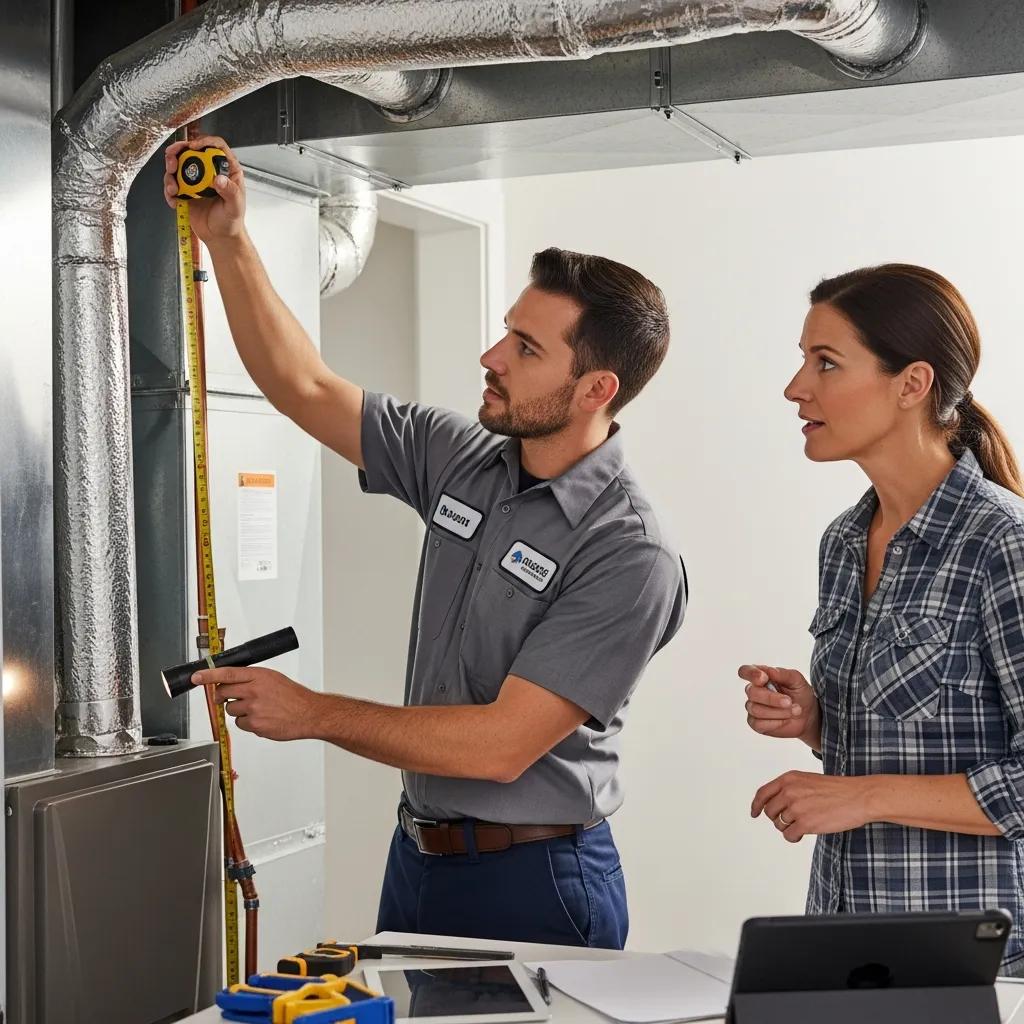
Our quote process starts with an on‑site visit or virtual walk‑through where a technician documents the home layout, inspects ductwork, and reviews existing equipment to complete a load calculation. From there we match the right system and control strategy to your priorities—efficiency, budget, and zoning. Every proposal shows equipment options, expected efficiency (SEER/HSPF where relevant), labor, permit requirements, and likely rebate impacts so you can see net cost. Typical timelines: initial contact, assessment within days, and a written proposal in one to two weeks. Having recent utility bills, attic access, and notes about any duct issues speeds the process and sets realistic performance expectations.
What local expertise we bring to Southern California homeowners
Our local expertise centers on high cooling loads, wide daily temperature swings, and regional building styles that affect duct runs and system performance. That knowledge informs SEER selection, refrigerant matching, and duct sealing priorities—items that have outsized effect on annual cooling use here. The result: fewer hot spots, lower peak demand, and improved humidity control when systems are specified and commissioned correctly. We also handle permitting and common rebate pathways so installations move faster and with less paperwork. That regional understanding helps balance upfront cost, long‑term savings, and comfort for typical Southern California homes.
How Baker Home Energy’s heating and cooling services improve your home comfort
We improve comfort by matching system capacity and distribution to your home’s thermal profile—accurate load calculations, duct optimization, and upgraded controls stabilize temperature and humidity. Correct sizing reduces short cycling, duct sealing improves delivery, and modern controls keep setpoints more consistent room‑to‑room. Upgrades also boost filtration and lower airborne particulates, which improves perceived comfort and indoor air quality. Here are the primary benefits homeowners notice after a professional install and commissioning.
- More even temperatures across rooms thanks to correct sizing and airflow balancing.
- Better humidity control and cleaner air with modern equipment and filtration.
- Lower runtime and less energy waste from properly matched, efficient components.
Those benefits tie directly to heating work, where reliability and safety are extra important.
Benefits of professional heating installation
Professional heating installation increases efficiency, reliability, and safety by ensuring systems are sized to the building envelope, vented and controlled correctly, and tested for safe operation. Proper installs reduce cold spots and unnecessary cycle starts, lowering energy use and component wear. Certified practices also include safety checks—combustion and venting inspections where relevant—that protect occupants. Careful commissioning typically extends equipment life and cuts emergency repairs, making professional installation a better long‑term value than patchwork fixes. For homeowners, that translates to fewer service calls and steadier heat when you need it.
How cooling installation improves home efficiency
Cooling efficiency comes from accurate load calculations, choosing the right SEER‑rated equipment, correct refrigerant charge, and fixing duct leakage and airflow imbalances during commissioning. Each of those steps reduces compressor runtime and moves cooling where it’s needed, which lowers kilowatt‑hours during peak months. In Southern California, pairing a high‑efficiency condenser with a well‑sealed duct system can noticeably cut monthly cooling bills and stabilize thermostat behavior. Proper commissioning—measuring static pressures and airflow—turns rated efficiency into real‑world savings and consistent comfort throughout the house.
Why energy‑efficient HVAC systems matter in Southern California
Energy‑efficient HVAC is essential here because long cooling seasons and high peak loads drive operating costs and environmental impact. Savings come from reduced electricity use via higher SEER or HSPF units, heat pump technology where appropriate, and smarter controls that limit runtime during peak price periods. Beyond lower bills, efficient systems reduce greenhouse gas emissions and can increase resale value by showing modern, low‑cost operation. The table below compares common system types, their efficiency measures, and estimated annual savings to help you weigh options for your home.
Different system types have distinct efficiency and installation trade‑offs for typical Southern California homes.
That comparison clarifies tradeoffs between installation complexity and annual savings and leads into how efficient systems lower costs and environmental impact.
How efficient HVAC systems cut costs and emissions
Higher‑efficiency HVAC reduces operating costs by lowering electricity needed for the same comfort—higher SEER/HSPF means fewer kilowatt‑hours. Savings come from less compressor runtime, better heat exchange, and smarter controls that avoid waste during unoccupied times. Lower energy use also reduces upstream emissions tied to electricity generation, helping homeowners shrink their carbon footprint. Recent shifts toward heat pumps and smart thermostats (2023–2025) amplify these benefits by enabling demand response and seasonal gains. For example, replacing an old central AC with a higher‑SEER unit plus duct sealing often produces a payback in a few years when you include local incentives and lower utility bills.
Smart HVAC technologies we integrate
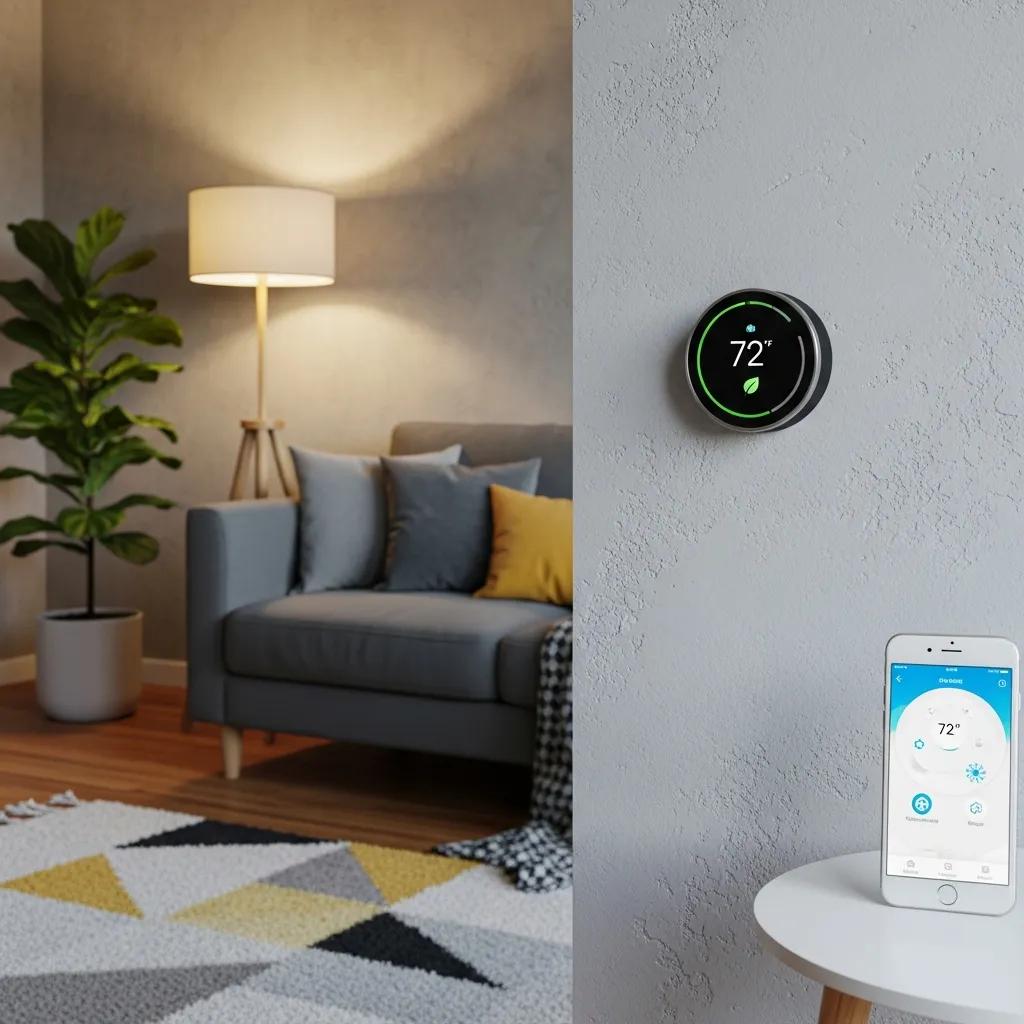
Smart HVAC tech—learning thermostats, zoning, remote monitoring, and diagnostics—reduces energy use and improves comfort by matching system output to occupancy and room needs. These systems collect environmental and usage data, then adjust setpoints and equipment staging to minimize runtime while keeping you comfortable. Zoning conditions only occupied areas, lowering total load and increasing perceived comfort. Remote monitoring flags performance drift early—low refrigerant charge or clogged filters—so we can take action before comfort suffers. These integrations reflect what homeowners ask for today: convenience, energy savings, and fewer surprises.
What rebates and savings are available for HVAC installs in Southern California?
You can lower upfront HVAC costs with state and utility rebates, equipment incentives, and federal or local programs that reward efficient AC and heat pump installs. Accessing those savings means confirming eligibility, choosing qualifying equipment (ENERGY STAR or minimum SEER thresholds), and submitting required documentation—often with installer help. The table below summarizes common rebate types and typical homeowner requirements so you can see where savings are easiest to access.
These incentives lower net cost and shorten payback. The next section explains the typical steps to secure rebates.
How homeowners access local energy rebate programs
Getting rebates is a stepwise process: find current programs, confirm qualifying equipment, gather documentation, submit applications, and track approvals—installers often handle much of this. Start by checking local utility and state program portals, then request spec sheets and invoices from your installer to support claims. Common paperwork includes model numbers, installation dates, and contractor signatures; some programs require pre‑approval. Using an installer who assists with paperwork streamlines timelines and reduces missed opportunities. If you prefer to submit yourself, collect required documents ahead of time and watch program deadlines.
- Identify active utility and state rebate programs for your address and project.
- Confirm equipment eligibility by checking SEER/HSPF or ENERGY STAR requirements.
- Collect installation paperwork, model numbers, and invoices, then submit per program instructions.
Following these steps increases the chance of receiving incentives and lowers your overall project cost.
Typical cost breakdown for HVAC installation services
Installation costs usually divide into equipment, labor, permits, ductwork fixes, disposal, and optional control or zoning upgrades—each affects the final price. Equipment varies by system (central AC, heat pump, ductless), with higher‑efficiency models costing more up front but saving on operation. Labor depends on complexity and access, while permits and inspections add predictable fees. Poor duct condition or difficult access can be major cost drivers. The table below outlines common cost components and the variables homeowners should expect.
This breakdown highlights where dollars buy the most value—efficient equipment and duct integrity—helping you make smarter choices when comparing contractors.
How Baker Home Energy keeps customers satisfied with maintenance and service plans
Regular maintenance preserves efficiency and prevents the gradual performance decline that raises energy use and repair needs. We emphasize scheduled tune‑ups, priority service, and clear response processes to protect comfort and value. Routine visits catch wear early, restore proper refrigerant charge and airflow, and replace filters so systems stay near designed efficiency. Tiered maintenance plans offer different visit frequencies and services so you can pick the protection level that fits your budget and risk tolerance. The table below illustrates sample plan tiers, visit cadence, and typical customer benefits.
Higher‑tier plans trade higher recurring cost for lower risk and longer equipment life. The sections that follow explain maintenance benefits and common testimonial themes.
Benefits of regular HVAC maintenance
Regular maintenance keeps systems efficient, improves indoor air quality, and cuts the chance of costly breakdowns by fixing small problems before they grow. Practical steps—coil cleaning, refrigerant verification, airflow checks—restore designed performance and prevent excessive cycling that shortens component life. Homeowners notice steadier temperatures, lower energy bills, and fewer emergency repairs when systems receive scheduled attention. We typically recommend annual cooling checks and annual heating checks, with more frequent visits for older systems or homes with air‑quality concerns. Consistent maintenance protects your investment and preserves comfort year‑round.
What customers say about our service
Customer feedback routinely highlights our responsiveness, workmanship, pricing clarity, and measurable savings after installs and tune‑ups—consistent signs of dependable service. While individual reviews vary, common themes include faster response times, clearer proposals, and noticeably improved comfort post‑installation. One micro‑case: a homeowner replaced an aging central unit and sealed ducts, then reported fewer hot spots and a clear monthly bill drop in the first cooling season. Those outcome‑focused stories underline the value of professional installation plus regular maintenance.
- Responsiveness: Timely scheduling and clear communication reduce homeowner uncertainty.
- Workmanship: Careful installation and commissioning deliver steady comfort.
- Transparency: Straightforward quotes and rebate explanations help homeowners compare options.
Frequently Asked Questions
What should I consider when choosing an HVAC system for my Southern California home?
Focus on home size, local climate, and your day‑to‑day heating and cooling needs. Prioritize systems with strong SEER ratings for cooling efficiency and make sure equipment is sized correctly to avoid short‑cycling. Match system type to your home—central AC for good ducts, ductless mini‑splits for rooms without ducts, or heat pumps where winters are mild. A local expert can translate those factors into the best option for your layout and budget.
How often should I schedule HVAC maintenance for optimal performance?
At minimum, schedule annual maintenance for both cooling and heating systems. Seasonal checks keep systems running efficiently and catch issues before they escalate. Homes with older equipment or indoor air‑quality concerns often benefit from biannual visits. Regular maintenance preserves efficiency, extends equipment life, and keeps comfort consistent.
What are the signs that my HVAC system needs repair or replacement?
Look for uneven temperatures around the home, unusual noises, rising energy bills, and frequent on/off cycling. If your system is 10–15 years old and needs regular repairs, replacement is often more cost‑effective. Poor indoor air quality or humidity problems are other indicators. A professional assessment will show whether repair or replacement makes the most sense.
Are there financing options available for HVAC installations?
Yes—many contractors, including Baker Home Energy, offer financing to ease upfront costs. Options can include low‑interest loans, payment plans, or promotional deferred‑interest offers. Discuss financing during your consultation to find terms that fit your budget. Combine financing with local and federal rebates to make energy‑efficient upgrades more affordable.
How can I improve the energy efficiency of my existing HVAC system?
Start with regular maintenance—change filters, clean coils, and verify airflow. Install a programmable or smart thermostat to manage schedules and reduce waste. Seal ductwork and improve insulation to limit energy loss. For older systems, consider retrofits or a full replacement with more efficient equipment to gain the biggest savings.
What types of HVAC systems are best suited for Southern California’s climate?
Cooling efficiency is the priority here. High‑SEER central AC works well for homes with good duct systems. Ductless mini‑splits are excellent for additions or houses without ducts, providing targeted, efficient cooling. Heat pumps are also effective, especially where winters are mild. A local assessment will recommend the best system for your needs and home layout.