The best way to control your California average electric bill is with solar & home battery from Baker Home Energy.
Does it sometimes feel like your utility company is plugged directly into your wallet? Well, you are not alone. Energy prices for CA consumers are consistently among the highest in the US, and are likely to continue rising in the foreseeable future. So why are California’s electric bills so high?
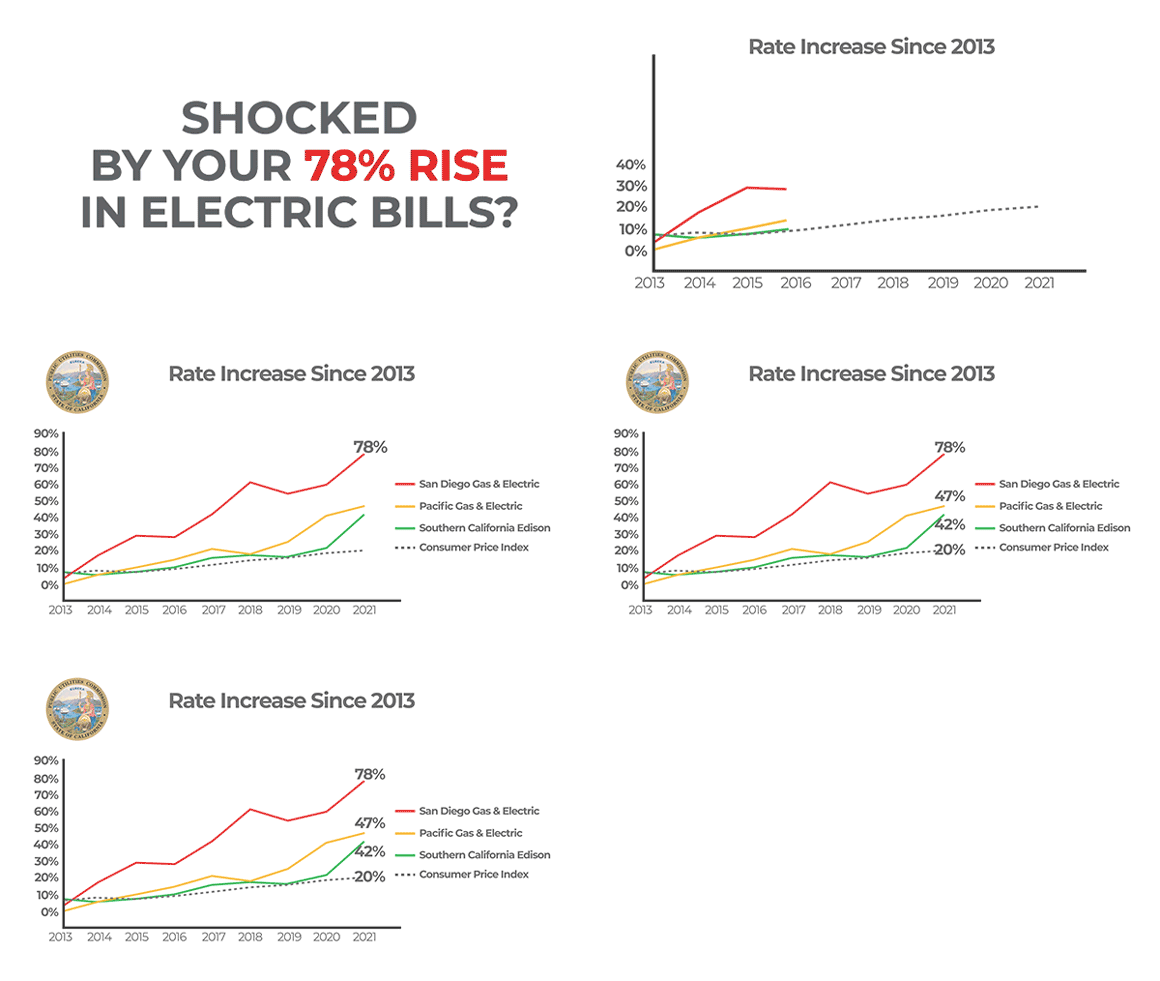
Electric Rates increased 78% between 2013-2021, 16% in 2022, and 14% in 2023! They’re scheduled to increase 17.6% in 2024, 10.5% in 2025, 9.2% in 2026, and 7.7% in 2027.
Knowing some of the factors behind high electric bills and price hikes can help you understand why the average California has such a high cost of electricity. Beyond mere understanding, this information also demonstrates why now is the ideal time to explore ways to mitigate or eliminate these uncontrollable costs from your budget.
Why Does Electricity Cost So Much?
For the last 140 years, electric production in the US has relied on a diminishing supply of fossil fuels—coal, oil, and natural gas—as well as nuclear power plants and hydroelectric facilities. The past 15 years, however, have seen a significant increase in consumers using renewable sources for residential energy, including solar, wind, biomass, and geothermal.
Despite the increase in renewable energy, consumers still pay more for electricity every year, regardless of the source utilities employ. While this applies to the US as a whole, the same trend is reflected across the states, including here in California.
Did you know that since 2019, CA utility rates have increased 11 times? The most recent increase in January of 2022 raised rates by 16%
The utility companies that supply California’s electricity are also known as Investor-Owned Utilities (IOUs), which designates them as corporations driven by profits. They all answer to the California Public Utilities Commission (CPUC), a state regulatory board with five Governor-appointed Commissioners. According to their website, the CPUC works with for-profit utility companies to approve “reasonable” public electricity rates, prevent fraud, and “promote the health of California’s economy.”
According to the California Public Utilities Commission (CPUC), since about 2014 the average electricity cost per month rose exponentially:
PG&E: from 15 to 22¢/KWhr = 47% increase
SDGE: from 16 to 24¢/KWhr = 50% increase
SCE: from 18 to 32¢/KWhr = 78% increase
Factors Driving High Electricity Rates Today
The most significant factors driving high electric bills are:
Taxes (and energy policies): Federal and state incentives and legislation
Individual usage: During peak, off-peak, and off-off-peak hours
Immediate Actions: Make Yourself an Educated Consumer
Fortunately, you can still take actions to mitigate the effects driving the cost of the California average electric bill. The simplest action is to check your online utilities account regularly.
Most people do not review the details of the bill or do not review their bill at all and are surprised by high electric bills when they eventually get to their monthly statement. Many do not check their usage regularly, especially if they set up automatic online payments. To reduce the impact of this costly oversight, you should check your utility account online to see:
When do you use the most electricity?
What rates do you pay during those hours?
Do you know what rate structure you’ve signed up for?
Regularly reviewing your utility account gives you a basic overview of your usage and rates. Consumers in SoCal can choose one plan out of up to seven different options for residential utility rate plans. However, most customers are defaulted by the utility company into one plan, which may not be the right one for you. So, if you don’t know the details of your current plan, you may be missing out on discounts and/or benefits from another plan.
In addition, low-income consumers may qualify for discounts on utility rates up to 35% through the California Alternate Rates for Energy (CARE) program. SoCal families with incomes slightly exceeding CARE guidelines may still qualify for the Family Electric Rate Assistance (FERA) program, which offers an 18% discount.
Best Actions to Counter high California Electric rate Hikes
Moderating home electricity use is the most effective tool residents have against escalating electricity costs. However, this option is not without its limitations.
Install your own renewable energy system. You may be surprised to learn of the wide variety of options now available, including solar shingles, solar roofs, and solar panels, which can be installed on a wide range of roof types, including clay.
Storing your overgeneration in a battery, a residential solar system including a battery gives you considerably more control over your electric bill. Selling this overage back to your utility can help you meet your energy needs and lower your costs.
To ensure you optimize your home solar energy system and reduce your electric bill as much as possible, you should consult a solar expert who will give you the facts about a solar system for your home.
Troubleshoot Heating Problems: Furnace Fixes Made Easy
Our comprehensive furnace diagnostics guide simplifies troubleshooting, ensuring your home stays cozy and warm all winter.
california public utilities commission, southern california edison, san diego gas and electric, sb 254, meredith fowlie, electricity prices, utilities, electric bill, rates, utility, public utilities, energy, electric bills, san diego gas, solar, clean energy, sce, public utilities commission, california public utility commission, california energy, california climate
Frequently Asked Questions
How can I reduce my electric bill in California?
Reducing your electric bill in California can be achieved by installing solar energy systems and home batteries, which help lower energy costs and provide greater energy independence.
What factors contribute to high electricity rates in California?
The factors contributing to high electricity rates in California include increased demand, aging infrastructure, regulatory costs, and reliance on renewable energy sources, which can sometimes lead to higher initial investments.
What are the benefits of installing solar energy systems?
The benefits of installing solar energy systems include significant savings on electricity bills, increased home value, and reduced carbon footprint. Additionally, solar energy provides energy independence and protection against rising energy costs in California.
How does solar energy help in managing electricity costs?
Solar energy helps in managing electricity costs by allowing homeowners to generate their own power, reducing reliance on expensive grid electricity. This leads to lower monthly bills and long-term savings, especially in regions with high energy prices like California.
What options do California residents have to lower their energy expenses?
California residents have several options to lower their energy expenses, including installing solar energy systems, utilizing home batteries for energy storage, implementing energy-efficient appliances, and taking advantage of state incentives and programs aimed at reducing electricity costs.
What are common reasons for high electric bills?
Common reasons for high electric bills include increased energy rates, high usage during peak hours, inefficient appliances, and seasonal demands. Additionally, factors like poor insulation and outdated electrical systems can contribute significantly to escalating costs.
How can solar energy reduce electricity costs?
Solar energy can significantly reduce electricity costs by generating free power from sunlight, lowering reliance on grid electricity. Additionally, solar installations can provide energy savings and potential tax incentives, ultimately leading to lower monthly bills.
What incentives exist for solar energy installation?
Incentives for solar energy installation include federal tax credits, state rebates, and net metering programs, which can significantly reduce upfront costs and enhance savings on electricity bills for California residents.
How do energy efficiency upgrades lower bills?
Energy efficiency upgrades lower bills by reducing the amount of energy required to heat, cool, and power your home. By improving insulation, sealing leaks, and using energy-efficient appliances, you can significantly decrease your overall energy consumption and costs.
What is the average electric bill in California?
The average electric bill in California is approximately $100 to $150 per month, depending on usage and location. This figure reflects the state's high energy costs, prompting many residents to consider solar energy solutions to reduce their expenses.
How can I compare electricity rates effectively?
To compare electricity rates effectively, gather rate information from multiple providers, analyze the pricing structures, and consider factors like plan types, fees, and renewable energy options. This will help you find the most cost-effective solution for your needs.
What are the long-term savings of solar energy?
The long-term savings of solar energy include significantly reduced electricity bills, potential tax incentives, and increased home value. Over time, these factors can lead to substantial financial benefits, making solar installations a wise investment for homeowners.
How does net metering work in California?
Net metering in California allows solar energy system owners to receive credits for excess electricity generated. When your solar panels produce more energy than you use, the surplus is sent back to the grid, reducing future electricity bills.
What are the environmental benefits of solar energy?
The environmental benefits of solar energy include reducing greenhouse gas emissions, decreasing air pollution, and conserving water resources. By harnessing sunlight, solar energy helps mitigate climate change and promotes a cleaner, healthier planet.
How can I find reliable solar installers?
Finding reliable solar installers involves researching local companies, checking customer reviews, and verifying their certifications. Additionally, consult with friends or family for recommendations to ensure you choose a trusted installer for your solar energy needs.
What financing options are available for solar systems?
The financing options available for solar systems include solar loans, leases, and power purchase agreements (PPAs). These options allow homeowners to install solar energy solutions with little to no upfront costs, making renewable energy more accessible.
How do energy storage systems work with solar?
Energy storage systems work with solar by capturing excess energy generated during the day and storing it for later use. This stored energy can then be utilized during nighttime or cloudy days, optimizing energy efficiency and reducing reliance on the grid.
What are peak hours for electricity usage?
Peak hours for electricity usage are the times during the day when demand for electricity is highest, typically occurring in the late afternoon to early evening. During these hours, rates may increase, making it beneficial to reduce energy consumption.
How can I track my energy consumption?
Tracking your energy consumption can be done through several methods. You can use a smart meter, which provides real-time data, or monitor your utility bill for usage trends. Additionally, energy management apps can help you analyze and reduce your consumption effectively.
What role do utility companies play in rates?
Utility companies play a crucial role in determining electricity rates by setting pricing structures based on operational costs, regulatory requirements, and market demand. Their decisions directly impact the overall cost of electricity for consumers.
How can I appeal my electricity bill charges?
To appeal your electricity bill charges, contact your utility provider's customer service, provide details about the disputed charges, and request a formal review. Be prepared to present any supporting documentation to strengthen your case.
What are the latest trends in California energy rates?
The latest trends in California energy rates indicate a significant increase due to rising demand, infrastructure costs, and environmental regulations, prompting many residents to consider solar energy solutions to mitigate these escalating expenses.
How does weather affect electricity usage in California?
Weather significantly influences electricity usage in California. Hotter temperatures lead to increased air conditioning use, while cooler weather can raise heating demands, resulting in higher energy consumption and costs for residents.
What are the benefits of energy audits?
The benefits of energy audits are significant, including identifying energy inefficiencies, reducing utility costs, and enhancing home comfort. They provide tailored recommendations for improvements, ultimately leading to lower energy bills and a smaller environmental footprint.
How can I reduce standby power consumption?
Reducing standby power consumption involves unplugging devices when not in use, using smart power strips, and investing in energy-efficient appliances. These steps can significantly lower your energy bills and enhance home energy efficiency.
What technologies improve home energy efficiency?
The technologies that improve home energy efficiency include solar panels, energy-efficient appliances, smart thermostats, and home insulation systems. These solutions help reduce energy consumption and lower utility bills, making homes more sustainable and cost-effective.
How do time-of-use rates impact my bill?
Time-of-use rates impact your bill by charging different prices for electricity depending on the time of day. Using energy during off-peak hours can help lower your overall costs, while peak hours may result in higher charges.
What are the risks of not using solar energy?
The risks of not using solar energy include continued high electricity costs, reliance on fossil fuels, and increased vulnerability to energy price fluctuations. Additionally, missing out on renewable energy incentives can hinder long-term savings and environmental benefits.
How can community solar programs benefit residents?
The benefits of community solar programs for residents include reduced electricity costs, increased access to renewable energy, and the ability to participate in solar energy generation without needing to install panels on their property.
What are the steps to go solar in California?
The steps to go solar in California include assessing your energy needs, researching solar providers, obtaining quotes, choosing a system that fits your budget, securing financing options, and finally, scheduling the installation of your solar panels.
california energy rates news, california electricity rates news today, california electricity rates news, why is electricity so expensive in california, energy prices in california, california electricity rates highest in us 2024, california electricity rates highest in us 2023, california electricity prices high, california electricity prices highest in us 2023, california electricity prices highest in us 2024
Understanding the Impact of Utility Companies on Electric Rates
The structure of California's electricity market is heavily influenced by Investor-Owned Utilities (IOUs), which operate with profit motives that can affect pricing strategies. These companies often seek to maximize shareholder returns, which may lead to higher electric rates for consumers. Understanding their role is crucial for residents looking to navigate their energy costs effectively.
For instance, the California Public Utilities Commission (CPUC) works with these IOUs to establish what they deem "reasonable" rates. However, this can sometimes result in price increases that do not align with consumer interests. By being informed about how these utilities operate, homeowners can better advocate for their interests and seek alternative solutions, such as solar energy, to offset rising costs.
Exploring Renewable Energy Options Beyond Solar
While solar energy is a popular solution for reducing electric bills, there are several other renewable energy options available to California residents. Alternatives such as wind, biomass, and geothermal energy can also contribute to energy savings and sustainability. Exploring these options allows homeowners to diversify their energy sources and potentially reduce reliance on traditional utilities.
For example, wind energy can be harnessed through small residential wind turbines, while geothermal systems utilize the earth's consistent temperature to provide efficient heating and cooling. By considering a mix of renewable energy solutions, homeowners can create a more resilient energy strategy that not only lowers costs but also supports environmental sustainability.
Evaluating Energy Efficiency Improvements for Your Home
Improving energy efficiency in your home is a vital step in combating high electric bills. Simple upgrades, such as installing energy-efficient appliances, improving insulation, and sealing air leaks, can significantly reduce energy consumption. These changes not only lower utility costs but also enhance overall comfort within the home.
For instance, upgrading to ENERGY STAR-rated appliances can lead to substantial savings over time. Additionally, implementing smart home technology, such as programmable thermostats, allows homeowners to optimize their energy usage based on their schedules, further contributing to reduced electricity expenses.
The Role of Government Incentives in Solar Adoption
Government incentives play a critical role in promoting solar energy adoption among California residents. Programs such as tax credits, rebates, and grants can significantly lower the upfront costs of solar installations, making it more accessible for homeowners. Understanding these incentives is essential for maximizing the financial benefits of switching to solar energy.
For example, the federal solar investment tax credit (ITC) allows homeowners to deduct a percentage of their solar installation costs from their federal taxes. Additionally, state-specific programs may offer further financial assistance or incentives for energy efficiency upgrades. By leveraging these opportunities, homeowners can make informed decisions about their energy investments and enjoy long-term savings.