What are SDG&E Smart Meters and what does it mean for your electric bill?
By Jeremy Smith, Baker Home Energy
SDG&E smart meters represent a significant advancement in energy management technology, designed to provide homeowners with real-time data on their electricity usage. These devices not only enhance the accuracy of billing but also empower consumers to make informed decisions about their energy consumption. As energy costs continue to rise, understanding how smart meters work and their implications for your electric bill is crucial. Let’s explore the functionality of SDG&E smart meters, their impact on billing, and the services offered by Baker Home Energy to assist homeowners in optimizing their energy efficiency. We will also answer common questions regarding electrical panel upgrades and the integration of smart meters with solar energy systems.
SDG&E Smart Meters Overview:
SDG&E smart meters are advanced digital devices that replace traditional analog meters, providing a more efficient way to monitor energy consumption. These meters utilize wireless communication technology to transmit data directly to SDG&E, allowing for real-time monitoring and more accurate billing. Unlike analog meters, which require manual readings, smart meters automatically send usage data, reducing the likelihood of billing errors and providing homeowners with detailed insights into their energy usage patterns.
What They Are:
SDG&E smart meters are digital devices that measure electricity consumption in real-time. They are equipped with advanced technology that allows for two-way communication between the meter and the utility provider. This capability enables homeowners to access their energy usage data instantly, facilitating better energy management. Compared to traditional analog meters, smart meters offer enhanced accuracy and the ability to track energy consumption trends over time.
How They Function:
Smart meters function by utilizing wireless communication to send and receive data. They collect information on energy usage at regular intervals and transmit this data to SDG&E’s central system. This process allows for immediate updates on energy consumption, enabling homeowners to monitor their usage in real-time. Additionally, smart meters can detect outages and other issues, providing utility companies with valuable information to improve service reliability.
Implications for Your Electric Bill:
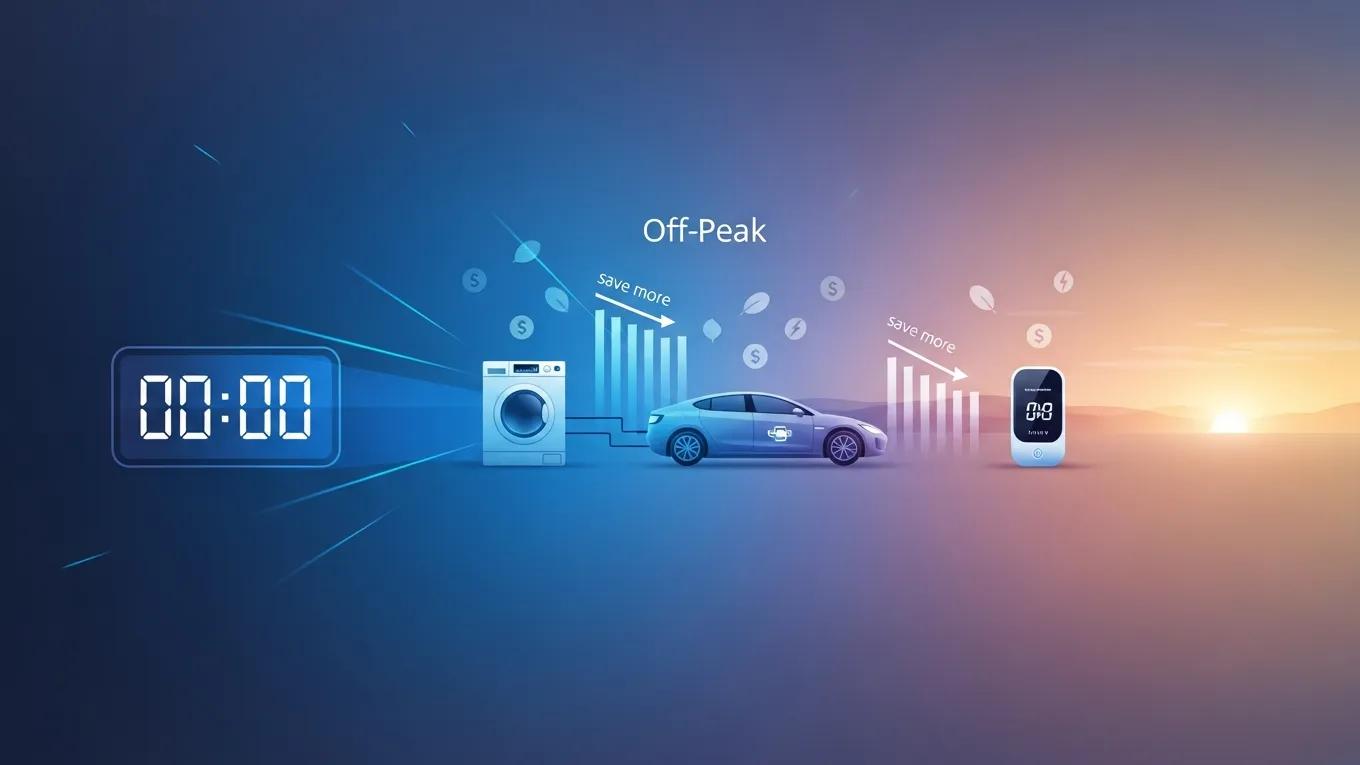
The introduction of SDG&E smart meters has significant implications for your electric bill. By providing real-time data, these meters help homeowners understand their energy consumption patterns, which can lead to potential savings. For instance, users can identify peak usage times and adjust their habits accordingly, potentially lowering their bills. Furthermore, smart meters facilitate the implementation of time-of-use rates, where electricity costs vary based on demand, encouraging users to shift their usage to off-peak hours. SDG&E also offers programs such as the Time-of-Use (TOU) rate plans, which charge different rates depending on the time of day, helping customers save money by using electricity during lower-cost periods.
Baker Home Energy Services Related to Meter Upgrades and Solar Integration:
Baker Home Energy offers a range of services related to smart meter upgrades and energy efficiency consulting. Their expertise includes assisting homeowners with the installation of smart meters, ensuring that they are set up correctly to maximize benefits. Additionally, Baker Home Energy provides solar integration services, helping homeowners to combine smart meter technology with solar energy systems for enhanced efficiency and savings. Their comprehensive approach ensures that clients receive tailored solutions to meet their specific energy needs.
Is a Main Electrical Panel Upgrade part of a meter upgrade?
A main electrical panel upgrade is not always a requirement when installing a smart meter, but it can be beneficial in certain situations. Upgrading the electrical panel may be necessary if the existing panel is outdated or unable to handle the increased load from modern appliances and smart technology. Homeowners should consult with a qualified electrician to assess their current panel and determine if an upgrade is needed to optimize the performance of their new smart meter. It is important to distinguish a Smart Meter from a Smart Panel, and a Smart Breaker.
Why are smart meters being used?
Smart meters are being adopted for several reasons, primarily due to their ability to enhance energy efficiency and provide consumers with greater control over their energy usage. They help utilities manage demand more effectively, reduce operational costs, and improve service reliability. Additionally, as consumers become more environmentally conscious, the demand for technologies that promote energy efficiency and sustainability has increased, making smart meters a valuable tool in modern energy management. SDG&E smart meters also support programs that help customers save energy and money, such as demand response programs and energy usage alerts.
What services does Baker offer to help?
Baker Home Energy provides a variety of services to assist homeowners in optimizing their energy efficiency. These services include:
- Smart Meter Installation: Professional installation of SDG&E smart meters to ensure accurate data collection and monitoring.
- Energy Efficiency Consulting: Expert advice on how to reduce energy consumption and lower utility bills through efficient practices.
- Solar Energy Solutions: Integration of solar energy systems with smart meters to maximize energy savings and sustainability.
By leveraging these services, homeowners can take full advantage of the benefits offered by smart meter technology.
How Do They Work with Solar and with monthly savings?
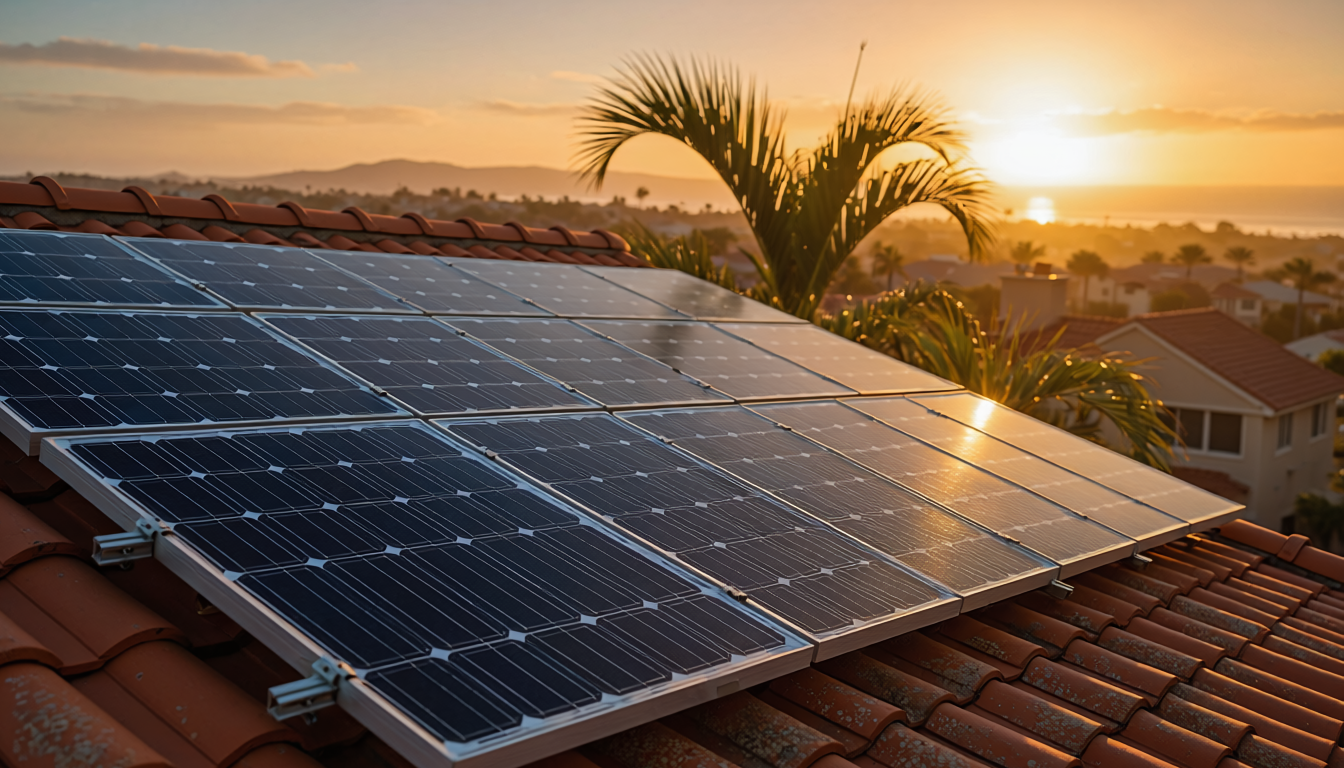
Smart meters work in conjunction with solar energy systems to provide homeowners with a comprehensive view of their energy consumption and production. Through net energy metering, homeowners can receive credits for the excess energy generated by their solar panels, which can offset their electricity costs. Additionally, smart meters facilitate the tracking of energy usage patterns, allowing homeowners to optimize their solar energy production and consumption for maximum savings. By understanding their energy flow, homeowners can make informed decisions about when to use energy-intensive appliances, further enhancing their savings.
In conclusion, SDG&E smart meters represent a significant advancement in energy management, offering homeowners the tools they need to monitor and optimize their energy usage effectively. With the support of Baker Home Energy, homeowners can navigate the transition to smart meters and solar energy solutions, ensuring they maximize their energy efficiency and savings.