
Costs and Savings articles
-
 Costs and Savings
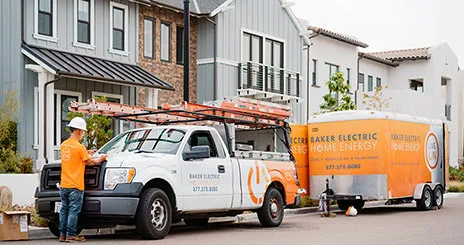
Trusted HVAC Maintenance & Home Service Plans for Southern California — Comfort, Reliability, and Real Savings
Regular HVAC maintenance and well-designed home service plans schedule inspections, tune-ups, and priority repairs so your heating and cooling…
-
 Costs and Savings
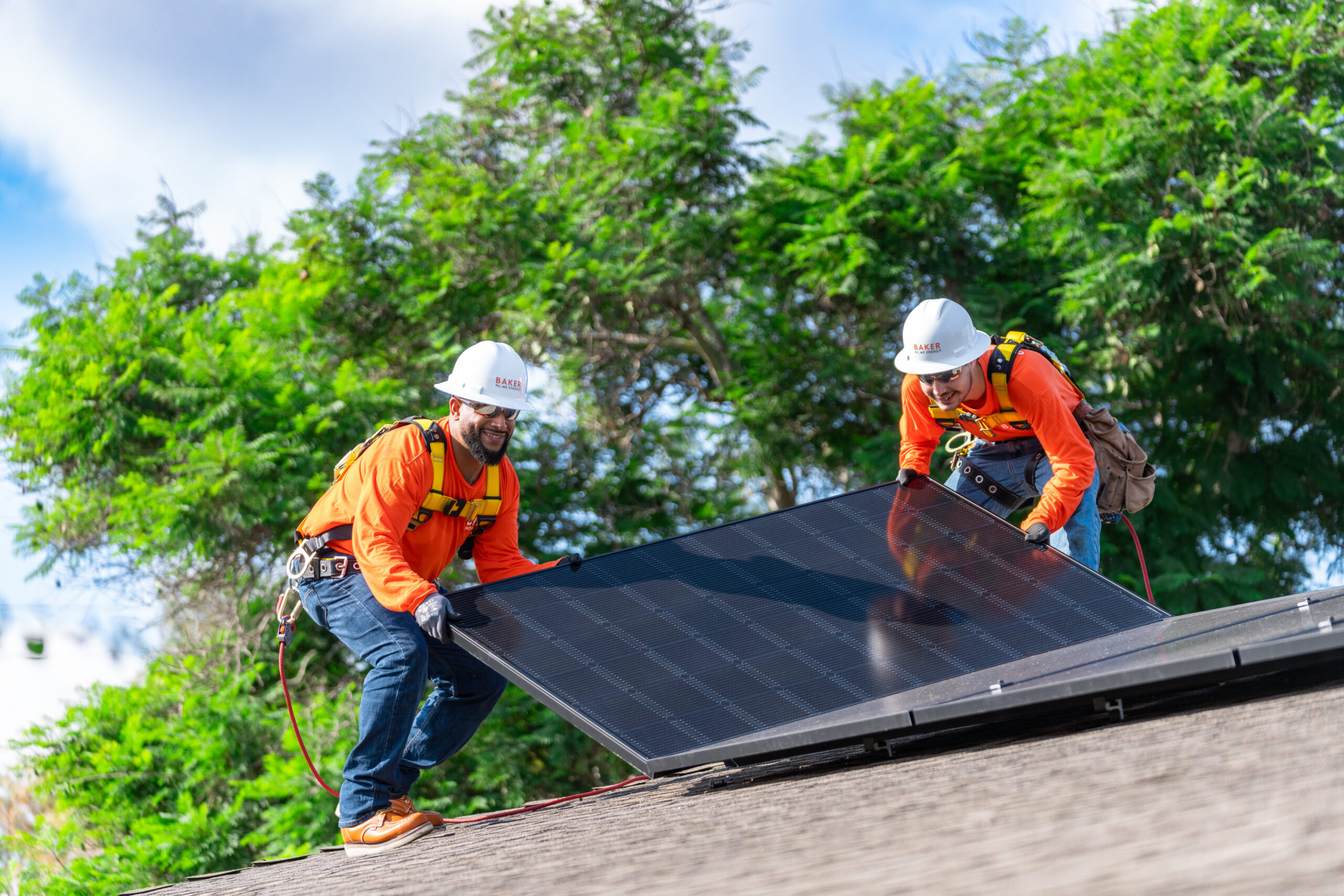
The Landlord’s Secret Weapon: Solar-Powered Utilities – Included with Rental
Reduce Vacancy. Attract Tenants Faster. Control Your Margins. If you own rental properties in San Diego County, you know the real killer: vacancy.…
-
Costs and Savings
SDCP Solar Battery Savings Program: Maximize Your Energy Investment with Baker Home Energy
Discover how SDCP’s Solar Battery Savings Program helps you save money, earn incentives, and support a cleaner grid with Baker Home Energy.
-
 Costs and Savings
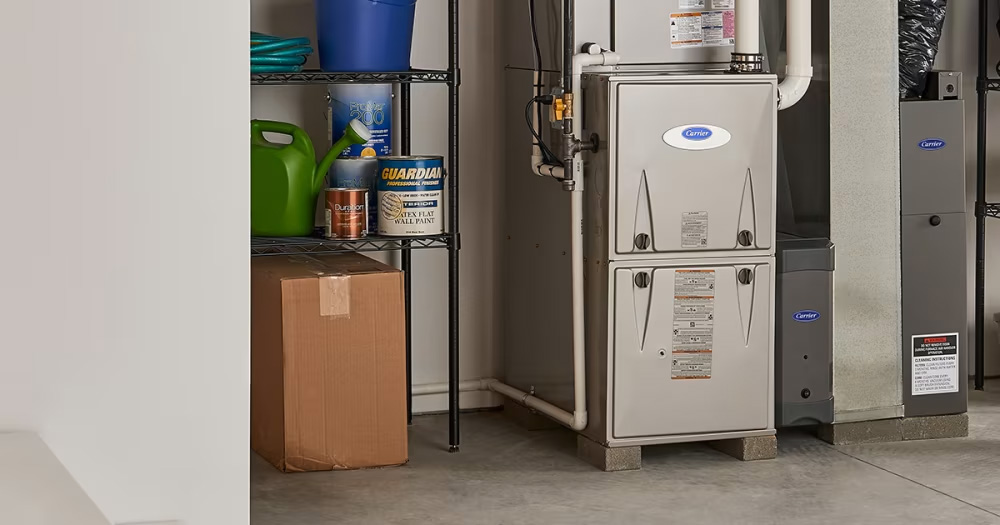
Maximize Your Savings: Heating & Air and Heat Pump Water Heater Tax Credits Before Year-End
Learn how homeowners can save big with federal heating & air system and heat pump water heater tax credits before December 31, 2025.
-
 Costs and Savings
Why Solar is the Smartest Investment for San Diego Small Business Owners
Small Business Owners can cut energy costs, boost property value, and claim tax credits with Baker Home Energy’s expert solutions.
-
Costs and Savings
How Much Solar Can I Add Without Losing NEM 1 or 2 Benefits?
If you’re a California homeowner benefiting from Net Energy Metering (NEM) 1.0 or NEM 2.0, you may be wondering how much additional solar…
-
Costs and Savings
Baker Home Energy Installs San Diego’s First SDGE-Approved Non-Export System
At Baker Home Energy, we’re always working to bring our customers the smartest energy solutions. We’re proud to announce that we were the first…
-
Costs and Savings
How existing Solar Customers can “Power up” their production using Non-Export Systems – and keep their current NEM status
News is now bright for homeowners to add more solar panels without penalty. Homeowners can now add non-export solar systems to add power while…
-
 Costs and Savings
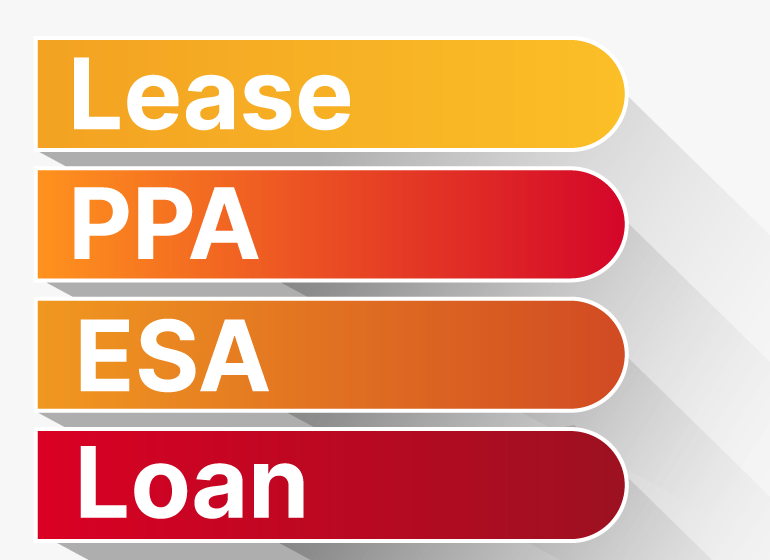
Navigating Residential Solar Financing: Leases, PPA’s/ESA’s, and Solar Loans
The difference between a loan, PPA, ESA, and a lease is one of the most critical considerations in deciding how to pay for your solar system.
-
 Costs and Savings
The California Electric Grid + VPPs Explained
The California Electric Grid + VPPs: How they Work Key Players in the Grid The California electric grid is run by many different players, including…