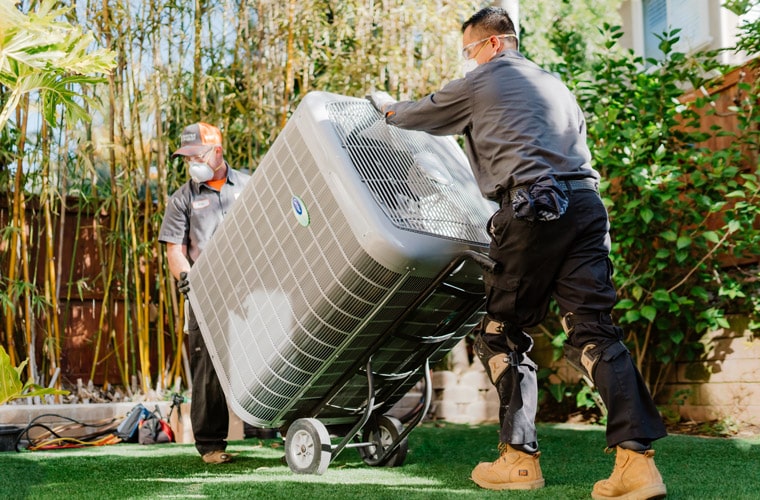
Installing a new system or replacing your old one can feel overwhelming, but it’s not a decision you have to make alone. Most heating and air conditioning systems in San Diego need replacement every 12 years.
Our professionals will help you expertly weigh your options and advise which equipment will best serve your home. We promise transparency the whole way and we’ll treat your plan as seriously as we would our own.
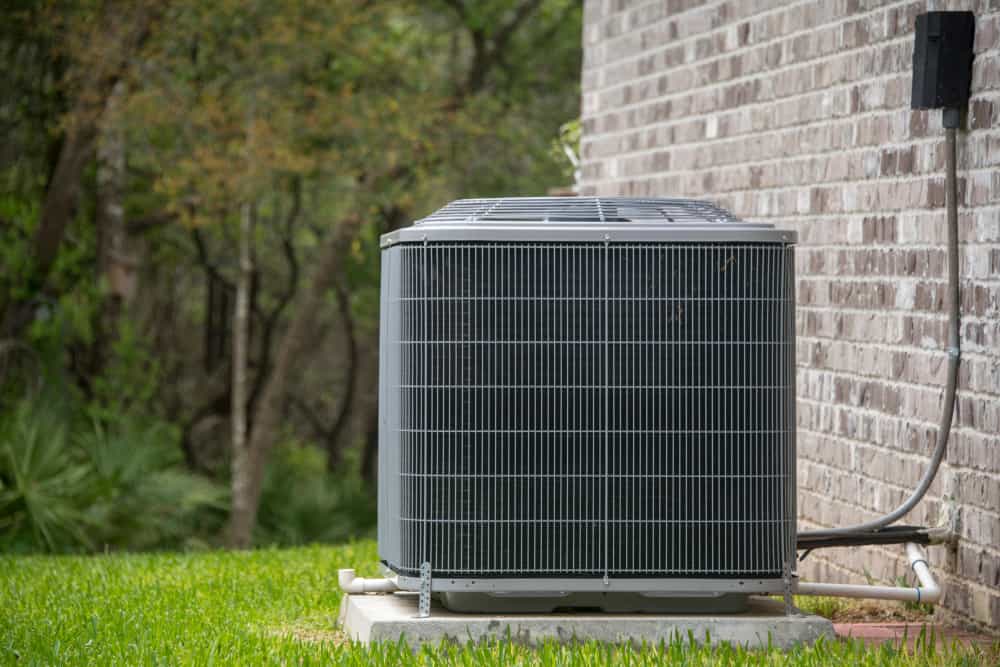
Central air systems provide cooling to your whole home and operate by pushing chilled air through ductwork. They are offered as a split-system unit or a packaged unit and are a cost-effective option if you already have ducts throughout your home. Together with your furnace, this completes your heating and cooling system and includes important air cleaning functions too.
Mini Split/Ductless air conditioners provide affordable cooling options for homes without ductwork. These units are mounted on the wall and allow you to control the temperature of the room where they are installed.
Home Heating Systems: Furnaces, Boilers, Heat Pumps & More
There are several ways to heat a home including: furnaces, boilers, heat pumps, hybrid, ductless mini-splits, radiant, and baseboard heaters.
Furnaces operate by moving heated air through a series of ducts. They are powered by a fuel, often gas, and are the most commonly installed system.
Heat Pumps
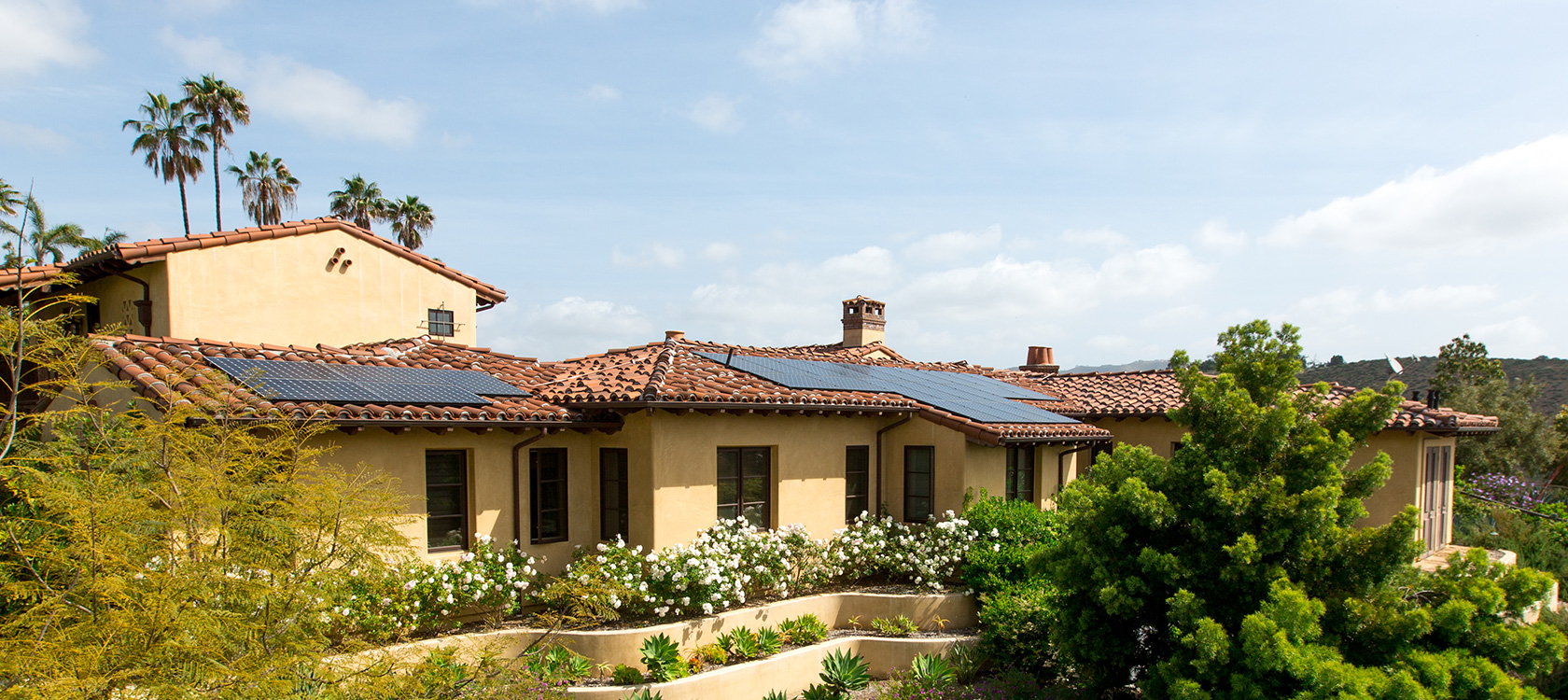
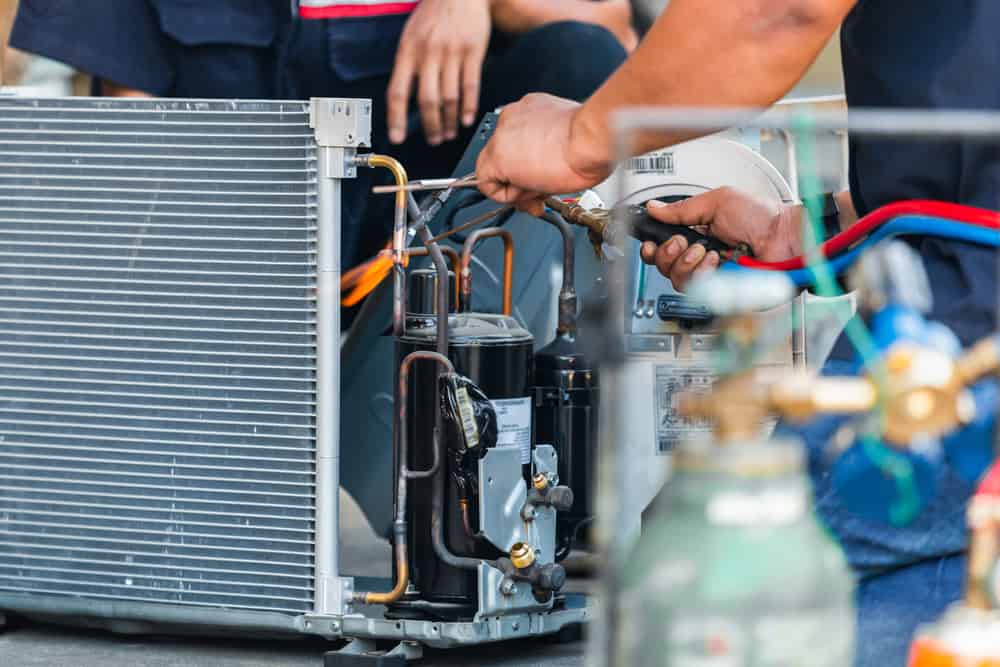
Stay comfortable year-round with a dual-purpose cooling and heating system. At Baker, we install new energy-saving heat pumps; or we can repair or replace an existing unit. If you are embracing solar energy to produce electricity and opting for a heat pump system, you can save money in the long run and take advantage of government incentives. Combining solar and heat pumps will allow you to reduce your electricity consumption in high-demand months. Baker professionals are here to help tailor a plan to meet your family’s needs.
From heating to cooling, we keep your home comfortable in every season. Whether you need a repair, upgrade, or routine maintenance, our experts deliver reliable, energy-efficient solutions tailored to your home. Get started today.
How to select a new system
Not sure which system you need? Not a problem. We always recommend a professional consultation before making any decisions, and we offer them for free.
For many Californians, 50% of their electricity bill is from heating and air conditioning alone! Having a right-sized, energy-efficient system is important, but so is quality. That’s why we use only the most trusted brands.
ENERGY STAR® certified products are available with both brands, which means these models exceed guidelines set forth by the U.S. environmental Protection Agency. Certain purchases may qualify you for federal energy tax credits and local utility rebates.
Comfort Control options are available on many models. Ask about flexibility for optimized airflow, remote adjustments, humidity control and temperature overrides.
Smart thermostats are programmable, controllable from your phone and help reduce energy consumption. Pair this with your energy-efficient system and Energy Star estimates you’ll save an extra 12-15 percent on your electricity bills.
Pricing will vary depending on the size of your system, equipment and other factors. Our team will cover all of this with you in detail.
We know HVAC issues happen when least expected. To help with that, we have several financing options available. Warranties and regular maintenance are a vital part of protecting your investment too. Learn about warranties and service plans.
Good installers don’t just replace equipment, they build systems that fit your family’s needs. At Baker Home Energy, we know HVAC installation and we know how to customize.
We’ll use the size of your house, layout and insulation to determine the system size that’s exactly right for your home.
Our technicians are SoCal locals with extensive experience, so we can confidently build your system to weather this climate.
We’ll also make sure your comfort preferences and family needs are top priority with solutions for optimal air quality
It’s our goal to save you time, energy and money, and we won’t stop until we’ve done that.
hvac installation for older homes in san diego, ductless mini split san diego, mini split installers near me, central air conditioning san diego, heat pump replacement, mini split installation near me, heat pump installation san diego, hvac for new construction san diego, new hvac system san diego, heat pump san diego
Benefits of Energy-Efficient HVAC Systems
Energy-efficient HVAC systems not only reduce utility bills but also contribute to a healthier environment. By utilizing advanced technology and design, these systems consume less energy while maintaining optimal indoor comfort.
For instance, ENERGY STAR® certified models exceed efficiency standards set by the U.S. Environmental Protection Agency, ensuring that homeowners save money in the long run. Additionally, many energy-efficient systems qualify for tax credits and rebates, making them a financially smart choice for upgrades.
Understanding HVAC System Components
To make informed decisions about heating and cooling solutions, it's essential to understand the key components of HVAC systems. These include the furnace, air conditioner, heat pump, ductwork, and thermostats, each playing a crucial role in overall system performance.
For example, the furnace generates heat that is distributed throughout the home via ductwork, while the air conditioner cools the air. Understanding how these components work together can help homeowners choose the right system based on their specific needs and preferences.
Common HVAC Maintenance Practices
Regular maintenance is vital for ensuring the longevity and efficiency of HVAC systems. Common practices include changing air filters, scheduling annual tune-ups, and inspecting ductwork for leaks to maintain optimal performance.
By investing in routine maintenance, homeowners can prevent costly repairs and extend the lifespan of their systems. For instance, a simple filter change can improve air quality and system efficiency, leading to lower energy bills and enhanced comfort.
Innovations in Smart HVAC Technology
The integration of smart technology into HVAC systems has revolutionized how homeowners manage their heating and cooling. Smart thermostats allow users to control their systems remotely, optimizing energy usage and enhancing comfort levels.
Moreover, features such as programmable schedules and learning capabilities enable these devices to adapt to user preferences, further improving efficiency. Homeowners can benefit from real-time energy monitoring, which helps them make informed decisions about their energy consumption.