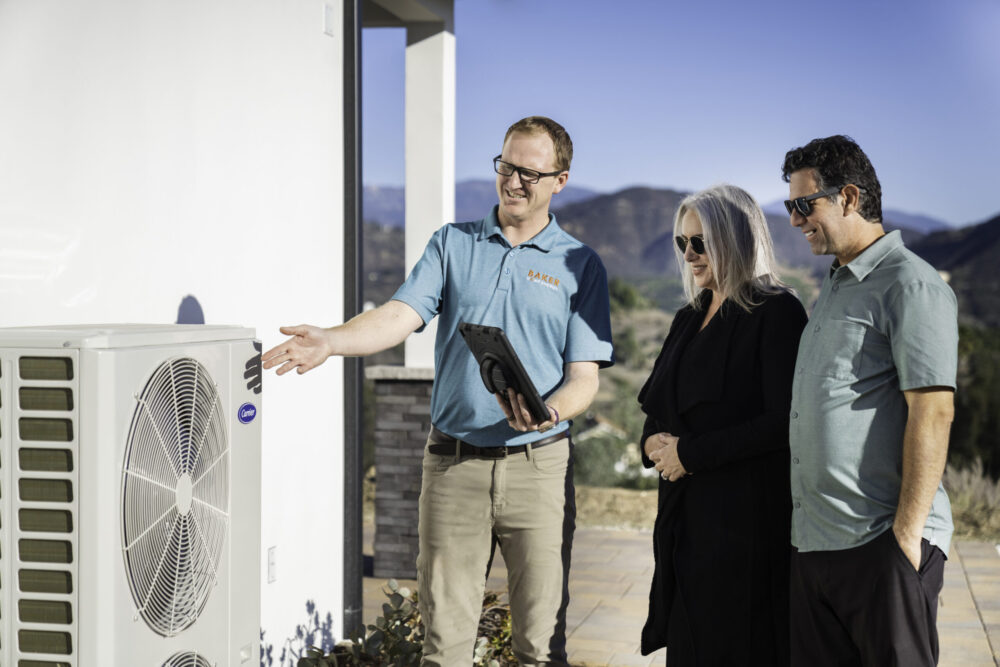
The first heat wave of summer is fast approaching. Many homeowners are thinking about the comfort and efficiency of their air conditioning systems. If your AC condenser has been sitting out in the rain, will it work when you need it?
If you’re considering upgrading your AC unit, now there’s an important reason to act promptly. The phasing out of the refrigerant known as R-410A is set to reshape the industry which will profoundly impact the cost of staying cool.
The Impending Shift in Regulations from R-410A
Beginning in January 2025, new government mandates will alter the types of coolant that air conditioning systems must use. At the heart of this shift is the phase-out of the refrigerant R-410A. This move away from R-410A has required manufacturers like Carrier to invest heavily in research, development, and adaptation of new coolants. Unfortunately for consumers, this new coolant is significantly more expensive than the old one.
The net result? A steep increase in the manufacturing cost of AC units post-2025 is anticipated. Industry insiders are forecasting price hikes of up to 30%! This could translate to $5,000 or more in added costs for a new system for the average homeowner.
Locking in Lower Prices NOW
If your AC system is aging and you will need a new system, the argument for investing in a new AC system before these regulations take effect is sound financial planning. Upgrading now to avoid the price surge that will accompany the manufacturing industry’s adjustment to the new standards could save significant costs. Furthermore, a new, more energy-efficient system lets you enjoy considerable savings on your energy bills over time.
However, this decision demands a balanced consideration of several factors. It’s important to evaluate:
The performance and condition of your existing AC system
Your budgetary constraints
Your unique home comfort profile based on the layout of your home and ductwork
Your long-term cooling needs.
At this point, seeking the guidance of seasoned heating and air professionals could make alot of sense to ensure you make the right choice.
Act Now for Long-Term Savings
Each moment of hesitation could be costing you! Find out If an AC system upgrade is on your horizon by contacting Baker Home Energy and booking a FREE inspection/quote of your system. Waiting until after the new regulations come into effect in January 2025 could subject you to significantly higher costs for a new AC system. Furthermore, acting now will save you from these forthcoming price increases and secure a future of efficient, cost-effective cooling for your home.
Why Choose Baker Home Energy?
Simultaneously, choosing Baker Home Energy for your heating and air solutions means partnering with a leader in home comfort. Our team is committed to delivering exceptional service, from expert installation to dependable maintenance. Here’s why savvy homeowners choose us:
Expertise You Can Trust: Our certified technicians are at the forefront of HVAC technology, ensuring your system is installed with precision and skill.
Customer-Centric Approach: We believe in putting your needs first. From the initial consultation to post-installation support, our team is dedicated to ensuring your satisfaction.
Energy-Efficient Solutions: In an era of rising energy costs, we prioritize solutions to enhance your comfort while maximizing energy efficiency. Subsequently, this leads to substantial savings on your bills.
Future-Proof Comfort: With the impending regulatory changes, we are already ahead, offering systems that comply with future standards. This forward-thinking approach ensures your investment is timely and future-proof.
Free Inspection and Quote: Making informed decisions starts with having the right information. We offer a complimentary inspection and quote, providing you with transparent advice tailored to your specific needs.
It is important remember, at Baker Home Energy we’re not just about air conditioning and heating; we’re about creating lasting comfort solutions that make financial sense. Reach out today and experience the difference of a home energy partner who genuinely cares about your comfort and savings.

Maximize Your Savings: Heating & Air and Heat Pump Water Heater Tax Credits Before Year-End
Learn how homeowners can save big with federal heating & air system and heat pump water heater tax credits before December 31, 2025.
air conditioning crisis, air conditioning system upgrade, ac system upgrade, ac crisis
Understanding the Benefits of Energy-Efficient AC Systems
Energy-efficient air conditioning systems offer numerous advantages, including lower energy bills and reduced environmental impact. By upgrading to a system with a higher Seasonal Energy Efficiency Ratio (SEER), homeowners can enjoy significant savings on their monthly utility costs while also contributing to a more sustainable future.
For example, replacing an old AC unit with a new, energy-efficient model can lead to energy savings of 20-50%. Additionally, many energy-efficient systems qualify for rebates and tax credits, making the initial investment more affordable. Homeowners can also take advantage of advanced technologies like variable-speed compressors, which further enhance efficiency and comfort.
Preparing for the R-410A Phase-Out: What Homeowners Need to Know
The upcoming phase-out of R-410A refrigerant presents a critical opportunity for homeowners to upgrade their air conditioning systems. Understanding the implications of this regulatory change is essential for making informed decisions about HVAC investments. As R-410A becomes less available, prices for existing systems may increase, making early upgrades financially advantageous.
Homeowners should consider alternative refrigerants, such as R-32, which are more environmentally friendly and comply with future regulations. Consulting with HVAC professionals can provide valuable insights into the best options available, ensuring that homeowners make choices that align with both current standards and future needs.
How to Choose the Right AC System for Your Home
Selecting the right air conditioning system for your home involves evaluating several key factors, including size, efficiency, and features. A system that is properly sized for your space will operate more efficiently and provide optimal comfort. Homeowners should consult with HVAC experts to assess their needs and receive tailored recommendations.
In addition to size, homeowners should consider energy efficiency ratings, such as SEER and Energy Star certifications. Features like smart thermostats and variable-speed motors can further enhance the performance of an AC system, leading to greater comfort and energy savings over time. Investing in the right system can significantly impact long-term satisfaction and utility costs.
The Importance of Regular AC Maintenance
Regular maintenance of air conditioning systems is crucial for ensuring optimal performance and longevity. Routine checks can identify potential issues before they escalate, saving homeowners from costly repairs and extending the lifespan of their units. Scheduled maintenance typically includes cleaning filters, checking refrigerant levels, and inspecting electrical components.
Moreover, well-maintained systems operate more efficiently, which can lead to lower energy bills and improved indoor air quality. Homeowners should consider enrolling in a maintenance plan with their HVAC provider to ensure consistent upkeep, providing peace of mind and enhancing the overall comfort of their homes.
air conditioning crisis, air conditioning system upgrade, ac system upgrade, ac crisis
Understanding the Benefits of Energy-Efficient AC Systems
Energy-efficient air conditioning systems offer numerous advantages, including lower energy bills and reduced environmental impact. By upgrading to a system with a higher Seasonal Energy Efficiency Ratio (SEER), homeowners can enjoy significant savings on their monthly utility costs while also contributing to a more sustainable future.
For example, replacing an old AC unit with a new, energy-efficient model can lead to energy savings of 20-50%. Additionally, many energy-efficient systems qualify for rebates and tax credits, making the initial investment more affordable. Homeowners can also take advantage of advanced technologies like variable-speed compressors, which further enhance efficiency and comfort.
Preparing for the R-410A Phase-Out: What Homeowners Need to Know
The upcoming phase-out of R-410A refrigerant presents a critical opportunity for homeowners to upgrade their air conditioning systems. Understanding the implications of this regulatory change is essential for making informed decisions about HVAC investments. As R-410A becomes less available, prices for existing systems may increase, making early upgrades financially advantageous.
Homeowners should consider alternative refrigerants, such as R-32, which are more environmentally friendly and comply with future regulations. Consulting with HVAC professionals can provide valuable insights into the best options available, ensuring that homeowners make choices that align with both current standards and future needs.
How to Choose the Right AC System for Your Home
Selecting the right air conditioning system for your home involves evaluating several key factors, including size, efficiency, and features. A system that is properly sized for your space will operate more efficiently and provide optimal comfort. Homeowners should consult with HVAC experts to assess their needs and receive tailored recommendations.
In addition to size, homeowners should consider energy efficiency ratings, such as SEER and Energy Star certifications. Features like smart thermostats and variable-speed motors can further enhance the performance of an AC system, leading to greater comfort and energy savings over time. Investing in the right system can significantly impact long-term satisfaction and utility costs.
The Importance of Regular AC Maintenance
Regular maintenance of air conditioning systems is crucial for ensuring optimal performance and longevity. Routine checks can identify potential issues before they escalate, saving homeowners from costly repairs and extending the lifespan of their units. Scheduled maintenance typically includes cleaning filters, checking refrigerant levels, and inspecting electrical components.
Moreover, well-maintained systems operate more efficiently, which can lead to lower energy bills and improved indoor air quality. Homeowners should consider enrolling in a maintenance plan with their HVAC provider to ensure consistent upkeep, providing peace of mind and enhancing the overall comfort of their homes.